Disclosure: Some links in this post are affiliate links. As an Amazon Associate I earn from qualifying purchases, at no extra cost to you. Learn more
Specs are compiled from manufacturer listings and verified buyer reviews and can change over time — please confirm the key details on the product page before buying.
The hardest part of taking calcium for weak bones usually is not the calcium itself — it is the horse-sized pill you have to get down twice a day. Tablets built for bone support come in wildly different shapes, and that one detail decides whether you actually finish the bottle or quietly let it sit in the cupboard. This guide sorts out which formulas you can take once daily, which ones need food in your stomach, and which ones taste good enough to keep going with.
This guide is built by comparing the manufacturers’ published specifications and the patterns across verified customer reviews, so you get each pick’s real strengths and trade-offs instead of marketing spin.
If you have ever stood in the supplement aisle staring at five bottles and walked out with none, this list is for you. Below, each pick is matched to the person it actually fits, from a once-a-day caplet to a peach-flavored gummy, so you can narrow 5 real options into the one bottle worth keeping on your counter as your calcium tablets for osteoporosis.
Top Picks
How To Choose The Best Calcium Tablets for Osteoporosis
You are not shopping for the strongest bottle on the shelf. You are shopping for the bottle you will still be opening six months from now, because bone support is a long game and consistency beats intensity every time. Three things decide that: the form of calcium, the dosing schedule, and whether the pill physically goes down.
Calcium carbonate vs calcium citrate, in plain terms
Calcium carbonate is the cheaper, more common form, and it needs stomach acid to break down — so it usually wants to be taken with food. Calcium citrate absorbs without stomach acid, so it works whether or not you have eaten. If you take acid-reducing medication or your stomach runs low on acid, citrate tends to be the friendlier choice. A few products here blend both, which is worth knowing before you compare labels.
How many pills a day, honestly
Twice-a-day dosing sounds trivial until week three. A caplet taken once daily is easier to remember, while a two-tablet serving often just means two at one sitting or one with breakfast and one with dinner. Check the serving size on the label — it tells you the real daily commitment, not the count on the front.
The pill-size question nobody warns you about
This is the single most common reason people stop taking bone-support calcium. Large caplets are hard for some to get down, and coated or flavored versions solve it in different ways. If you have ever broken a tablet in half just to manage it, look at the capsule and gummy options here before you default to the biggest bottle.
Side-by-Side Comparison
| Model | Best For | Calcium Per Serving | Vitamin D Per Serving | Form | Amazon |
|---|---|---|---|---|---|
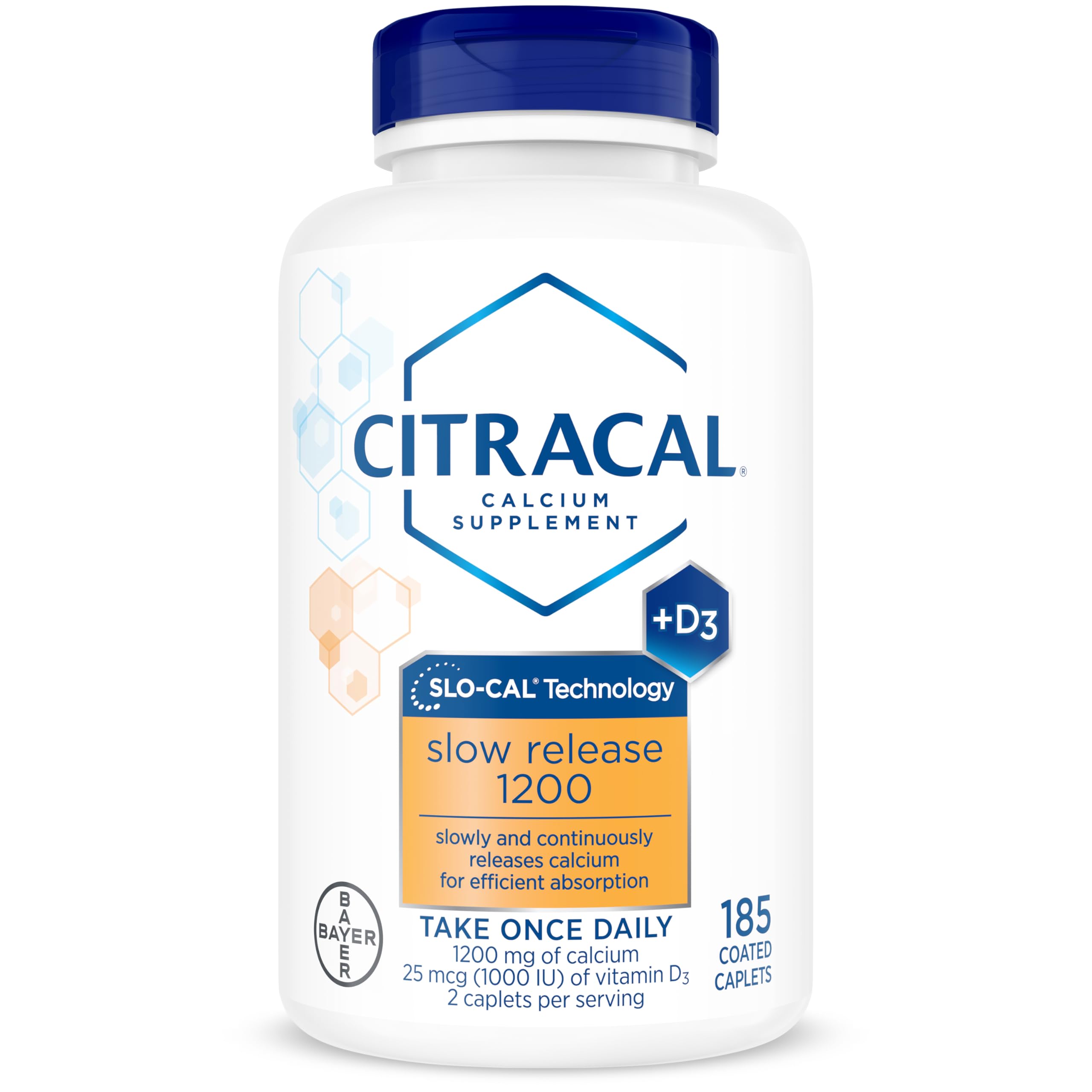
| Citracal Slow Release★ Best Overall | Once-a-day routine | 1200 mg | 25 mcg (1000 IU) | Coated caplets | Amazon |
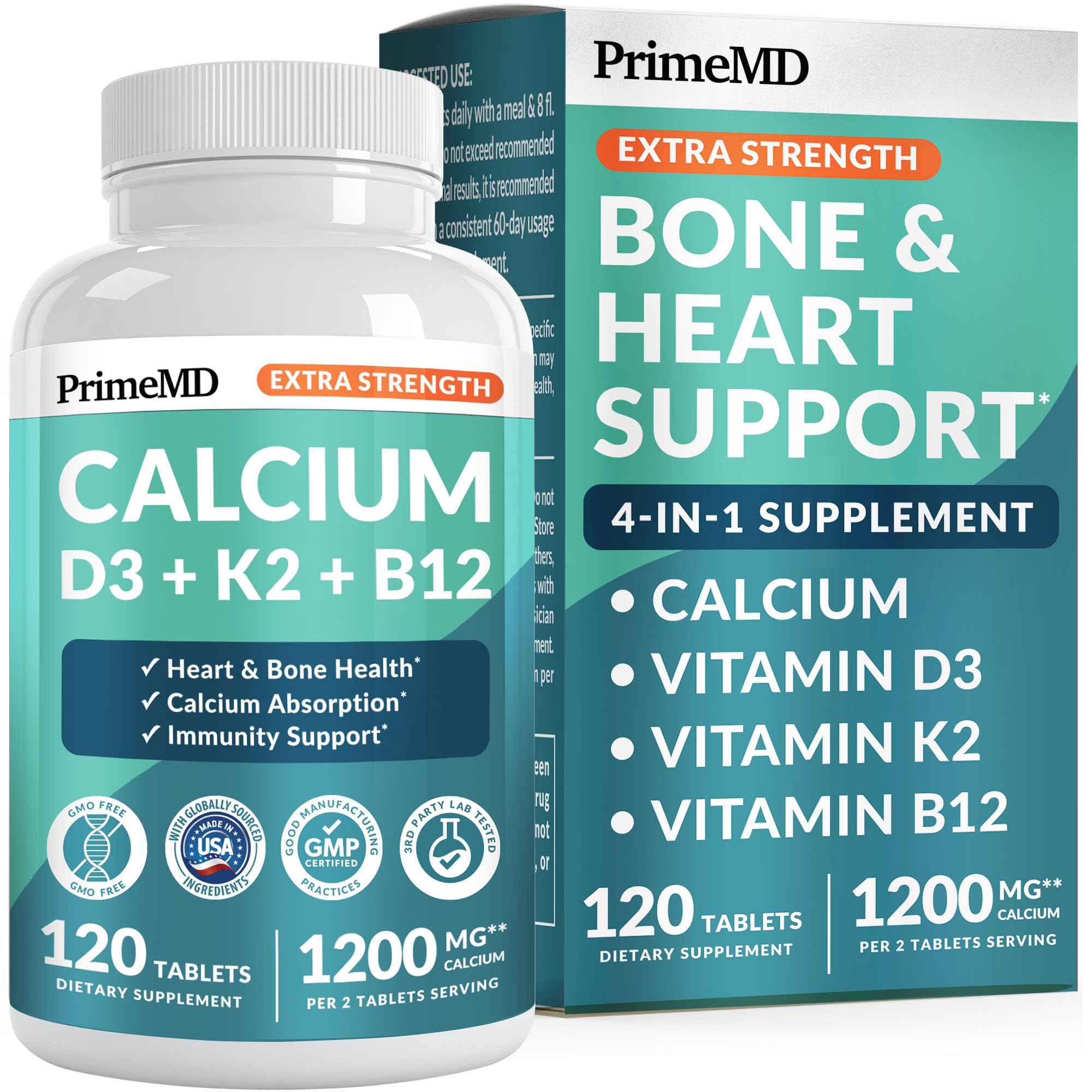
| PrimeMD 4-in-1 CalciumMost Complete Formula | Combining four supplements into one | 1200 mg | 125 mcg | Vegan tablets | Amazon |
| THORNE Chelated DiCalcium Malate | Gentle, concentrated capsules | — | — | Capsules | Amazon |
| THORNE Advanced Bone Support | Calcium plus magnesium and D3 | — | — | Capsules | Amazon |
| Calcium Citrate Gummies (2 Pack) | Anyone who hates pills | 1200 mg | 1000 IU | Peach gummies | Amazon |
Detailed Reviews
1. Citracal Slow Release Calcium 1200 mg
Our pick — over 4.5★ from 11,500+ verified ratings; the strongest balance of quality and price.
One caplet, twice a day, and the release is spread across the hours instead of dumped at once.
If you want the fewest moving parts in a bone-support routine, this is the bottle to start with. Each serving delivers 1200 mg of calcium drawn from both calcium carbonate and calcium citrate, plus 25 mcg of vitamin D3 — the nutrient your body needs on hand to pull calcium into the bloodstream — and magnesium for additional bone support. The dosage is a single daily caplet: take two once a day and you are done, no splitting across meals.
The headline trick is what Citracal calls Slo-Cal Technology, a slow-release formula that gradually releases calcium for efficient absorption rather than in one burst. For the osteoporosis crowd this is a real-world win, because steady delivery is easier on a sensitive stomach than a big single dose. It is also the most established pick of the five — a 4.7-star fixture with more than 10,000 ratings behind it.
There is a wrinkle worth knowing: people taking other supplements sometimes space this one away from fish oil, and a few find the caplets simply too big to get down comfortably. It also asks you to take it once daily on a schedule rather than chewing a treat, so it suits someone already comfortable with a pill habit more than someone who dreads swallowing.
What earns the top spot
- 1200 mg calcium plus 25 mcg (1000 IU) vitamin D3 in one serving
- Slow-release formula for gradual, spread-out absorption
- Take two caplets once a day — no meal-timing juggling
Before you commit
- The caplets are large; a few find them a challenge to swallow
- Requires a daily pill habit rather than a chewable
- 13.76 ounces on the shelf — the heaviest bottle here
Best suited to: the person who wants the simplest possible once-a-day bone-support routine and does not mind a coated caplet.
Think twice if: large pills are your sticking point — the gummy option below solves exactly that.
2. PrimeMD 4-in-1 Calcium 1200 mg
Four supplements folded into one tablet, so your counter goes back to being a counter.
For anyone already juggling a D3 bottle, a K2 bottle, and a separate B12, this is the consolidation play. Each serving carries a blend of calcium citrate and calcium carbonate at 1200 mg, plus 125 mcg of vitamin D3, 100 mcg of vitamin K2, and 1000 mcg of vitamin B12. Vitamin D3 helps your body take up the calcium, K2 helps route it to the right places, and B12 covers nerve and energy support — a formula built for people who want one pill covering several needs instead of three bottles.
The math here is the widest gap in this lineup: 125 mcg of vitamin D3 against 25 mcg in the Citracal caplet, a clear five-times difference if vitamin D is the half of your routine you always end up short on. It is also fully vegan and gluten-free with no fillers, and the tablets are coated, which is exactly why easy swallowing is what buyers notice first about it.
The catch is the label: this is a two-tablet serving, so the daily routine is one with breakfast and one with dinner, not a single caplet. The tablets also run slightly large for a few people. Give it at least 60 days before you judge, as the maker itself suggests — bone nutrients are not something your body registers in a week.
Best played as a stack-replacer: if you are currently buying vitamin D, vitamin K, and B12 separately, this one tablet does all four jobs at 1200 mg calcium per serving, which owners of this route describe as simpler and no more expensive than the bottles it replaces.
Worth it when: you want D3, K2, and B12 handled alongside your calcium without three separate purchases.
Reconsider if: you need a genuinely once-a-day dose — this is a two-tablet serving.
3. THORNE Calcium Chelated DiCalcium Malate
A capsule the size of a pea, built around a form of calcium the body takes up more efficiently.
Switching from tablets to capsules is the whole pitch here, and it holds up. THORNE uses chelated DiCalcium Malate — a form where the calcium is bound to malate, which the manufacturer describes as a more concentrated and better-absorbed form of the mineral — so you get more calcium per capsule than a standard tablet. At just 3.68 ounces for the bottle, this is by far the lightest package on this list and the easiest to slip into a travel bag or purse.
For the pill-averse, the difference is measurable: a small, non-fishy capsule beats a coated caplet you have to set aside time for. The formula is also free of gluten, soy, dairy, shellfish, egg, tree nuts, peanuts, and fish, so most allergy-minded buyers can take it without a second read of the label. THORNE is a brand trusted by professional sports teams, which is one reason buyers pay a premium for it.
What it is not is a one-pill-fits-all. It is a capsule-only formula with no magnesium or K2 to speak of on the label, so if you want the fuller supportive blend you would look at the Advanced Bone Support further down instead. And because it is a higher-concentration capsule, check your serving size — the calcium-per-capsule is the selling point, but that means dose-per-capsule is not the same as dose-per-serving on a tablet.
Where it separates from the pack: Capsule buyers regularly report improved blood-test calcium readings on THORNE’s malate form after other supplements showed no movement, and reviews repeatedly note the absence of aftertaste or stomach upset.
Best picked by: anyone who wants a small, easy-to-swallow capsule and a concentrated single-ingredient calcium rather than a multi-nutrient tablet.
Not for: shoppers who want magnesium and K2 blended in — you would be adding those separately.
4. THORNE Advanced Bone Support
Built for the shopper who wants calcium, magnesium, and D3 together in one tidy capsule.
This is the answer for anyone taking both a calcium and a magnesium supplement and tired of two bottles. THORNE’s Advanced Bone Support bundles calcium, magnesium, and vitamin D3 — plus B vitamins — into one formula designed for people who need bone support beyond diet, including postmenopausal women. It has been on the market since 2006, so it has had a long and steady following rather than a flash of new-bottle hype.
The appeal is the pairing logic: magnesium is often taken at night, and here it arrives in the same capsule as your calcium and D3, so a single bedtime dose covers all three. Buyers describing the switch say it is a better value than buying those supplements separately, and that the magnesium-capsule format is gentle enough for daily use without the urination side effects some magnesium products bring. The formula is free of the same long allergen list as the other THORNE pick — gluten, soy, dairy, shellfish, egg, tree nuts, peanuts, and fish all stay out.
Capsule size and stickiness are the small trade-offs — one owner notes the capsule can feel sticky in the throat and recommends chasing it with water. It is also a bone-support blend priced toward the top of this group, so if you only wanted calcium and nothing else, the simpler malate capsule is the cheaper, more direct route.
What draws people to it
- Calcium, magnesium, and vitamin D3 in a single capsule
- Free of gluten, soy, dairy, shellfish, egg, tree nuts, peanuts, and fish
- Magnesium-forward formula that many take at night
The honest caveats
- Capsules can feel sticky going down — take with water
- A two-pill daily serving rather than one
- The magnesium element does not sit well with every stomach
The match for: a postmenopausal shopper who wants calcium and magnesium handled in one capsule and does not mind taking it at night.
Look elsewhere if: simple calcium is all you are after — the straight malate capsule above keeps it to one ingredient.
5. Calcium Citrate 1200 mg Gummies 2 Pack

A peach-flavored gummy that ends the swallow problem entirely — if you can keep them from sticking together.
For the person who has broken a calcium caplet in half and given up, this is the escape hatch. Each gummy delivers calcium citrate — the form that is more easily absorbed than calcium carbonate and does not need a meal to work — along with 400 mg of magnesium glycinate and zinc, 1000 IU of vitamin D3, and 120 mcg of vitamin K2. The two-pack is set up as a 60-day supply, so the count matches a real routine rather than a few weeks of trial.
Taste is the whole reason this one lands. A natural white peach flavor with a soft, slightly chewy texture makes it the single easiest pick here to keep up with, and buyers who used to choke down oversized pills describe the switch as a relief. It suits anyone who gets nauseated by tablets, and it is forgiving on timing since the citrate form does not demand an acidic stomach.
Two things to expect honestly. The gummies tend to stick together in the jar, which can make them stubborn to pull out — a short spell in the fridge usually loosens them. And gummies cost more per day than a plain tablet, so this is a convenience spend rather than a value play. Neither undoes the format, but both are worth knowing before you buy.
Where the format wins outright: for the pill-averse, the gummy edge is the flavor — the taste is what people praise most about it, and it is the difference between a supplement you dread and a daily habit you barely notice.
Built for: anyone who cannot face another large tablet and wants their calcium as a peach gummy two a day.
skip it if: sticking gummies or a higher per-day spend would bother you more than a pill would.
Know the Specs
Calcium form: carbonate vs citrate
The label tells you which form you are taking, and it changes how you take it. Calcium carbonate is denser and cheaper but needs stomach acid to break down, so it generally travels with food. Calcium citrate absorbs without stomach acid, so it is flexible on timing and suits people on acid reducers. Some formulas, like the Citracal pick, blend both; others, like the gummy, lean entirely on citrate.
Vitamin D3 — and what the micrograms mean
Vitamin D is the partner nutrient: without it, your body struggles to move calcium into the bloodstream. On labels it appears as IU or as mcg, and the two measure the same thing — 25 mcg is 1000 IU. The range across this lineup runs from 1000 IU in the Citracal caplet up to 125 mcg in the PrimeMD tablet, so if your doctor has flagged low vitamin D, the higher number is the one to weigh.
Serving size and dosing schedule
The front of the bottle sells a number; the serving line tells the truth. A once-daily caplet means two caplets taken together once a day on the Citracal pick, while the PrimeMD and THORNE options are typically split into one with breakfast and one with dinner. Match the schedule to your real day before you commit to any formula.
Pill size, coating, and stickiness
Swallowability decides whether you finish the bottle, and it varies widely here — from dense coated caplets through small concentrated capsules to soft peach gummies. Coated tablets glide; uncoated or sticky capsules can drag; gummies sidestep swallowing altogether but may clump in the jar. If you have ever given up on a supplement mid-bottle, this is the spec to prioritize first.
Common Questions
Do I need calcium citrate instead of calcium carbonate for weak bones?
How long before calcium tablets make a difference to bone density?
Can I take calcium tablets on an empty stomach?
Should I choose a formula with vitamin K2 as well as D3?
Why do calcium pills come in such large sizes?
Is one big daily dose of calcium as good as splitting it up?
Do calcium gummies work as well as calcium tablets?
Can I take calcium with my other daily supplements?
What should I check on the label before buying calcium for weak bones?
Are there any side effects from taking calcium every day?
The Bottom Line
For the shopper consolidating bottles, the PrimeMD 4-in-1 folds D3, K2, and B12 alongside 1200 mg of calcium into one tablet. And if swallowing has been the dealbreaker, the peach gummies turn the whole routine into something you actually look forward to.
How we choose
We do not accept paid placement. Every pick is matched to a real buyer and a real use-case; we do not hands-on test units.
Sources
Specifications: manufacturer listings and product documentation. Review insights: verified customer reviews, as of October 2026. Pricing: not shown on this page (it changes often); check the current price via the retailer link.
As an Amazon Associate, Aappliancez earns from qualifying purchases. This does not affect which products we feature.