Disclosure: Some links in this post are affiliate links. As an Amazon Associate I earn from qualifying purchases, at no extra cost to you. Learn more
Specs are compiled from manufacturer listings and verified buyer reviews and can change over time — please confirm the key details on the product page before buying.
If your knees ache after a run, the fix is cushioning and arch support, not a higher price tag. What protects your knees and toes is the right cushioning under the right arch. Plenty of shoes get that right and still sit below the hundred-dollar line. This guide sorts seven crowd-favorite picks by what you feel on the pavement: cushioning, arch support, weight, and how the fit really runs, so you land on the pair that suits your stride instead of the pair with the loudest logo.
This guide is built by comparing the manufacturers’ published specifications and the patterns across verified customer reviews, so you get each pick’s real strengths and trade-offs instead of marketing spin.
Some picks here are neutral shoes — built with no extra correction, for feet that land roughly straight — for easy daily miles. Others add a stability element for feet that roll inward. Matching the shoe to your stride matters more than the price. The crowd favorite here sits at 4.5+ stars across 900+ owners. Read on to pick the best Budget Running Shoes Under $100 for your own feet.
Top Picks
How To Choose The Best Budget Running Shoes Under $100
Your feet already know the answer to the first question: do they roll inward when you walk, or land roughly straight? That one detail decides if you need a neutral shoe or a stability shoe. Stride type matters far more than the logo on the tongue. Cushioning, mesh, and outsole grip are tuning knobs on top of that core choice.
Neutral Versus Stability, In Plain Terms
A neutral shoe lets your foot find its own path and focuses on cushioning and flexibility. A stability shoe adds a firmer structure along the inner side to steady a foot that rolls inward (called overpronation). One pick here is built specifically for overpronators — the ASICS GT-1000 14 — while the Brooks Launch 11 and adidas Response Pace are both neutral designs aimed at runners who want a balance of flexibility and cushioning.
Cushioning Depth And What It Costs You
A softer, thicker midsole (the foam layer between your foot and the road) absorbs more impact on long pavement runs. The trade-off: it can feel vague underfoot on faster, shorter efforts. The picks here sit at different points on that scale. The Terrex Tracefinder brings a cushioned, trail-oriented ride. The GT-1000 14 is tuned for daily training rather than race-day spring. For treadmill or gym work, firmer cushioning tends to hold up better.
Mesh, Grip, And Getting The Size Right
A breathable engineered mesh upper keeps air moving, so your feet do not cook mid-run. Underneath, the rubber outsole pattern decides traction — a lugged tread (raised nubs) for trails, a full-length rubber outsole for road and path. Sizing is where budget shoes bite hardest: several models here run about half a size small. If you land between sizes with thick socks, size up. And if you wear an orthotic (a custom insert), look for a removable insole so it drops straight in.
Side-by-Side Comparison
| Model | Best For | Weight | Stride Type | Outsole | Amazon |
|---|---|---|---|---|---|
| Brooks Men’s Launch 11★ Best Overall | All-day walking and neutral runs | 2 pounds | Neutral | — | Amazon |
| adidas Men’s Response PaceTop Performer | Marathon training and casual jogs | 2.43 pounds | Neutral | Full-length rubber | Amazon |
| adidas Womens Duramo Sl 2 | Women building race-base mileage | 2.43 pounds | Neutral | Adiwear rubber | Amazon |
| Reebok Energen Run 4 | Everyday walking and gym workouts | 1.87 pounds | Neutral | Rubber | Amazon |
| Under Armour Charged+ Assert 11 | Treadmill and wide-foot comfort | 10.2 oz | Neutral | Rubber with flex grooves | Amazon |
| adidas Terrex Tracefinder | Trail and mixed-surface running | 2.13 pounds | — | Traxion lugged rubber | Amazon |
| ASICS Men’s GT-1000 14 | Overpronation and flat feet | 1.44 pounds | Stability | — | Amazon |
Detailed Reviews
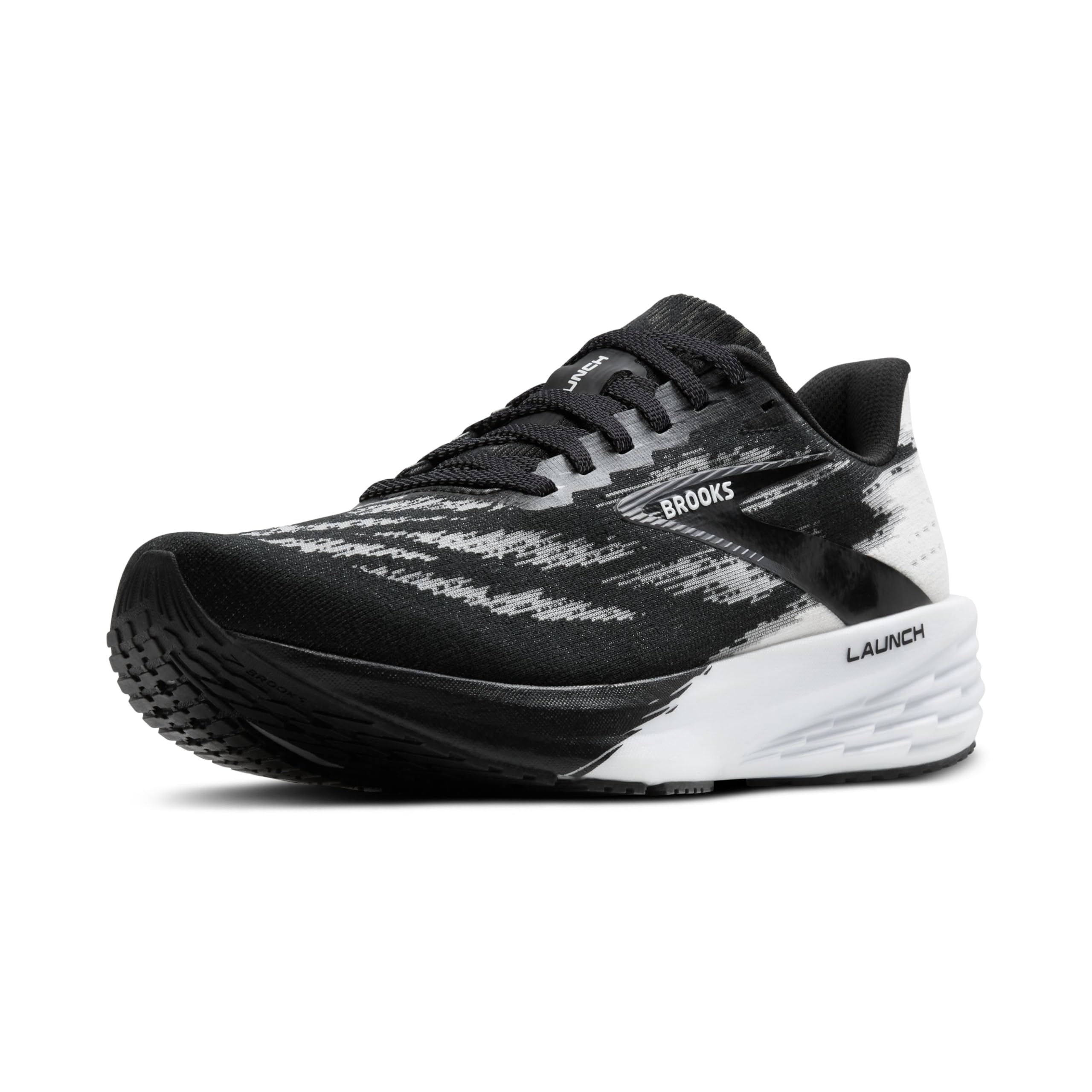
1. Brooks Men’s Launch 11 Neutral Running Shoe
One shoe for the run, the dog walk, and the errands after — light enough to feel quick, cushioned enough to forget you’re wearing it.
The Launch 11 is a neutral shoe, which means it does not push your foot inward or outward. That suits the majority of strides that land roughly straight. What wins buyers over is how many jobs it covers: buyers report they run in it, walk in it, and stand in it for hours. For someone buying one pair to do everything, that range is the whole point. At 2 pounds, it stays light enough for faster short runs while still cushioning long days on your feet.
A mesh upper keeps air moving, so your feet stay cooler on longer efforts. Arch support is singled out as a genuine strength — not a token nub under the midfoot, but something owners mention feeling across a full day. It also doubles as an all-day walking shoe without complaint.
Fit is the most-discussed point across the reviews, and it splits: plenty of buyers find their true size spot on, while a chunk of them find it runs narrow. If your feet run wide or you wear thick socks, going up half a size is the safer call. It is not a maximal-cushion pillow shoe either — if you want the softest, tallest ride underfoot, one of the deeper-cushioned picks in this list suits you better.
What Earns Its Keep
- Neutral design suits most everyday strides
- Light at 2 pounds yet cushioned for long days
- Real arch support you can feel across a full day on your feet
- Works for both running and all-day walking
Where It Narrows Down
- Fit runs narrow for some buyers — size up if your feet are wide
- Not the deepest cushioning if you want a soft maximal ride
Settle In Here: A neutral runner who wants one shoe for both training and daily wear and does not overpronate.
Keep Looking If: Your feet run wide, or you need a stability build for a foot that rolls inward.
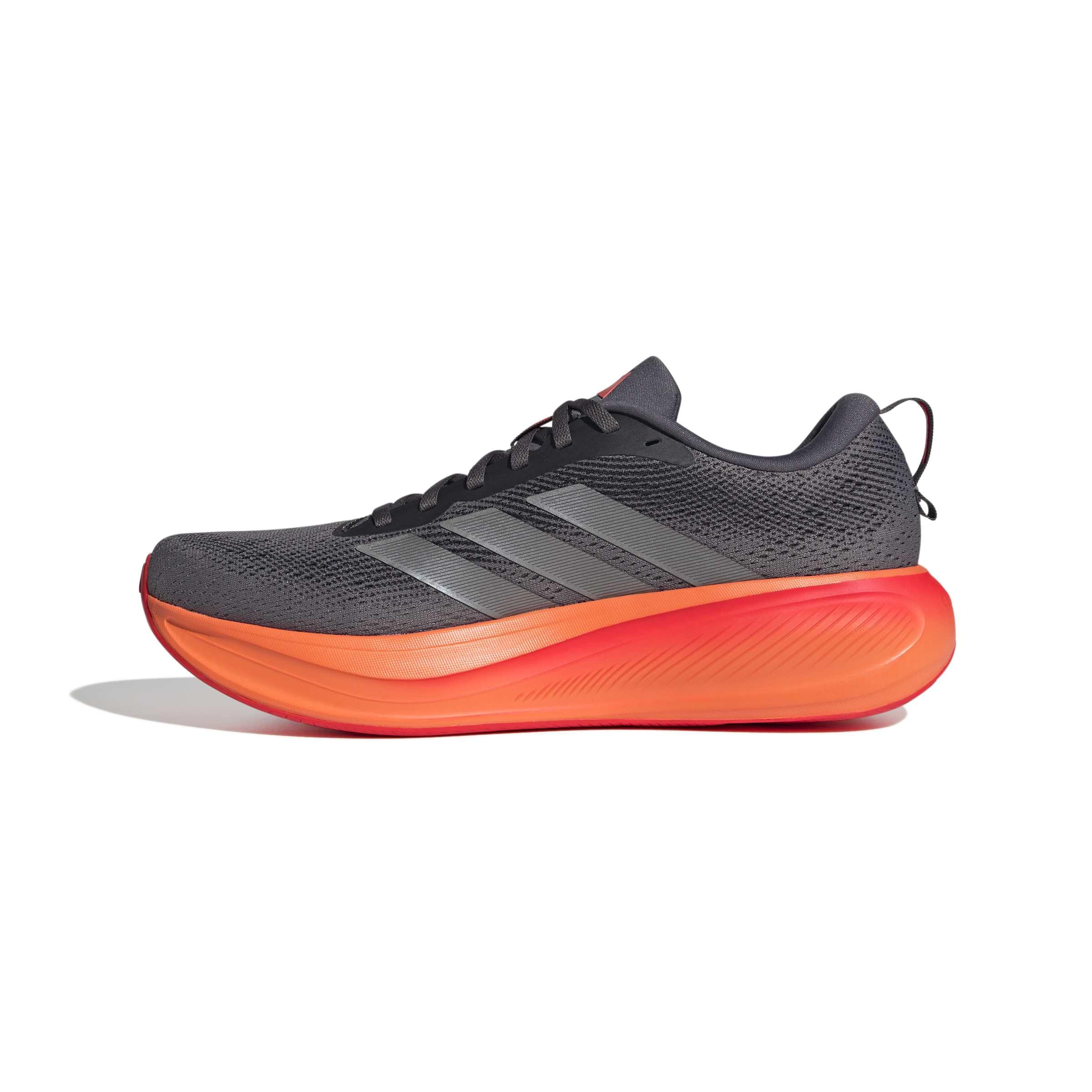
2. adidas Men’s Response Pace Running
The highest-rated shoe in this guide, and it earns that with a soft ride that protects tired joints.
The Cloudfoam midsole is the part runners feel most: a soft foam layer that spreads impact across every stride. Buyers consistently report less knee and back soreness during and after runs in the Cloudfoam midsole. If your joints grumble on the pavement, that cushioning is worth more than any weight saving. The upper is a breathable mesh that adapts to the shape of your foot, so it hugs rather than clamps and keeps you cooler on a long effort.
Underneath, a full-length rubber outsole runs the whole length of the shoe. That gives you grip wherever your foot lands, not only under the heel and toe. It is a neutral shoe, so it leaves your natural stride alone. At 2.43 pounds it sits noticeably on the heavier side next to the Reebok Energen Run 4, which comes in at 1.87 pounds — if raw lightness tops your list, that budget pick beats it here.
One thing to know going in: durability divides opinion. Quality and value both rate highly across the reviews, and this is the top-scoring shoe of the seven. Still, a minority find the materials do not hold up as long as they would like. Pair that with the weight, and the Response Pace suits comfort-first runners — not someone who wants the lightest possible shoe or expects the tread to outlast everything in the drawer.
Why It Tops The Group: The combination of Cloudfoam cushioning and a full-length rubber outsole is what makes this the strongest neutral pick on the list — soft enough for long pavement runs and grippy enough to trust on the road or a worn track.
The Trade-Off: At 2.43 pounds it is one of the heavier shoes here, and the tread’s longevity is genuinely split in owner feedback — a fair caveat for a shoe this comfortable.
The Comfort-First Call: Pick this if you want the softest, most joint-friendly ride underfoot and you are not chasing the lightest weight.
Balance It Against: Rewards runners who value cushioning over gram-counting — lighter shoes exist, but few are this forgiving.
3. adidas Womens Duramo Sl 2 Running Sneakers Shoes – White
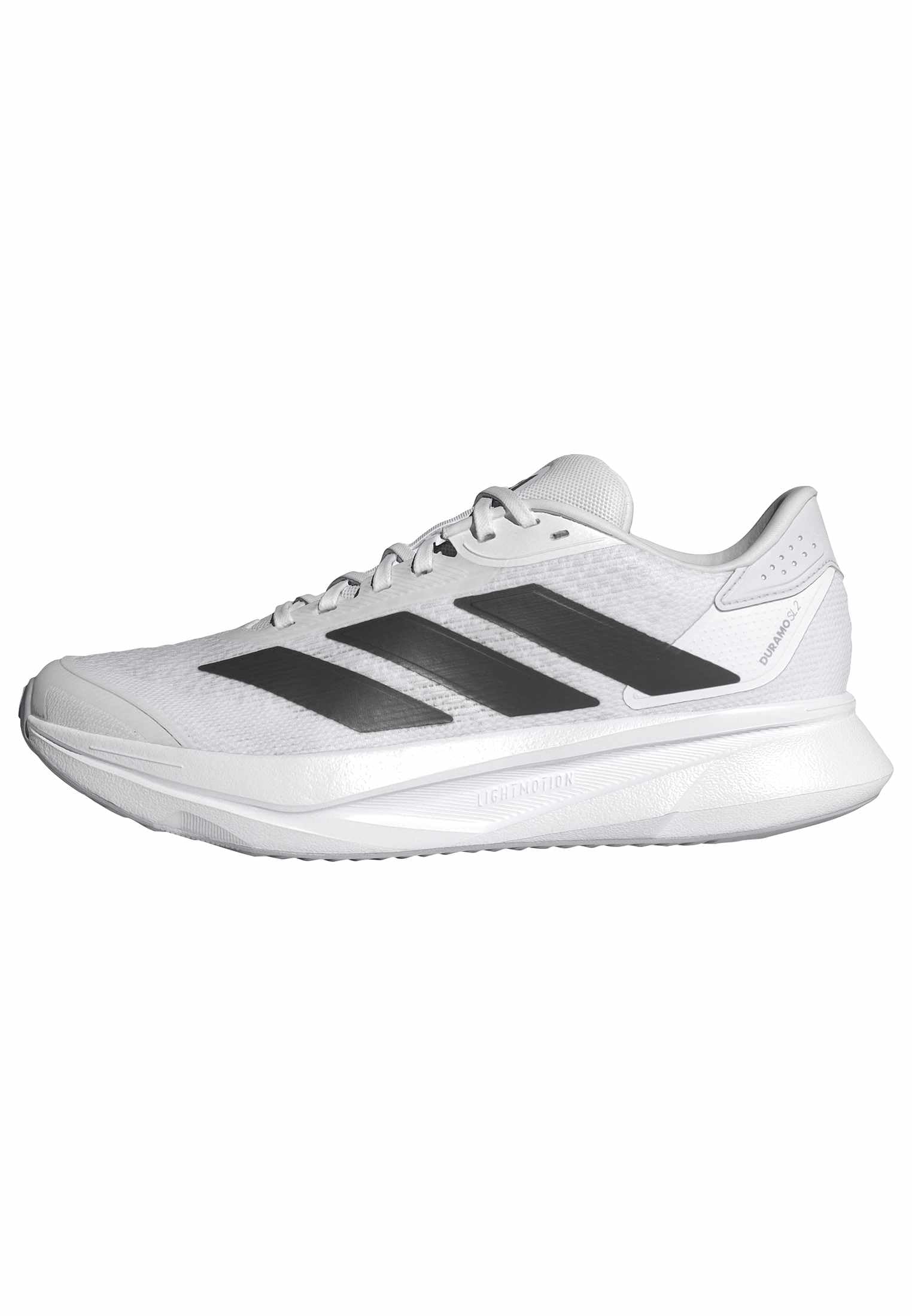
Built for the first-race trainee who wants a light, stable shoe to rack up base miles.
The Duramo Sl 2 aims at women building consistency for a first race, and its core is a Lightmotion midsole — a foam that responds to your stride rather than just absorbing it, giving back a little energy on each push-off. Under that, an Adiwear outsole is the durable rubber layer that grips pavement or track, so it keeps its tread across repeated runs instead of wearing smooth in a few weeks.
A breezy mesh upper keeps the shoe ventilated on warmer runs, and the low weight keeps your legs fresh on longer efforts. Arch support is a genuine strength here and comes up repeatedly. Reviewers dealing with wobbly ankles praise it in particular, because they need the shoe to hold the foot steady. It works just as happily as an all-day shoe as it does on the run.
Two things to weigh. First, sizing: the fit is genuinely split, so some buyers get a perfect match while others find it runs too small. Try your normal athletic size and be ready to size up if your toes feel pinched. Second, durability: quality scores strongly overall, but occasionally a pair develops a hole in the toe or a lifted seam around the two-month mark. One buyer summed up that exact risk by saying they “loved them until at 2 months they got a hole in the toe.” That is a minority outcome, not the rule, but it is the trade-off to accept on a lightweight mesh shoe.
What Beginners Notice: A wide toe box gives cross-country and flat-footed runners room to spread out — that combination of a responsive midsole and a grippy Adiwear outsole is exactly what a first-race training shoe needs.
Plan Around: Size runs small for a share of buyers, and lightweight mesh can wear at the toe over months with heavy mileage.
Best Fit For: Women training for a first race who want a light, stable shoe with strong arch support.
Think Twice If: You log very heavy weekly mileage on hard surfaces and need a shoe built to shrug off months of it.
4. Reebok Energen Run 4 Running Shoes
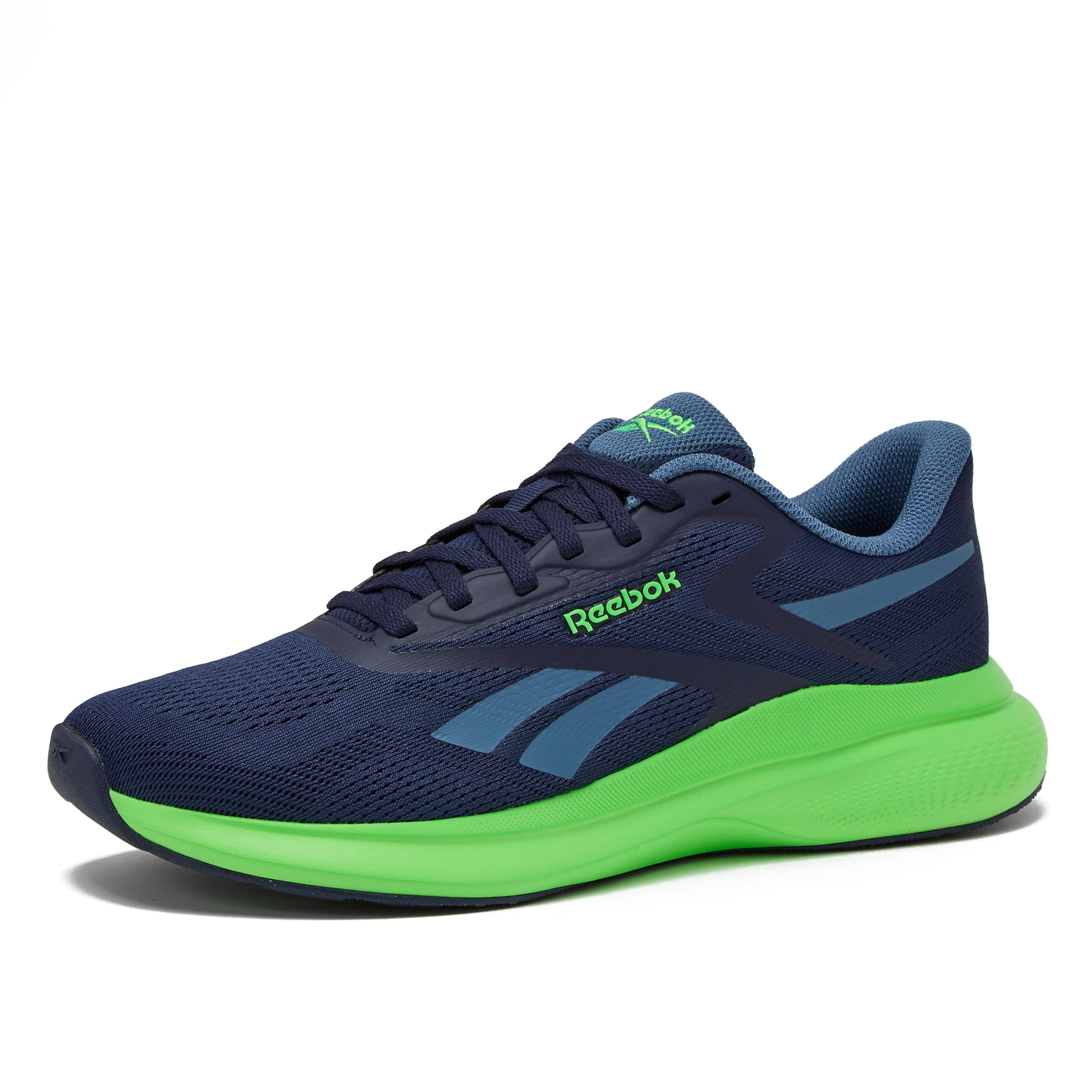
The featherweight of the group — the lightest shoe here by a clear margin.
At 1.87 pounds, this is the lightest shoe on the list. The adidas Response Pace above and the women’s Duramo Sl 2 both come in at 2.43 pounds, so the Energen Run 4 gives back over half a pound of shoe compared to either. That difference shows up on longer walks and runs, when every step counts and tired legs decide when you stop.
The build backs up the low weight. An engineered mesh upper keeps the shoe ultra breathable, so feet stay airy in a gym or on the treadmill. The FuelFoam Plus midsole is a springy, cushioned foam that pushes a little energy back into each stride. The Pulsion foam insole from Insite layers soft support on top, so long workouts stay comfortable. A rubber outsole handles traction on the street, track, or gym floor, and the shoe comes in men’s sizing from 6 to 14 in black, white, navy, or grey.
The catch is fit. The Energen Run 4 runs narrow for some buyers, while others find it true to size — so if you have wide feet, order the wide version instead of hoping the standard width stretches. Cushioning is also divided: it is springy and soft, but a few find it lighter on padding under long miles than a plush daily trainer. One buyer who logs serious daily distance put it simply — “I walk 3 to 5 miles daily” — and found the cushioning held up on those long walks. That tells you where this shoe is at its best.
Weighs Less, Does More: The lightest shoe in this guide at 1.87 pounds, with a breathable engineered mesh upper and a FuelFoam Plus midsole that keeps the ride springy instead of dead.
Watch: Fit runs narrow for a share of buyers — the wide version is the safer pick if your feet are broad.
Grab These If: You want the lightest shoe possible for daily walks, gym sessions, or treadmill running.
Size Smart: Wide-footed buyers should choose the wide option rather than trusting the standard width to loosen up.
5. Under Armour Men’s Charged+ Assert 11 Running Shoes
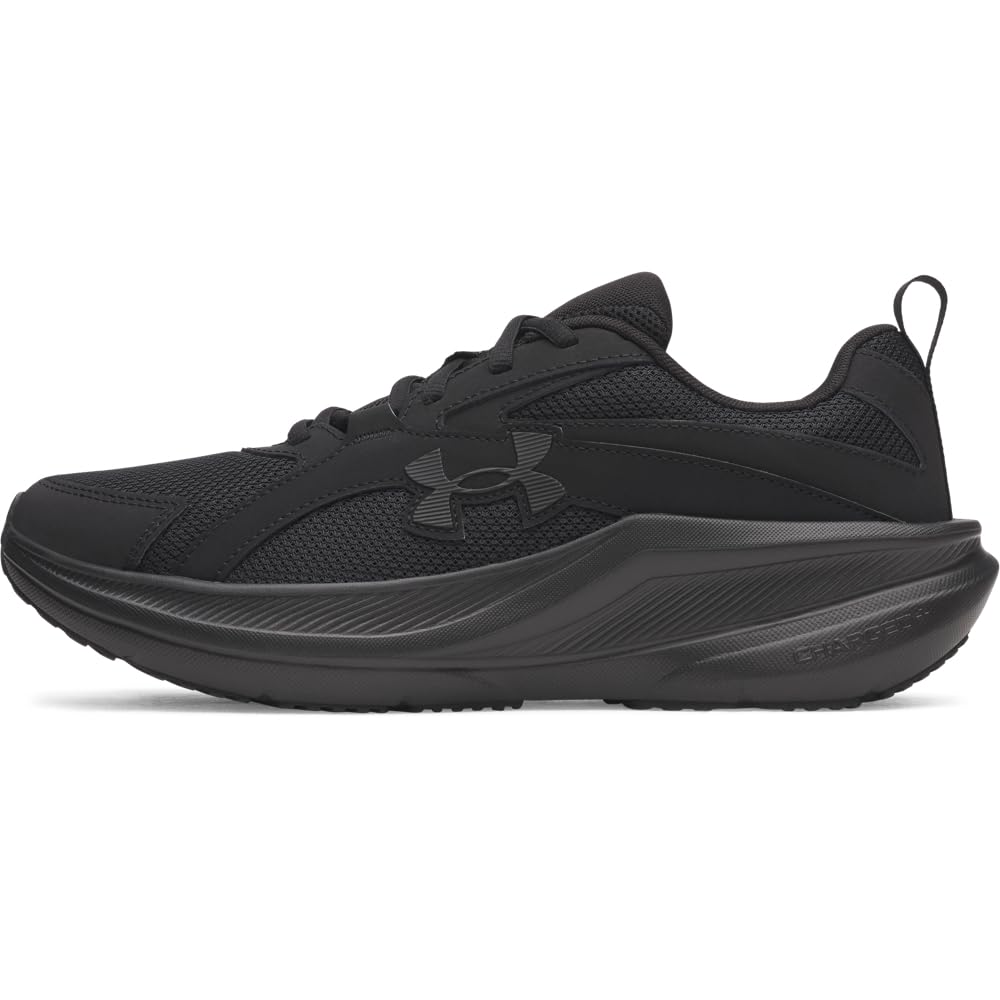
Wide-foot comfort and a soft Charged+ midsole make this the all-rounder for feet that usually feel squeezed.
Wide-footed runners are the ones this shoe most obviously favors. The fit is accommodating, and a Charged+ midsole — a foam tuned for softness — carries you through a full day without your feet going flat. The athletic mesh upper adds leather overlays over the midfoot for structure, so the shoe holds your foot steady instead of letting it slide around.
Weight is stated at 10.2 ounces, and it is a neutral shoe — built for a balance of flexibility and cushioning rather than correcting a foot that rolls inward. Underneath, a durable rubber outsole carries strategically placed flex grooves (shallow channels that let the sole bend) so the shoe flexes at the right point for a natural toe-off. It rolls through each step instead of feeling stiff. The upper is also made with at least 30% recycled content, a detail for buyers who weigh sustainability alongside fit.
Treadmill and indoor work are where this shoe shines, plus wide-fit comfort — it handles long stretches at the gym and on your feet without complaint. Weight is where it gives ground: at 10.2 ounces it is noticeably heavier than the 1.87-pound Reebok, so if you are chasing the lightest shoe for road speed, the Energen Run 4 leads there. For a wide-footed buyer who wants one comfortable shoe for treadmill, gym, and daily wear, though, the trade is a fair one.
Reasons Runners Keep It
- Genuinely wide-foot friendly fit with midfoot support
- Soft Charged+ midsole for all-day comfort
- Flex grooves allow a natural toe-off
- Upper made with at least 30% recycled content
Where It Trades Off
- At 10.2 ounces it is heavier than the lightest shoe here
- Neutral build, so not the pick for feet that need stability
The Everyday Anchor: Wide-footed runners who want one shoe for treadmill, gym, and all-day wear.
Not The Sprint Pick: If you want the lightest possible shoe for fast road miles, the Reebok Energen Run 4 is the lighter choice.
6. adidas Men’s Terrex Tracefinder Trail Running Shoes

The one built for off-road — lugged grip and a reinforced upper for when the pavement runs out.
The Traxion rubber outsole is this shoe’s defining piece, and it carries a lugged tread — raised nubs that bite into loose dirt, grass, and gravel so your foot does not skate on uneven ground. A reinforced upper adds off-road durability, standing up to scuffs against rocks and roots that would chew through a thin road shoe. If your running leaves the sidewalk behind, this is the right tool. Cushioning leans plush and breathable rather than bare ground-feel, so longer off-road efforts stay comfortable.
Buyers put real distance on it. One logged 550 miles across three months on sidewalks, trails, and grass and found the wear minimal, with the tread still holding grip. Several mention it still looks nearly new after weeks of hiking and day trips, which speaks to how the reinforced build holds together.
Two honest caveats. Sizing is the loudest point: plenty of buyers find it true to size, but a real share find it runs small, so ordering a half size up is the common fix, especially with thicker trail socks. Durability and weight are genuinely split too — some call it lightweight and stable, others find it bulky and lighter on long-term toughness than they hoped, and a few mention an occasional squeak. If you want a light, minimal trail shoe, this is not it. If you want grip and cushioning for mixed terrain, it delivers.
Built For Loose Ground: The Traxion lugged outsole and reinforced upper are what make this a genuine trail shoe rather than a road shoe doing trail duty — real grip on dirt and grass, with durability that survives rocks and roots.
Honest Snag: Sizing splits between true-to-size and running small, so a half size up is the safer bet for thicker socks.
Lace Up If: Your runs take you onto trails or mixed terrain and you want grip and cushioning over pavement-first design.
Stay Road-Side If: You want a light, minimal trail shoe — this one carries more bulk and cushioning than that.
7. ASICS Men’s GT-1000 14 Running Shoes
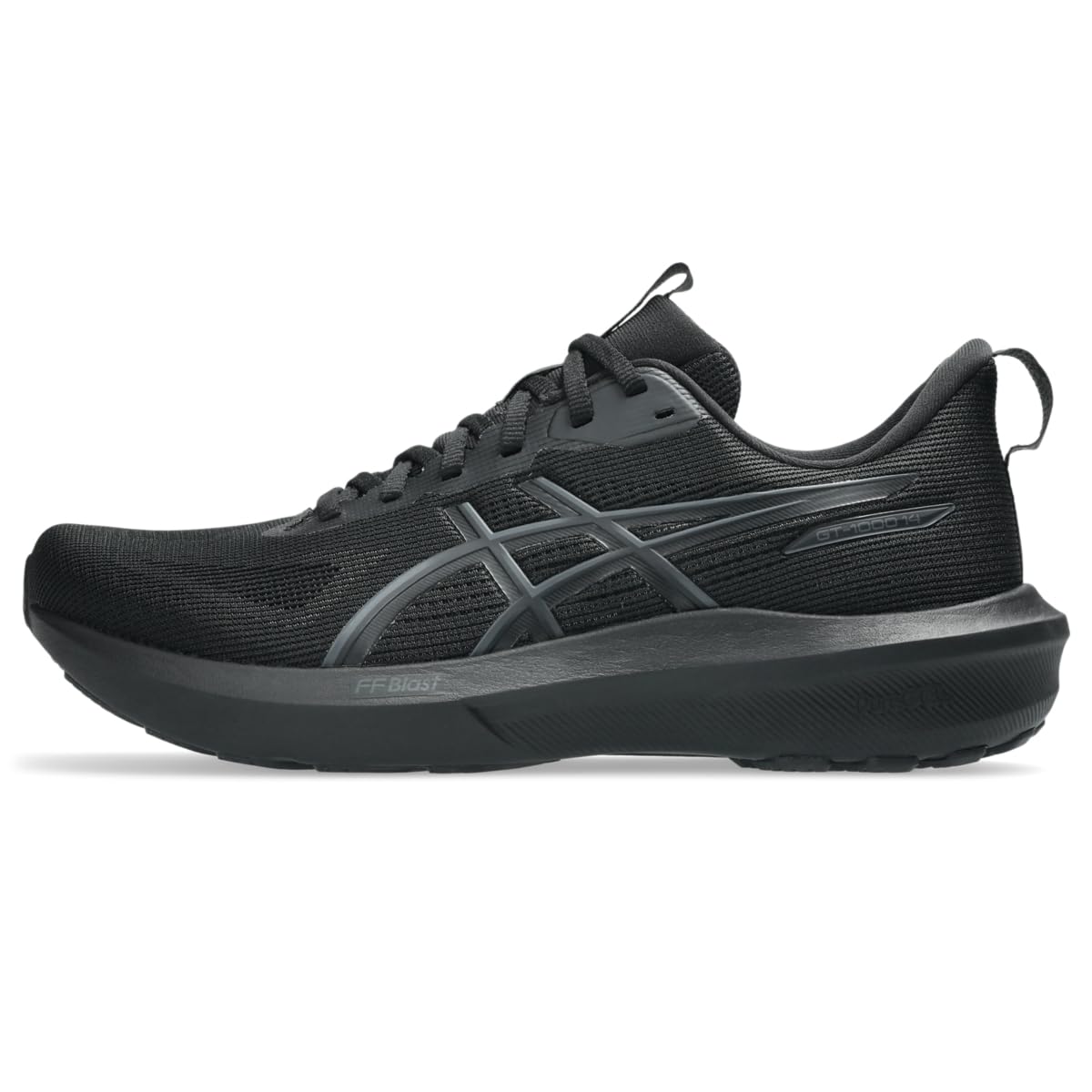
The stability shoe in the lineup — made for feet that roll inward and need to be held straight.
It is built for overpronation — the pattern where a foot rolls inward excessively and needs extra support to stay balanced. That is its whole reason for being, and it is the only stability shoe here. If that is your stride, a neutral shoe like the Launch 11 or Response Pace leaves you to fight the roll yourself. This one actively holds the foot steady through each step.
Cushioning is comfort-focused rather than race-day firm, and the shoe comes in wide sizes — welcome if standard widths pinch you. Flat feet and fallen arches are what it clicks for, and it suits high-mileage mixed training: one owner used it for 25-plus miles a week across concrete, gravel, and trails and found both the sole and the upper durable, with the laces staying tied. Others lean on it for standing all day on the job, which hints at how cushioned and supportive the heel is.
Sizing is the recurring note — like other ASICS models, it tends to run small, so ordering your usual ASICS size (often a half up from your casual size) is the move. It is not the cheapest shoe in this guide, but it is the only one here that directly answers overpronation. That extra spend buys the stability you need, not a fancier upper.
The Stability Case
- Purpose-built support for overpronation and flat feet
- Cushioned sole comfortable enough for all-day standing
- Available in wide sizes
- Holds up across road, gravel, and trail mileage
Points To Note
- Runs small like other ASICS models — size up if between sizes
- Stability build, so overkill if your stride is already neutral
Made For You If: Your feet overpronate or you have flat feet and want cushioned support that steadies the roll.
Skip The Upgrade If: Your stride is neutral — a lighter neutral shoe like the Brooks Launch 11 will serve you better.
Know the Specs
Cushioning And Midsole Foam
The midsole is the layer between your foot and the road, and its foam decides how soft or firm each step feels. Cloudfoam, Charged+, FuelFoam Plus, and Lightmotion are all names for the foam compound a given shoe uses to spread and return impact. Softer foam spares your joints on long runs, but can feel vague and slow on short, fast efforts. Firmer foam feels quicker, but transmits more of the road up your legs. Match the foam’s feel to how you actually run.
Weight In Ounces And Pounds
A shoe’s weight directly affects how fresh your legs stay deep into a run. The lightest pick here is the Reebok Energen Run 4 at 1.87 pounds, while the Response Pace and Duramo Sl 2 both sit at 2.43 pounds. Lighter shoes feel faster and reduce fatigue over distance; heavier shoes tend to pack more cushioning or stability. Neither is better in the abstract — it depends whether you value speed or support more on the days you lace up.
Upper And Breathability
The upper is the fabric shell that wraps your foot. An engineered mesh upper lets air move in and out, keeping feet cool and dry, and many of these shoes use one. A reinforced upper, like the Terrex Tracefinder’s, trades some airflow for toughness against rocks and roots on trails. If you run in heat or sweat heavily, prioritise a breathable mesh. If you run off-road, prioritise durability.
Outsole Grip And Traction
The outsole is the rubber underneath that meets the ground. A full-length rubber outsole grips along the whole foot, a durable rubber compound resists wearing smooth, and a lugged tread — raised nubs — bites into loose surfaces off-road. For the road or treadmill, a smooth rubber outsole is enough. For trails and gravel, you want lugs. Match the tread to your terrain, so you are not paying for grip you will never use.
Common Questions
How do I know if I need a neutral or a stability running shoe?
Do these budget running shoes run true to size?
Can I use a neutral running shoe like the adidas Response Pace for walking?
How much cushioning is enough for long-distance running?
Are wide sizes available in these running shoes?
What is the difference between a trail shoe and a road shoe?
How long should budget running shoes last?
Can I put my own insoles in these running shoes?
Which shoe is the lightest for speed training?
The Bottom Line
For most runners, the budget running shoes under $100 winner is the Brooks Launch 11, because it does the widest range of jobs — a neutral trainer light enough to feel quick at 2 pounds yet cushioned and supportive enough to wear all day. If a soft, joint-friendly ride matters most to you, reach for the adidas Response Pace and its Cloudfoam cushioning. For an off-road grip on trails, the adidas Terrex Tracefinder and its Traxion lugged outsole is the one to grab — and if your feet overpronate, the stability of the ASICS GT-1000 14 is worth the stretch. Whichever way your stride points, one of these seven fits how you actually run and walk.
How we choose
We do not accept paid placement. Every pick is matched to a real buyer and a real use-case; we do not hands-on test units.
Sources
Specifications: manufacturer listings and product documentation. Review insights: verified customer reviews, as of October 2026. Pricing: not shown on this page (it changes often); check the current price via the retailer link.
As an Amazon Associate, Aappliancez earns from qualifying purchases. This does not affect which products we feature.