Disclosure: Some links in this post are affiliate links. As an Amazon Associate I earn from qualifying purchases, at no extra cost to you. Learn more
Specs are compiled from manufacturer listings and verified buyer reviews and can change over time — please confirm the key details on the product page before buying.
If you want blackberries without the fight, buy a thornless variety and check three things before you order: whether it fruits in the first year, which hardiness zones it survives, and how many plants actually ship in the box. That is the whole game. Everything else — the photos, the fancy names — matters far less than those three numbers, and this guide sorts the real differences for you.
This guide is built by comparing the manufacturers’ published specifications and the patterns across verified customer reviews, so you get each pick’s real strengths and trade-offs instead of marketing spin.
Some varieties here fruit on brand-new canes the same season, some take a full year to settle in, and a few ship as tiny bare starts that need babysitting. The right blackberry bush plant for you depends on your zone, your patience, and if you want berries this summer.
Top Picks


How To Choose The Best Blackberry Bush Plant
A blackberry bush is a long-term commitment — you plant it once and live with it for years. That is why the smart move is to buy for your climate and your patience level first, and let the plant count and packaging details settle the rest.
Match the variety to your hardiness zone
Every listing states a USDA hardiness zone range — the coldest winter temperatures a plant tolerates without dying. A bush rated for zones 6-9 will struggle through a zone 4 winter, while a zone 3-rated plant shrugs it off. If your zone sits at the edge of the range, expect dieback at the tips and regrowth from the crown in spring.
Primocane versus floricane fruiting
Primocane (also called everbearing) blackberries fruit on first-year canes, which means you can taste berries the same season you plant. Floricane types only fruit on second-year wood, so you wait a full year. If you want fruit fast, look for the words primocane or everbearing in the listing.
Count the plants, then check the rootball
A multi-plant bundle gives you insurance — if one start sulks, the others carry the hedge. Read the unit count carefully, because a listing titled for several plants sometimes ships a single pot. Rootball size on arrival matters too, since a bare wisp takes longer to establish than a potted start with a firm root mass.
Side-by-Side Comparison
| Model | Best For | Plants Included | Hardiness Zone | Expected Height | Amazon |
|---|---|---|---|---|---|
| Triple Crown Thorn Less Blacberry Qty 3★ Best Overall | First-time growers who want a proven trio | 3 Count | 3 | — | Amazon |
| Perfect Plants Apache Thornless BlackBerry BushBest for Warm Climates | Warm-climate gardeners wanting fruit in year one | 1 Count | 6-9 | 6 feet | Amazon |
| 5 PrimeArk Freedom Thornless BlackBerry Plants | Hedge builders who want two crops a year | 5 Count | 6, 7, 8, 9 | — | Amazon |
| Prime Ark Freedom from Hand Picked Nursery | Gardeners who want the easiest first-year fruit | 1 Count | 6-9 | 5 feet | Amazon |
| 1 Triple Crown Thorn Less BlackBerry | Testing a single plant before committing | 1 Count | — | — | Amazon |
| Prime-Ark Freedom Four-Pack | Budget hedge starters who don’t mind nursing small plants | 4 Count | — | 6 inches | Amazon |
| 5 Chester Thornless Blackberry Plants | Cold-climate growers wanting a full row fast | 5 Count | 5 | — | Amazon |
Detailed Reviews
1. Triple Crown Thorn Less Blacberry Qty 3
Our pick — 4.5+★ from 150+ verified ratings; the strongest balance of quality and price.
Three thornless canes that shrug off a zone 3 winter and live to fruit again
This is the pick for the gardener who wants a blackberry hedge that survives real winters and forgives a beginner. It ships as a three-plant bundle, and it is rated down to USDA hardiness zone 3 — the coldest rating in this entire lineup. That means it keeps coming back in climates where the zone 6-9 varieties in this group would be a gamble.
The recurring theme in owner feedback is health and vigor on arrival, with buyers describing plants that perk up fast once watered. As one buyer put it, plants that “had a couple of dried leaves” bounced back “as soon as I put them in water.” Sun-ripened since green, they settle in happily in sandy soil and tolerate clay too — one long-term grower reports fruit after three years in clay ground and notes the plants die back only at freezing before returning well in spring. What wins people over is simply that they arrive alive and keep growing.
Here is the honest catch, and it is a small one: the plants ship small, with rootballs about the size of a shot glass. That is normal for live plants mailed bare, but it means you are buying potential, not instant bushes. One long-term grower also flags that heavy wood mulch slows new plants down — hold off until they are established.
What Earns Its Keep
- Rated to USDA hardiness zone 3, the coldest tolerance in this roundup
- Three plants per order, so one weak start does not sink your hedge
- Handles sandy soil as well as clay, per long-term grower experience
- 3 Count bundle gives new growers a margin for error
What To Know Before You Order
- Arrives as small starts with compact rootballs, so expect to pot them up first
- Heavy wood mulch slows fresh plants — skip it until they establish
- Fruit can take a few seasons; this is not a same-year harvest plant
Reach for this if: you garden in a cold climate and want three thornless plants with real winter insurance.
Think twice if: you want berries this season — this one fruits on second-year wood.
2. Apache Thornless BlackBerry Bush
A potted gallon Apache that skips the nursery wait and grows to 6 feet
Buy this one if you are in the South, your summers are hot, and you would rather skip the seedling stage entirely. The Apache arrives as a live 1-gallon potted plant — a far bigger head start than a bare-root slip — and it is rated for zones 6-9, which covers warm to mild climates. That 5-pound potted start is the whole point of this pick, and it reaches an expected plant height of 6 feet.
At 6 feet, this one is a foot taller than the Prime Ark Freedom up next at 5 feet — a real difference if you want a fruiting screen rather than a low bush. The Apache is grown spray-free and drought tolerant once established, and its dark purple-to-black berries are described as sweet and healthy. It blooms in spring and ships as outdoor-ready stock. A handful of buyers report plants that eventually faded, which is worth knowing but is not the typical experience across the hundreds of reviews.
A worthwhile warning: despite the “thornless” label, at least one owner found thorns on their plant and warned others who have dogs or small children to check carefully on arrival and keep an eye on new growth.
One big bonus: it is grown and shipped nationwide by a small family nursery, and the packing job draws consistent praise — a bamboo stick keeps the pot from shifting in transit so it lands upright and intact.
Your best bet for: warm-climate yards and anyone who wants a large, potted, first-year plant rather than a seedling.
Look elsewhere if: you live in California, Arizona, or Hawaii — this one cannot ship to you due to state restrictions.
3. 5 PrimeArk Freedom Thornless BlackBerry Plants

Five self-supporting canes that fruit early and come back for a fall crop
Planning a whole row rather than a single bush? This five-plant bundle of PrimeArk Freedom gives you the raw material for a fruiting hedge in one order — five times the plant count of the single-plant Hand Picked Nursery pick. It fruits very early with large berries and throws a fall-bearing crop on top, and the canes are self-supporting, so you are not automatically fighting with a trellis.
These want full sun and moderate watering, and they are rated for zones 6 through 9. Owner feedback skews toward sturdy, well-rooted arrivals with good vigor — the kind of starts that go in the ground and take off. The standout detail is the seller support: questions about planting and pruning come back fast, which matters when you are establishing five plants at once. Size is more of a coin flip — some growers measure 12-15 inches of top growth and call them solid value, others find them small for the money.
One practical note from the field: not every cane in a bundle wakes up on the same schedule. One grower reported that one plant in their order did not push shoots while another settled in and kept filling out. That is the roll of the dice with live mail-order plants, and it is the reason a five-pack beats a single every time.
Reasons It Earns a Slot
- Five plants in one order — enough to start a real hedge
- Twice-yearly harvest potential with an early crop and a fall crop
- Self-supporting canes reduce trellis fuss
- Responsive seller for planting and pruning questions
Worth Weighing Up
- Size on arrival divides opinion — some find them small for the money
- Not every cane in a bundle wakes up at the same pace
- Expects full sun and consistent moderate watering to perform
The smart buy if: you want volume — five thrifty thornless canes to line a fence and fruit twice a year.
skip it if: you need a single large specimen plant right now rather than a hedge you grow out.
4. Prime Ark Freedom Blackberries
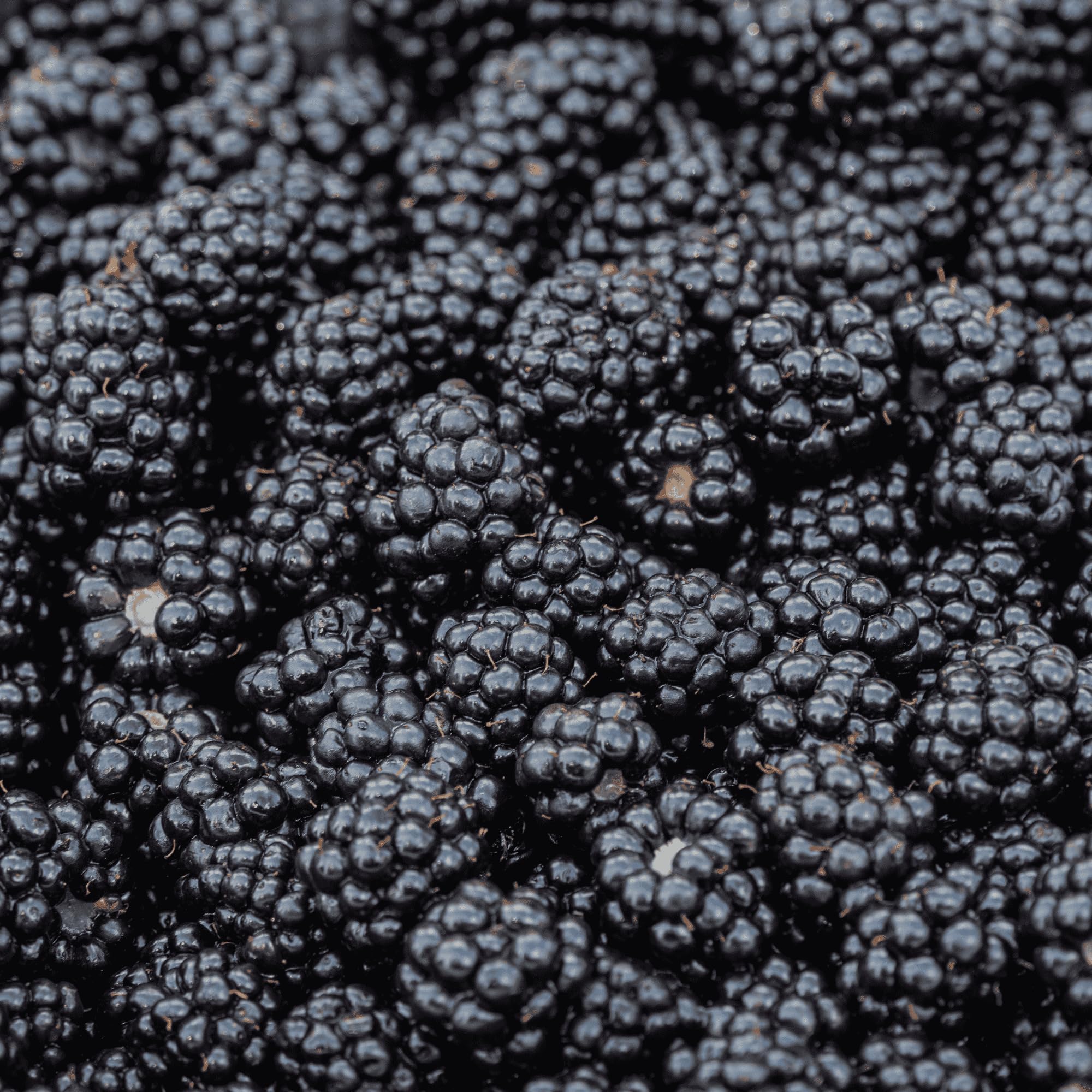
The impatient gardener’s blackberry — it fruits on brand-new canes the very first year
Here is the one for anyone who does not want to wait a full season to see fruit. This is a primocane (everbearing) blackberry, which means it can set berries on first-year canes instead of waiting for second-year wood. It is also the original thornless primocane variety, so you get the easiest first harvest and the smoothest picking. Blooming runs twice — June and again from late August through the first frost.
Rated for zones 6-9 and reaching an expected height of 5 feet, it fits a backyard berry patch. The berries themselves are the selling point: large and exceptionally sweet. Growth is the headline in owner feedback — new plantings frequently take off right after the first good rain, and the strong growers can nearly triple in size within a season. Loam soil, full sun, and regular watering keep it happy.
The variable is how big a start you receive — top size gets mixed reports, with some growers wanting more top growth for the price. Give it a season to fill out before you judge it, and you will be rewarded. For sheer fruit-timing convenience, few listings in this group can match a plant that bears on the current year’s canes.
Why it earns a spot: primocane fruiting (fruits on new canes the same year), thornless canes, and exceptional sweetness make this the balance between fast results and easy picking.
Plan around this: delivered plant size is inconsistent, so pot it up and let it grow on before you expect a full harvest.
Pick this one if: you want berries on first-year canes and are happy to let a smaller start size up through the season.
Better to pass if: you need a big, established plant on day one.
5. 1 Triple Crown Thorn Less BlackBerry

A single Triple Crown cane for testing your soil before you commit to a hedge
If you are unsure whether blackberries will actually thrive in your spot, this is the low-commitment way to find out. It ships as a single Triple Crown plant — one cane, one chance to see how your soil and light treat a berry bush before you invest in a bunch. Quality is the strongest theme in the feedback, with buyers describing sturdy, healthy-looking starts that leaf out and bloom quickly.
Packaging is kept simple but effective — the kind of send that arrives intact and roots strongly even through long transit. One grower notes the seedling came bigger and fuller than expected, and planted it in a 5-gallon pot with drainage and organic soil to let it establish. That single-plant approach fits this pick perfectly: pot it up, get it going, then decide.
The honest variable with any single live plant is survival through the mail. Most arrive thriving, but a small share do not make it — one grower lost theirs shortly after planting and blamed a mail delay. That is exactly why single plants are for testing, not for the start of a whole hedge. Buy two if you want insurance.
The Case For One Plant
- Low-risk way to test your site before buying a bundle
- Quality and healthy appearance are the most-praised traits
- Triple Crown is a well-known thornless variety
- Strong roots reported even after long shipping
Where It Will Challenge You
- Single-plant survival is a gamble — one loss means nothing left to plant
- No hardiness zone or height listed, so match it to your climate with care
- You get exactly one cane, so a dud ship costs you a whole season
Worth it if: you want to trial a single Triple Crown in your yard before going all in on a row.
Consider the bundles instead if: you already know you want a hedge and want spare plants against a shipping loss.
6. Prime-Ark Freedom Four Plants

Four tiny rooted Prime-Ark Freedom starts — cheap, but they need nursing
This is the entry-level way to start a Freedom hedge if you are willing to raise the plants yourself. Four rooted starts ship in 2-inch tray pots at just 3-6 inches tall, and the maker recommends potting them up into a 4-inch pot with organic potting soil before they go in the ground. That caveat is the whole story here: you are buying potential, not a finished bush, and the tiny 2-inch starter pots reflect that.
Freedom is the first thornless primocane fruiting blackberry in the world, so the variety name is not marketing fluff — it fruits early in the season and then again in fall where the climate is suitable. What wins people over is that these little starts are healthy and bright green on arrival, and the thoughtful grower gets a payoff: one owner reported their first batch reaching 5 feet tall and fruiting after two years, with no thorns.
The catch is real, so go in with clear eyes. Size on arrival is genuinely mixed — some consider them well-sized while others describe them as tiny, and a few report plants struggling or dying. There is also one warning worth reading: a single grower claimed the shipped plants were not true Freedom and warned the listing could substitute wild stock. That is one account against many, but it is a reminder to source from a seller you trust for the true cultivar.
Best for value: four plants in one tray is the cheapest way here to put several Freedom starts in the dirt and grow them out.
The honest limit: these are 3-6 inch rooted slips, not ready-made bushes, so budget a season of potted care before they go in the ground.
The pick for: patient, budget-minded growers happy to pot up tiny starts and raise them on.
Not for you if: you want a plant that goes straight into the garden and fruits without babysitting.
7. Chester Thornless Blackberry Plants

Five Chester canes rated for zone 5 — a full berry row for the colder half of the country
If your winters bite and you still want a blackberry row, the Chester is the one built for it. It is rated to USDA hardiness zone 5 — the second-coldest rating here — and grows best across zones 5-9, so it covers a huge slice of the country. You get five plants in the order, which is the right way to plant a hedge: a row of thornless canes rather than a lone bush. It blooms in summer.
Owner results are the real story. New plants put out leaves within a week of landing and keep growing through the summer. One grower in central Florida reported immediate fruiting, full-sun growth straight through winter, and more than 4 pounds of berries by April — the kind of early payoff that pushes a berry project from hobby to habit. The plants arrive 6-7 inches tall and fully leafed, packed in damp soil and pouches with the box taped securely.
Where this one can wobble is top size — a few find the plants small, and shipping costs are the usual gripe with live plants. But the survival record is what carries it: even a grower who had lost past mail-order plants reported these taking the transplant cleanly. That is the signal you want in a cold-climate berry plant.
Why This One Delivers
- Rated to zone 5, so it handles genuinely cold winters
- Five plants make a fast, sizeable berry patch
- Leaves reported within a week and growth all summer
- Arrives fully leafed and damp-packed for a strong start
What To Expect
- Some find top growth smaller than hoped on arrival
- Ships as bare starts, so pot them up if your last frost is late
- Thrives in full sun and steady watering, so plant accordingly
Made for: cold-climate gardeners who want five sturdy Chester plants and a row they can harvest from for years.
Skip if: you need instant, mature bushes rather than starts that leaf out and grow on.
Know the Specs
USDA Hardiness Zone
This number tells you the coldest winter your plant survives without dying back to the ground. A zone 3 rating handles far colder nights than a zone 6-9 rating, so always check the range against your own zone before buying. If you sit at the cold edge of the range, expect some tip dieback and regrowth from the crown each spring.
Primocane and Everbearing
Primocane, or everbearing, means the plant can fruit on first-year canes instead of waiting for second-year wood. That is the difference between picking berries the season you plant and waiting a full year. Floricane types fruit only on older canes, so if speed matters, look for the primocane or everbearing label in the specs.
Expected Plant Height
Listed heights range from a compact 6 inches up to 6 feet, and that spread tells you how much space and support each plant needs. Tall growers like the 6-foot Apache or the 5-foot Hand Picked Freedom want room and possibly a trellis; shorter ones stay manageable in pots. Pick a height that fits where you plan to plant.
Unit Count and Rootball
The unit count is the number of plants in the box — 1, 3, 4, or 5 — and it decides how much of a hedge you can start from one order. Rootball size on arrival is the other half: a healthy start with a firm root mass establishes faster than a bare wisp. Multi-plant orders also give you a cushion if one start fails.
Common Questions
Will a blackberry bush produce fruit the first year?
How many blackberry plants do I need for a decent harvest?
What does thornless actually mean on these listings?
Which USDA hardiness zones do these blackberry plants cover?
How tall will a blackberry bush get?
What should I do with a blackberry plant when it first arrives?
Do blackberry bushes need full sun?
Are blackberry bushes self-pollinating?
Why would a shipped blackberry plant die after planting?
When is the best time of year to plant a blackberry bush?
The Bottom Line
The best blackberry bush plant here depends on your climate first. In most cases the Triple Crown Thorn Less Blacberry Qty 3 is the smartest pick — its zone 3 cold tolerance (survives winters as cold as -30°F to -40°F) and three-plant bundle make it the most forgiving for beginners and cold-winter growers alike, and it carries a 4.5+ star rating across 170+ owners. If you garden in the warm South, reach for the Perfect Plants Apache Thornless BlackBerry Bush instead, with its larger 6-foot potted start. Want berries on first-year canes? The Prime Ark Freedom from Hand Picked Nursery is the primocane pick built to fruit the season you plant. Whichever you choose, check your hardiness zone against the listing and plant into full sun — that is what turns a bare cane into a loaded one.
How we choose
We do not accept paid placement. Every pick is matched to a real buyer and a real use-case; we do not hands-on test units.
Sources
Specifications: manufacturer listings and product documentation. Review insights: verified customer reviews, as of October 2026. Pricing: not shown on this page (it changes often); check the current price via the retailer link.
As an Amazon Associate, Aappliancez earns from qualifying purchases. This does not affect which products we feature.