Disclosure: Some links in this post are affiliate links. As an Amazon Associate I earn from qualifying purchases, at no extra cost to you. Learn more
Specs are compiled from manufacturer listings and verified buyer reviews and can change over time — please confirm the key details on the product page before buying.
Here is the short answer: if you want fruit fast, buy a primocane (first-year cane) variety that berries on new growth, not a plant you babysit for two seasons before the first harvest. The picks below all ship as live plants or bareroot starts, and the difference between a good buy and a frustrating one is almost always this — whether the variety fruits on canes it grows this year. A primocane variety is the only way to pick berries in the same season you plant.
This guide is built by comparing the manufacturers’ published specifications and the patterns across verified customer reviews, so you get each pick’s real strengths and trade-offs instead of marketing spin.
Every pick below is ranked by whether it fruits on first-year canes, so you can match a black raspberry plant to your zone and harvest window.
Top Picks
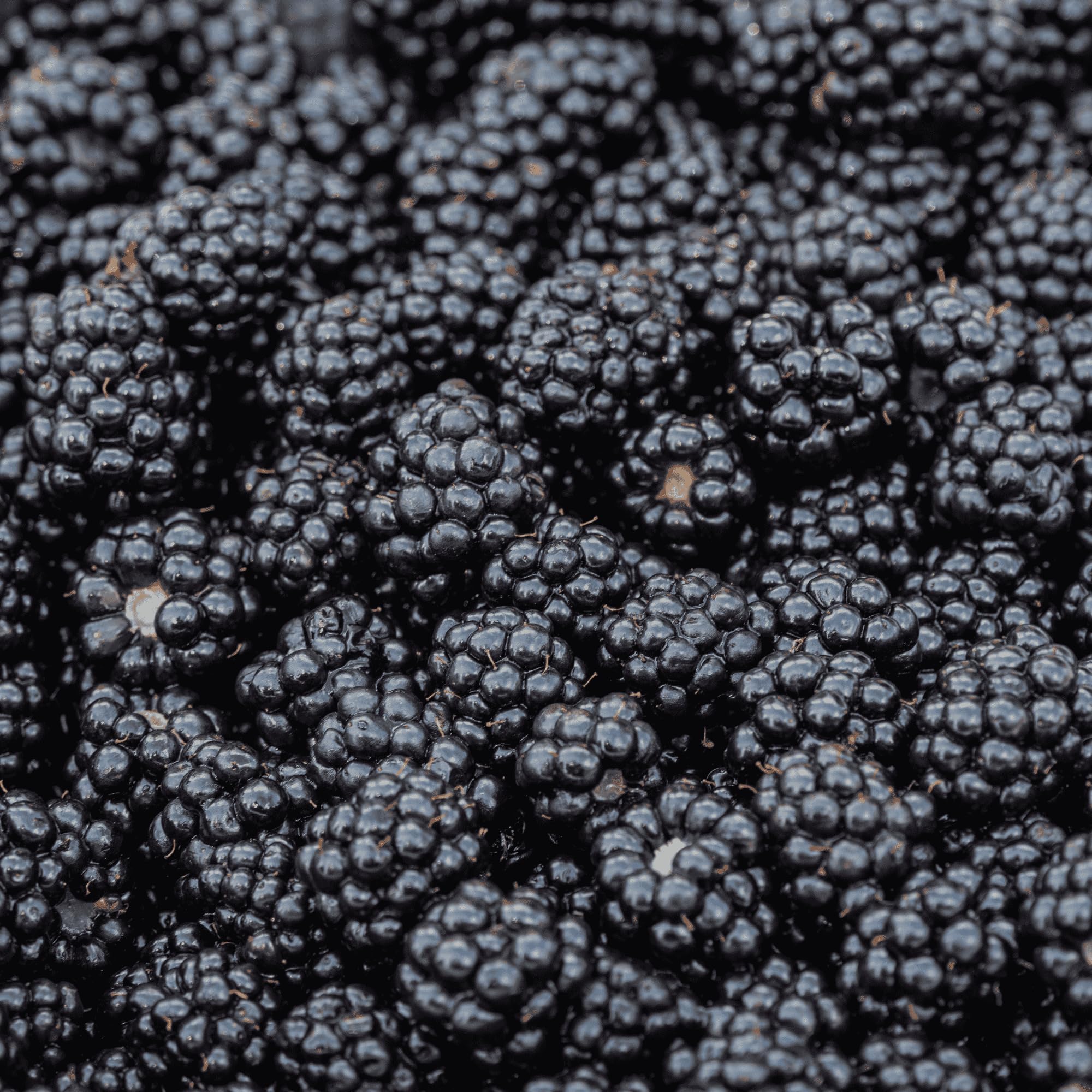

How To Choose Black Raspberry Plants
A black raspberry is not a blackberry, and the two get mixed up constantly in listings. Black raspberries (often sold as “black caps”) carry a hollow core when you pick them and ripen earlier; blackberries stay solid when picked. Knowing which one you ordered matters, because the care is slightly different. Here is what actually decides whether your plant thrives.
Primocane Versus Floricane Fruiting
A primocane variety fruits on the canes it grows this same year, which is why it can hand you berries within the first season. A floricane variety fruits only on second-year wood, so you plant it and wait. For a first-season harvest, choose a primocane variety over a floricane one. If you are happy to build a patch over two seasons, either works. The word “everbearing” means the plant can fruit twice in a year — often in June and again from late August until frost.
Check Your USDA Hardiness Zone First
Hardiness zones are a map of how cold your winters get, and a plant rated for a zone above yours may not survive the cold. Match the plant’s listed zone range to where you garden before anything else. A plant outside its zone is the most common reason a healthy arrival fails by spring. Sunlight matters just as much — these are full-sun plants that want a spot that dries out, not a soggy corner.
Bareroot, Plug, or Potted
A bareroot plant ships with its roots bare and dormant, with no soil ball; a plug is a rooted start already in a little growing medium. Both are normal ways to ship live fruit plants, and both arrive looking small. Bareroot needs soaking and prompt planting; a plug in moist soil can go in almost right away. Judge the roots and the green wood, not the height of the plant.
Soil, Drainage, and Water
Black raspberries want well-draining soil with regular water and full sun. Standing water kills roots faster than dry weather ever will. Loam or sandy soil both work as long as it drains, and a raised bed is an easy fix if your ground is heavy. Water consistently the first season rather than soaking once and forgetting.
Side-by-Side Comparison
| Model | Best For | Hardiness Zone | Fruiting Style | Unit Count | Amazon |
|---|---|---|---|---|---|
| Prime Ark Freedom Blackberries★ Best Overall | Fast first-year fruit | 6-9 | Everbearing primocane | 1 Count | Amazon |
| ‘Tahi’ Black Raspberry PlantDeepest Color | Deepest black color | — | Bareroot plug | 1 Count | Amazon |
| 1 Jewel – Everbearing | Single-plant starters | 5, 6, 7, 8 | Everbearing | 1 Count | Amazon |
| 2 Jewel – Everbearing | Two-plant head start | 5, 6, 7, 8 | Everbearing, thornless | 2 Count | Amazon |
| Green Promise Farms Rubus ‘Jewel’ | Potted, rooted shrub | 4-8 | Early summer fruiting | 1 Count | Amazon |
Detailed Reviews
1. Prime Ark Freedom Blackberries – Thornless Primocane
Our pick — 4.5+★ from 100+ verified ratings; the strongest balance of quality and price.
The one that berries on canes it grew this same year.
Prime Ark Freedom earns the top spot on one fact alone: it was the first thornless primocane blackberry variety, which means it can fruit on the first-year canes rather than making you wait for second-year wood. In practice, that removes the dead season most berry planters endure. It is rated for USDA zones 6-9, so it suits a wide stretch of the country, and it asks for full sun and regular watering like most fruit plants.
It is thornless and everbearing, with a second fruiting window that runs from late August through the first frost, on top of the June set. Buyers describe the plants as beautiful and healthy, and the recurring story is growth that starts almost immediately — several plants tripling in size. Stems arrive strong with developed roots, and the plants adapt quickly once in the ground. Expect a mature height of around 5 feet, which is a manageable size for a home fence line or a raised bed.
Size is the honest variable here. The plants ship smaller than the photos suggest, and while many take right off, a 4-star review flagged that its plant grew well but produced no berries its first year. That is the trade-off of a live plant: the primocane habit is bred in, but the first harvest depends on weather and care. Plant early, give it full sun, and the odds swing your way. What wins people over is the health of the stock on arrival, followed closely by how fast it starts growing.
Where it shines
- Thornless canes make picking an easy, bare-handed job.
- Primocane habit can fruit on first-year wood — no second-year wait.
- Everbearing, with a June set and a late-summer run to first frost.
- Rated for USDA zones 6-9, so it fits a wide range of gardens.
The honest limits
- Ships as a small start, smaller than listing photos imply.
- First-year fruit is not guaranteed on every plant.
- Needs full sun and regular watering to size up.
Grab this if: you want fruit in the first season and hate thorns. It is the only pick here rated to fruit on first-year canes in zones 6-9.
Hold off if: you need a guaranteed harvest on day one — a live plant’s timing depends on the weather and your care.
2. ‘Tahi’ Black Raspberry Plant – Thornless Bareroot
Named for the deep, dark hue of the berry it grows.
The Tahi is a true black raspberry, and its defining trait is a rich, deep black hue, which is exactly the color a berry grower covets. It arrives as a plug bareroot — roots shipped bare, no soil ball — and it is GMO free. It is a single thornless plant that wants full sun and outdoor placement. The company behind it is the same nursery that sells the top pick in this list, so you are dealing with a grower with a track record across multiple varieties.
What buyers praise most is how the plants look and grow: healthy, gorgeous plants that thrive on arrival, with one long-time customer of the nursery saying it “has never been disappointed.” A few note the starts look small and a little thrashed on delivery but perk right up once they hit the ground — that is the normal bareroot story (bare roots ship dormant, with no soil around them). The recurring gripe is plant health on arrival: some plants arrive sickly and yellow, and a cold snap or an off batch can leave a plant dead within days. That is the mixed variable here, and it is worth planning around.
There is a practical detail worth knowing: some bundles arrive as five plants per pack, with a card inside that carries a discount code, nursery info, and planting instructions. So the count in the listing is the bundle, not always a single stick. Care matters too — the plant dislikes hot weather and wants a soil pH in the 5.5 to 7.5 range. A 5-star reviewer simply wrote, “I am excited about it.”
What earns the spot: deep black color and a GMO free, thornless plant from a nursery with a following. The quality and appearance of the stock is the strongest part of the story.
The recurring risk: plant health on arrival is the one thing that goes both ways — a sickly, yellow-leaved plant is the failure case. So open the box and inspect the same day, and plant into soil in the right pH window (the acidity range the plant needs to feed properly).
Reach for this if: the deep, dark berry color is the point for you and you are comfortable bringing a bareroot start back to life.
Look elsewhere if: you want a plant already rooted in soil — this is a bare-root bundle that needs immediate planting.
3. 1 Jewel Black Raspberry Plant – Everbearing

One sweet, high-yielding Jewel cane, ready for fall planting.
This is the single-plant version of the Jewel everbearing black raspberry, and its headline is two words: sweet and high-yielding. It is grown naturally and ships ready for fall planting, with a bloom period that runs into winter and hardiness across zones 5, 6, 7, and 8. If you garden in a cooler climate and want one plant to try, this is the low-risk entry point.
The pattern in the reviews is sprouting, and fast — two starter bushes arrived well-packaged in moist soil and both sprouted within 3 days. One grower kept theirs on a screened porch in about 2 hours of direct sun, watered daily, then moved it to a raised bed. It survived cold nights in the 40s with coconut fiber insulation and flourished by three weeks. Another planted toward the end of summer and reported it “growing like crazy.”
A Southern California inland grower learned that a large pot and partial sunlight through summer is the trick, avoiding intense full south-western sun. That is a useful caution: full sun is the recommendation, but new starts in hot climates do better with some afternoon protection. One buyer did expect a leafy plant and got a bare root instead — read the listing carefully so you know what a root start looks like when the box opens.
Why it works: one sweet, high-yielding Jewel plant for a fall planting window, with sprouting that shows up within days and hardiness to zone 5 for cold gardens.
Read before you buy: it ships as a root start rather than a leafy bush, and hot-climate growers should shield new plants from the strongest afternoon sun.
Suits you if: you want a single plant to test the waters, or you are preparing a fall planting in a cool-climate garden.
Think twice if: you expect a potted, leafy bush on arrival — this is a bare root meant for the ground.
4. 2 Jewel Black Raspberry Plants – Everbearing

Two mature Jewel plants meant to fruit this very season.
Buy two plants in one box and you double your odds and your harvest potential at once. These are described as 2-year-old plants that should start producing this season, and they are thornless, high-yielding, and natural grown, with big, delicious berries billed as high in antioxidants. Hardiness covers zones 5 through 8 and they want full sun and regular watering. Instructions ship in the box, which matters for a first-time grower.
Where this one really earns attention is growth. Reviewers talk about plants that start spindly and pale, even rootbound with shipping damage, and then outgrow larger plants they bought elsewhere. One buyer called them the fastest, healthiest berry plants they had bought, despite a rough-looking arrival. Another reported solid, moist root plugs and foliage arriving undamaged. The thornless trait shows up as a small point of friction in the reviews, so do not be surprised if an odd cane carries a spine or two.
The catch is size and durability. Some plants arrive tiny — one buyer called them “ridiculously tiny for the price” before they took off and grew. Others note a plant dying within a week, which is why this plant is a fit for a gardener who will watch and water rather than plant and forget. The comparison to a single-plant listing is worth holding in mind: this box holds two plants, while the single Jewel ships as one.
The strongest case: a two-plant thornless Jewel pair aged two years and built to produce this season, with growth that routinely surprises people who had written off a scruffy arrival.
Plan for this: a plant can arrive tiny and needs a careful first week — steady water and full sun — or durability becomes the weak link.
Pick this if: you want two thornless plants working for you at once and you will tend them through the first critical week.
Leave it if: you cannot check on new plants daily — this pair rewards a hands-on gardener.
5. Green Promise Farms Rubus ‘Jewel’ Black Raspberry

The one that ships rooted in soil, ready to go in the ground.
If you want a plant you can put straight in the dirt, this is the one that arrives rooted. Green Promise Farms sells the Rubus ‘Jewel’ as an edible shrub already established in soil, so once weather permits you can plant it on delivery day. It is rated for zones 4-8, reaches a mature height of 4-6 feet with a spread of 4-6 feet, and produces large clusters of black, heart-shaped berries usually ready from late spring to early summer.
It carries a real edge on resilience — this variety is more disease-resistant than other black raspberries, which lowers the odds of a mid-season setback. It is dormant from late fall through winter, with no leaves, and that is normal; it leafs out again in spring. Planting and care instructions ship with it, and it prefers moderate watering in sandy soil. That rooted start is the biggest reason to pick it over a bareroot listing, especially if you are new to fruit plants.
Honest note: this listing is very new, with only a handful of reviews to go on, so there is no large field of owner experience behind it. The single review on record is a 1-star account of two plants arriving nearly dead — one tiny, one dead within a month. That is not a pattern, it is one order, and the disease resistance and rooted delivery are genuine selling points. Read the listing so you know the exact container size you are choosing.
What you get: a fully rooted Jewel shrub in soil, zones 4-8, capable of large, heart-shaped fruit and tougher than most black raspberries against disease.
What to know: the listing carries very little review history, so treat the rooted delivery as the main reason to pick it and inspect your plant on arrival.
Best for: the gardener who wants a plant already in soil and can put it in the ground the same week it lands.
Not for: the buyer who needs a proven track record before they commit.
Know the Specs
Primocane and Everbearing Fruiting
A primocane is a first-year cane, and a primocane variety can form fruit on that new growth within the same season. “Everbearing” means the plant can fruit more than once a year, often a June crop plus a fall crop that runs to first frost. For you, that means less waiting and more harvest windows per season. Floricane types fruit on second-year wood only and skip the first season entirely.
USDA Hardiness Zones
Hardiness zones map how cold the coldest nights get where you live, and a plant is rated for the zones it can survive. Match the listed range to your own zone before you buy. A plant rated above your zone may not survive winter; one rated well below it may struggle in summer heat. The Prime Ark Freedom is rated 6-9, both Jewel listings 5-8, and the Green Promise Farms Rubus is rated 4-8, so each one tells you its winter tolerance in one small number range.
Bareroot, Plug, and Rooted Soil
A bareroot plant ships with bare roots and no soil ball and needs soaking and quick planting. A plug is a rooted start already in growing medium. A plant rooted in soil can go in the ground almost at once. All three arrive looking small, so judge the roots and green wood instead of height. Potted and rooted options cost more effort to ship, which is why they often come at a slightly different tier.
Sun, Soil, and Water
Black raspberries want full sun and soil that drains well, with regular water through the first season. Loam and sandy soil both work as long as water moves through rather than pooling. In hot inland climates, new plants often do better with partial sun or afternoon shade until established. A raised bed is the simplest fix for heavy or poorly draining ground.
Common Questions
Will black raspberry plants grow in my climate?
What does primocane mean for a blackberry or black raspberry plant?
Will the plants arrive looking as big as the photos?
How fast will I get berries after planting?
Should I buy one plant or two?
Why is my bareroot plant bare and dormant when it arrives?
What pH and soil should I plant them in?
Why do some black raspberry plants arrive sickly or not leaf out?
What is the difference between the single and two-plant Jewel listings?
Are these plants thornless?
The Bottom Line
If you want berries in the first season and hate thorns, the Prime Ark Freedom is the pick to beat — it is the first thornless primocane blackberry variety and rated for zones 6-9. Prefer a true black raspberry with a deep color? The ‘Tahi’ brings the dark hue but is a bareroot start you nurse along. For a two-plant head start that should produce this season, the 2 Jewel pair is the honest choice. Match the listed zone range to your garden and the fruiting habit to how long you will wait, then plant in full sun with steady water.
How we choose
We do not accept paid placement. Every pick is matched to a real buyer and a real use-case; we do not hands-on test units.
Sources
Specifications: manufacturer listings and product documentation. Review insights: verified customer reviews, as of October 2026. Pricing: not shown on this page (it changes often); check the current price via the retailer link.
As an Amazon Associate, Aappliancez earns from qualifying purchases. This does not affect which products we feature.