Disclosure: Some links in this post are affiliate links. As an Amazon Associate I earn from qualifying purchases, at no extra cost to you. Learn more
Specs are compiled from manufacturer listings and verified buyer reviews and can change over time — please confirm the key details on the product page before buying.
Here is the quick answer: a biometric tracker is only worth wearing if the numbers it shows you are true. A wrist sensor that lags behind your actual effort, a step count that climbs while you sit and type, a battery that dies mid-run — those three things quietly turn a tracker into a drawer ornament. So the right pick depends far less on the screen and far more on how the device measures you and how long it keeps running without a charger.
This guide is built by comparing the manufacturers’ published specifications and the patterns across verified customer reviews, so you get each pick’s real strengths and trade-offs instead of marketing spin.
Below you will see which tracker suits a runner chasing heart-rate precision, which suits someone who just wants step and sleep data without a charging ritual, and where each one honestly falls short. Everything depends on one question: which biometric tracker will you still be wearing three months from now?
Top Picks

How To Choose The Best Biometric Tracker
The mistake most first-time buyers make is shopping by screen size and watch faces. The measurements are the product. A biometric tracker’s whole job is to convert your body into numbers you can act on, so the sensor method, the tracking depth and the runtime matter more than anything cosmetic.
Chest strap or wrist sensor
A chest strap reads the electrical signal of your heart directly against your ribcage, so it holds steady when your arms swing or your wrists get sweaty. A wrist optical tracker shines light through your skin to watch blood flow, which is convenient but can drift during fast changes in effort. If you train in intervals and want the number to be right at the moment it spikes, a strap wins.
Read the battery claim as a range, not a promise
Every runtime figure on a box assumes certain settings. Turning on 24/7 heart rate, always-on display or GPS pulls that number down, so expect the low end when you use the tracker the way you actually bought it for. A band rated for three weeks can still land near a week with everything switched on.
What the app gives back
Raw heart rate is useless without somewhere to read it. Check whether the companion app shows sleep stages, resting heart rate and workout history without a paid tier, and whether it sends data to the health platform you already use. A tracker locked out of your phone’s main health app becomes a second place to check instead of your only one.
Side-by-Side Comparison
| Model | Best For | Battery Life | Form | Water Resistance | Amazon |
|---|---|---|---|---|---|
| Garmin HRM 600★ Best Overall | Interval training and running form data | Up to 2 months | Chest strap | Pool swims | Amazon |
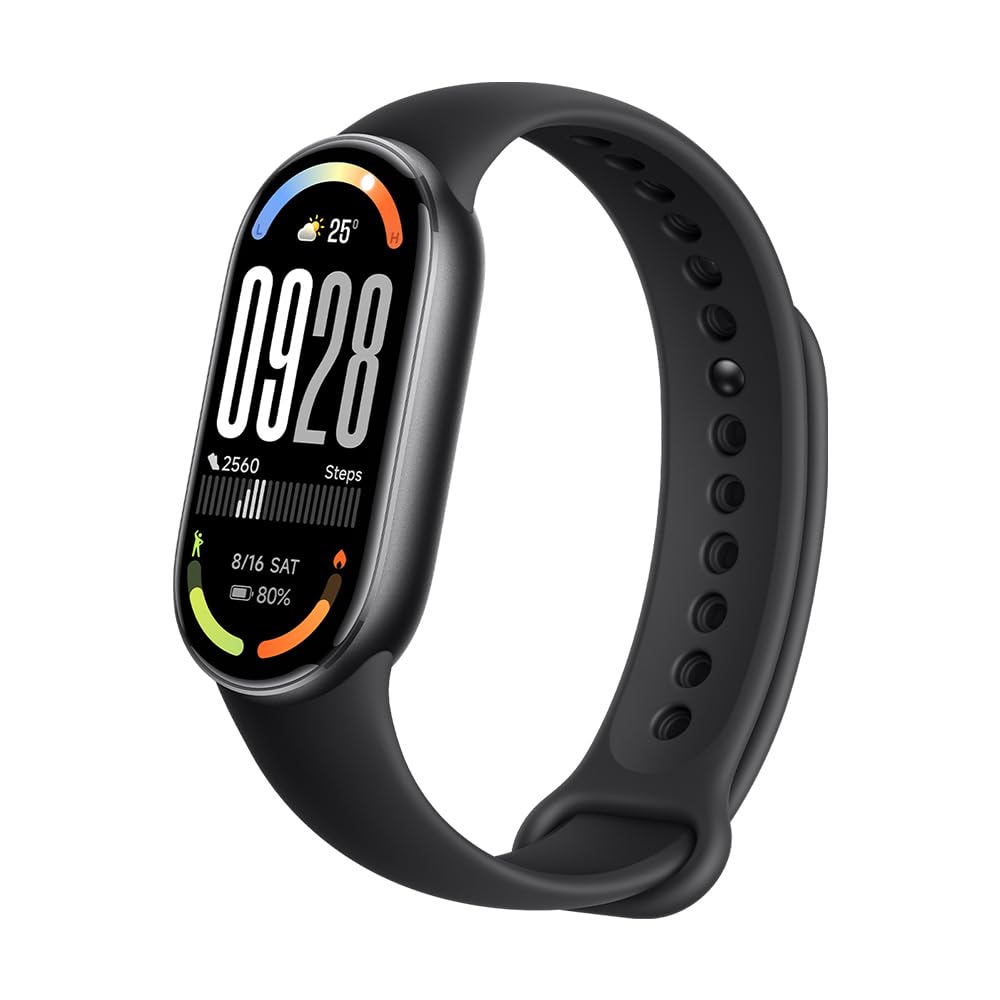
| Xiaomi Mi Smart Band 10Best Battery | Longest runtime for the money | 21 days | Wrist band | — | Amazon |
| MorePro Health Fitness Tracker for Men | Budget everyday wellness and calls | Up to 7 days | Wrist watch | IP67 | Amazon |
| Google Fitbit Inspire 3 | Sleep and stress insight | 10 days | Wrist band | — | Amazon |
| Google Fitbit Charge 6 | Built-in GPS without a phone | 7 days | Wrist band | — | Amazon |
Detailed Reviews
1. Garmin HRM 600
Our pick — 4.5+★ from 1,000+ verified ratings; the strongest balance of quality and price.
A chest strap that reports your heart’s electrical signal itself, not a light guess through your wrist.
If your training lives in hard intervals and you are tired of a wrist reading that catches up to you five seconds late, this is the one. The HRM 600 clips a sensor pod onto an adjustable strap across your ribcage and streams heart rate and HRV (heart rate variability, the timing gaps between beats that hint at recovery) straight to a compatible Garmin watch or cycling computer. At 2.2 ounces it disappears under a shirt once the strap is wet and settled.
The runtime is the headline. Garmin rates it at up to 2 months on a rechargeable battery, and the verified comparison data here puts that against the MorePro’s 7 days — a 3.0x gap, so you can genuinely forget where the charging cable went. It also records workouts on its own when you cannot wear a watch, such as team sports, then syncs heart rate, calories, speed and distance to the Garmin Connect app afterward. Pool swimmers get heart rate stored during the swim and pushed to the watch once the workout saves.
What wins people over is the build and the numbers. The strap is machine-washable, the sensor pod snaps off so you can replace the strap alone, and the machine reads within a beat of professional gym equipment for people who check. Buyers report “nearly 3 months at 10+ hours/week and battery at 39%,” well past Garmin’s 2-month rating. The honest catch is that this is a strap, not a full tracker — it has no GPS, so route and pace still need a watch, and the sizing chart confuses people, with a 33-inch chest landing in the M–XL band. Bluetooth pairing occasionally needs a watch restart to reconnect.
What earns its keep
- Heart rate and HRV sent live to Garmin watches and bike computers.
- Running dynamics including stride length, vertical oscillation and ground contact time balance, for form work.
- Up to 2 months per charge on a rechargeable cell instead of coin batteries.
- Machine-washable strap with a snap-off pod you can replace separately.
Where it asks patience
- No GPS inside, so distance and route still come from a paired watch.
- The size chart is confusing; a 33-inch chest fits the M–XL strap.
- Extra running metrics need a compatible recent watch to display.
Made for: the runner or cyclist already inside the Garmin ecosystem who wants the heart-rate number to be right the instant it changes.
Look elsewhere if: you want step counts and phone notifications on your wrist — this device measures your chest and nothing else.
2. Xiaomi Mi Smart Band 10 (2025) Global Version
Three weeks between charges, on a screen bright enough to read under direct sun.
Most wrist trackers ask for a charger roughly as often as your phone does. This one is rated for 21 days on a single charge from its 200 mAh lithium-polymer cell, and when it does run down, an hour brings it back to full. That changes the habit entirely — you stop planning around the battery and just wear the band.
The display is where the money went. It measures 1.72 inches across in AMOLED (the screen type where each pixel lights itself, so blacks look truly black), with 2.0mm bezels that push the screen-to-body ratio from 66% to 73%. Peak brightness hits 1500 nits HBM in bright conditions, so a message stays readable in the middle of a sunny walk. A new high-precision electronic compass handles swimming direction in the pool, and workout analysis digs into each session afterward.
What keeps this honest is the measurement side. Sleep tracking is the most-discussed weak point — it tends to miss wake periods, and arm movement can inflate step counts, so treat the numbers as a trend rather than a ledger. The Xiaomi Fit app is metric-only out of the gate, which means switching to a third-party app linked through Google Fit if you think in pounds and inches. Some units also loosen at the band snap somewhere in the three-to-six month range, so a spare strap is a sensible add-on. The screen and the runtime, though, are why this band stays on wrists.
The value read: a 1.72-inch 1500-nit AMOLED screen plus a 21-day battery at this level is the reason the Mi Smart Band 10 is the runtime champion of this list.
Reach for this if: you want step, heart rate and sleep trends with a screen you can read outdoors and a charger you touch once a month.
Think twice if: you need lab-grade sleep staging or imperial units without extra app setup.
3. Google Fitbit Inspire 3
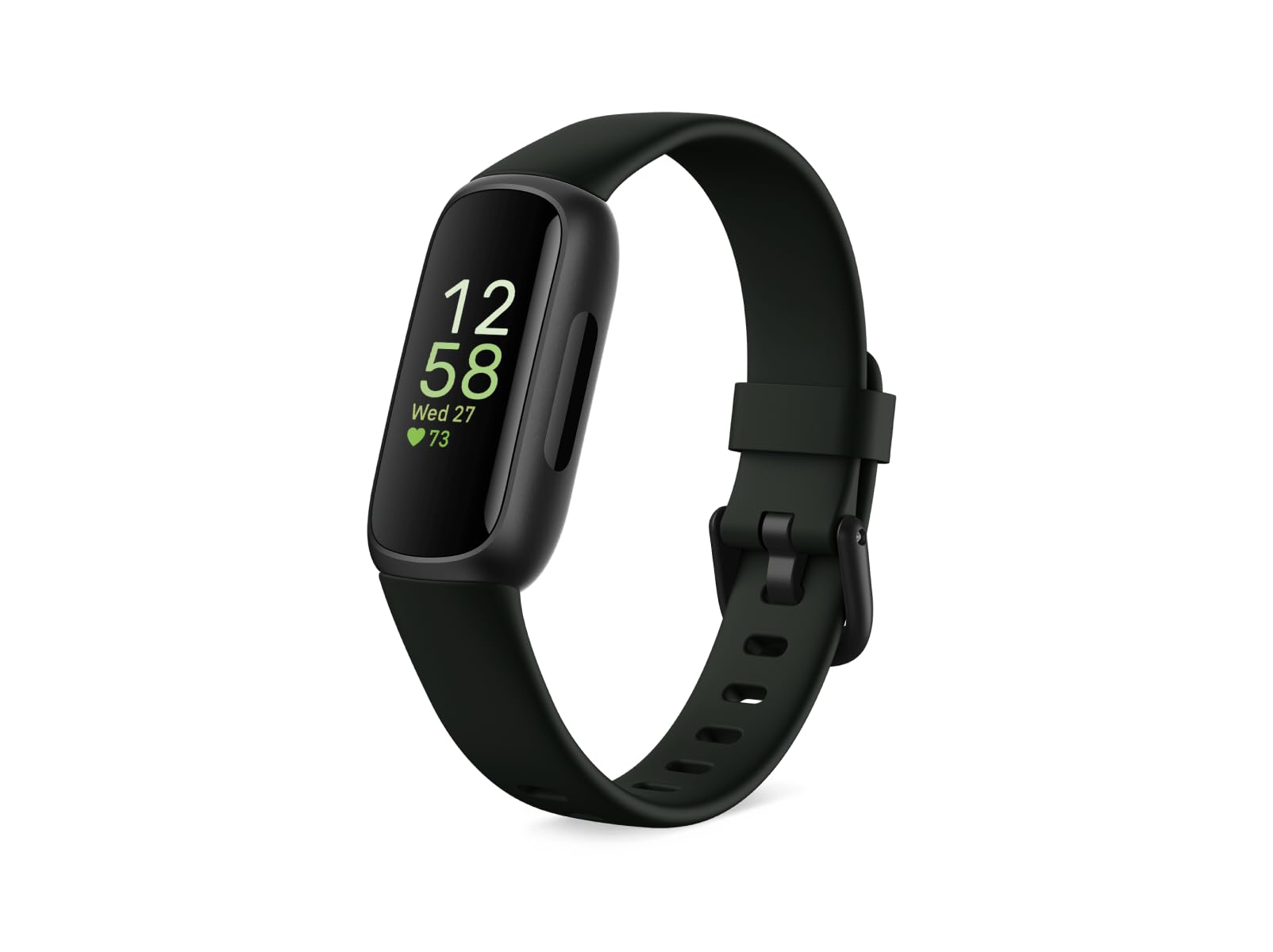
The slim band built around recovery and rest, not a stopwatch on your wrist.
Plenty of trackers tell you how hard you worked. This one leans the other way — it is set up around how well you recover. A Daily Readiness Score and a daily Stress Management Score sit alongside mindfulness and relax breathing sessions, and overnight it hands back a detailed Sleep Score plus a smart wake vibrating alarm. SpO2 (blood oxygen estimate), menstrual health tracking and irregular heart rhythm notifications round out the health view.
Owners describe it as the light, easy one. It is small enough to sleep in without noticing, comfortable enough to forget, and it fast-charges on the way to a usable level in a short window. The band counts steps even when it rides in a pocket, which matters if a watch is banned at work. Compatibility runs to Apple iOS 16.4 or higher and Android OS 11.0 or higher, and Fitbit rates the battery at 10 days.
The trade-off is long-term consistency. The strap hinge is the part to watch — plastic on the band has been known to crack under a year of daily wear, and an occasional unit needs re-pairing with the phone. Measured against the Xiaomi above, this pick costs more and runs shorter per charge, but it gives back far more structured sleep and stress reporting. Also note that it is a starter-level tracker: heart rate can wander during exercise and step counts can run generous.
Best suited to: someone who wants to understand sleep and daily stress in plain scores, worn day and night with a small silicone band.
The honest limit: the plastic strap hinge is the first thing to fail, and pairing occasionally needs a reset.
Pick it for: the wellness picture — sleep stages, readiness and stress in one app, on a band small enough to keep on overnight.
Skip it for: serious training analysis, where its heart-rate tracking during hard efforts falls short of a chest strap.
4. Google Fitbit Charge 6

A wrist band that maps your run, taps to pay, and mirrors your heart rate on gym machines.
This is the model with electronics beyond a sensor. Built-in GPS records your route without dragging your phone along, and it can pull turn-by-turn directions from Google Maps straight onto the band. Link it to a compatible treadmill or elliptical and you see your heart rate on the machine’s own display in real time. Google Wallet handles tap-to-pay, and YouTube Music controls ride along too.
Forty-plus exercise modes sit on top of all-day activity tracking and 24/7 heart rate, with automatic exercise detection picking up a walk you did not start manually. ECG and contactless payments are listed among the built-in features, and the silicone band runs 22 centimeters. On the recovery side you get a Stress Management Score, a nightly Sleep Score and a Smart Wake alarm. Fitbit rates the battery at 7 days.
The split in owner experience is worth knowing before you buy. The underlying quality and physical build hold up — a stainless steel or metal case, a readable screen, a light fit you can sleep in, and no paid Premium membership required to use the core functions. Where it stumbles is consistency: the phone-to-watch connection can need babysitting, and step and distance counting can drift, especially on indoor machines. Compared with the Inspire 3 above, this brings GPS and payments but asks for a charge roughly every week instead of ten days.
The case for it: you keep one band on for runs, sleep and errands, with GPS, tap-to-pay and machine heart-rate streaming inside the same small silicone frame.
The real-life snag: sync reliability and step accuracy are the two things to test in your first week, while the return window is still open.
Choose it if: you want GPS, tap-to-pay and machine heart-rate link in a small band you can wear all day and night.
Weigh it against if: you mostly want steps and sleep — the Inspire 3 above keeps you charged up less often and costs less.
5. MorePro Health Fitness Tracker for Men
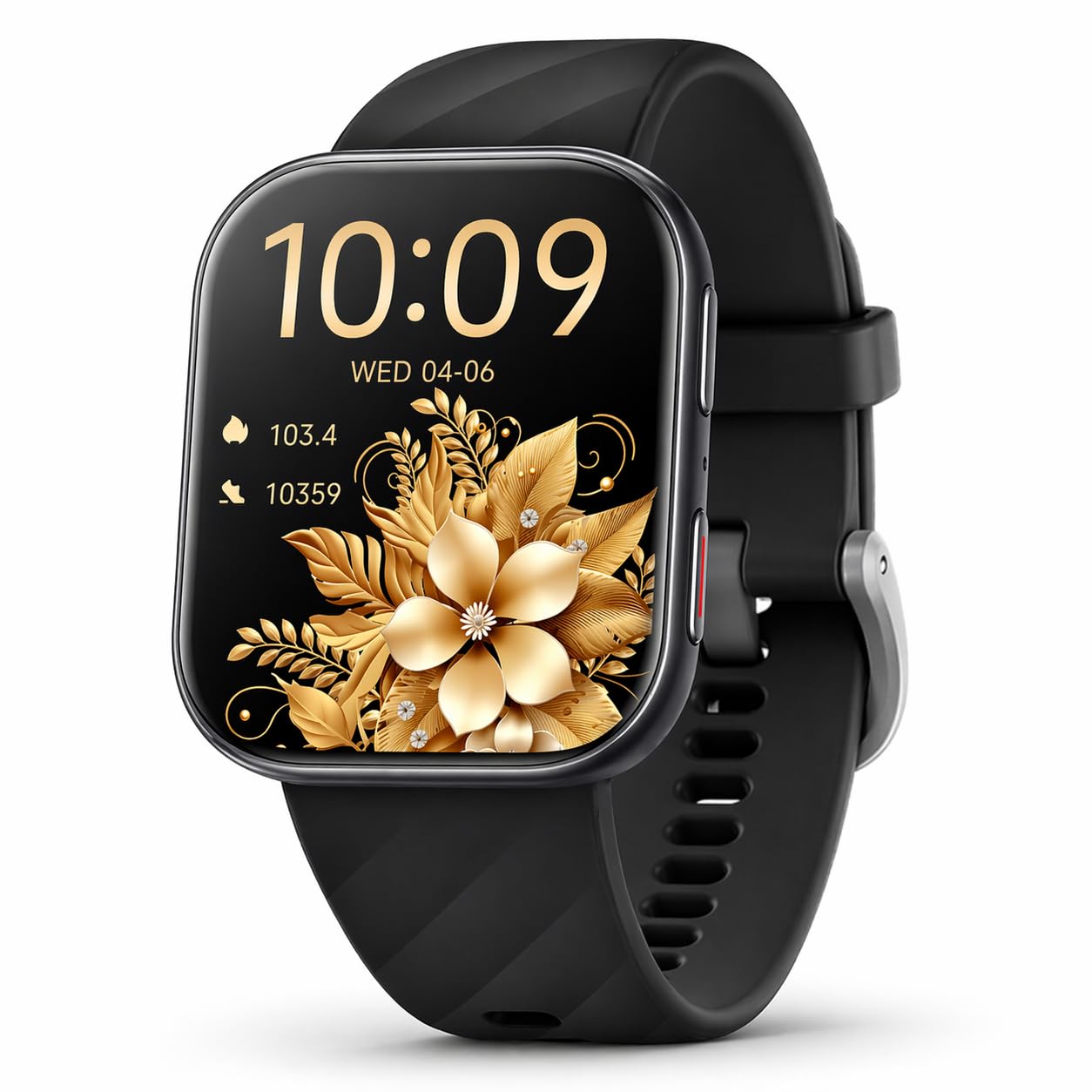
A phone-on-your-wrist first, a heart-rate tracker second, for the entry-level buyer.
Start with what it shows you. The 1.85-inch screen is the largest on this list, and it displays heart rate, blood pressure, sleep, steps, calories, distance and 120+ sports modes from a 22-millimeter silicone band on a plastic-and-metal body. Bluetooth calling and app notifications mean calls, messages, alarms and sedentary reminders arrive on your wrist instead of your pocket. That is a lot of surface for an entry-level watch.
The battery is rated at up to 7 days from a 300 mAh lithium-ion cell, which is the point of comparison in this guide against the Xiaomi’s 21 days — this one asks for a charge roughly three times as often. It pairs over Bluetooth with iOS 13 and Android 7 or above, and 24/7 tracking covers heart rate, sleep and blood oxygen, all explicitly not intended for medical use. The 1.85-inch display makes all of it easier to read at a glance than a slim band allows.
Where this one is honest about its price tier is reliability. It is the functionality that sells it — setup is step-by-step easy, the black-and-gold finish looks better than the tier suggests, bands swap out, and step tracking with phone connectivity works well day to day. Calls come through clearly. The recurring caution is durability over months, with a handful of units losing the vibrate and lift-to-wake functions after the first month. If you want a low-cost watch to build everyday awareness and answer calls, this fits; if you need it to last seasons, spend up.
Where it delivers
- 1.85-inch display, the largest on this list.
- Bluetooth calling and app notifications without a phone in hand.
- 120+ sports modes plus heart rate and sleep tracking.
- IP67 water resistance for everyday handling.
Where it cuts corners
- Up to 7 days per charge, far shorter than the Xiaomi’s 21 days.
- Durability over time is the recurring concern, with some units losing alert functions after a month.
Best for: the entry-level buyer who wants a big readable screen and Bluetooth calling more than battery endurance.
Not for: anyone who needs to go a week and a bit without thinking about a charger, or who expects a fitness watch to last several years.
Know the Specs
Battery Life and What Changes It
A rated number assumes certain settings. Turning on continuous heart rate, brightness or built-in GPS pulls the figure down, so expect the low end of a published rating when you use the tracker fully. Runtime in days or months is the best predictor of whether a tracker becomes a habit or a chore — a chest strap rated for up to 2 months and a band rated for 21 days live in a different world from a watch rated for 7.
Heart Rate Method
A chest strap measures the electrical signal of the heart directly, which holds steady through quick effort changes. A wrist optical sensor watches blood flow through the skin, which is convenient but can lag or drift during fast intervals and the sweat of a hard session. For steady walks and all-day readings the wrist method is fine; for intervals and form work, the strap reads truer.
Water Resistance Ratings
An IP67 rating means dust-tight and able to survive short immersion, which covers daily life but not laps in a pool. A chest strap that stores heart rate during a swim and syncs afterward is built for water in a different way. Check the rating against what you actually do — a splash at the sink and a lap session are not the same demand.
Display, Brightness and Readability
Screen brightness is measured in nits, and a higher figure means the display stays readable in direct sun. AMOLED screens light each pixel individually, so blacks look truly black and contrast is high. Screen size tells you how much data fits at a glance, from a 1.72-inch band to a 1.85-inch watch face — bigger is easier to read, smaller is easier to wear overnight.
Sleep and Recovery Metrics
A Sleep Score distills your night into one number, and a Daily Readiness or Stress Management score turns it into a decision about how hard to push the day. These are estimates, not clinical readings, and their accuracy varies. Use them to spot trends over weeks, not to judge one bad night.
The Companion App
The app decides whether the data is useful or just a number you scroll past. Look for free access to sleep stages, resting heart rate and workout history, and check that your measurements reach the health platform you already check. Some trackers are metric-only from the start, so confirm you can switch to imperial units or use a third-party app if that matters to you.
Common Questions
Is a chest strap heart rate monitor more accurate than a wrist tracker?
How long does a biometric tracker battery really last?
Can I swim with a biometric tracker?
Do I need a compatible smartwatch to use a chest strap?
Why does my wrist tracker overcount steps?
What is HRV and why does a chest strap track it?
Does the Xiaomi Mi Smart Band 10 show miles and pounds?
Can I use a fitness tracker’s blood oxygen reading for health decisions?
Which Fitbit is better for sleep tracking, the Inspire 3 or the Charge 6?
How long does a chest strap strap last?
The Bottom Line
For most people who want a true biometric reading during training, the biometric tracker winner is the Garmin HRM 600. It measures the heart’s own electrical signal, reports real-time heart rate and HRV, and holds steady when intervals spike — the accuracy that a wrist optical sensor cannot match under hard effort. If you want a wrist band that simply keeps running, the Xiaomi Mi Smart Band 10 gives 21 days per charge on a 1.72-inch AMOLED screen. And if sleep and recovery are your focus, the Google Fitbit Inspire 3 puts the recovery picture on a band small enough to keep on overnight.
The crowd favorite — 4.5+ stars across 1,400+ owners — is the HRM 600, and it earns that on chest-strap heart-rate accuracy, not on features. Pick the one that matches your training, and you will keep wearing it long past the first novelty week.
How we choose
We do not accept paid placement. Every pick is matched to a real buyer and a real use-case; we do not hands-on test units.
Sources
Specifications: manufacturer listings and product documentation. Review insights: verified customer reviews, as of October 2026. Pricing: not shown on this page (it changes often); check the current price via the retailer link.
As an Amazon Associate, Aappliancez earns from qualifying purchases. This does not affect which products we feature.