Disclosure: Some links in this post are affiliate links. As an Amazon Associate I earn from qualifying purchases, at no extra cost to you. Learn more
Specs are compiled from manufacturer listings and verified buyer reviews and can change over time — please confirm the key details on the product page before buying.
If your wood furniture looks tired — dull, thirsty, graying at the edges — a beeswax polish is the simplest fix you can apply with your own hands. The best beeswax polishes clean, feed the grain, and leave a soft glow instead of a greasy film. This guide sorts the real beeswax formulas from the thin, solvent-heavy sprays and shows you which tin earns its shelf space.
This guide is built by comparing the manufacturers’ published specifications and the patterns across verified customer reviews, so you get each pick’s real strengths and trade-offs instead of marketing spin.
From antique dressers to kitchen chopping boards, you want a wax that protects without stripping the finish. That is what separates a true beeswax furniture polish from an oily spray, and every pick below gets it right.
Top Picks

How To Choose The Best Beeswax Furniture Polish
Two polishes on the same shelf can behave completely differently on your furniture — one feeds the grain, the other just wipes dust and evaporates. Knowing what to look for takes about two minutes and saves you from buying the wrong tin twice. Here is what actually matters.
Beeswax Content And Formula Base
The beeswax is the ingredient doing the long-term work. It sits on the surface and hardens into a protective film that resists water and stains, while the oil in the blend — lemon oil, mineral oil, or olive oil — carries it into thirsty grain. A formula listing beeswax alongside a natural oil will outlast a spray that leans on solvents, which flash off within minutes and leave almost nothing behind.
Food-Safe Versus Furniture-Only
If you are polishing a chopping board, a bread bowl, or a child’s wooden toy, look for a label that says food-safe, solvent-free, or chemical-free. Those formulas skip the petroleum distillates that make a spray convenient but unsuitable for anything touching food. For a strictly decorative dresser, a standard aerosol wax is fine — it just is not the one you want near your cutting board.
Solid Wax Versus Aerosol Spray
A solid wax in a tin or a jar gives you control: you take a little on a cloth, work it into the grain, and buff. An aerosol spray covers a large cabinet door fast and needs no buffing, but it lays down a thinner coat and disappears sooner. Neither format wins outright: the tin suits restoration and food surfaces, the spray suits routine dusting on a finished piece.
How Much Product You Actually Need
Beeswax polishes are concentrated, so a small tin genuinely goes far. A six-ounce tin can cover a whole dining set several times before it runs dry. That is why a smaller container of a richer formula often outlasts a larger bottle of a thin one — the cost per polishing job, not the sticker on the container, is what tells you which is the better buy.
Side-by-Side Comparison
| Model | Best For | Format | Container Size | Food-Safe | Amazon |
|---|---|---|---|---|---|
| Daddy Van’s Beeswax & Lavender Polish★ Best Overall | Antiques and everyday wood | Solid wax | 6 ounces | Listed as food-safe | Amazon |
| Goddard’s Cabinet Makers Wax 12ozBest for Cabinets | Fast cleaning on cabinets | Aerosol spray | 12 ounces | — | Amazon |
| Old Craftsmen’s Lemon Oil with Bees Wax 8oz | Reviving neglected woodwork | Aerosol | 8 ounces | — | Amazon |
| Renapur Premium Beeswax Wood Polish | Modern and antique furniture | Solid wax | 6.7 fluid ounces | Listed as food-safe | Amazon |
| Beeswax Polish for Wood & Furniture with Lavender | Kitchen woodware and toys | Solid wax | 3.5 fluid ounces | Listed as food-safe | Amazon |
Detailed Reviews
1. Daddy Van’s All Natural Beeswax & Lavender Furniture Polish
Our pick — over 4.5★ from 750+ verified ratings; the strongest balance of quality and price.
Six ounces of lavender-scented wax that turns thirsty, chalky wood back into something rich and alive.
If your dresser has gone dry and pale, this is the tin that fixes it. Daddy Van’s is a true solid wax — a six-ounce container you rub in with a soft cloth — and the blend is USDA Certified 100% Biobased, which is the label that tells you the formula is plant- and wax-derived rather than petroleum-based. For comparison, Goddard’s Cabinet Makers Wax comes in a larger twelve-ounce container, but that is an aerosol spray, so you are paying for propellant and speed rather than a concentrated solid you control by hand.
What wins people over is the quality of the finish — genuine nourishment for the wood rather than a surface wipe. Owners use it across dressers, desks, cabinets, and chalk-painted pieces, and the recurring note is that a little goes a long way. The lavender essential oil is the second-biggest draw; it fills the room while you work and then fades gently rather than hanging around like a chemical air freshener. On the water-protection front, it performs as a wax should: a new solid maple desk treated with it showed water beading on the surface — water-resistant, though not waterproof, which is the honest limit of any wax coat. The finish is a subtle sheen rather than a high gloss, and buyers report no discoloration or darkening of the wood.
This is the crowd favorite of the group at 4.7 stars, and the volume of owner feedback behind it is the deepest here. One buyer put it simply: “Great stuff. It worked on my scratched consignment buy. Happy!” The learning curve is mild — a few owners mention that you need to let it sit before buffing, and the very first pass can look uneven until it settles. That is normal for a solid wax, not a flaw. The tin is small enough to store in a drawer and the scent is strong enough to fill a room while applying, which is delightful to most people and worth knowing if you prefer unscented products.
What Earns The Top Spot
- USDA Certified 100% Biobased, petroleum-free, and solvent-free formula
- Six-ounce solid wax imparts a rich, deep glow to finished and unfinished wood
- Lavender essential oil makes the job pleasant rather than a chore
- Food-safe enough for cutting boards, and it works on chalk and milk paint finishes
What To Expect
- Water resistance is real but not waterproof, so wet glasses should not sit overnight
- First coat can look uneven until it is fully buffed with a clean, dry cloth
- The lavender scent is noticeable while applying and lingers briefly afterward
The one to buy: anyone restoring an antique, feeding a dry dresser, or sealing a new piece of solid wood furniture.
Try a spray instead if: you want to dust a whole kitchen of cabinets in one pass with no buffing step.
2. Goddard’s Cabinet Makers Wax 12oz
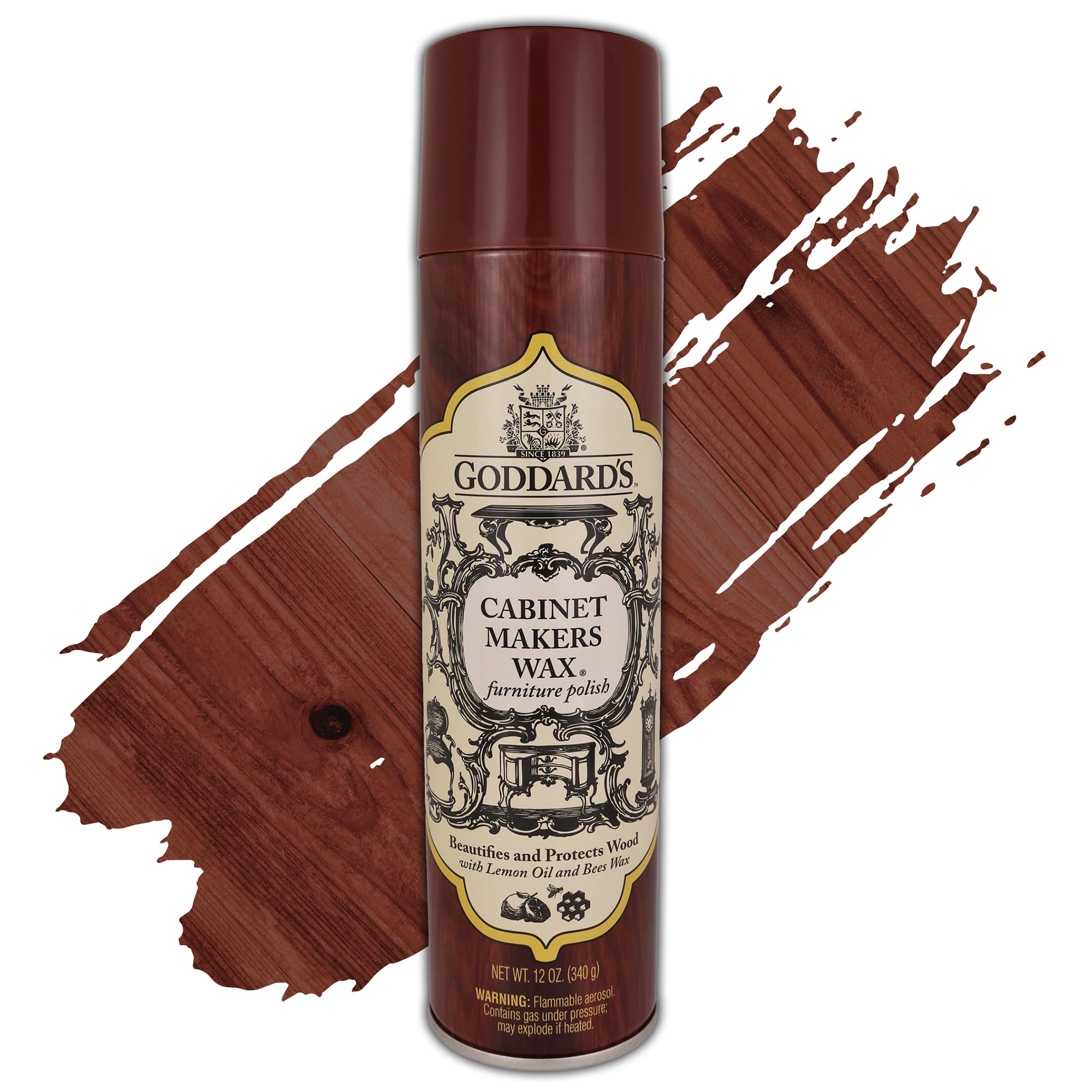
The twelve-ounce aerosol that cleans, shines, and protects a full kitchen of cabinets without a single buffing pass.
Here is the fastest way to make a whole wall of cabinets look cared for. Goddard’s is an aerosol wood wax built on lemon oil and beeswax, and its selling point is one-step convenience: hold the can six to eight inches from the surface, spray, and wipe immediately along the grain with a soft cloth. No buffing required. That single feature is why it earns a place on this list next to the solid waxes. Renapur, by contrast, is a rub-in-and-buff solid that rewards patience but demands more elbow grease, and if your goal is a quick refresh of twenty cabinet doors, the spray wins on time every single time.
What the cleaning performance does best is lift grime as you wipe. That is the strength the formula leans on, and it is why owners reach for it on kitchen cabinets specifically. The finish shines without altering the color of your chosen stain, so a piece with a careful factory tone stays that way. Goddard also claims its formula protects wood from sun damage, stains, drying, and cracking, and locks in natural moisture as it cleans. Those are the manufacturer’s wording, not a lab result — worth knowing so you judge it as a marketed claim. The brand has been making wood waxes since Joseph Goddard started over 140 years ago, which is real heritage behind a niche product.
The one thing to sort out before you buy is what this polish is for. It is a cleaner and conditioner, not a repair product — one owner took four stars because they wanted something to fix damaged wood and found a capable cleaner instead. On cost, opinion genuinely splits; a few owners find it pricey for what it is, while others value the twelve-ounce size and the no-buffing speed. It is a well-judged pick if your priority is upkeep and shine, less so if you are chasing deep restoration.
Where it earns its keep: regular maintenance on already-finished cabinets, where the spray-and-wipe motion saves you real time across a large kitchen.
Set expectations honestly: it cleans and conditions, and it protects against sun damage, stains, drying, and cracking — but it will not repair a damaged surface.
Reach for this if: you maintain finished cabinets and want a fast one-step shine.
Look elsewhere if: you need to restore bare, dry, or damaged wood rather than maintain a finish.
3. Old Craftsmen’s Lemon Oil 8oz

An eight-ounce lemon oil and beeswax blend that drags neglected woodwork back from gray and lifeless.
If you have just moved into an older home and the trim looks hopeless, this is the can that surprises you. Old Craftsmen’s combines lemon oil with beeswax in an eight-ounce aerosol, and the promise is simple: repeated use lays down a velvety film that both cleans and protects.
The application has a quirk worth knowing up front. The first pass can look blotchy. Owners who stuck with it found that a third polishing with a clean paper towel delivered a rich, soft, blotch-free finish, and once that coat is down, liquids float on the surface without leaving white rings. It cleans wood well enough to release dried-on food, which is why it works so well on dining tables. Both the appearance of the wood and the cleaning action are where this formula shines most, and the lemon scent is a genuine pleasure rather than a chemical note.
Two details separate it from the solid waxes here. It is an aerosol, so you trade the control of a rub-in paste for speed and even coverage. And it is the mid-priced option of the five, which makes it an easy entry point if you are not sure how far you want to commit to waxing. Note that the manufacturer lists it as mineral-oil free, so the base is the lemon oil and beeswax rather than a petroleum derivative — a meaningful distinction if you are avoiding petroleum products in the home.
Why It Deserves a Spot
- Beeswax builds a velvety film that protects and cleans with repeated use
- Handles dried-on food on dining tables and revives neglected antiques
- Pleasant lemon scent and a natural, mineral-oil-free formulation
Worth Knowing Before You Buy
- Early coats can look blotchy until a third polish evens it out
- Aerosol format means less control than a solid wax on detailed carving
Suits: new homeowners and antique hunters working on wood that has been neglected for years.
Less ideal for: anyone who wants a one-pass finish without a second or third coat to even things up.
4. Renapur Premium Beeswax Wood Polish 6.7 fl oz
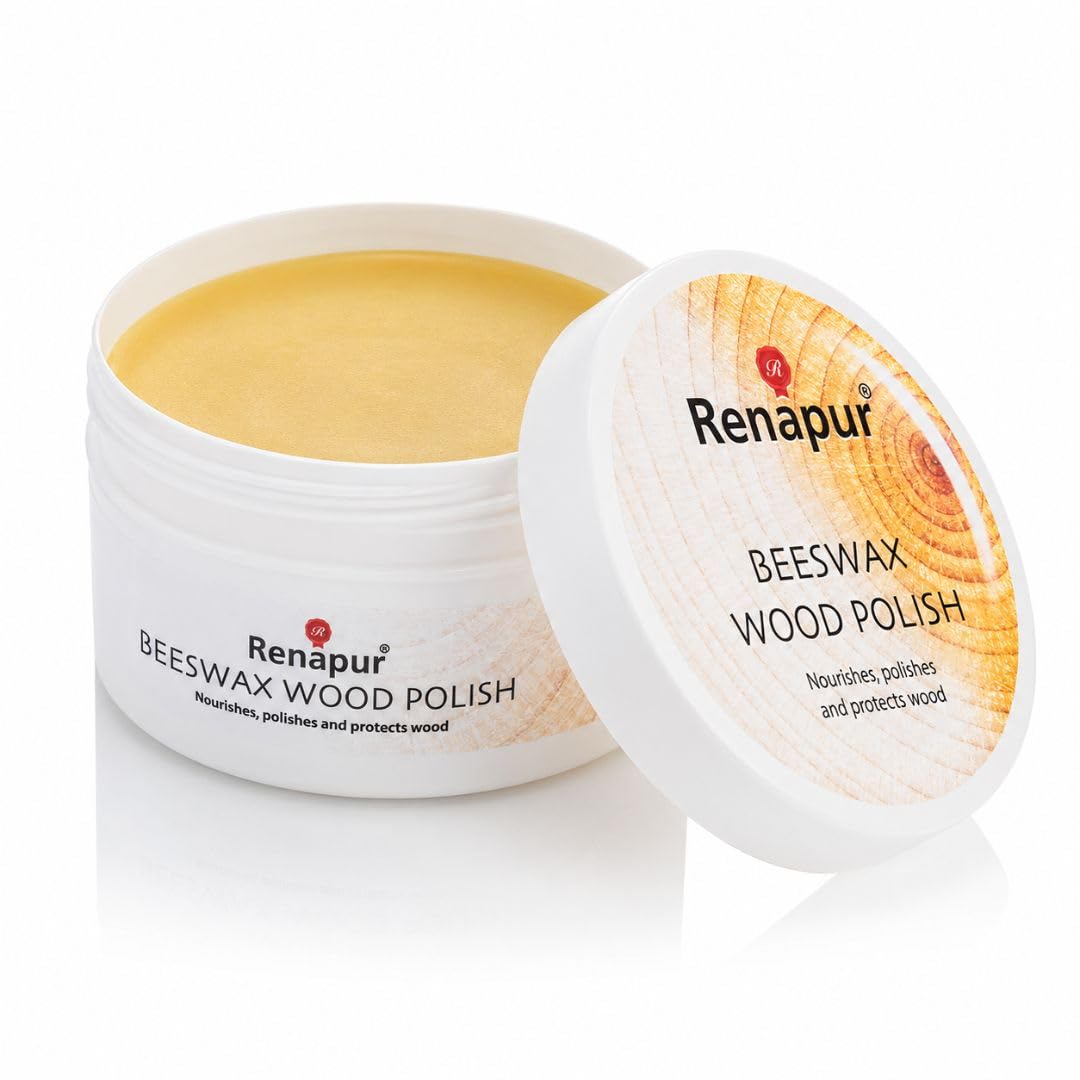
A solvent-free solid wax built on beeswax, carnauba, and food-grade mineral oil for antiques and modern pieces alike.
This is the pick for anyone who does not want to think about which tin goes on which surface. Renapur states its formula is for all wood and wood furniture, antique or modern, natural or finished, and the ingredient list backs it up — beeswax, carnauba wax, and food-grade mineral oil, with no solvents and no chemicals. Because it is food-safe, it is also the one you can reasonably take to kitchen items and children’s or pets’ wooden products without a second thought. Comparing it against the six-ounce Daddy Van’s tin, Renapur comes in at 6.7 fluid ounces, a slightly larger solid format built around the same rub-and-buff application.
What people keep coming back to is the restoration on really tired wood. One owner treated an inherited hand-hewn wooden biscuit bowl from the 1800s or early 1900s that had gone dry and lifeless, and reported a visible improvement in the wood’s condition. Another treats a dresser and chest drawers twice a year to keep the wood moist and the drawer slides working. The shine holds up, and a coat does not attract dust afterward. The method matters here: apply to a clean, dust-free surface with a cloth or sponge, work it in the direction of the grain, leave it a few minutes, then buff dry. Two coats are recommended if you want extra protection, and that second coat is what makes the finish last.
One honest note on the solid format. It spreads easily and works into oak and other hardwoods with minimal pressure, but a few owners find it a touch stiff compared to a liquid, especially in a cold room. It is a small gripe for a polish this versatile and it is easy to work around by warming the tin slightly. If you want one tin that handles every wood surface in the house, from a formal sideboard to a child’s toy shelf, this is the sensible buy.
The standout: three waxes and oils that make it suit any wood type means you do not need to shop for a separate polish for kitchen items and a separate one for furniture.
One caveat: the same solid texture that gives control also feels firm to apply in a cold kitchen and benefits from a slightly warmed tin.
Buy it for: one tin that covers antiques, modern finished furniture, and food-contact woodware in a single product.
Skip it for: quick spray-and-wipe dusting where you would rather not pull out a cloth and buff.
5. Beeswax Polish for Wood & Furniture Lavender 3.5 Fl Oz
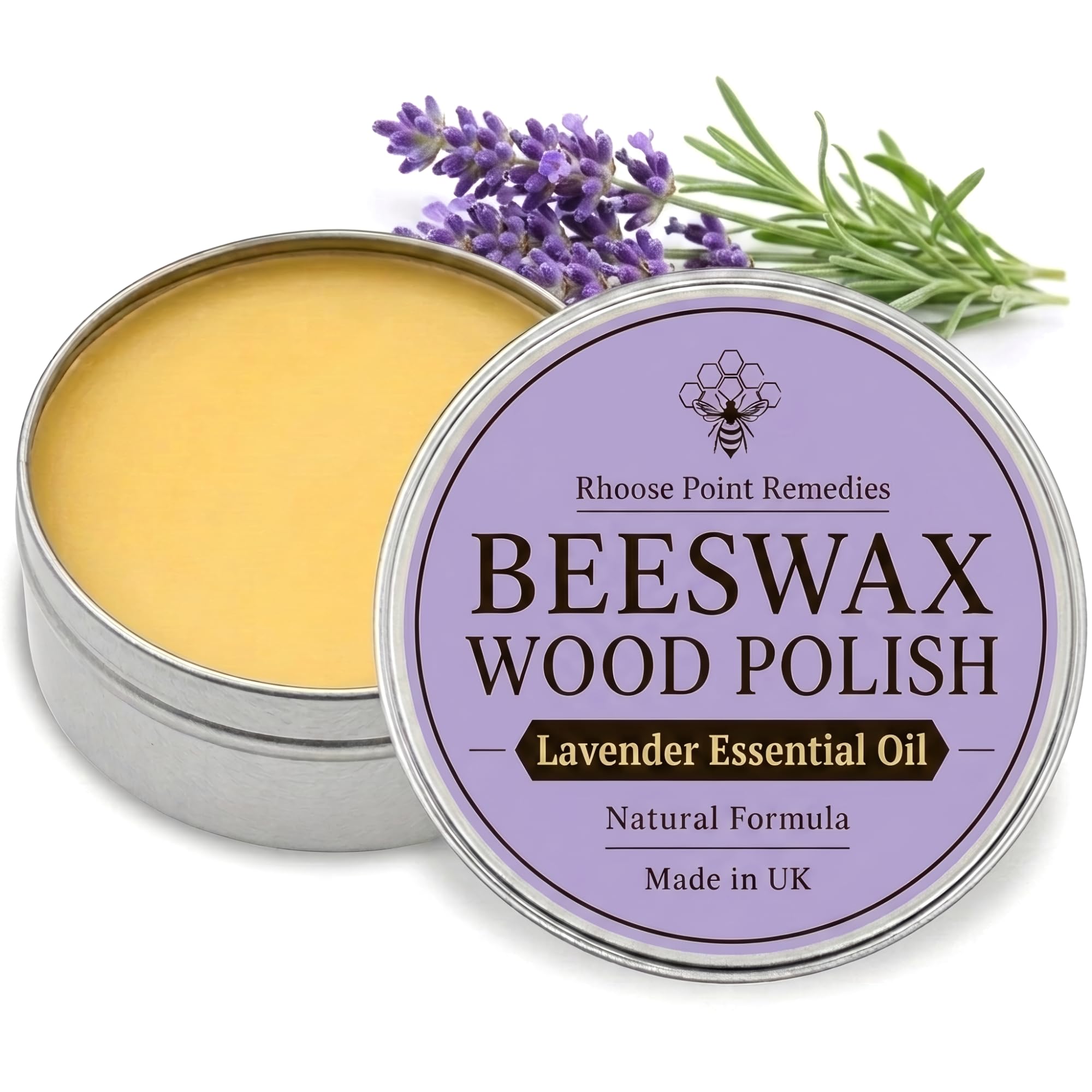
Triple-filtered British beeswax hand-blended with organic olive oil — the shortlist’s smallest tin and its cleanest ingredient list.
For chopping boards, bowls, and wooden spoons, this is the pick that lets you stop reading labels. The formula is 100% triple-filtered beeswax sourced from BBKA bee farmers, hand-blended with certified organic olive oil, and it is solvent-free and food-safe — meaning it is suitable for kitchen woodware, chopping boards, utensils, and family homes. It is the only tin here that pairs a beeswax-oil base with a stated British source for the wax, and it names the woods it suits: oak, pine, beech, walnut, teak, mango wood, and bamboo, whether untreated, oiled, or waxed.
The performance on dry wood is the story. A coat revives thirsty surfaces and brings back a soft, natural shine without adding any artificial stain, so the grain and existing color show through untouched. Owners mention a lasting finish — one application held its shine at least three months after two coats, which is the kind of durability you want on something you touch every day. The lavender essential oil gives it a gentle natural fragrance that is subtle rather than sharp, and the metal tin keeps the wax protected between uses.
The trade-off is size. At 3.5 fluid ounces it is the smallest container in this lineup, so if you are working through a whole house of furniture you will empty it faster than the Renapur or Daddy Van’s tins. A little genuinely goes a long way, though, and the tin is built for food-contact jobs where a small, clean formula is exactly right. If your priority is kitchen woodware and family-safe surfaces rather than bulk coverage of furniture, this is the tin to reach for.
The Case for the Small Tin
- 100% triple-filtered British beeswax with certified organic olive oil
- Food-safe and suitable for boards, bowls, utensils, and toys
- Long-lasting finish that held up at least three months after two coats
The Honest Limit
- 3.5 fluid ounces is the smallest container here, so heavy furniture use empties it fast
- One owner found it somewhat expensive for the amount in the tin
Choose it for: chopping boards, kitchen bowls, and children’s wooden items where food-safe matters most.
Think twice if: you are polishing a whole dining set and want a larger tin that stretches further.
Know the Specs
Container Size And Coverage
A larger container is not automatically better value, because beeswax polishes are concentrated. The six-ounce Daddy Van’s tin and the 6.7-fluid-ounce Renapur tin are both solid waxes that go a long way, while the eight-ounce and twelve-ounce aerosols lay down a thinner coat and disappear sooner. Judge a polish by how many jobs a tin covers, not by the size on the label.
Formula Base
Beeswax is the protective ingredient; the oil in the blend is the carrier. Look for a formula with beeswax plus a natural oil — lemon oil, olive oil, or food-grade mineral oil — and check whether it lists solvent-free or chemical-free if you plan to use it near food. Solvent-heavy sprays dry fast but leave little protection behind.
Food-Safe Certification
If the polish will touch a cutting board, a bread bowl, or a child’s toy, the label needs to say food-safe, solvent-free, or chemical-free. That is the clearest signal the formula avoids petroleum distillates. For purely decorative furniture, any quality wood wax is suitable, so the food-safe question only applies to kitchen and family items.
Solid Versus Aerosol
A solid wax in a tin gives you control and a thicker coat that lasts longer, but it needs application and buffing. An aerosol spray covers a large area fast and is easy on detailed cabinets, though it delivers a thinner finish. Pick the tin for durability, the aerosol for convenience on the surface you are treating.
Common Questions
Can I use beeswax polish on a kitchen chopping board?
Is beeswax polish better than a spray polish?
Why does my first coat of beeswax polish look blotchy?
Does beeswax polish protect wood from water damage?
How often should I reapply beeswax furniture polish?
Will beeswax polish change the color of stained wood?
Can I use these polishes on chalk and milk paint finishes?
What is the difference between a wax polish and a lemon oil polish?
Do I need to buff after applying beeswax polish?
Is beeswax polish safe around children and pets?
The Bottom Line
For most people polishing wood at home, the beeswax furniture polish to buy is Daddy Van’s All Natural Beeswax & Lavender Furniture Polish, because its USDA Certified 100% Biobased formula feeds dry and antique wood and leaves a rich, deep glow that food-safe kitchen boards can share. If you want one tin that works on every wood type and doubles as a kitchen polish, the Renapur Premium Beeswax Wood Polish is the versatile pick, thanks to its beeswax, carnauba, and food-grade mineral oil blend. And for fast maintenance on a whole kitchen of finished cabinets, the Goddard’s Cabinet Makers Wax cleans and shines in a single spray-and-wipe pass that needs no buffing.
All five polishes here do the same core job well, but they split clearly on format. If restoration and food-safe surfaces matter most, a solid wax earns its place in the drawer. If speed matters more, the aerosol cans deliver the shine in a fraction of the time. Either way, you are buying a formula that feeds the grain rather than just wiping dust — a difference you will see on the wood a month from now.
How we choose
We do not accept paid placement. Every pick is matched to a real buyer and a real use-case; we do not hands-on test units.
Sources
Specifications: manufacturer listings and product documentation. Review insights: verified customer reviews, as of October 2026. Pricing: not shown on this page (it changes often); check the current price via the retailer link.
As an Amazon Associate, Aappliancez earns from qualifying purchases. This does not affect which products we feature.