Disclosure: Some links in this post are affiliate links. As an Amazon Associate I earn from qualifying purchases, at no extra cost to you. Learn more
Specs are compiled from manufacturer listings and verified buyer reviews and can change over time — please confirm the key details on the product page before buying.
If your face stings when you apply moisturizer, burns in the wind, or flakes no matter how much cream you layer on, your skin’s barrier is the problem — not your willpower. A barrier repair serum puts back the stuff your skin makes on its own: ceramides, fatty acids, cholesterol, and hydrating molecules that hold water in. This guide sorts the five most convincing options by what they actually contain, so you can match one to your skin instead of guessing.
This guide is built by comparing the manufacturers’ published specifications and the patterns across verified customer reviews, so you get each pick’s real strengths and trade-offs instead of marketing spin.
A good barrier serum should calm redness, stop the tight feeling after cleansing, and layer under sunscreen without pilling. The trick is picking one that fits your skin type rather than the loudest label, which is exactly how this shortlist of barrier repair serums was ordered.
Top Picks
How To Choose The Best Barrier Repair Serums
A barrier serum is not the same job as a moisturizer. The serum goes on first and delivers the repairing ingredients in a light liquid, while your cream sits on top and seals them in. Buy for the ingredients your skin is missing, not for the biggest bottle.
Look at the lipid trio, not one hero ingredient
Ceramides, fatty acids, and cholesterol are the three fats your skin barrier is built from, and they work best together. A serum that lists all three — or a ceramide complex plus squalane — is doing more than one that leans on a single buzzword. LAYERLAB’s formula lists 1% nano ceramide, cholesterol, and phytosphingosine together, for example.
Match the strength to your skin’s tolerance
Niacinamide is a workhorse for uneven tone, but 20% is a serious dose. JUMISO recommends starting at two to three nights a week before going nightly. If your skin is reactive, a lower-strength formula like Anua’s 10% niacinamide with 4% tranexamic acid may sit more comfortably from day one.
Check what it leaves behind
Texture decides whether you’ll actually use the bottle. Oil-serum hybrids can feel sticky and pill under makeup, so many people only reach for them at night. Water-gel formulas absorb in seconds and layer under sunscreen. Read the texture description before you commit, because a serum you avoid is a serum you wasted.
Side-by-Side Comparison
| Model | Best For | Key Actives | Size | Texture | Amazon |
|---|---|---|---|---|---|
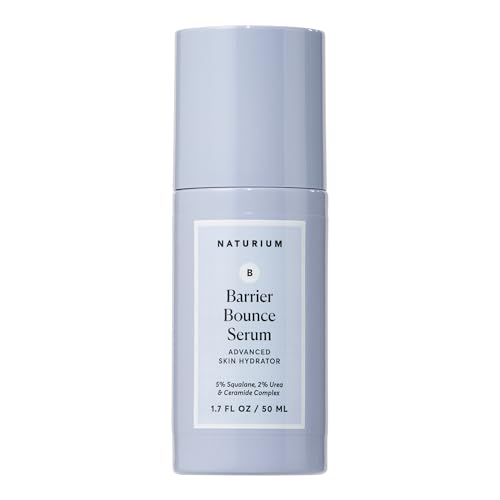
| Naturium Barrier Bounce Serum★ Best Overall | Dry, tight skin that needs bounce | 5% Squalane & 2% Urea | 1.7 fl oz | Oil-serum, dewy | Amazon |
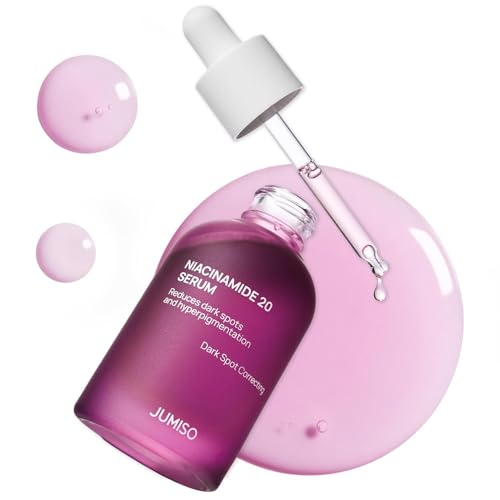
| JUMISO 20% Niacinamide SerumTop Performer | Dark spots and uneven tone | 20% Niacinamide, TXA, Glutathione | 1.35 fl oz | Silky water-gel | Amazon |
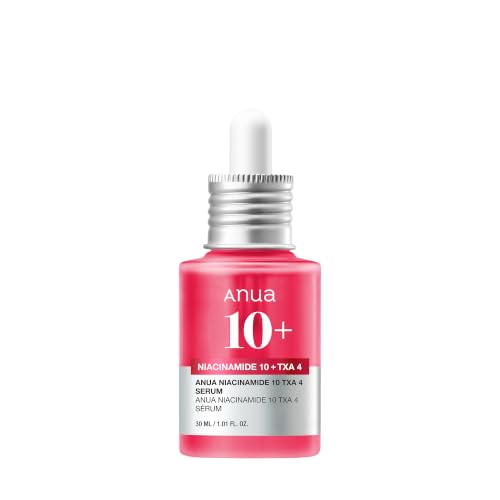
| Anua Niacinamide 10 + TXA 4 Serum | Everyday brightening on a budget | 10% Niacinamide & 4% TXA | 1.01 fl oz | Watery lightweight | Amazon |
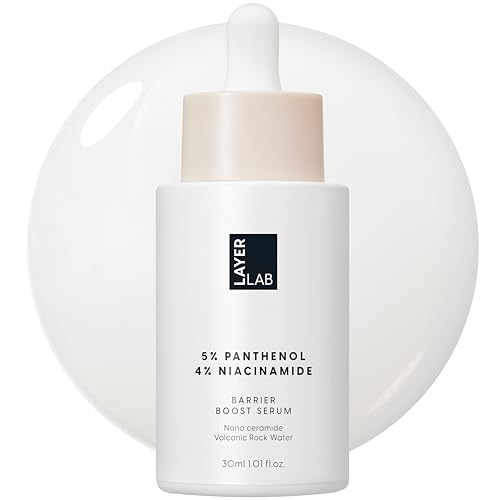
| LAYERLAB Barrier Boost Serum | Sensitized skin that stings | 5% Panthenol & 4% Niacinamide | 1.01 fl oz | Dense, cushiony | Amazon |
| AESTURA ATOBARRIER365 Hydro CERA-HA Serum | Barrier rebuilding with ceramides | Ceramide-HA Complex, Niacinamide | 30 mL | Light essence | Amazon |
Detailed Reviews
1. Naturium Barrier Bounce Serum
Our pick — over 4.5★ from 450+ verified ratings; the strongest balance of quality and price.
The dewy oil-serum that plumps dry, tight skin without a greasy finish.
This is the pick for anyone whose face feels tight an hour after moisturizer, especially in winter or on tretinoin. It leads with 5% squalane — a plant-derived oil your skin already makes that softens and seals in water — plus 2% urea, a gentle humectant that draws moisture into the top layers. Those two are backed by a ceramide complex, sodium hyaluronate (a hyaluronic acid salt that holds water) and jojoba seed oil. The result is a cushioned, bouncy feel rather than a flat, matte finish.
The trade-off is weight at the shelf: 6.72 ounces against the JUMISO’s 2.47 ounces, so this is the bottle you notice in a toiletry bag rather than the one you toss in a carry-on without thinking.
Where it really earns its place is the texture. It’s an oil-serum, so it needs a good shake before every pump, and it takes a moment to sink in. Once it does, the dewy look is the point — the crowd here is here for glow, not matte. Buyers describe exactly that: “This feels so good on my skin. I got it on sale and I’m not sure I’ll be able to continue to buy it but I’ll probably figure out something. No irritation, hydrates well, take a bit to absorb. Doesn’t feel greasy once it does absorb.” The one caveat worth knowing up front is pilling — the formula can ball up under makeup, so a fair number of people keep it to nighttime routines.
What it does well
- 5% squalane and 2% urea work together to plump and hold moisture in
- Ceramide complex, sodium hyaluronate, and jojoba seed oil round out the barrier support
- Fragrance-free, vegan, cruelty-free, and dermatologist tested
- Larger 1.7 fl oz bottle goes further than the 1.01 fl oz options here
Where it asks something of you
- Needs a vigorous shake before every use or the oil and water layers separate
- Can pill under makeup — many people save it for night
- At 6.72 ounces it’s the heaviest bottle on this list for travel
Reach for this if: your skin is dry, combination, or on tretinoin and you want a serum that leaves visible bounce and glow.
Think twice if: you layer foundation over your serum every morning — the pilling risk is real and better handled at night.
2. JUMISO Niacinamide Dark Spot Correcting Serum
Twenty percent niacinamide at the highest dose on this list, built for stubborn dark spots.
If your barrier problem shows up as post-blemish marks, sun damage, or uneven tone rather than tightness, this is the one to look at first. It’s a three-step formula: 20% niacinamide (vitamin B3) to help block melanin from surfacing, tranexamic acid (TXA) to calm discoloration, and glutathione plus hexylresorcinol to brighten dull areas. The brand’s own 2-week study reports up to 27.7% better skin clarity and up to 20% less visible redness — manufacturer data, not independent testing.
That 20% dose is high, and the brand knows it. The instructions say to start at two to three nights a week for the first two weeks before going nightly, and to avoid stacking it with retinol, high-strength vitamin C, or AHA/BHA. Layer it with other niacinamide products and you risk exactly the barrier damage you’re trying to fix — the review pages are blunt about that: “do NOT combine with niacinamide moisturizer or other niacinamide products—ruins skin barrier.” Pair it with a hyaluronic or azelaic acid moisturizer instead.
What makes it usable at that strength is the centella trio — asiaticoside, madecassic acid, and asiatic acid — which calms the look of redness so the niacinamide doesn’t drive your skin crazy. The texture is a silky water-gel that absorbs in seconds with no sticky residue and layers under sunscreen without pilling, which is a real advantage over oil-serum formulas. It’s also lighter on the shelf than the Naturium: 2.47 ounces versus 6.72 ounces, a genuine travel-bag difference.
What buyers keep coming back to: results on stubborn marks. The review pages are full of people who watched melasma or post-blemish spots fade over weeks of steady use, with a common theme that results compound rather than show up overnight.
The honest read: it will not fully erase hyperpigmentation. One long-term user reported spots “faded but not completely” after a month — so set expectations as brightening and evening, not erasing. The white film some people see is easily wiped off.
Best for: anyone dealing with melasma, sun damage, or dark spots who wants a high-strength, fragrance-free water-gel that layers cleanly under makeup.
Look elsewhere if: your skin already reacts to niacinamide or you’re using retinol or strong acids — the 20% dose needs scheduling discipline.
3. Anua Niacinamide 10 + TXA 4 Serum
A watery, layering-friendly brightening serum that a lot of people repurchase by the year.
The Anua is the lightest texture in this lineup and the easiest to live with daily. You get 10% niacinamide, 4% tranexamic acid, and 2% arbutin — a trio aimed at dullness, dark spots, and enlarged pores — plus ceramides and hyaluronic acid to keep skin comfortable while you target tone. It’s fragrance-free, non-greasy, and thin enough to layer with moisturizer and sunscreen without competing for space on your face. Apply just one to two drops and let it absorb before the next step.
Effectiveness is clearly the thing people rave about here — the review pages are heavily weighted toward results, and the tone is unmistakably satisfied. “WOW!!!!!!!!! This product is amazing i was a little hesitant since ive tried so many brightening serums. But this product OMG!!! I noticed a huge difference in 1 week. I noticed my skin brighter and glowing. Its no greasy at all like other serums ive tried.” That’s the shape of the feedback: brightening shows up in weeks, not overnight, and it takes real consistency to keep it there.
The catch worth naming is tolerance. The brand’s own disclaimer says individual skin differences may cause sensitivity and recommends a patch test first. Some people on sensitive or acne-prone skin report breakouts and a slightly sticky feel after absorption, which is why many use it every other day rather than nightly.
The strongest argument for it: this formula does a brightening job with a texture light enough that you’ll actually finish the bottle. One user in dry, sensitive, eczema-prone skin applied it only to a red acne mark and watched it fade and shrink.
Also worth knowing: it’s cruelty-free with no artificial coloring, and it works on body spots too — elbows, knees, and hands where skin runs rough.
Pick it when you want an entry-level Korean serum that evens tone without weighing your face down, and you don’t mind restocking every month or two.
Better to pass if your skin is actively reactive and breakout-prone — start with the LAYERLAB instead and come back to this when your barrier is calm.
4. LAYERLAB Barrier Boost Panthenol Serum
A dense, cushiony serum built specifically for skin that stings, flushes, or can’t tolerate anything.
This is the calm-first option. The headline is 5% panthenol (dexpanthenol, a form of vitamin B5 that softens and comforts skin) paired with 4% niacinamide, both liposome-encapsulated — meaning they’re wrapped in tiny fat bubbles that help them sink in deeper and feel less sharp on contact. Around that sit 16 barrier-care ingredients: 1% nano ceramide, cholesterol, phytosphingosine, madecassoside, beta-glucan, and squalane, working alongside 44.6% mineral water. If you’ve been rotating products trying to stop the burn, this is the reset button.
What makes it different is what the brand tested. In a 22-person test, heat-stressed skin calmed 6.9x versus control and physically stressed barrier improved 34.74%. Hydration rose 42.32% after 2 weeks. It also scored 0.00 irritation in a 33-person sensitive-skin patch test and tested suitable for acne-prone skin. These are the brand’s own clinical numbers — a small study, but they’re the most specific skin-comfort data in this whole lineup.
What people actually report backs it up. The review pages are short on this one because it’s a newer formula, but the tone is unusually enthusiastic for a barrier product — words like “silky” and descriptions of skin feeling plumper after days, not weeks. The texture is dense and cushiony, meaning it layers under moisturizer, sunscreen, and makeup without pilling, which no oil-serum here can claim.
The case for LAYERLAB
- 5% panthenol plus 4% niacinamide in liposome-encapsulated form
- 16 barrier-care ingredients including 1% nano ceramide and cholesterol
- 0.00 irritation score in a 33-person sensitive-skin patch test
- Dense texture that layers under sunscreen and makeup without pilling
The trade-offs
- Smaller brand — less of a review trail to lean on than Anua or JUMISO
- The dense, cushiony feel is genuinely heavy for hot, humid weather
- At 1.01 fl oz it’s the smallest bottle in the top three here
This is your pick if your skin stings on contact with most serums and you want something cushioned, calming, and layerable underneath everything else.
Look past it if you live somewhere humid and want a serum that disappears — the density that makes it soothing in winter feels like too much in July.
5. AESTURA ATOBARRIER365 Hydro CERA-HA Korean Face Serum, 30ML
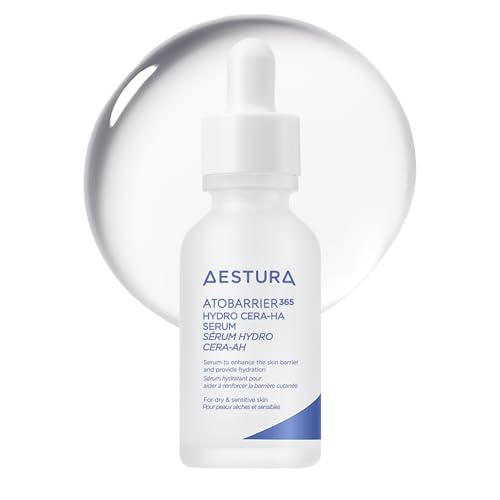
A ceramide-first essence that rebuilds the barrier and softens pores while it does it.
For anyone who wants the classic ceramide-barrier approach in the lightest possible format, this is the one. It uses a proprietary ceramide-hyaluronic acid complex — ceramides plus hyaluronic acid, which together hydrate and support the barrier so your skin holds water longer — backed by a triple lipid complex of ceramides, fatty acids, and cholesterol. That trio matters because it mirrors what your skin actually builds its barrier out of. Niacinamide, vitamin E, and glycerin round the formula out. It’s allergy-tested, non-comedogenic (meaning it’s formulated not to clog pores), and free of fragrance, colorants, and mineral oils.
The consistency sits between a watery serum and a light cream, which is the detail long-term users keep mentioning. What stands out in the write-ups is depth of hydration — people describe skin feeling fresh and soft, and pores looking less prominent over weeks of daily use. Four months of steady use is the kind of timeframe that shows up repeatedly: “My skin is not as dry, less large pores and nice and smooth. No skin irritation or fragrance.” Designed as an essence, it layers under cream and sunscreen without any of the slip problems a heavier serum brings.
The catch is the format. This is a 30 mL bottle, and a few users note it “doesn’t last long or provide desired slip” — the texture is more of a light essence than a cushioning serum, so if you want that thick, occlusive hug you need a cream on top. The brand claims clinical proof of improved elasticity, and the label says allergy-tested and intense moisture without irritation — manufacturer statements, not verified testing. The listing also shows mixed opinions on value for the size.
What makes the case: ceramides, fatty acids, and cholesterol in one light essence is a clean, classic barrier formula — and the texture means you’ll actually layer it daily rather than treating it like a special-occasion product.
One honest note: the finish is lighter than people expecting a “serum” may want. Pair it with a moisturizer to seal the hydration in.
Suits you best if you’ve already got a moisturizer you love and want a light, ceramide-dense essence to go underneath it every day.
Skip in favor of the Naturium if you want a serum that feels like a plush cushion and delivers visible dew on its own.
Know the Specs
Ceramides, Cholesterol, and Fatty Acids
These are the three fats your skin barrier is built from, and formulas work best when they include all three rather than leaning on one. Look for a “ceramide complex” or “triple lipid complex” on the label — the Naturium, LAYERLAB, and AESTURA picks all use one.
Niacinamide Percentage
This is the number that decides tolerance. Lower doses suit reactive skin from day one; higher doses deliver faster brightening but demand a slower ramp-up. JUMISO runs 20%, Anua runs 10%, and LAYERLAB runs 4% — same ingredient, very different experience.
Panthenol and Squalane
Panthenol (a B5 form) calms and cushions skin that stings; squalane (a plant-derived oil similar to what your skin makes) seals water in and leaves a dewy finish. The LAYERLAB formula leads with 5% panthenol; the Naturium leads with 5% squalane.
Fragrance-Free vs Synthetic Fragrance Free
Fragrance-free means no added scent at all — the safest bet for reactive skin. “Synthetic fragrance free” leaves room for natural scent components, which can still bother some people. Check which one your skin has reacted to before.
Common Questions
Can I layer a barrier serum under my moisturizer and sunscreen?
Is 20% niacinamide too strong for my skin?
Can I use a barrier repair serum with retinol or tretinoin?
How long should a bottle of barrier serum last?
Which is better for dark spots — niacinamide or tranexamic acid?
Are these serums safe for sensitive or acne-prone skin?
Do I need to shake a barrier serum before applying?
What texture should I pick for day vs night use?
Does a barrier serum replace my moisturizer?
Can I use a body serum formula on my face?
The Bottom Line
For most people, the barrier repair serums winner is the Naturium Barrier Bounce Serum — the 5% squalane and 2% urea formula is the rare combination of cushioned, dewy, and un-fussy, and it’s the biggest bottle here at 1.7 fl oz. If you’re chasing dark spots and uneven tone, reach for the JUMISO 20% Niacinamide Serum and use it as directed. And if your skin stings at the first touch of anything, the LAYERLAB Barrier Boost Serum is the calm, cushioned reset to start with — a small, specific-brief formula with its own tested calming numbers.
How we choose
We do not accept paid placement. Every pick is matched to a real buyer and a real use-case; we do not hands-on test units.
Sources
Specifications: manufacturer listings and product documentation. Review insights: verified customer reviews, as of October 2026. Pricing: not shown on this page (it changes often); check the current price via the retailer link.
As an Amazon Associate, Aappliancez earns from qualifying purchases. This does not affect which products we feature.