Disclosure: Some links in this post are affiliate links. As an Amazon Associate I earn from qualifying purchases, at no extra cost to you. Learn more
Specs are compiled from manufacturer listings and verified buyer reviews and can change over time — please confirm the key details on the product page before buying.
Here is the short answer before you read anything else: the right barefoot shoe is the one whose toe box actually matches your foot’s spread and whose sole you can still flex with your hands. Everything else — the brand name, the colourway, the marketing language about “natural movement” — comes second. The guide below walks through the picks worth your attention, what each one genuinely does well, and where each one asks you to compromise.
This guide is built by comparing the manufacturers’ published specifications and the patterns across verified customer reviews, so you get each pick’s real strengths and trade-offs instead of marketing spin.
A barefoot shoe only works if the fit is right, so start there and read the sizing note on each pick before you commit. Below you will find the barefoot shoes that earn their place.
Top Picks

How To Choose The Best Barefoot Shoes
The mistake most first-timers make is buying a barefoot shoe because it looks minimal and then wearing it for a full day straight away. These shoes change which muscles do the work, and your feet need a ramp-up period. Buy for fit first, cushioning second, and terrain third.
Start with the toe box, not the brand
A wide toe box is the whole point. You want your toes to sit flat and spread without pressing against each other or curling under. A foot-shaped front end lets that happen; a tapered one does not, no matter what the listing says. Measure your foot at the end of the day when it is at its largest, and compare that width to the shoe’s stated fit.
Understand what zero drop does to your stride
Zero drop means the heel and the toe sit at the same height off the ground. Regular shoes often lift the heel, which lets your calf stay shortened. Level shoes put your calf and Achilles on a gentle stretch with every step. That is why a gradual break-in matters and why a sudden switch can leave you sore for a week.
Match sole thickness to where you walk
Thin soles give you more information about the ground, which helps balance. Thick soles protect you from sharp rocks but mute that feedback. If you walk mostly on pavement and gym floors, a thin flexible sole is comfortable. If you hike on rocky trails, a thicker sole with a lugged tread makes more sense.
Check the return policy before you commit
Sizing in this category is genuinely inconsistent, and several picks below run small or large by design. Order from a seller with a clear return window, and try the shoes on indoors first so the soles stay clean.
Side-by-Side Comparison
| Model | Best For | Drop | Weight | Toe Box | Amazon |
|---|---|---|---|---|---|
| ALTRA Men’s Lone Peak 9★ Best Overall | Trail hiking and long days out | 0 mm | 11.15 oz / 316 g | Roomiest Altra FootShape | Amazon |
| New Balance MT10V1 MinimusFeatherweight Pick | Fast, light trail runs | — | 6.6 ounces | Forefoot toe splay | Amazon |
| WHITIN W81V2 CanvasBest Budget Entry | Everyday wear on a tight budget | Zero drop | 7.05 ounces | Foot-shaped, wide | Amazon |
| Hike Footwear HF Stride | Hands-free slip-on daily wear | Zero drop | — | Wide toe box | Amazon |
| Xero Shoes Nexus Knit | Gym and casual lifestyle | Zero drop | — | Wide toe box, narrow ball | Amazon |
| ALTRA Escalante 4 | Road running and gym work | 0 mm | 8.5 oz | Altra FootShape | Amazon |
| Xero Shoes HFS II (Women’s) | Lifting, HIIT and gym floors | Zero drop | — | Wide toe box | Amazon |
| Vibram FiveFingers Trek Ascent Insulated | Cold-weather trails and snow | — | 10 ounces | Individual toe pockets | Amazon |
| Vivobarefoot Primus Lite 3.5 | CrossFit and all-day everyday | Zero drop | — | Wide fit | Amazon |
| Flux Footwear Adapt Runners | Walking and travel without the barefoot look | Zero drop | — | Wide toe box | Amazon |
| Vivobarefoot Magna Forest ESC | Rugged hiking in leather and wool | Zero drop | — | Wide toe box (runs medium) | Amazon |
Detailed Reviews
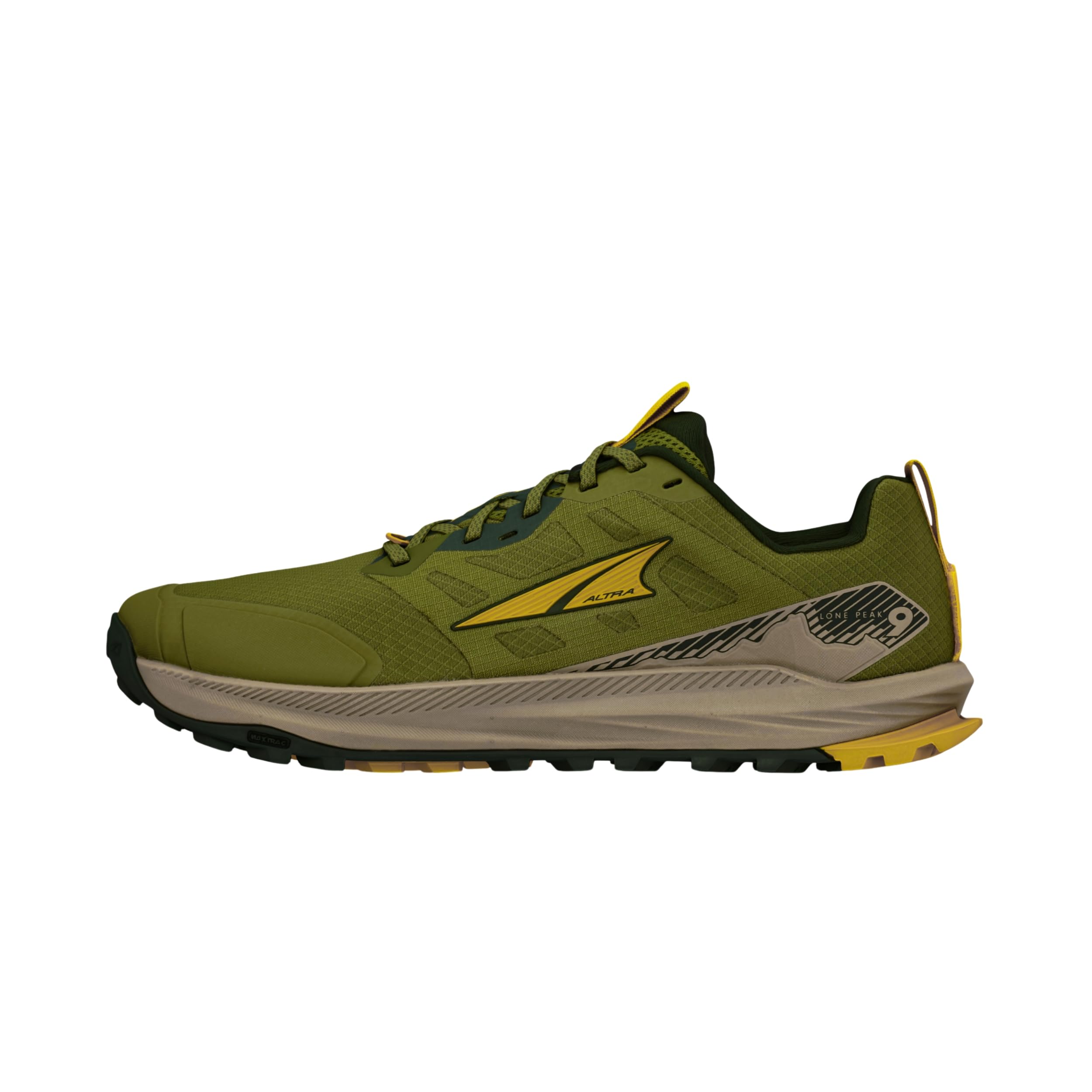
1. ALTRA Men’s Lone Peak 9 Trail Running Shoe
Our pick — 4.5+★ from 1,000+ verified ratings; the strongest balance of quality and price.
The trail shoe that keeps its grip for months and never pinches your toes on the way down.
Altra’s roomiest FootShape toe box is the headline here — the front of the shoe is built to let your toes sit flat and spread while the midfoot stays locked. The heel and toe both sit at 0 mm drop (level with the ground), so your calf and Achilles get a gentle stretch on every step rather than a shortened position. Stack height is 25 mm, which is enough sole to cushion rocky ground without burying your sense of the terrain.
Underneath sits the MaxTrac outsole, a sticky rubber compound the maker describes as combining grip, traction and durability across terrain types. A Stoneguard insert adds a firm, flexible plate underfoot that shields you from rocks and debris. The upper is a recycled ripstop mesh with no-sew overlays built for high-mileage wear, and at 11.15 oz / 316 g the shoe carries real trail protection for its weight.
Owners describe the fit as genuinely wide — one noted it runs even wider than a Merrell in the same size, and another walked a steep, wet 12-mile hike the day after delivery with almost no break-in and no blisters. That all-day comfort is the strongest theme in the feedback, followed closely by the quality of the build. Long-haul trail walkers report the tread still holding after seven months of daily use. Some find the price hard to justify, and durability has its sceptics — a few report seams coming apart early. Traction on wet rock and steep descents is called merely decent rather than exceptional, and the zero drop takes getting used to if you have always worn a lifted heel.
Where the Lone Peak 9 pulls ahead
- Altra’s roomiest toe box — toes spread flat instead of curling
- 0 mm drop levels heel and toe for a natural stride
- MaxTrac rubber plus a Stoneguard plate for rocky ground
- Recycled ripstop mesh upper built for high-mileage wear
- 11.15 oz / 316 g with real trail protection built in
Where it asks you to compromise
- Zero drop needs a gradual break-in for first-timers
- Wet-rock and steep-descent grip is decent, not exceptional
- Seam failures turn up in a small share of long-term reports
- Not waterproof — breathable and quick-drying instead
Reach for this if: you want one shoe for hiking, trail walking and long days on your feet, and you value toe room above everything.
Think twice if: you hike mostly on slick, steep rock and need the stickiest rubber available.
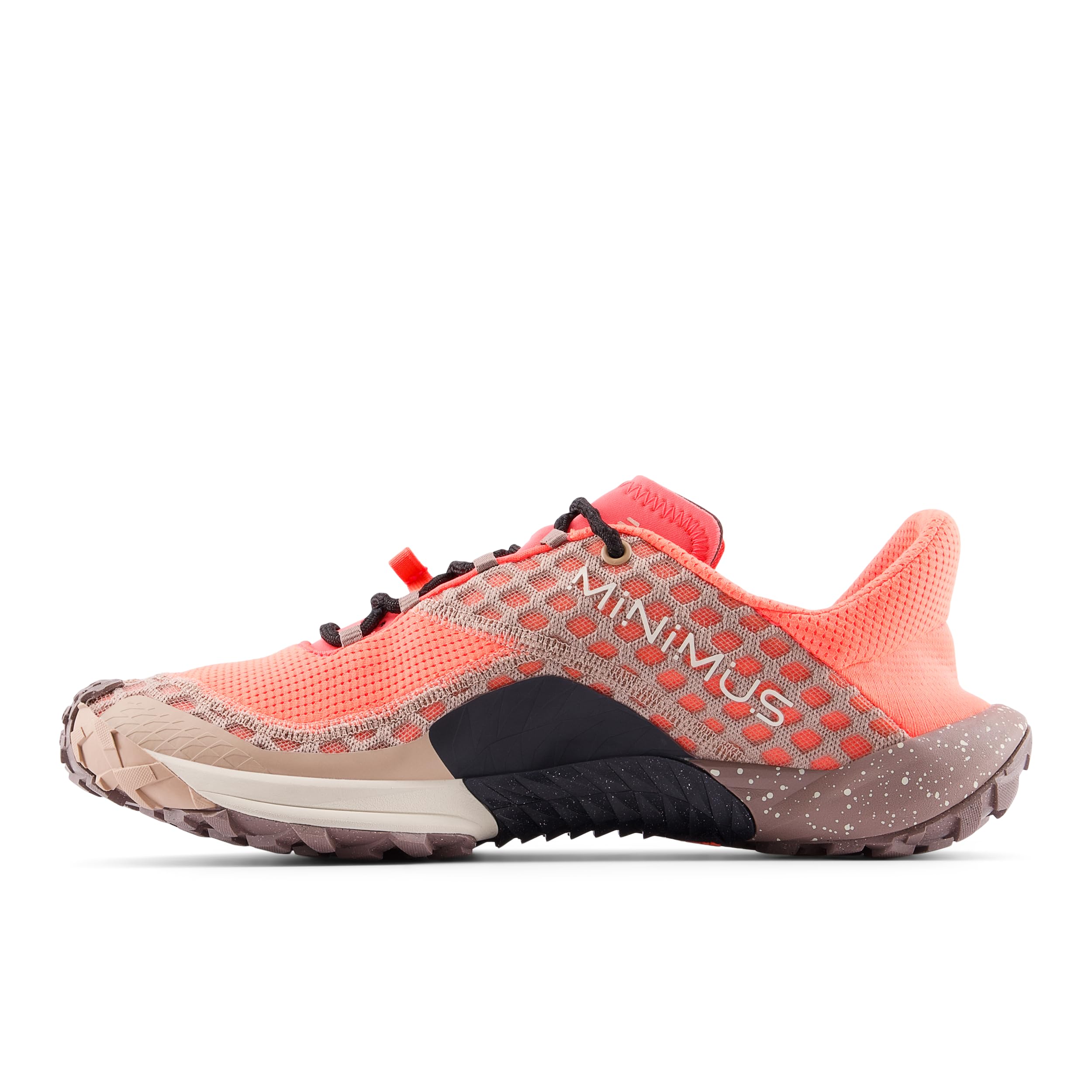
2. New Balance Men’s MT10V1 Minimus Trail Running Shoe
The lightest thing on this list, and the one that disappears on your foot.
At 6.6 ounces this is the flyweight of the group — lighter than the Altra Lone Peak 9 above at 11.15 oz / 316 g, and noticeably lighter than the WHITIN canvas sneaker at 7.05 ounces. New Balance brought back the original Minimus fit and feel, with a forefoot that allows toe splay and a midfoot wrap that holds the foot steady. Underneath, the Vibram outsole uses strategically placed flex grooves so the shoe bends where your foot bends instead of fighting it.
The upper is a new material that keeps the shoe breathable and fast-draining. Runners in hot weather and creek crossings find it sheds water and heat quickly. Comfort is what carries this shoe — the cushioning and fit are the two things people come back to again and again, and the lightness follows right behind.
The honest catch is stability on rough ground. The shoe is glued to your foot on flat paths and groomed trails, but on loose rock the foot can roll inside the shell, and one runner reported toe blisters after a four-mile hike from that instability. The fit also draws mixed reactions — some find it very narrow, and the listing itself advises measuring both feet and buying to your larger one. Durability is the other split: plenty of owners log long stretches without trouble, but buyers report the sole came off after around two months of one-to-three-times-a-week wear. The “urgent red” colourway arrives closer to safety orange than the photos suggest.
Who it is built for: flat-to-groomed trail runners who want almost nothing between their foot and the ground, and anyone who wants a barefoot-feel shoe they can pack without noticing the weight.
The trade you make: rock protection is minimal and padding is thin, so rocky descents and long technical hikes are not where this shoe shines.
Fits best: a neutral runner on smooth trails, summer heat or wet conditions who wants maximum ground feel for minimum weight.
Look elsewhere if: your regular route includes loose rock or you have wide, sensitive feet that need padding.
3. WHITIN Men’s Canvas Wide Barefoot Sneakers W81V2
The cheapest honest way to find out whether zero drop suits your feet.
Canvas, a wide foot-shaped front, a level heel-to-toe sole — that is the whole recipe, and it lands at 7.05 ounces, which makes the WHITIN lighter than the 11.15 oz / 316 g Altra Lone Peak 9 and only a shade heavier than the New Balance Minimus at 6.6 ounces. The outsole is built for grip on pavement, gravel and everyday ground. The thin insole is the thoughtful part: it lets you ease into zero drop before you commit to full ground feel.
Comfort is what buyers talk about, and quality runs second. It has a clean, sock-like fit that handles rocks better than its price suggests, and it cleans up easily after a muddy walk. One buyer has worn their pairs almost exclusively for four years, which says something about the canvas construction. It also does not look like a barefoot shoe, so it passes in an office or a café without comment.
Where it falls down is fit consistency and long-term wear. Roughly as many people call it narrow as call it wide, and the newer design changed the opening and tongue in ways that some long-time owners find less comfortable than the previous version. Tread life is the other limit — expect it to bald under heavy daily use, and the tread is slick on wet surfaces. For that reason alone, treat this as a city and gym shoe rather than a wet-weather trail shoe.
The value read: if you are curious about barefoot walking and do not want to spend much to test the idea, this is the low-risk starting point. It nails the shape and the zero drop and stays comfortable doing it.
What you give up: arch support is absent and the tread wears through faster than premium pairs, so plan on replacing it in a season or two of hard use.
Pick this for: a first barefoot shoe, everyday errands, gym sessions and anyone testing zero drop on a budget.
Not the one for: wet-weather grip, high-mileage trail running, or feet that need arch support built in.
4. Hike Footwear HF Stride Barefoot Slip On Shoes
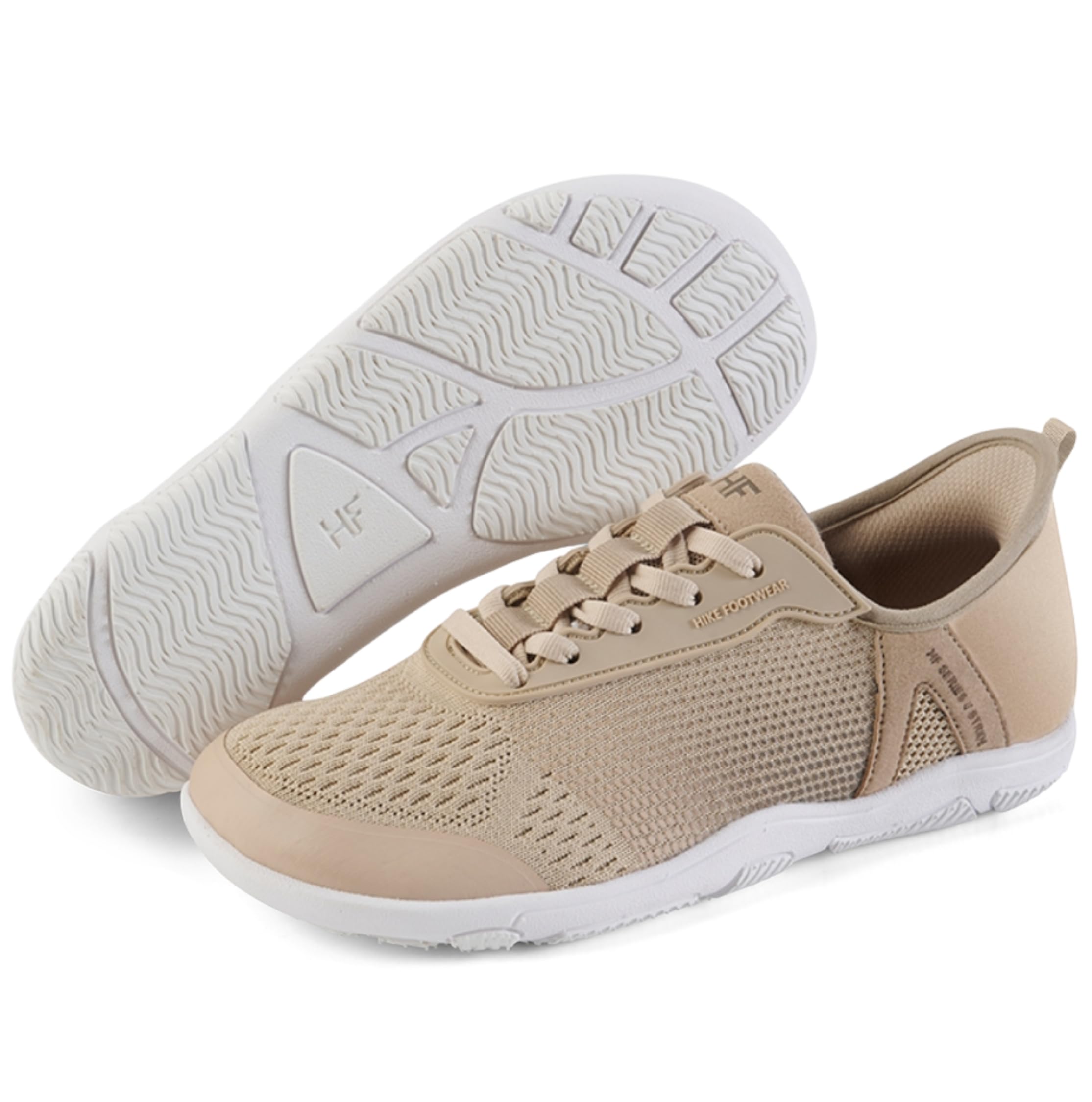
Barefoot shape without the bending down — the slip-on that keeps the wide toe box intact.
Hike built the HF Stride around a hands-off entry system, so you step in without crouching or fighting a tight collar, and the shoe still keeps the ergonomic shape of a barefoot design. The sole is ultra-flexible and moves with the natural mechanics of your foot. The upper is lightweight and breathable for all-day wear. There is no lacing to retie and no break-in period spent wrestling the opening.
Comfort is the dominant theme in the feedback, and quality comes second. The shoe is machine washable, which is a real convenience for a slip-on you wear without socks. People with bunions and swelling find the wide toe box genuinely accommodates their toes without pinching, and buyers who need extra room report that a half-size up does the job. Balance is mentioned often too — the ground feel helps wearers adjust to terrain with their toes, which several older owners describe as reassuring on walks.
The trade-offs are real but narrow. Durability is the weakest signal: a few units arrive with a crooked tongue that slides and irritates the top of the foot, and one insole pulls out every time the shoe comes off. The thin sole also runs cold outdoors in cold weather and transmits larger rocks on uneven ground, so smooth, flat surfaces are where it feels best. There is no arch support built in, though inserts fit inside if you want them.
Why owners keep buying seconds: the slip-on entry plus the wide toe box is a combination that is genuinely hard to find, and it suits anyone who has trouble bending down or lacing up.
The honest limit: it is a pavement and gym shoe. Rough, rocky ground and cold weather are outside its comfort zone.
Best match: anyone who wants barefoot shape with zero lacing effort — travel, errands, light outdoor use, and wearers who need easy on-and-off.
Skip it for: rocky trails, cold-weather walks, or if you need arch support built into the shoe.
5. Xero Shoes Men’s Nexus Knit Zero Drop Sneaker

The barefoot sneaker you can wear to dinner without anyone asking why your shoes look strange.
Xero’s Nexus Knit is the fashion-forward pick of the group, and the knit upper is the reason. It is breathable, lightweight and 100% vegan, with a tasteful colour palette that reads as a normal casual sneaker. The sole is thin and on the firmer side, which keeps ground feel intact while giving you a clean silhouette. It is a summer shoe through and through — the knit lets heat out and the thin sole does not hold warmth in.
Appearance is what wins people over here, and comfort follows close behind. It works as a walking and running shoe, and buyers chasing a substitute for pricier minimalist brands find it does the job for less. The thin, harder sole is a genuine asset for anyone who has found cushioned shoes unstable — one buyer with neuropathy, after years of wobbling in thick foam, found the flat, firm platform solved the problem. The insoles come out, which lets you dial the feel in or out.
The catch is fit around the ball of the foot. The toe box is genuinely wide, but the midfoot and ball run narrow — a buyer with unusually wide feet found the overall shoe too tight even though the front had plenty of room. The upper is also stretchy, which makes it less locked-in than Xero’s stiffer models, and the knit needs break-in before it stops feeling tight. A sole separation has been reported, and one buyer advises ordering direct from Xero so the warranty applies.
What makes it different: most barefoot shoes look like barefoot shoes. This one looks like a trainer, and the 100% vegan knit build keeps it light and cool through summer.
The fit note that matters: wide at the toes, narrow at the ball — if your forefoot is broad across the metatarsals, size up or look elsewhere.
Worth it for: gym sessions, casual wear, travel and anyone who wants a normal-looking sneaker with a flat, firm sole.
Pass if: your foot is wide at the ball rather than just the toes, or you need a shoe that stays warm in winter.
6. ALTRA Men’s Escalante 4 Road Running Shoe
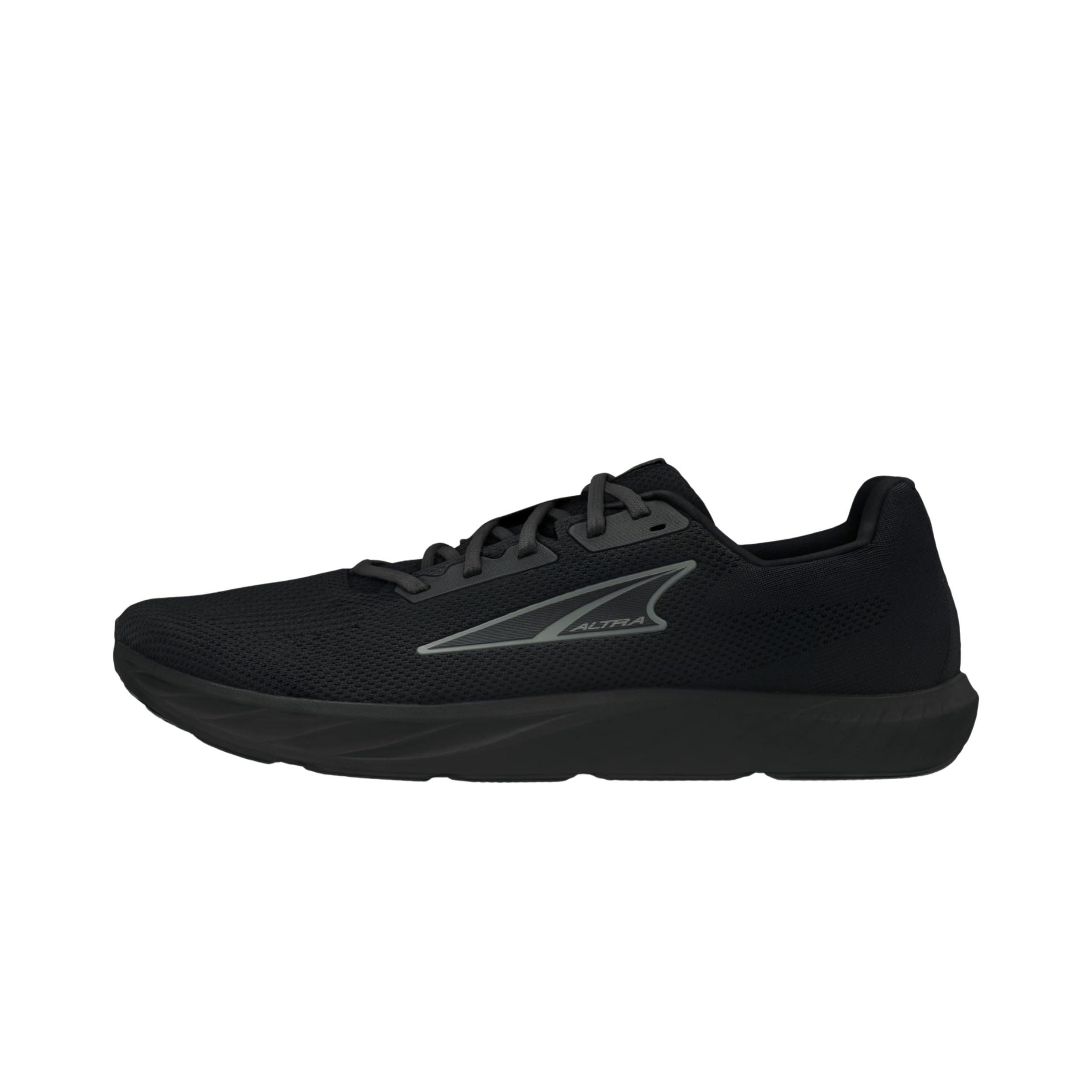
A stepping stone into barefoot running for people who still want cushion under them.
Altra calls the Escalante 4 a nod to the fan-favourite Escalante 1.5, and the spec sheet shows why. It keeps the roomy FootShape toe box and 0 mm drop, then adds a lighter engineered knit upper for a sock-like fit. The EGO midsole foam is the responsive part, and the FootPod outsole supports your foot’s flexibility so the shoe bends with your body rather than against it. At 8.5 oz it sits between the featherweight New Balance Minimus at 6.6 ounces and the trail-ready Lone Peak 9 at 11.15 oz / 316 g.
Quality leads the feedback, and fit is right behind it. Buyers with wide 4E feet report no pressure on the outside of the foot even in long runs, and one wearer logged 300 road miles on a single pair. The medium cushioning is the real draw — it softens road pounding without losing the natural feel, so runners can go from a jog to the gym to errands without changing shoes. The knit upper and tongue are breathable and the tongue is now full-length and secure, which fixes a common complaint about earlier versions.
Durability is the honest weak point. The outsole peeling and upper tears show up in enough reports to be a pattern, and one owner found the reduced heel cushioning plus two vertical heel seams caused blisters within a mile. The mesh upper and tongue are also slightly scratchy against bare skin. Arch support is low, which suits low arches but not high ones.
The case for it: it is one of the few zero-drop road runners with enough foam to protect your joints, and the 8.5 oz weight keeps it lively on daily training runs.
Where it asks for care: the knit upper is not built to survive years of hard road miles, so plan on replacing sooner than a leather or ripstop shoe.
Good fit for: road runners moving toward a natural stride, gym users who want a flat platform, and anyone who needs a wide toe box with some cushion underfoot.
Wrong pick if: you need arch support, you run high mileage on rough asphalt, or you have had blister trouble from heel seams in other shoes.
7. Xero Shoes Women’s HFS II Barefoot Running Shoes

Built for lifting and HIIT, where a flat, firm platform does more for you than cushioning ever will.
The HFS II runs on zero cushion — the sole is flat, firm and thin, with no foam to compress under load. For squats, deadlifts and HIIT circuits that is exactly what you want, because a stable base means your force goes into the bar instead of into the shoe. The build is 100% vegan and lightweight, and the flexible sole conforms to your foot shape rather than forcing it straight. It sits in the same family as the Xero Nexus Knit above but with a more substantial sole.
Comfort leads the praise, and looks come second. The colours are classy — owners mention the gray and black-to-gray colourways are darker in person than the photos suggest, without being off-putting. Wearers doing 12-hour shifts report no foot ache and stronger feet and ankles after several months. The upper holds up over near-daily use. Laces are stiff but stay tied.
Sizing is the part that needs your attention. Xero’s half-size-up guidance did not work for everyone — some wearers went a half size down from their normal shoe, others went up. The toe box depth also catches people out: a buyer with a longer, fatter big toe found the top of the box rubbed. And the sole is genuinely hard. Buyers who want cushioning for long runs will find it the least comfortable option of the barefoot brands they have tried.
Why it works in the gym: a firm, zero-cushion platform turns your foot into a stable base for lifts, and the flexible build keeps the natural spread intact.
The fit risk: sizing guidance is unreliable across buyers, so measure your foot and buy from a seller who takes returns.
Made for: women lifting weights, doing HIIT, or standing for long shifts who want a flat platform and a wide front.
Look past it if: you want cushioning for road running, or you have a long big toe that needs extra depth in the toe box.
8. Vibram Men’s FiveFingers Trek Ascent Insulated
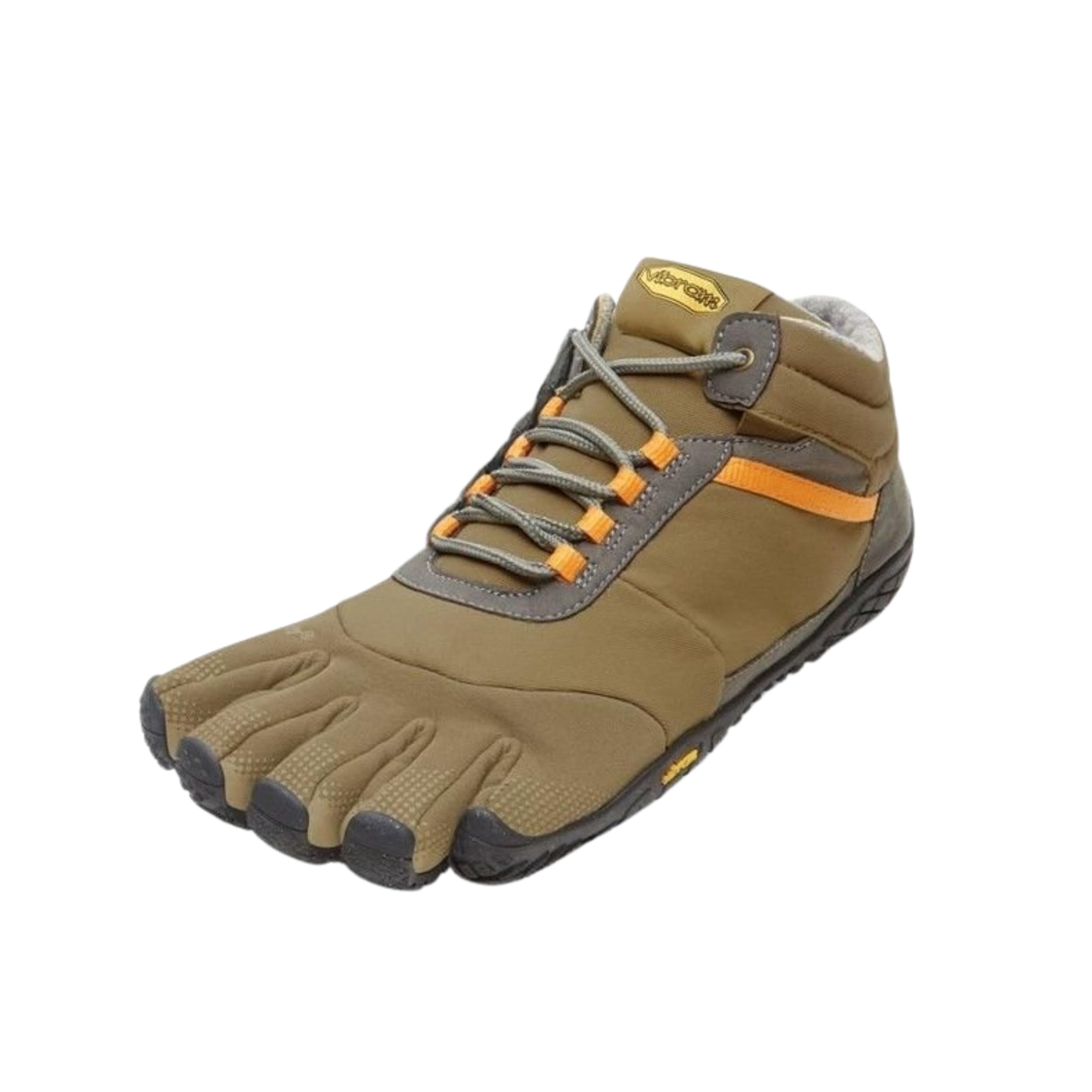
Five separate toes, a wool lining, and grip built for snow and ice.
Vibram built this model for the cold specifically — an insulated upper keeps heat in while the ice trek outsole (rubber engineered for icy, cold surfaces) gives you grip on snow and frost. The individual toe pockets let each toe move on its own, which is as close to true barefoot movement as a shoe gets. Around the ankle the material is soft against the skin. At 10 ounces it stays reasonably light for a winter shoe.
Warmth is the thing that makes this shoe worth owning. Owners run in it at 14°F and walk through snow and windchill with feet staying warm and reasonably dry. The wool lining does the work start to finish, and one runner found the thick rubber soles gave strong grip while still keeping road feel and toe flexion. A few owners with back trouble say the flat, foot-shaped platform eased their lower back pain compared with regular shoes.
Now the sizing, which you cannot skip. The insulation is packed into the same outer shell, so this model runs small — Vibram’s own listing tells you to go up one size, and owners who normally wear a 42 ended up in a 44. Several report the toe pockets feeling snug at first, and the seams inside the toe pockets can be hard and protruding, with some buyers needing a size up to fix it. The shoe is also not waterproof, and one long-term pair ripped at the side after a few months of indoor-only wear. Wear them with toe socks if you plan on cold-weather use.
What earns this shoe its place
- Wool lining keeps feet warm in sub-freezing windchill
- Ice trek outsole engineered for grip on cold, icy surfaces
- Individual toe pockets for true independent toe movement
- Soft ankle material and a breathable, foot-shaped shell
Where it tests your patience
- Runs small — Vibram advises going up one size, some go up two
- Toe-pocket seams can be rigid and pinch during break-in
- Not waterproof, so wet ground calls for boots
- Durability is uneven, with side rips reported on some pairs
Buy it for: winter trail runs, snowy walks and anyone who wants five-toe ground feel with warmth built in.
Order with care: size up, expect a short break-in in the toe pockets, and wear toe socks.
9. Vivobarefoot Primus Lite 3.5 Barefoot Shoes

The shoe that ruins other shoes for you — thin sole, wide front, a mesh upper that breathes.
Vivobarefoot’s Primus Lite 3.5 is built around ground feel. The sole is ultra-thin and durable, with a hexagonal tread pattern that grips across surfaces, and the black mesh upper keeps the whole shoe breathable and light. It is fully vegan. The intent is to bring you as close to barefoot as a shoe allows while still giving you protection, and it achieves that better than most — which is why it lands near the top of this list.
Comfort carries the feedback, and fit follows close behind. Owners log 10,000+ steps a day in it without issues — gym, garden, dog walks and office included. The mesh is surprisingly hard to scuff or tear given how light the build is. A flat-footed wearer with a narrow heel and wide toes reports it stays comfortable, grounded and flexible enough to pivot in. After a couple of weeks, buyers notice better toe spread and less tightness in their feet.
Sizing runs large — the listing itself is not the problem, but buyers need to know this. Size down half a size or a full size and you get the fit right. Expect some calf and foot soreness in the first weeks as your feet adjust. Durability is the split opinion: the shoes hold up well for many owners, but a few see seams tear early, and one pair lasted four months. This is not a rugged trail shoe, so rocky ground will wear it faster.
The thing you will notice first: how much information you get from the ground through that thin, hexagonal sole — which is what makes it feel natural rather than just minimal.
The one adjustment: size down. This shoe runs large, and a wrong size wastes the shape that makes it worth wearing.
Pick it if: you want one barefoot shoe for CrossFit, daily walks, work and errands, and you value ground feel over cushioning.
Do not pick it if: you need arch support or you plan on rocky, technical trails where the thin sole will wear fast.
10. Flux Footwear Adapt Runners Barefoot Running Shoes
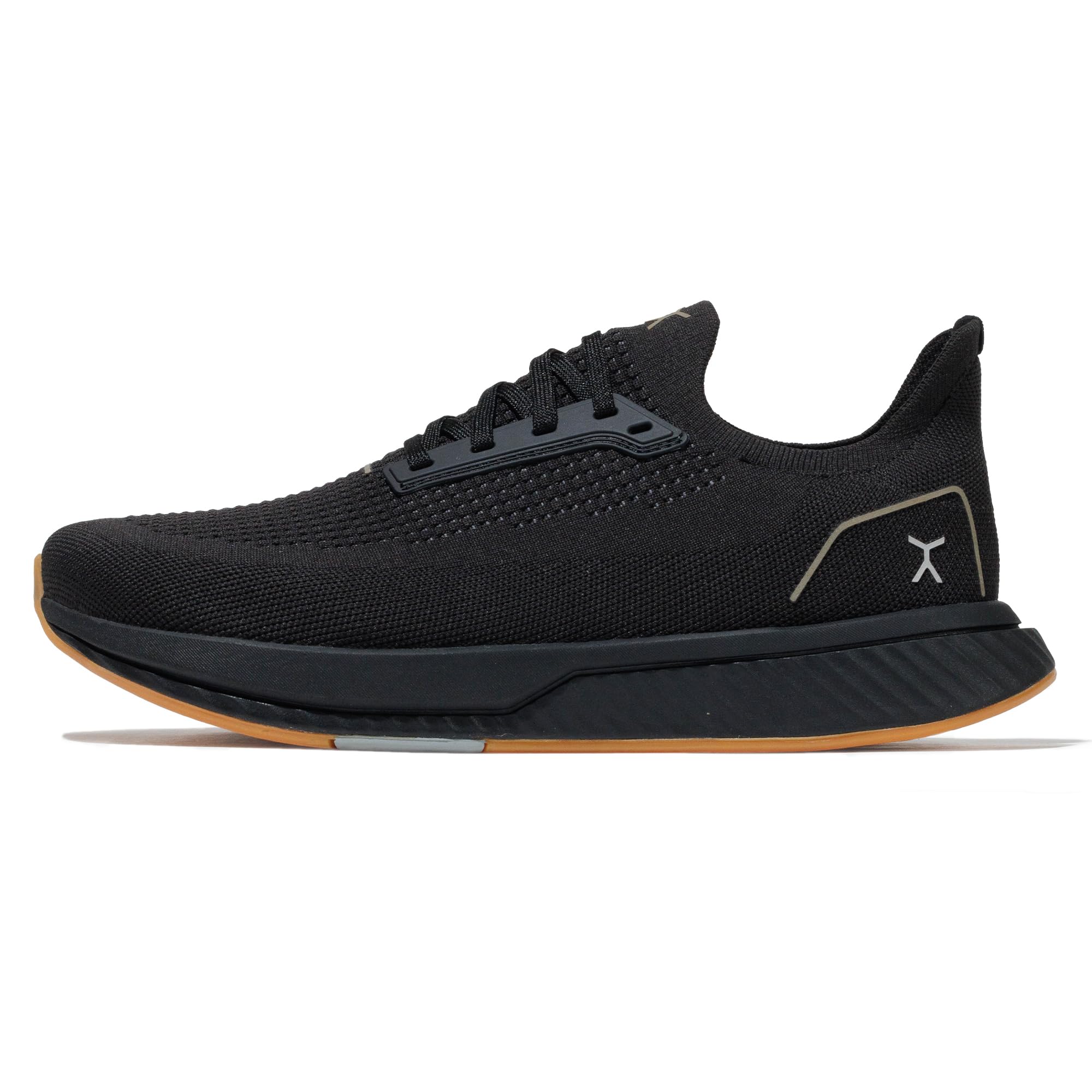
The barefoot shoe for people who do not want to explain their shoes at every party.
Flux designed the Adapt to look like a regular sneaker while keeping the wide toe box and the level zero-drop platform underneath. The soft insole and good cushioning mean it feels more padded than most picks on this list. It is also machine washable — wash cold on a gentle cycle, then air dry away from sunlight so the shoe does not shrink. A machine-washable barefoot shoe is a practical thing to have when you wear it without socks.
Comfort leads the praise, with cushioning and style right behind. Buyers wear it through Disney-scale walking days, on backpacking trips through Europe and on long daily commutes, and it gets compliments for looking like a normal shoe. The white colourway stains easily but washes clean. For anyone who finds the classic barefoot silhouette too unusual for work or social wear, this is the one that blends in.
Sizing is the part that will trip you up. Flux says the Adapt fits small and advises half a size up, but customers note inconsistency — one found the sand colour fit well while the same size in black ran smaller in both length and width. Midfoot tightness is a real theme too, and people with high arches find the shell chokes the top of the foot. Durability is split, with some pairs holding up and others coming apart. Return policies are not always generous, so try them indoors early and commit only once you are sure.
The reasons it earns a spot
- Looks like a normal sneaker, not a barefoot shoe
- Machine washable — cold, gentle cycle, air dry
- Soft insole and good cushioning for long walking days
- Wide toe box without the wide-looking footprint
What to watch before you order
- Tight through the midfoot, especially for high arches
- Sizing varies between colourways of the same shoe
- Durability is uneven across pairs
- White upper stains easily but washes clean
A strong match for: travel, long walking days, commuting and anyone who wants a flat sole and wide front in a shoe that reads as ordinary.
Order carefully if: you have high arches or wide midfeet, or you want to avoid the return hassle — size up a half and try them indoors.
11. Vivobarefoot Magna Forest ESC Hiking Trainers
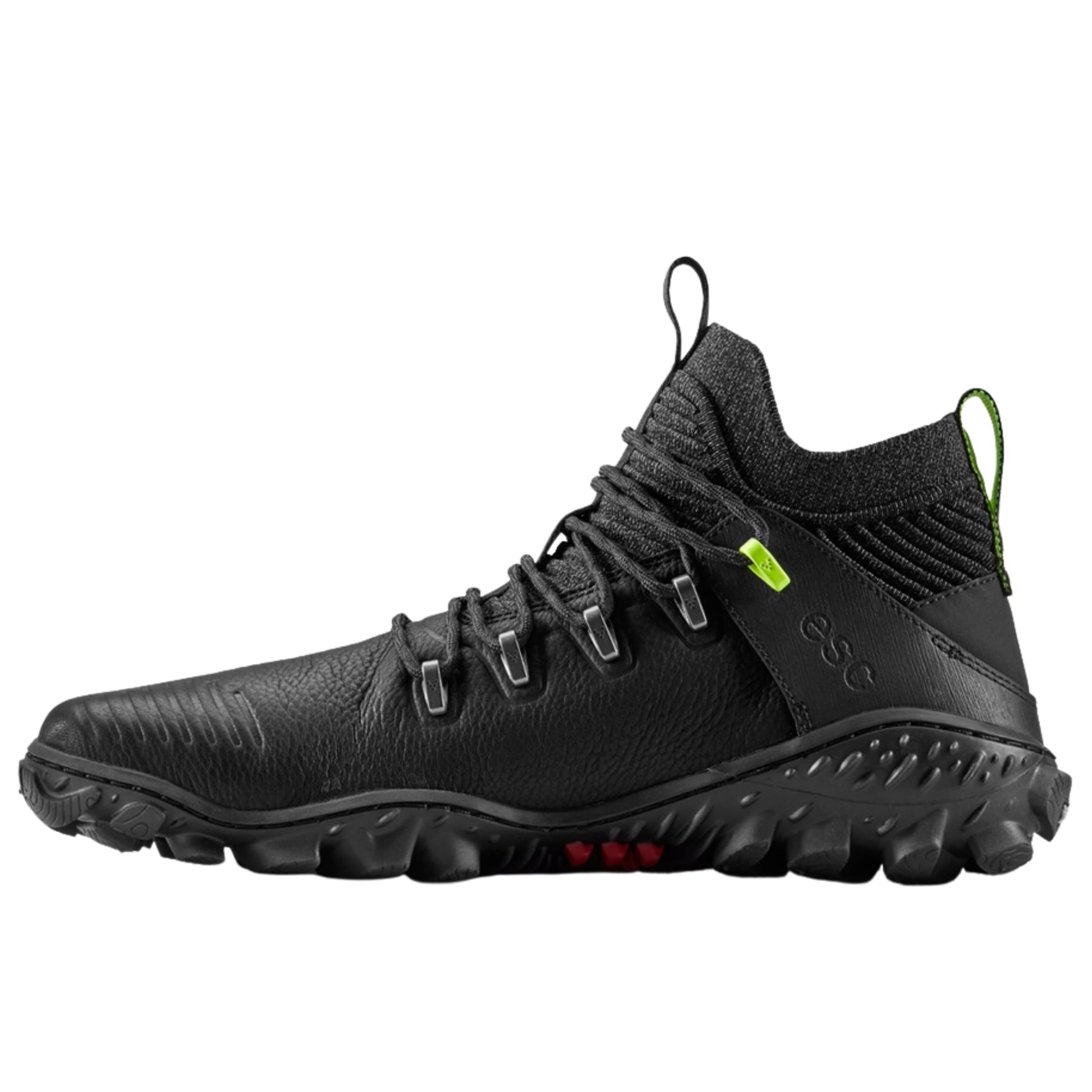
The most expensive pick here, and the only one that reads as a proper hiking boot.
Leather and wool in a zero-drop, wide-toe-box shell with a thick lugged sole — that is the Magna Forest ESC in one line. The sole grips well on rough ground while still flexing front to back and side to side. The shell protects you from sharp rocks but you still feel the terrain underneath. The wool-blend ankle collar is heavy and elastic, which makes the shoe harder to pull on but keeps it secure without cranking the laces. It looks and feels expensive because the materials are.
Quality leads the feedback, with comfort and durability right behind. Owners compare it to a rugged moccasin with a sole, and one wearer swapped out every Merrell and Keen boot they owned for these. Owners use it for building maintenance, 14er hikes and everyday wear, and the leather still shows no signs of giving up after a year of near-daily use. That range alone makes it unusual. Buyers also note the toe box and minimal sole promote a natural stride.
The catch is width. Vivobarefoot sells it as a wide shoe, but the tongue on at least some pairs reads “M” for medium, and buyers with genuinely wide feet find it too narrow for its category. If your foot is broad, this shoe may not deliver the empty, unconfined feeling that the wider Lems and Altras do. The stiff leather also needs two to four weeks to break in, and some pairs arrive without the leather oil that Vivobarefoot’s own site mentions. It is also not a slip-on — you will sit down and lace up every time.
The standout spec: a thick lugged sole on a zero-drop, leather-and-wool upper is a combination very few shoes offer, and it gives you ground feel plus protection in one package.
Who this really fits: medium-width feet that want a rugged, year-round hiking shoe — not genuinely wide feet looking for maximum toe room.
Worth it for: hikers who want one leather-and-wool boot for daily wear and trails, and who value quality materials over a low price.
Look elsewhere if: your feet are genuinely wide, or you want the roomiest toe box this category can offer.
Know the Specs
Zero Drop And Stack Height
Zero drop means the heel and toe sit level with the ground, so the shoe does not lift your heel the way most trainers do. Stack height is the thickness of sole under your foot. A 0 mm drop with a thin stack gives you maximum ground feel and demands a gradual break-in. A 0 mm drop with a thicker stack, like the Altra Lone Peak 9’s 25 mm, softens the ground without changing your stride. Both are valid — the choice is how much protection you want versus how much feedback you can tolerate.
Toe Box And Fit Width
A wide toe box is about the shape of the front of the shoe, not the overall size. You want the widest part of the shoe toalign with the widest part of your foot, so your toes sit flat and can spread. A foot-shaped front end lets that happen; a tapered one does not. Some shoes are wide at the toes but narrow across the ball, which is why fit feedback in this category is so split. Measure your foot’s width at the ball and at the toes before ordering, and read the sizing notes on each pick.
Ground Feel Versus Protection
Ground feel is how much information your foot receives from the surface through the sole. A thin, flexible sole gives you more of it, which helps balance and lets your toes grip and adjust. A thicker sole with a lugged tread protects you from sharp rocks and debris but mutes that feedback. For pavement and gym floors, thin works well. For rocky trails, thicker rubber earns its keep — the Vibram Trek Ascent’s ice trek outsole and the Altra Lone Peak 9’s MaxTrac rubber are both built for that job.
Sizing And Break-In
Sizing in this category is genuinely inconsistent. Some picks run large — the Vivobarefoot Primus Lite 3.5 and the Altra Lone Peak 9 both run slightly big, while the Flux Adapt Runners and the Vibram Trek Ascent Insulated run small. The Vibram even needs a full size up because the insulation is packed into the same outer shell. Whatever you buy, try it on indoors first, measure both feet, and buy to your larger foot. Then wear the shoe in short stretches for the first week or two before a full day.
Common Questions
How long does it take to adjust to zero-drop shoes?
Will a wide toe box fix my bunions?
Can I run in barefoot shoes right away?
Are barefoot shoes good for walking on pavement all day?
Should I size up or down in barefoot shoes?
How long do barefoot shoes last?
Do barefoot shoes work for hiking on rocky trails?
Can I wear arch-support insoles inside barefoot shoes?
Are barefoot shoes good for the gym and weightlifting?
What is the difference between zero drop and barefoot?
The Bottom Line
The barefoot shoes pick that makes the most sense for the most people is the ALTRA Men’s Lone Peak 9. It has the roomiest toe box in the Altra line, a level 0 mm platform, a MaxTrac outsole for real trail grip and a Stoneguard insert underfoot. Owners take it straight from the box to a 12-mile hike and report no blisters. If you want a lighter, lower shoe for the gym and everyday wear, the Vivobarefoot Primus Lite 3.5 gives you thin-sole ground feel with a breathable mesh upper and a hexagonal tread that grips. For a first taste of zero drop without spending much, the WHITIN W81V2 gets the shape and the flat sole right, and it is the low-risk way to find out whether this whole way of walking suits your feet. If cold weather and snow are your concern, the Vibram Trek Ascent Insulated is the only pick here built for sub-freezing temperatures, so take the extra size it asks for and wear toe socks.
How we choose
We do not accept paid placement. Every pick is matched to a real buyer and a real use-case; we do not hands-on test units.
Sources
Specifications: manufacturer listings and product documentation. Review insights: verified customer reviews, as of October 2026. Pricing: not shown on this page (it changes often); check the current price via the retailer link.
As an Amazon Associate, Aappliancez earns from qualifying purchases. This does not affect which products we feature.