Disclosure: Some links in this post are affiliate links. As an Amazon Associate I earn from qualifying purchases, at no extra cost to you. Learn more
Specs are compiled from manufacturer listings and verified buyer reviews and can change over time — please confirm the key details on the product page before buying.
If your shoulders ache by lunchtime, the fix is rarely the load — it is how that load hangs. A bag for back pain works by pulling weight toward your spine’s center instead of dragging one shoulder down. Every pick below was chosen for how it carries, not just what it holds, from padded lumbar panels to chest and waist straps that lock a heavy laptop against your body.
This guide is built by comparing the manufacturers’ published specifications and the patterns across verified customer reviews, so you get each pick’s real strengths and trade-offs instead of marketing spin.
A wide strap spreads pressure like a snowshoe spreads weight on snow, and a waist belt takes load off your shoulders entirely. Below you’ll find what actually separates a supportive bag from a fashionable one, so you can grab the right bag for back pain the first time and stop thinking about it.
Top Picks

How To Choose The Best Bag for Back Pain
Start with the carry system, not the pocket count. A bag that lands its weight on a padded lumbar panel or spreads it across a crossbody strap will feel dramatically lighter than one that hangs from a single shoulder — even when both hold the same load.
Match the harness to your body and your load
Full backpack harnesses distribute weight across both shoulders and your upper back, and adding a chest strap or a waist belt transfers more of it to your hips. A crossbody sling, by contrast, rests on one shoulder and crosses your torso — comfortable for lighter loads, but a different feel. If you carry a laptop daily or pack a bag for travel, a dual-strap backpack with a padded back panel is the safer starting point.
Size the bag to what you actually carry
A bag that is too large invites overpacking, and a heavy bag is the fastest way to reintroduce shoulder strain. Match the laptop sleeve to your screen size, since a loose compartment lets your device shift and pull the bag off-center. The padded sections that protect your computer also buffer the bag from digging into your spine.
Look for real support features, not just padding
A padded back panel keeps hard contents from poking your spine, while a breathable lumbar panel reduces heat buildup behind your lower back. Compression straps stabilise a shifting load so the bag stays balanced instead of swinging. And a waist belt, even a removable one, lets you hand off weight to your hips on longer walks.
Side-by-Side Comparison
| Model | Best For | Laptop Fit | Weight | Carry System | Amazon |
|---|---|---|---|---|---|
| SWISSGEAR 1900 ScanSmart Backpack★ Best Overall | Daily commute with a full tech load | Up to 17″ | 3.2 lbs | Contoured shoulder straps + Airflow back panel | Amazon |
| Osprey Nebula Commuter BackpackBest Support | Long carries with a heavy laptop | Up to 16″ | 2.1 lbs | Suspension harness + removable web belt | Amazon |
| The North Face Women’s Vault Backpack | Everyday school and work carry | Up to 15″ | — | FlexVent suspension + lumbar panel | Amazon |
| Osprey Proxima 30L Campus Backpack | Campus and travel with a 16″ laptop | Up to 16″ | — | AirScape mesh foam back panel | Amazon |
| AmeriBag Healthy Back Bag 17″ Sling | Shoulder relief when a backpack is not an option | — | 12.35 oz | Teardrop crossbody sling | Amazon |
| The North Face Women’s Jester Backpack | Light campus and commute days | Up to 16″ | — | FlexVent suspension + lumbar panel | Amazon |
| Samsonite Paralux 2-in-1 Travel Backpack | Multi-day trips with a convertible daypack | Up to 15.6″ | 3.7 lbs | Adjustable shoulder straps + StackIt strap | Amazon |
Detailed Reviews
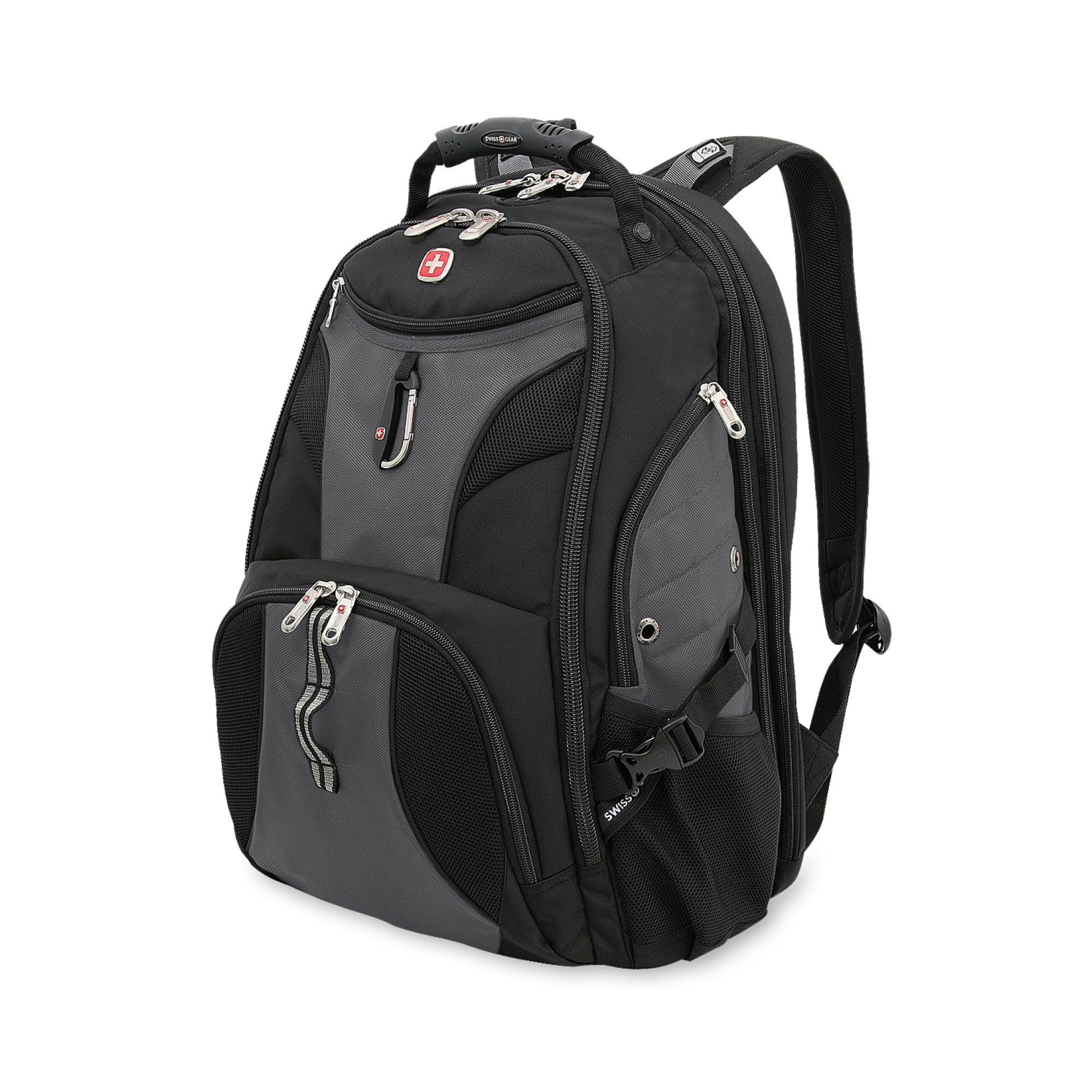
1. SWISSGEAR 1900 ScanSmart Laptop Backpack
Our pick — over 4.5★ from 28,000+ verified ratings; the strongest balance of quality and price.
The workhorse that turns a heavy tech load into a balanced carry
If your commute means a laptop, a tablet, cables, and a change of clothes, this is the one to beat. A dedicated TabletSafe pocket takes tablets up to 10 x 7 inches, so your reader stays upright and protected instead of sliding around the main bag.
What genuinely eases back and shoulder strain is the carry system. Contoured shoulder straps sit over an Airflow back panel that cuts heat buildup against your spine, while compression straps cinch the load tight so it stops swinging. One owner reports packing a computer, keyboard, cables, powerbanks, mice, a camera, a recorder, headphones, and two to three days of clothing without a fight. A document divider and a trolley strap round out the commute-ready layout.
At 3.2 lbs it is heavier than the 2.1 lb Osprey Nebula, so if a featherweight pack is your priority, look there. One quirk worth knowing: the laptop compartment opens from the side only, and its plush arm is secured with velcro, which takes some getting used to. A few also find the lay-flat Security scan feature adds bulk that trims usable room compared to how large the bag looks.
Where it pulls ahead
- Fits laptops up to 17 inches — more room than the 16-inch Osprey Proxima or 15-inch Vault
- Airflow back panel reduces heat buildup against your back on long carries
- Compression straps keep a full load from shifting and pulling you off balance
- RFID-protected front compartment with card slots for travel days
The trade-offs
- At 3.2 lbs it is heavier than the 2.1 lb Osprey Nebula
- Laptop compartment opens side-only with a velcro-secured plush arm that feels fiddly
- Security scan design consumes some usable packing space
Top of the pile: the strongest all-rounder for anyone hauling a laptop plus gear daily, backed by a 5-year limited warranty.
Look elsewhere if: you want the lightest possible pack or a top-loading laptop sleeve.
2. Osprey Nebula Commuter Backpack
The commuter built so a loaded bag stops living on your shoulders
Osprey’s own customers consistently point to quality above everything else when they rate this pack, and that quality shows up exactly where back comfort lives. The suspension harness, chest strap, and removable web belt let you lock the bag against your torso and shift weight onto your hips rather than your shoulders. That is the difference between a pack you tolerate and one you forget you are wearing.
Weighing 2.1 lbs, it is the lightest full backpack in this lineup — a full pound under the SwissGear. The roomy main compartment handles a laptop up to 16 inches and a stack of textbooks, with a dedicated padded document sleeve and mesh pockets for water bottles on both sides. Buyers report it expands from a personal item into a carry-on holding 20kg, so it scales from a day commute to a multi-day trip. The clamshell back opening keeps everything reachable without unpacking the whole bag.
The recurring gripe is the zippers, which occasionally stick and need a firm tug. It also lacks a luggage handle pass-through, which a frequent flyer might miss, and the water bladder opening has no hang hook or Velcro to hold a reservoir steady. On balance, this is a bag you buy once and keep.
Why it earns its spot: the removable web belt is the standout feature here — it converts a shoulder-loaded pack into a hip-carried one, which is exactly what a sensitive back wants on a long day.
Know before you buy: the zippers are the one mixed point in owner feedback — smooth for most, sticky for a few — and there is no luggage handle pass-through for stacking on a rolling bag.
Reach for this if: you want the lightest full backpack here with a belt that off-loads your shoulders.
Give it a pass if: you need a luggage handle pass-through or a 17-inch laptop sleeve.
3. The North Face Women’s Vault Everyday Backpack
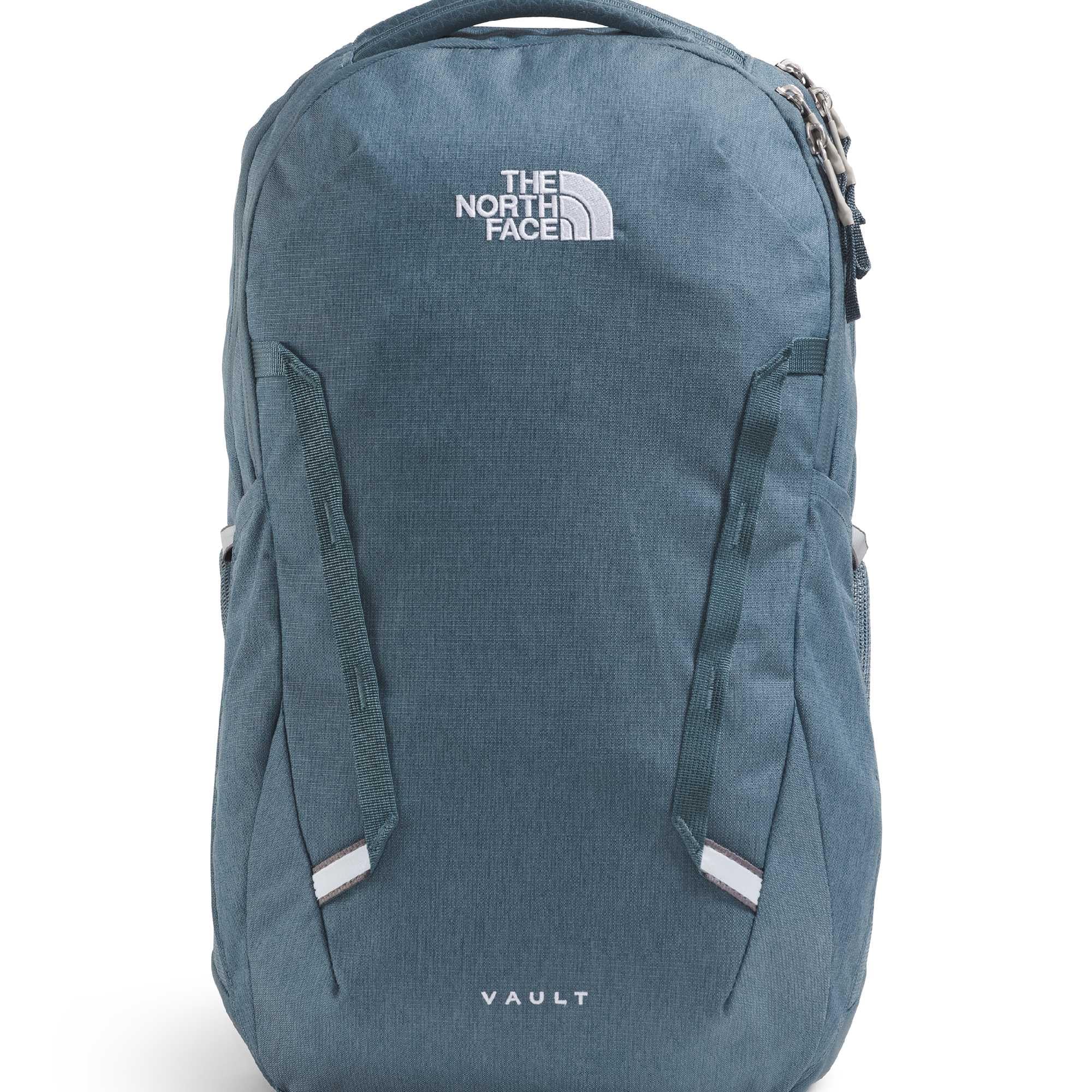
The slim, self-standing pack that keeps everyday weights off your shoulders
For school runs and work commutes where you want structure without bulk, this Vault is the comfortable middle ground. The FlexVent suspension — endorsed by the American Chiropractic Association — pairs a flexible yoke and injection-molded shoulder straps with a padded mesh back panel and a breathable lumbar panel. That lumbar panel is doing real work on your lower back during a long day on your feet.
A water-repellent finish and a self-standing structure make it easy to load and unload without the bag flopping over. The main compartment holds your essentials plus a padded laptop sleeve for computers up to 15 inches, and two external bottle pockets fit most 1L bottles. Owners mention it swallows two thick books, a composition notebook, a folder, a Chromebook, snacks, a pouch, and PE clothes with two deep side pockets to spare. A sternum strap adds extra support when you pack it full.
Its defining limitation is size. The 15-inch laptop sleeve is the smallest of the backpack picks here, and the front pocket is shallow — it cannot hold much once the main compartment is full. That is a fit note, not a flaw: a smaller carrier simply is not built to haul a 17-inch machine or a week of gear.
The value read: you are getting a chiropractic-association-endorsed suspension system and a padded lumbar panel in a slim, self-standing frame — a lot of ergonomic engineering for an everyday pack.
Best matched to: students and commuters who want ergonomic support in a compact, good-looking bag.
Not for you if: you carry a 16-inch or larger laptop or need a deep front pocket.
4. Osprey Proxima 30L Campus Laptop Backpack
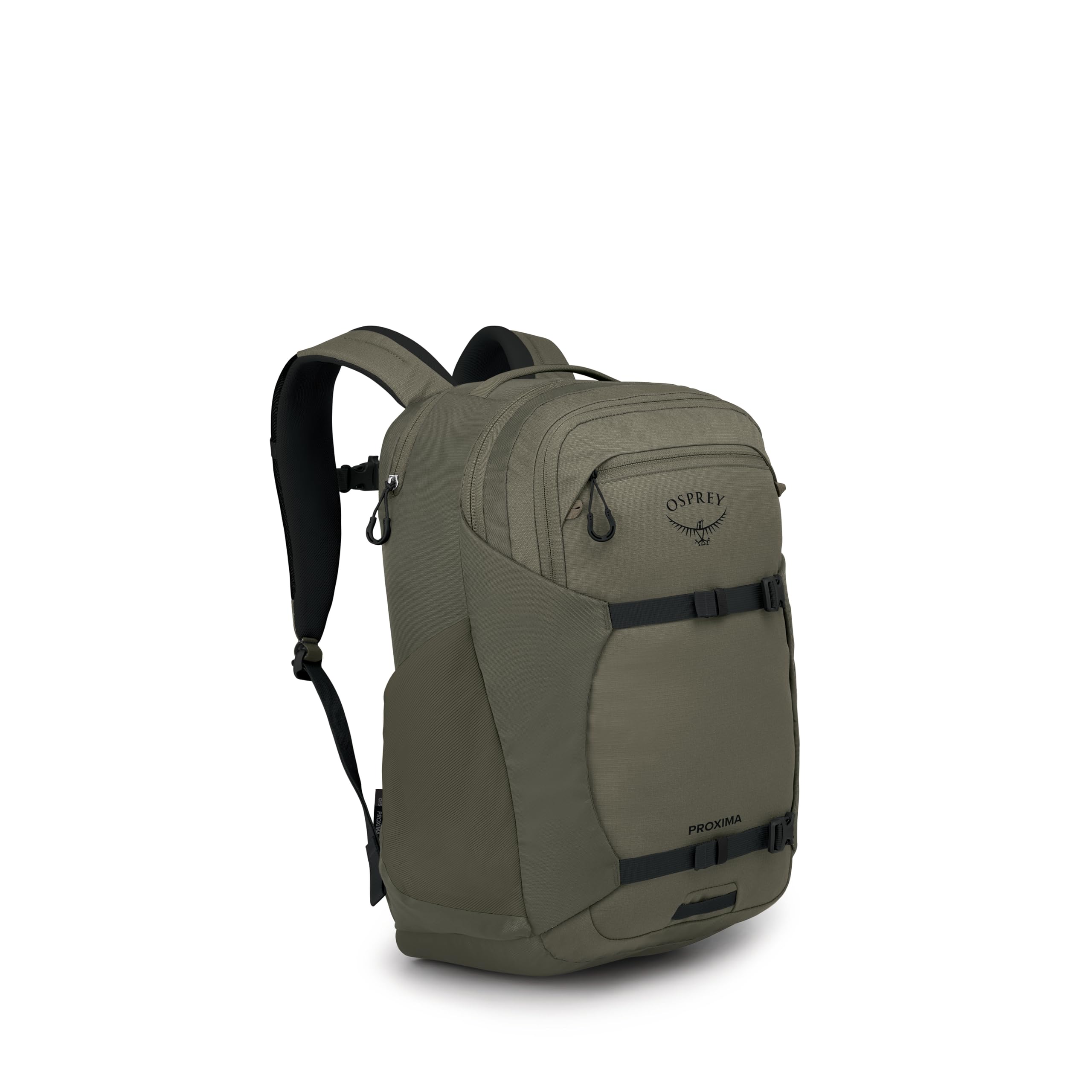
The high-capacity carry that spreads a 30-liter load evenly across your back
When the daily haul is genuinely heavy, this 30-liter Osprey earns its keep. The AirScape back panel is mesh-covered foam that holds the pack close and stable against your body, so the weight rides where you want it rather than swinging behind you. Compression straps stabilise the load and double as a carry point for a jacket, a yoga mat, or a skateboard.
The dedicated laptop compartment fits most laptops up to 16 inches, with a separate tablet sleeve to keep your tech from mingling with the rest. A zippered organization pocket with a key clip, a document sleeve, and a scratch-free top pocket for sunglasses or valuables round out the layout. The main body is 100% recycled polyester under the bluesign APPROVED standard, which matters if you care how a bag is made.
Here is the honest trade-off. A 30-liter pack is built for volume, and at least one reviewer found that when it is packed full, the smaller compartments get a little hard to dig through. It is also more bag than a minimalist commuter needs — buy it to fill it. Note too: the ribbed back panel did not ventilate as well as one owner hoped on a sweaty carry.
What tips the scale: that AirScape suspension is the reason a heavy load feels lighter — it keeps the pack glued to your back so nothing drags on your shoulders.
Choose this for: high-capacity days where you pack a laptop, books, and gear together and want it all distributed evenly.
skip it if: you commute light and want a small, fast-access bag.
5. AmeriBag Healthy Back Bag 17″ Microfiber Crossbody Sling
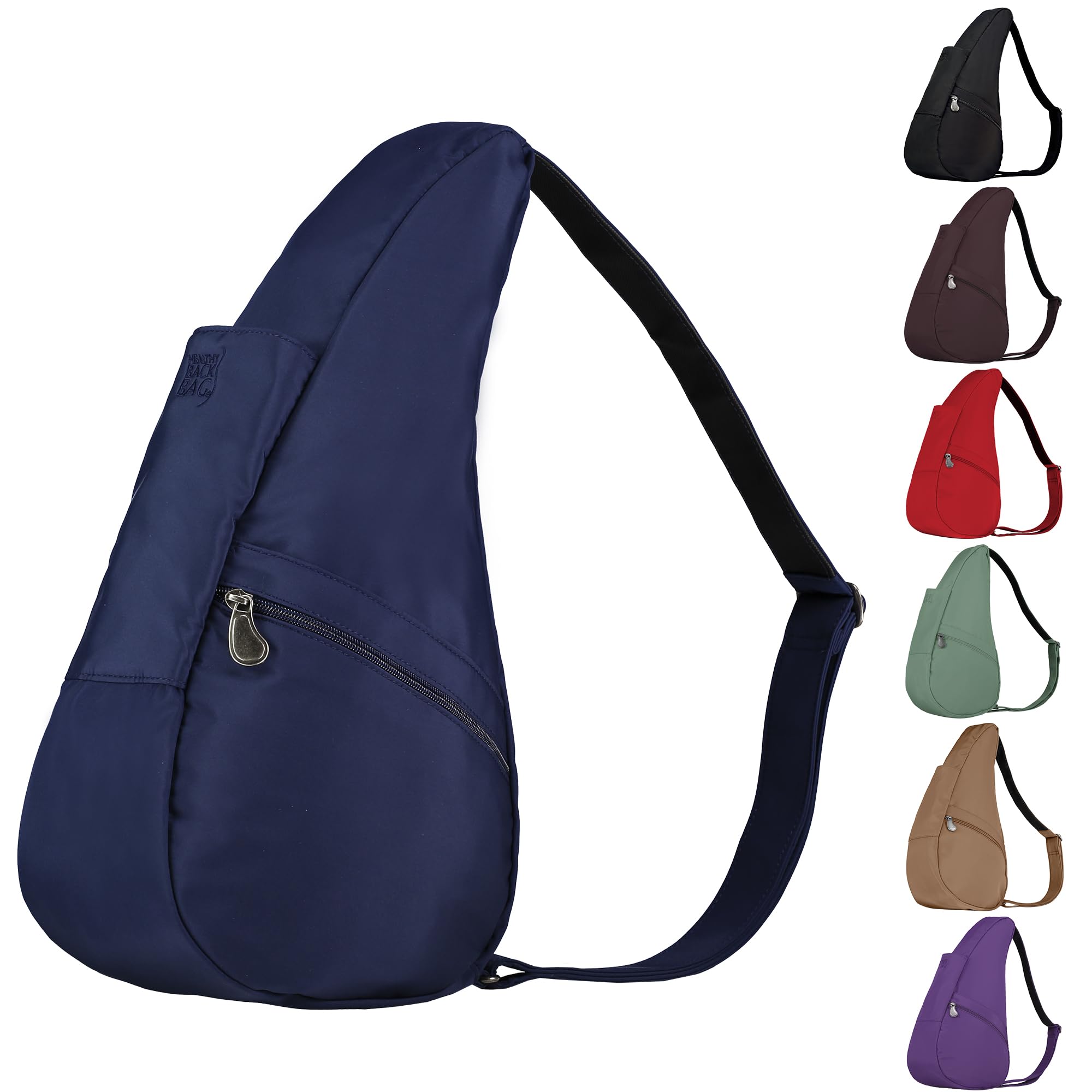
The crossbody that puts the weight where your spine wants it
If a backpack is not an option — maybe it presses on a spot that hurts — this is the alternative worth knowing. AmeriBag developed the Healthy Back Bag with a doctor and a chiropractor to tune its ergonomics to the spine. Its signature teardrop shape conforms to your body, and the internal pocket layout redistributes the center of gravity so the weight feels lighter while easing stress on your neck, shoulders, and back.
Owners clearly value the ergonomics and organization. The bag is comfortable worn over the shoulder or across the chest and back, and it does not cause shoulder or back pain for many who use it that way. The microfiber exterior wipes clean and resists wear, so it holds up over years of daily use. Pockets appear all over the durable exterior, including a spot sized for a water bottle and an interior slot that fits a Kindle Paperwhite.
The main thing to plan around is size. This 17-inch version is a shoulder bag, not a laptop hauler for a big machine — customers note it fits a Kindle Fire but not an iPad.
The design case: the teardrop shape is the whole point — it moves the load’s center of gravity closer to your body’s core, which is the mechanism behind the comfort.
The right fit for: anyone who wants shoulder and neck relief without wearing a backpack, especially on shopping and travel days.
Think twice if: you expect to carry a full-size tablet or a large laptop.
6. The North Face Women’s Jester Everyday Backpack
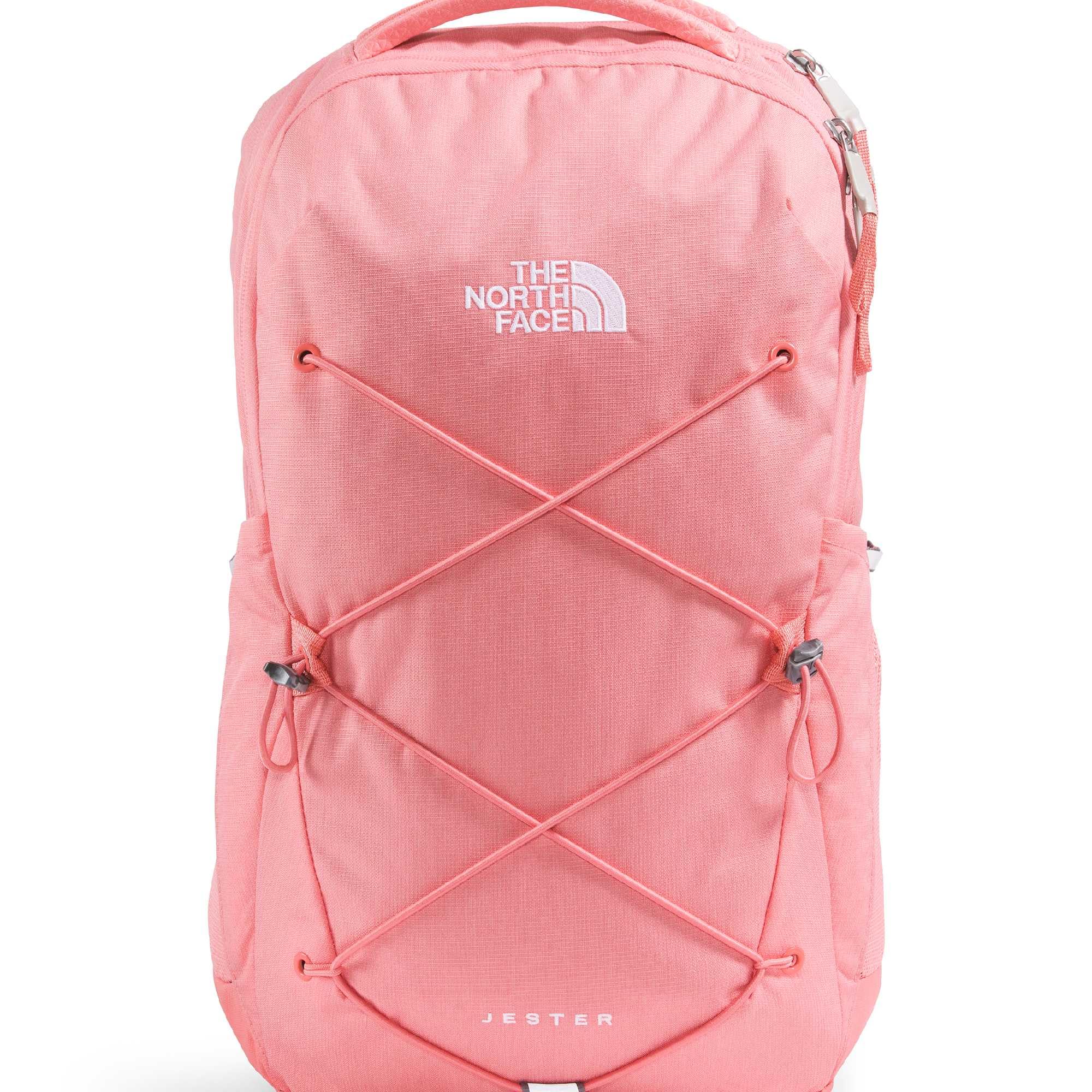
A women-specific pack with chiropractor-endorsed suspension and a self-standing frame
This Jester takes the same support story as the Vault and adapts it to a women-specific fit. The FlexVent suspension — endorsed by the American Chiropractic Association — combines a flexible yoke, molded shoulder straps, a padded back panel, and a breathable lumbar panel that vents heat behind your lower back. Packed with that padded back panel and a sternum strap, the load stays centered instead of hanging off one side.
You get a padded laptop sleeve for devices up to 16 inches, a streamlined front compartment with zip pockets, a tablet sleeve, and a key clip, plus two external bottle pockets that fit most 1L bottles. A front bungee system gives quick-access storage on the move, and the self-standing design makes loading and unloading simpler than a pack that tips over.
Because it is dimensioned for a specific body type, it runs smaller than a one-size pack — some buyers found it too compact for a full high-school load. It also arrives styled for lighter everyday carry rather than travel volume. If your daily haul is a laptop and a notebook, this fits the brief well.
Why it fits: the women’s-specific suspension geometry and breathable lumbar panel are exactly what a smaller frame needs to stop shoulder fatigue.
Made for: students and commuters who want supported, self-standing carry in a women-specific fit.
Look past it if: you need maximum capacity for a heavy, oversized load.
7. Samsonite Paralux 2-in-1 Travel Backpack
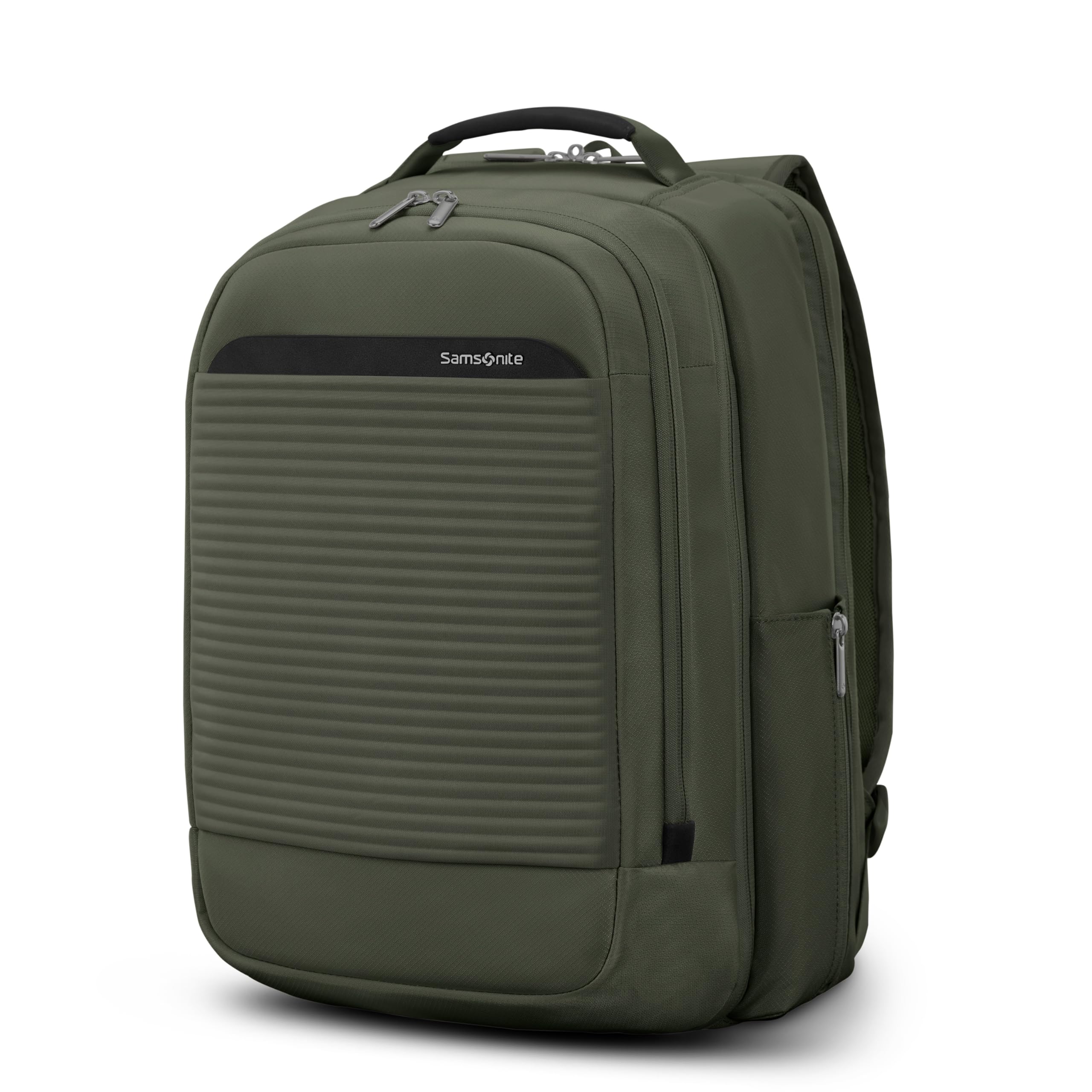
The travel pack that splits into two so one bag carries the weight at a time
If you want one bag that splits into two on arrival, the Paralux is the only pick here that does it. One unzip separates it into a spacious Main Bag for travel days and a smaller Go Bag for daily exploring, so you can leave the heavy half at the hotel and carry only the light one on your back. Less weight on your back for more of the day is what a sensitive back wants on a trip.
It opens wide and flat like a suitcase for easy packing, with a padded laptop sleeve and iPad storage for devices up to 15.6 inches in both bags. An integrated AirTag holder keeps your bag trackable, and both sections feature the StackIt Strap for secure attachment to larger checked luggage. The overall build measures 3.7 lbs.
The catch is its focus. This is a travel-convertible first and a daily commuter second, and that dual-bag design adds structure compared with a simple single-compartment pack. If your commute is the point rather than your trips, a straightforward backpack above will feel less fussy. For travelers, though, the convenience outweighs it.
The standout feature: the ability to detach the daypack means you are not hauling your full travel load through a museum — a real comfort win on long trip days.
The one for: travelers who want one bag that becomes two and keeps the heavy half behind.
Overkill if: you only need a single-compartment daily commuter.
Know the Specs
Weight distribution and carry system
This is the single biggest factor in how a bag feels on your back. A dual-strap shoulder harness spreads load across both shoulders and your upper back, while a chest strap and waist belt transfer more of it to your hips. A crossbody sling instead routes weight diagonally across your torso, changing the pressure points entirely. Match the system to your load: heavier daily hauls tend to sit best on a full backpack harness, while lighter everyday carries can work well on a sling.
Laptop sleeve size and padded protection
The laptop compartment sets both what you can carry and how safe it is. A sleeve that matches your screen size keeps the device from shifting, so the bag stays balanced rather than pulling to one side. Look for a padded sleeve, since that padding also buffers the bag’s hard edges from digging into your back. This lineup spans from a 15-inch sleeve up to a 17-inch compartment, so know your screen size before you choose.
Common Questions
Do backpacks or crossbody bags put less strain on your back?
Does a waist belt really reduce back and shoulder strain?
Will a 17-inch laptop fit in these bags?
What is a lumbar panel and does it help a sore back?
How long should a supportive bag last?
Is a heavier bag better for back support?
Can a crossbody sling work for someone with back pain?
What is the difference between AirScape and FlexVent suspension?
Should I size up or down if I tend to overpack?
The Bottom Line
What makes a bag for back pain work is how the weight rides on your body, not how much it holds. For a daily laptop-plus-gear haul, the SWISSGEAR 1900 ScanSmart is the pick — it fits laptops up to 17 inches, cushions your back with an Airflow panel (a padded back panel with channels that let air move), and holds up under a full commute load. If you want the lightest full pack with a belt that takes weight off your shoulders, reach for the Osprey Nebula. And if a backpack is not the answer for you, the AmeriBag Healthy Back Bag puts the weight where a crossbody should. Pick the carry system that fits your body first, and the rest sorts itself out.
How we choose
We do not accept paid placement. Every pick is matched to a real buyer and a real use-case; we do not hands-on test units.
Sources
Specifications: manufacturer listings and product documentation. Review insights: verified customer reviews, as of October 2026. Pricing: not shown on this page (it changes often); check the current price via the retailer link.
As an Amazon Associate, Aappliancez earns from qualifying purchases. This does not affect which products we feature.