Disclosure: Some links in this post are affiliate links. As an Amazon Associate I earn from qualifying purchases, at no extra cost to you. Learn more
Specs are compiled from manufacturer listings and verified buyer reviews and can change over time — please confirm the key details on the product page before buying.
Most athletic shoes for bigger women fail in one predictable place: the toe box pinches and the midsole gives up early. This guide sorts the shoes that actually hold their shape under you — the ones with real arch support, cushioning that survives long miles, and widths that don’t squeeze. Here you’ll find seven picks worth considering, ranked from the strongest all-rounder down to the entry-level options.
This guide is built by comparing the manufacturers’ published specifications and the patterns across verified customer reviews, so you get each pick’s real strengths and trade-offs instead of marketing spin.
Every pick here comes with the widths and support levels actually listed. Weight per shoe adds up over a full day on your feet, so favor the lighter pair you’ll actually wear. For overweight women, the right athletic shoe depends on a wide, supportive fit you can walk in all day without heel or knee ache later.
Top Picks

How To Choose Athletic Shoes for Overweight Women
The single biggest mistake wider-footed buyers make is buying a regular shoe one size up to fake room. That adds length, not width — your midfoot still gets squeezed. The fix is a shoe that actually comes in wide and extra-wide, made by a brand that sells those widths as real options. Here are the four things that decide whether a pair works for long daily walks.
Width is a two-part spec, not one
A “wide toe box” is about shape up front. An extra-wide size is about overall volume through the midfoot and instep. For a fuller foot you usually need both, so look for a wide width offered by the maker and a roomy toe box. Fit is the most-discussed aspect across these reviews, and it’s the number one reason buyers return pairs.
Support you can feel at the arch, not just heel padding
Carrying extra weight loads the arch and the ankle more, so a shoe with genuine arch support helps you keep walking through the day. Stability features — firm heel counters, guided midsoles, added support at the arch — can matter more than a thick, squishy sole. Too much softness alone can let the foot roll inward.
Cushioning balance and durability
Plenty of cushioning feels great for the first mile. The question is what happens on the tenth. Look for full-length cushioning with some firmness, and expect the trade-off: softer shoes tend to wear out faster under heavier use. Nothing here is a lifetime shoe — plan on replacing the pair you walk most in.
Weight, drop, and what you’ll actually do
Walking shoes are built differently from running shoes; pick for the activity you’ll do most. A lower heel-to-toe drop changes how your calf feels on long walks. Weight per shoe adds up over hours. The lightest options here come in around 1.4 to 1.7 pounds for the pair.
Side-by-Side Comparison
| Model | Best For | Widths Offered | Style | Reported Weight | Amazon |
|---|---|---|---|---|---|
| Brooks Ariel GTS 23★ Best Overall | Firm support for flat feet and overpronation | Wide option (size up for extra-wide) | Running, stability | 1.5 pounds | Amazon |
| ASICS Gel-Kayano 32Top Performer | Adaptive stability with all-day arch support | Standard width | Running, stability | 1.44 pounds | Amazon |
| New Balance Fresh Foam X 880 V14 | All-day cushioning in a true (WW) wide fit | Extra-wide (WW) | Running, everyday | 1.5 pounds | Amazon |
| FitVille Extra Wide Walking Shoe | The widest room up front for bunions | Wide and extra-wide | Walking | — | Amazon |
| Ryka Devotion X Max | Shock absorption for high-mileage walkers | Standard width | Walking, fitness | 8.6 oz per shoe | Amazon |
| Skechers Max Cushioning Elite 2.0 | Hands-free slip-on for stiff mornings | Wide option | Walking, slip-in | 1.7 pounds | Amazon |
| Saucony Omni 20 | Budget-friendly mild-pronation support | Standard and wide | Running, stability | 3 pounds | Amazon |
Detailed Reviews
1. Brooks Women’s Ariel GTS 23 Supportive Running Shoe
Our pick — 4.5+★ from 750+ verified ratings; the strongest balance of quality and price.
The firm, guided ride that flat feet and rolling ankles have been waiting for.
If your feet flatten or your ankles roll inward, the Ariel GTS 23 is built to push back. It’s a stability shoe (the midsole is tuned to guide your foot instead of letting it collapse). That firm support plus real cushioning is why it lands at the top of this list. It weighs 1.5 pounds, which is on the heavier side — you feel that weight in exchange for the control.
The fit is what wins people over. It’s the single most-praised quality in the reviews, and the details show it: buyers with wide midfoot feet call it the only shoe that has ever fit them, and one needed a half size up in an extra-wide to get there. Another user — a senior walking 8,000 to 12,000 steps a day — finds the stability great on uneven sidewalks. The arch support is real, not decorative, and it holds through a long day on your feet.
Why the shape matters: the Brooks measures 12 x 8 x 4.5 inches, and the Skechers Max Cushioning Elite runs 12 x 8 x 4.5 inches too. Nearly identical box dimensions — yet the Brooks feels much firmer and more controlled, while the Skechers leans into softness. If you want a shoe that adapts to a bad ankle or knee, start here. If you want pillowy softness, that’s a different pick.
The honest catch is break-in firmness and wear. This is a firm shoe — a few owners describe the little squish that’s there — and it isn’t built for everyone’s running speed, since heavier builds feel it. Long-distance walkers also report the durability tops out around three months at high mileage, so treat it as a shoe that needs replacing on a walking schedule, not once a decade.
What rides well
- Firm, guided stability that helps flat feet and overpronation stay controlled
- Fit is the most-loved quality — wide-footed owners say it finally fits without squeezing
- Real arch support that holds through long days and uneven sidewalks
- Neutral, subdued colors that wipe clean and blend with outfits
Where it asks something back
- 1.5 pounds is heavier than several options here
- Durability can top out around three months at high daily mileage
- Demands a size-up and extra-wide width for very full feet
Top call: the right shoe if you overpronate, have flat feet, and want a firm, stable ride you can trust on long walks.
Second thought: if soft, bouncy cushioning is the feel you want on every step, look at the Skechers or the New Balance instead.
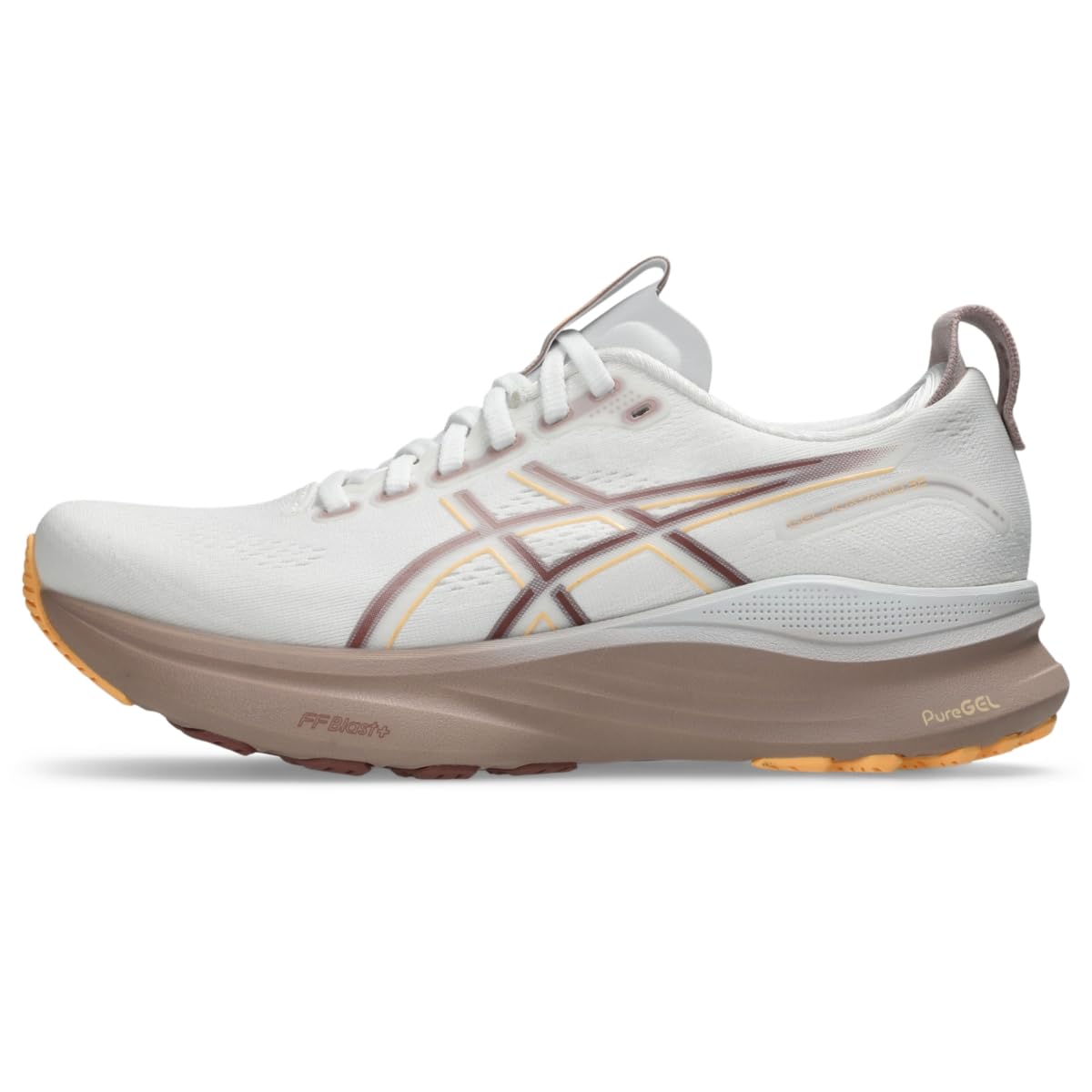
2. ASICS Women’s Gel-Kayano 32 Running Shoes
Adaptive stability that adjusts to each step, at the lightest weight near the top.
The Kayano 32 is a stability shoe built around ASICS’s 4D Guidance System — that’s the adaptive part that helps steady your stride as you get tired. Its FF Blast Plus foam midsole pairs a taller stack of cushioning with a lighter build. At 1.44 pounds it’s the lightest of the running picks here, and that lighter feel is the difference you notice once you’re a few miles into a long walk.
Arch support is the standout. Buyers with plantar fasciitis and overpronation consistently point to the fit and support under the arch, and the gel sole gives real heel cushioning. One reviewer describes using them for daily 4-mile walks despite rheumatoid arthritis and replacing them twice a year — high praise from someone logging serious hours. Another, a 67-year-old walker, calls them comfortable and supportive from the first wear.
The recurring note is width. This is a standard-width shoe, and fuller-footed buyers report the toe box running narrow, with one returning a pair after a bunion got scrunched. If you need room up front, that’s the honest mismatch: a wide option is offered by the maker, but the standard fit favors average-to-narrow feet. For that crowd, it’s an excellent stability pick in a light package.
Where it shines: adaptive 4D stability, a light 1.44-pound build, and gel cushioning at the heel that takes the sting out of long miles.
Where to size carefully: expect a snug standard width; extra-full feet should look for a wider fitting shoe.
Worth grabbing if: you want stability that adapts to each step without the heft of a full-on control shoe.
Look elsewhere if: your foot needs serious width up front — the toe box runs narrow for bunion-prone feet.
3. New Balance Women’s Fresh Foam X 880 V14
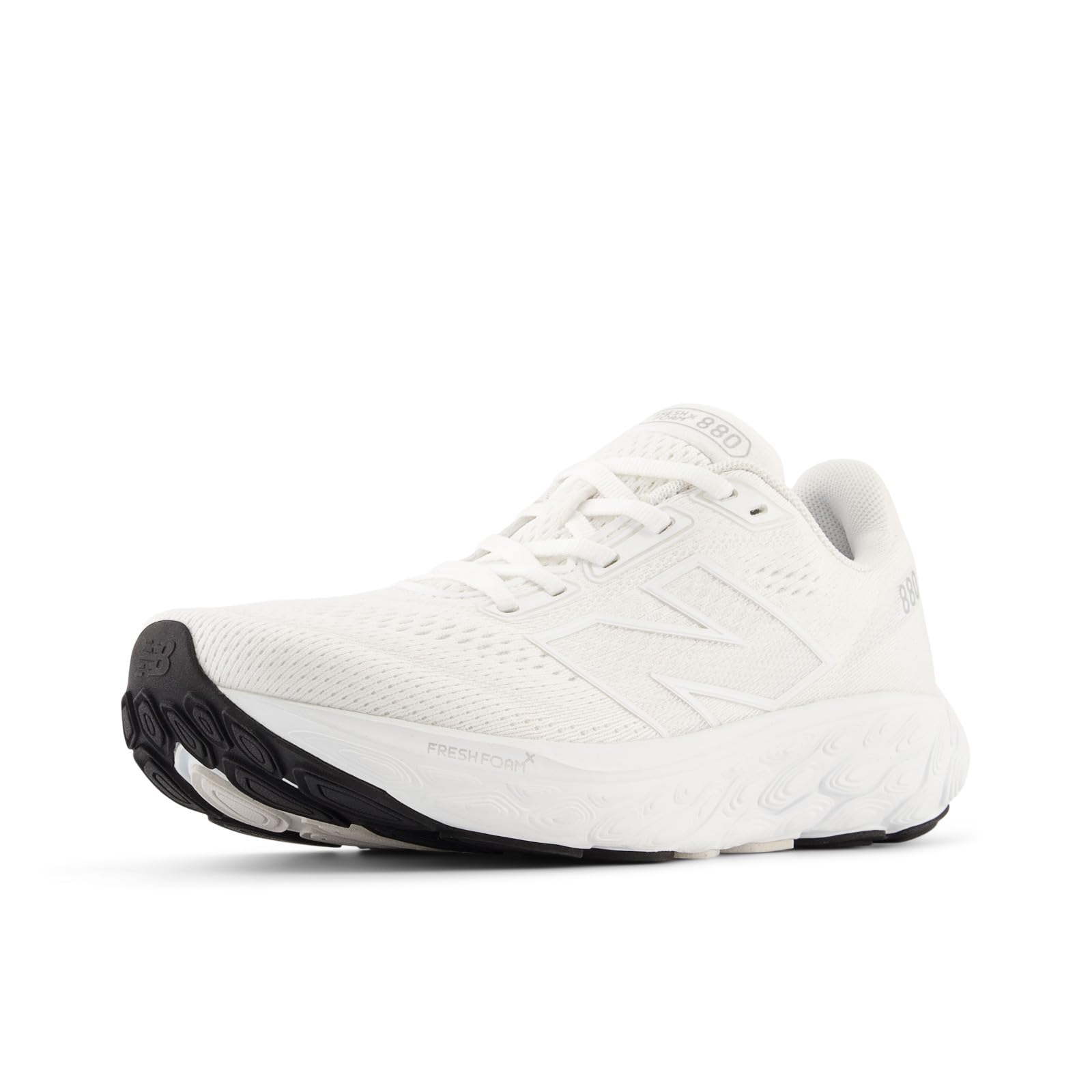
That soft-foam, walk-on-air feel — now actually available in your WW width.
The 880 V14 is the everyday-comfort shoe of this group, built on New Balance’s Fresh Foam X midsole with a structured upper that holds its shape. What makes it a real contender for fuller feet is simple: it comes in a true (WW) extra-wide, a width most brands treat as an afterthought. At 1.5 pounds it matches the Brooks on weight, though it carries a softer, cushioned underfoot feel rather than firm stability.
Comfort and appearance are the two things buyers gush about. Owners describe the Fresh Foam X midsole as walking on soft foam, and several wear them all day without foot pain. The wide toe box earns repeated mentions for being roomier than similar shoes from other brands, and there’s an extra benefit: several reviewers with edema note the wide fit handles swollen feet comfortably.
There’s a real difference worth flagging against the Brooks above: the New Balance measures 14 x 9 x 5 inches compared with the Brooks at 12 x 8 x 4.5 inches — a visibly larger footprint. That extra length and width is exactly what makes it forgiving on full feet, but it also means it looks and feels like a bigger shoe. The trade-off is a slightly lower-seat ankle feel and, for some, a heavier visual profile.
The case for it
- Comes in a genuine (WW) extra-wide — roomier than most branded shoes
- Cloud-like Fresh Foam X cushioning that lasts all day
- Wide toe box that suits swollen feet and fuller insteps
- Holds up to long walking days without ending in blisters
Worth knowing first
- Bigger footprint — it looks larger than slim shoes from other brands
- Laces can run short in the wide sizing
- Softness means less firm control than the Brooks or ASICS
Pick this one: you want plush cushioning and a roomy (WW) fit you can log all-day miles in.
Skip the soft stuff: your ankles roll inward or you want firm control — the Brooks or ASICS is the steadier choice.
4. FitVille Extra Wide Walking Shoes for Women

For bunions and painful toes, the widest front-of-foot room here.
If your feet have been squeezed by every regular sneaker you’ve tried, the FitVille is built around that problem. It comes in wide and extra-wide widths with a genuinely roomy toe box, so bunions and tender toes get space instead of pressure. It’s a walking shoe, not a running shoe, and the thick sole is tuned for all-day support rather than speed.
What buyers keep coming back to is the comfort. Owners call it the widest sneaker they’ve found, with a toe box roomy enough for bunions and all-day wear without foot pain. The thick, sturdy sole and padded tongue get consistent praise, and the arch support is substantial enough that one wearer with high arches says no separate insert is needed. Quality and construction rank right up there too, with the grip on the bottom getting a nod.
Nail down sizing before you buy. Fit is the most-discussed aspect here, and it cuts both ways: some owners say the wide runs very wide and suggest sizing down a half size. Others with swollen feet find even the extra-wide hard to pull on and recommend going up 0.5 to 1 size. Read the width you need out loud, then order with that tension in mind. The one durability concern that surfaces is stitching around the toe — treat the pair with care and it’ll serve you.
What you get: wide and extra-wide options, a roomy toe box that suits bunions, and firm arch support without an added insert.
The sizing snag: fit is the most-debated part of this shoe — some size down, others size up, so order the width that matches your foot and adjust from there.
Reach for this if: bunions, tender toes, or very wide feet make most sneakers uncomfortable.
Look elsewhere if: you need a running shoe for distance — this one is built for walking and daily wear.
5. Ryka Women’s Devotion X Max Walking Shoe
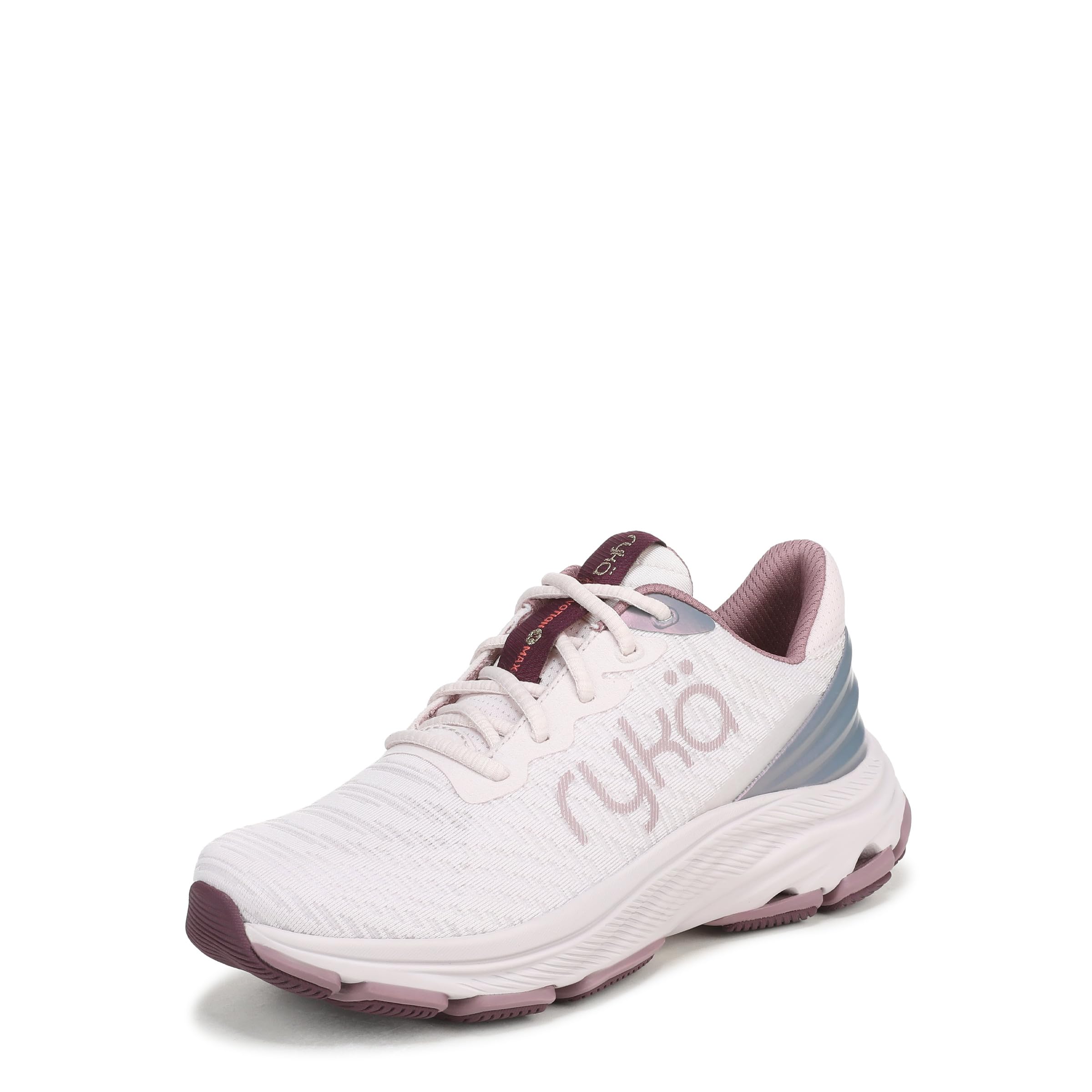
Full-length shock absorption aimed straight at heel and knee soreness.
The Devotion X Max is a high-mileage walking shoe built for absorbing impact. Its full-length RE-ZORB responsive cushioning and extra arch and heel support are designed to take the jolt out of each step, and the shoe weighs 244 g / 8.6 oz per shoe with a 10 mm heel-to-toe drop. That’s a fairly high drop — it keeps your heel a bit higher than your toe, which can ease calf strain on long, flat walks.
Cushioning is the star. Owners repeatedly credit the soft midfoot and extra heel padding with easing heel and knee soreness on daily walks. The shoe fits women’s feet well and needs no break-in, holding up across 4 to 6 mile daily walks. The breathable air-mesh upper keeps feet cool, and the roomy toe box and secure heel suit long days on concrete.
The catch is stability at the edges. And durability is a fair question: one long-time fan felt this newer model was lighter and less cushioned than the version they loved. For most walkers it’s a cushy, well-made shoe — just don’t expect a brick underfoot.
Made for: daily walkers who feel every step in their heels and knees and want soft, absorbing cushioning.
The limit to weigh: the flexible mesh top gives less side-to-side control than a firm stability shoe on uneven ground.
6. Skechers Women’s Max Cushioning Elite 2.0 Prevail Slip-ins
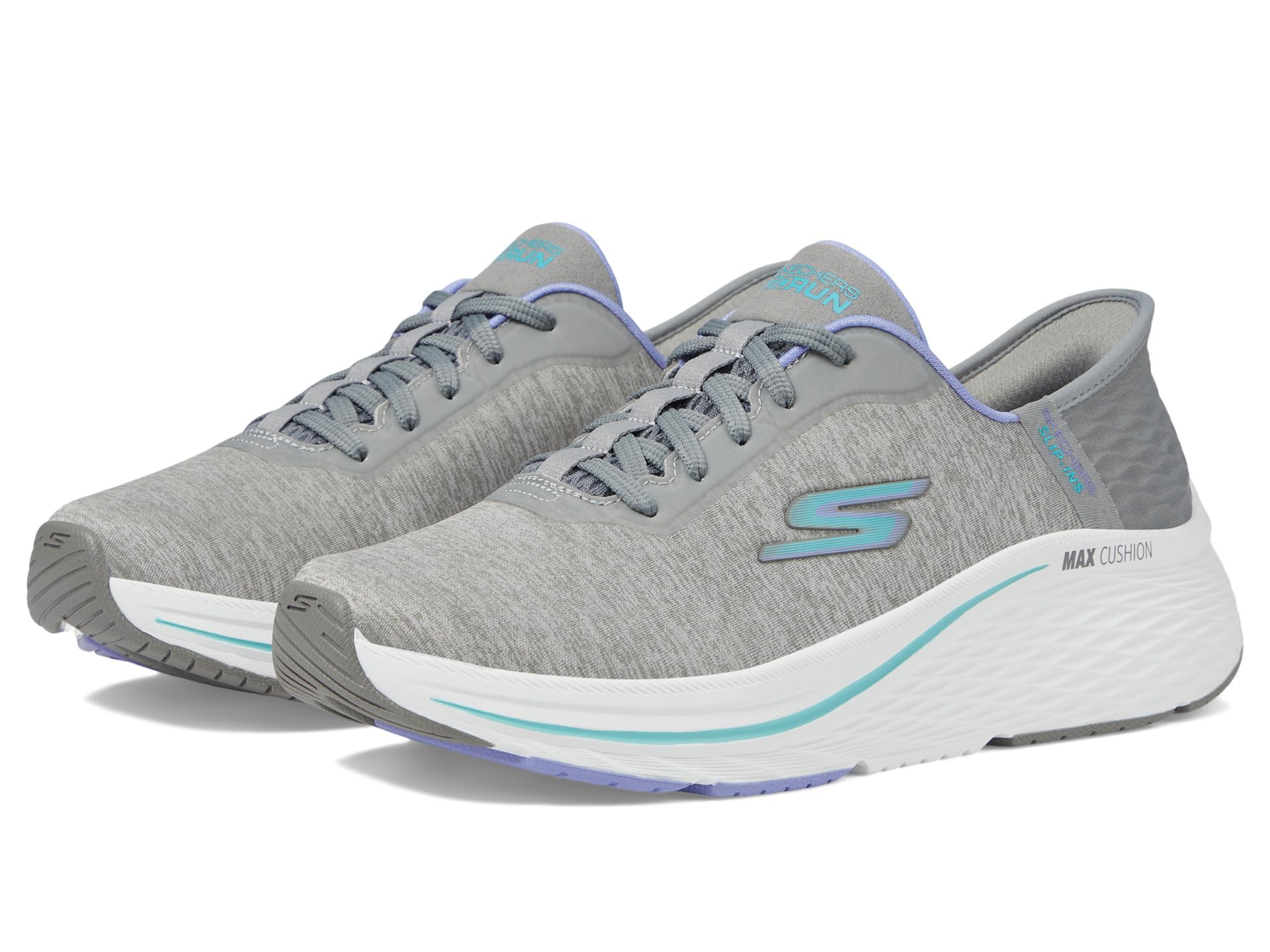
Step in without bending down — plush memory foam that meets you halfway.
If your feet ache first thing in the morning, the Skechers’ Hands Free heel is the whole reason to consider it. You slide your foot in and the Heel Pillow locks it without laces or tugging. Underfoot, its Air-Cooled Memory Foam insole and Ultra Go cushioning deliver that soft, pillow-like feel. At 1.7 pounds it’s the heaviest pick in this guide, but the cushioning makes the weight less noticeable.
The comfort earns the devotion. Owners who stand on concrete for hours report no heel pain, and several call it the most comfortable shoe they’ve owned. It’s also a practical choice for rheumatoid arthritis — the slip-in design means no bending or tugging, and the fit holds. The wide option suits fuller feet, and the cushioned memory foam makes long standing comfortable.
The honest note is life span. This is a soft shoe, and soft wears faster under hard use — daily runners may find it lasts four to five months, so budget for replacement on a workout schedule. It’s also not a stability shoe, so if you overpronate heavily you’ll want a firmer pick above. For everything from errands to standing shifts, it’s a comfort-first winner.
Why walkers like it
- Hands-free slip-in heel needs no bending or lace-tying
- Air-Cooled Memory Foam and Ultra Go cushioning feel pillowy
- Wide option and supportive build suit fuller feet
- Cushioned memory foam eases heel pain during long hours on hard floors
The fine print
- 1.7 pounds is the heaviest listed here
- Softer cushioning wears faster under daily workout use
- Less firm stability than dedicated overpronation shoes
Go for it: bending down to tie shoes is a chore and you want instant, cushioned step-in comfort.
Think twice: you overpronate strongly or need a shoe that stands up to daily running miles — soft foam gives out sooner.
7. Saucony Women’s Omni 20

A stability classic that keeps pronation in check without the premium price tag.
The Omni 20 is Saucony’s long-running stability shoe, now on its 20th anniversary with a smoother, better-fitting update. It’s built for mild pronation — that’s the slight inward roll some feet make on each step — with decent arch support and a stable base. At 3 pounds it’s the heaviest shoe on this list, which is the honest cost of its solid, supportive platform.
What longtime wearers love is how it fits. One 14-year devotee describes the fit like a soft sock and calls it great for pronators, and the smooth ride keeps dedicated walkers coming back for another pair. The arch support and cushioning under the forefoot feel supportive without being mushy, and the heel and arch hold up for daily walks. It’s a reliable daily workhorse rather than a showpiece.
The main thing to watch is sizing and stiffness. Multiple owners mention it runs small and narrow — one needed a half size and a wide — so err on the roomier side if your feet are full. Some find it stiff from the start and light on forefoot cushioning for running, so this suits walking and active days better than hard training runs. For budget-minded shoppers who want proven stability, it’s a steady, honest choice.
Good match for: pronators who want stable, supportive daily shoes at the entry-level tier.
Be careful if: you have very wide or very full feet — this one runs small and narrow, so size up.
Know the Specs
Width and Toe Box Room
Width is the spec that decides whether a shoe works for a fuller foot. A brand that offers wide and extra-wide sizes gives you real volume through the midfoot, while a wide toe box gives space up front for bunions and tender toes. Look for one that names its widths clearly, and check the toe box shape — the roomiest options here fit wide and extra-wide feet without squeezing.
Arch Support and Stability
Arch support is what keeps the foot from collapsing inward on long walks. Supportive shoes use firmer, guided midsoles and snug heel counters to steady your stride, and some add adaptive systems that respond to each step. For feet that overpronate or flatten, a stability shoe beats a purely soft one — the right support helps you keep walking rather than paying for it later.
Cushioning, Drop, and Weight
Cushioning is the padding under each step, and the amount you want depends on the surface and distance. A higher heel-to-toe drop lifts your heel a little higher than your toe, which can ease calf strain on long, flat walks. Weight per shoe, measured in pounds or ounces, adds up over hours — the lightest picks here sit around 1.4 pounds for the pair, while heavier ones trade lightness for a solid, stable platform.
Durability and Break-In
Every shoe here is built for activity, but the lifespan varies with softness and the miles you put in. Softer, cushioned foams feel great at first and wear faster under heavy use, while firmer stability shoes tend to hold their shape longer. Plan on replacing your daily pair on a walking schedule, and give a stiffer shoe a few wears to break in before judging the fit.
Common Questions
Should I buy a wider size or a wider width for a fuller foot?
Are stability shoes better than cushioned shoes for overpronation?
How do I know if a running shoe will fit a wide foot?
What does heel-to-toe drop mean and does it matter for walking?
How long do athletic shoes last for heavier walkers?
Can a slip-on shoe give enough support for daily walks?
Do wider shoes still work if my feet swell during the day?
Is a softer cushioned shoe bad for my knees?
Should I size up or down in wide athletic shoes?
What’s the best shoe here for all-day standing?
The Bottom Line
For most fuller-footed walkers, the athletic shoes for overweight women winner is the Brooks Ariel GTS 23. Its firm, guided stability supports flat feet and overpronation through long days — and the crowd agrees, holding the highest score of this group. If you want lighter stability with adaptive support, grab the ASICS Gel-Kayano 32. And for plush all-day cushioning in a real (WW) extra-wide, reach for the New Balance Fresh Foam X 880 V14.
How we choose
We do not accept paid placement. Every pick is matched to a real buyer and a real use-case; we do not hands-on test units.
Sources
Specifications: manufacturer listings and product documentation. Review insights: verified customer reviews, as of October 2026. Pricing: not shown on this page (it changes often); check the current price via the retailer link.
As an Amazon Associate, Aappliancez earns from qualifying purchases. This does not affect which products we feature.