Disclosure: Some links in this post are affiliate links. As an Amazon Associate I earn from qualifying purchases, at no extra cost to you. Learn more
Specs are compiled from manufacturer listings and verified buyer reviews and can change over time — please confirm the key details on the product page before buying.
You already know what a diaper rash looks like, so the real question is simpler: which cream actually calms a red, angry bottom instead of just coating it. An antifungal cream is the right pick when the rash is driven by yeast (usually the beef-red patches that settle in the creases). It works best when it also blocks moisture, so the skin can heal. Below are the five creams worth your attention, each with its active ingredient and real-world performance laid out so you can pick in a couple of minutes.
This guide is built by comparing the manufacturers’ published specifications and the patterns across verified customer reviews, so you get each pick’s real strengths and trade-offs instead of marketing spin.
Everything here depends on matching the cream to the rash in front of you, which is the whole point of this antifungal cream for diaper rash walkthrough.
Top Picks


How To Choose The Best Antifungal Cream for Diaper Rash
The mistake most parents make is reaching for the thickest white zinc paste first. That is the right tool for a plain wetness rash, but it does nothing to a yeast rash. A yeast rash tends to be bright red, sharply bordered, and clustered in the skin folds — and it needs an actual antifungal ingredient to clear.
Match the active ingredient to the rash
Two ingredients cover most of what you will see on a diaper-rash shelf. Clotrimazole is labeled at 1% and is the standard yeast and fungus fighter. Miconazole is often labeled at 2% and shows up in thicker ointments built to stay put. Both are real antifungal drugs, not just moisturizers, so either one is doing the treating job rather than just the soothing job.
Barrier protection is the second half of the job
A cream that only kills yeast leaves the skin exposed to the next wet diaper. Look for a product that also lists a moisture barrier or skin protectant claim. That barrier sits between the skin and the wetness, which gives the antifungal time to work instead of fighting a losing battle all day.
Texture decides whether you actually keep using it
A thin cream absorbs in seconds and lets you close the diaper fast. A paste is thicker and clings through a change, which some parents prefer for overnight. Neither is wrong — it is a trade between speed of application and how long the cream defends the skin. Think about which one fits your changing-table routine before you commit to a full tube.
Side-by-Side Comparison
| Model | Best For | Active Ingredient | Tube Size | Form | Amazon |
|---|---|---|---|---|---|
| Baza Moisture Barrier Antifungal Cream (Pack of 2)★ Best Overall | Treating and shielding at once | Antifungal with moisture barrier | Two 5 oz tubes | Cream | Amazon |
| Single BAZA Antifungal Cream 5 oz TubeTrial Size | One tube to try first | Antifungal with barrier properties | 5 oz (142 g) | Cream | Amazon |
| Lotrimin AF Cream | Fast itch relief on the go | 1% clotrimazole | 1.1 oz (31.2 g) | Light cream | Amazon |
| Triple Paste AF Antifungal Ointment | Stubborn rashes that need staying power | 2% miconazole nitrate | 2 oz | Thick paste | Amazon |
| Baza Antifungal Tube Cream Scented (Pack of 3) | Keeping a full supply on hand | Antifungal with skin protectant | Three tubes | Scented cream | Amazon |
Detailed Reviews
1. Baza Moisture Barrier Antifungal Cream 5oz (Pack of 2)
Our pick — 4.5+★ from 800+ verified ratings; the strongest balance of quality and price.
The one cream that treats the yeast and walls off the wetness in the same swipe.
Baza takes the top spot because it does two jobs at once: it fights the fungus and it lays down a moisture barrier. That combination is exactly what a diaper rash needs, since the yeast feeds on warm, wet skin. You get two 5 oz tubes here, made in the USA by Coloplast, so you can keep one at the changing table and one in the diaper bag.
What wins people over is raw effectiveness — far and away the most-praised trait in this cream’s feedback. It clears red, irritated diaper rash fast and absorbs without the greasy film that leaves some creams sitting on the skin. It absorbs quickly and leaves skin smooth rather than sticky, which matters when you are wrestling a wriggling baby. The scent is pleasant and light, not the heavy medicinal smell that clings to some treatments.
The catch is that it is a cream, not a thick paste. If your baby’s rash sits deep in a fold and gets wiped away with every change, you may want something with more cling for overnight. For most day-to-day diaper rashes, though, this two-pack covers you with room to spare — buyers report it clearing raw, broken-down skin around a port site “basically overnight.”
What earns it the top slot
- Two 5 oz tubes so you are never caught short
- Absorbs fast and dries without a greasy film
- Light, pleasant scent rather than a harsh medicinal one
Where it asks you to adapt
- Thin cream texture, not a clingy paste for deep folds
- You commit to two tubes even if you just want to try one
Reach for this if: you want one cream that treats the rash and shields the skin between changes.
Look elsewhere if: your baby’s rash lives in a deep crease that needs a paste to stay put through the night.
2. BAZA Antifungal Cream 5 oz
Same barrier-plus-antifungal formula as the winner, sold one tube at a time.
If you want to test Baza before committing to a two-pack, this single 5 oz (142 g) tube is the low-risk way in. It carries the same barrier-plus-antifungal idea, and it is the tube parents reach for when nothing else has worked. One toddler’s diaper rash had shrugged off Aquaphor, A&D and zinc ointments before this cream finally cleared it.
Skin soothing is the trait people talk about most here, and it makes sense for a diaper rash: the cream calms the angry surface while the antifungal works underneath. The barrier holds moisture back so the skin is not sitting wet between changes. There is an honest split on a few points, though — some find the medicinal scent noticeable and lingering, and opinions divide on whether the 5 oz tube lasts long enough when you are applying it to larger areas several times a day.
Here is your real decision: this is the same Baza formula the top pick uses, in a smaller commitment. The 6.61 x 2.99 x 2.01 inch package makes it easy to stash in a diaper bag pocket. If one tube proves out, the two-pack above is the smarter buy per tube. If you are unsure, start here.
Why it earns a place: it is the try-before-you-commit version of a proven barrier cream — the same skin-soothing, moisture-blocking approach that cleared a toddler’s stubborn rash.
The honest trade-off: a 5 oz tube empties faster than you expect on a larger rash, and the scent is not for everyone — go in expecting a medicinal note.
A smart first tube: buy this to see how Baza behaves on your baby’s skin before the larger pack.
Go bigger if: you are treating a wide rash several times a day and will burn through a single tube quickly.
3. Lotrimin AF Cream 1.1 Ounce
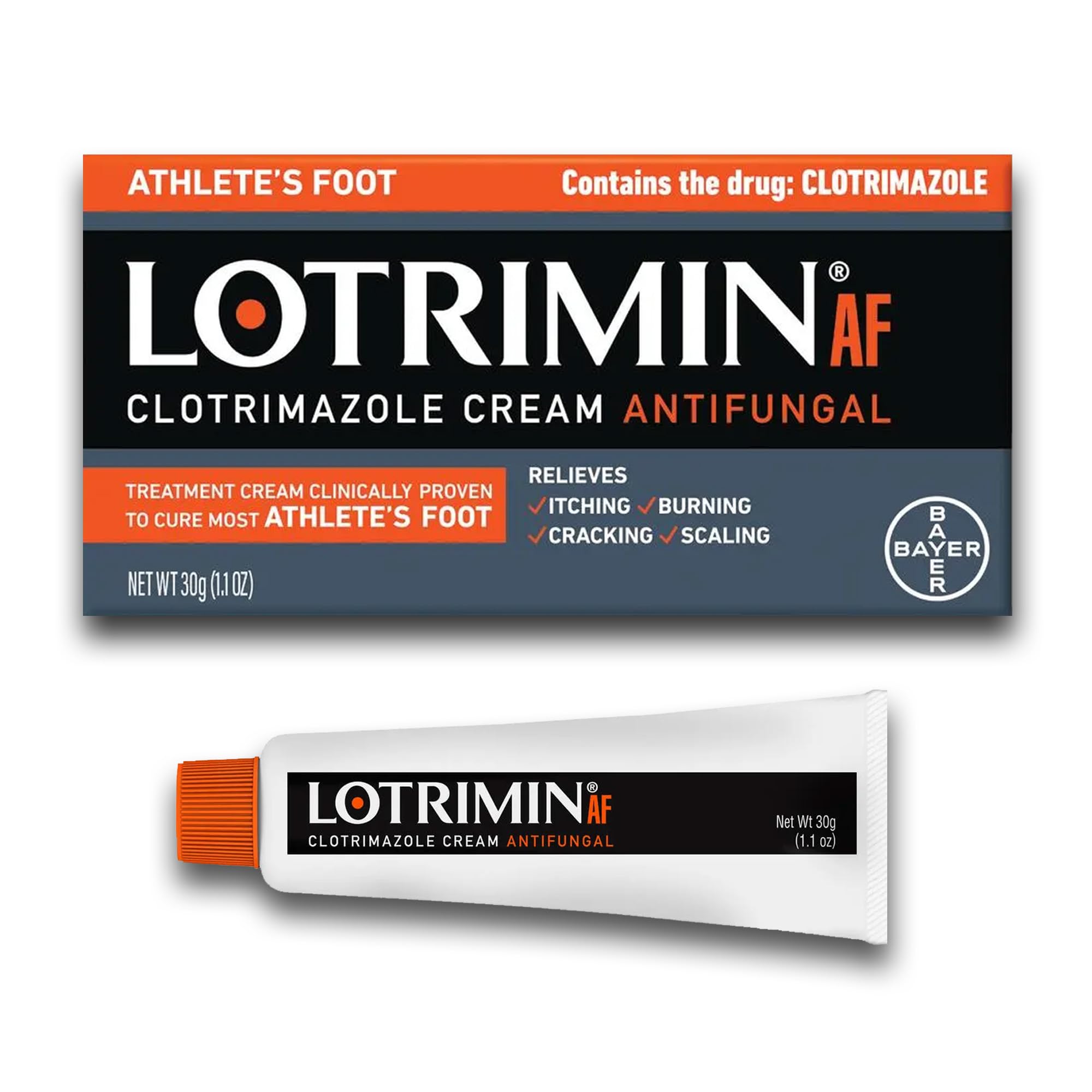
The itch-first pick: a light 1% clotrimazole cream that vanishes into skin in seconds.
Lotrimin AF leans on 1% clotrimazole (the standard yeast and fungus ingredient), in a cream base that is genuinely light. Where the Baza paste sits on top of skin, this one absorbs and leaves no residue — so it suits the parent who needs to get a diaper back on a fussy baby without waiting for anything to dry. The 1.1 oz (31.2 g) aluminum tube fits neatly in a diaper caddy or a jacket pocket.
Effectiveness is the headline, and itch relief is right behind it — for a diaper rash, that combination is the whole game. The cream is odorless and non-greasy, which keeps the changing table calm rather than smelly. One parent used it preventatively on a regrowing toenail and found it smooth and non-burning, with no discoloration. That same gentle, fast-absorbing behavior is what makes it easy to keep using on a baby’s bottom.
The size is the thing to know before you buy. At 1.1 oz this is a small tube — noticeably smaller than the 5 oz Baza tube above — so on a large, widespread rash it will empty faster than you would like. It is the compact, travel-ready option, not the family-size one. If you want to always have a tube in the bag, this is built for that.
Why parents like it
- 1% clotrimazole targets yeast and fungus directly
- Odorless and non-greasy, absorbs without residue
- Small tube travels easily in a diaper bag
What to plan for
- 1.1 oz goes quickly on a large rash
- Light cream, not thick enough to cling through a full night in deep folds
Best when speed matters: grab this for fast itch relief and mess-free application on the go.
Know the limit: the 1.1 oz tube is small, so heavy daily use on a big rash calls for a backup tube.
4. Triple Paste AF Antifungal Ointment 2 oz

A stubborn-rash specialist that clings to skin through a full change and keeps working.
Triple Paste AF is the one to reach for when a rash has lingered and other creams have bounced off it. It uses 2% miconazole nitrate — a higher-labeled strength than the 1% clotrimazole Lotrimin above — suspended in a thick paste that repels moisture and stays where you put it. That staying power is the whole point: a cream that wipes away with the next diaper cannot fight much.
For a diaper change, the paste’s grip is a real advantage. It resists water and sweat, so it keeps defending the skin between changes rather than dissolving the moment things get wet. The formula soothes itching, scaling, burning, redness and chafing, and it is labeled safe for ages 2 and older. Owners mention stubborn fungus patches clearing within a few days — “a paste that goes on and stays on killing the fungus,” as the review pages put it.
Two honest notes come up again and again. First, the thickness that makes it work also makes it harder to apply — it does not glide, so gloves help. Second, it is the priciest pick here for the smallest tube, a 2 oz size, so you are paying for staying power over volume. For a persistent rash, that trade is often worth it; for everyday spot care, the barrier creams above stretch further.
What it does better than the rest: the 2% miconazole paste stays on the skin instead of vanishing, giving a stubborn yeast rash sustained contact with the antifungal.
Where it asks patience: thick texture resists spreading, and the 2 oz tube is the smallest value-per-ounce of the group — expect to work at it.
Pick this for the tough cases: bring it in when a rash has resisted lighter creams and needs a paste that will not budge.
Consider a lighter option if: you are treating a mild rash daily and want something that spreads and absorbs fast.
5. Baza Antifungal Tube Cream Pack of 3

The three-tube stockpile for anyone managing a rash that keeps coming back.
This is the Baza skin-protectant cream in a scented three-pack, built for the household that goes through tubes fast. It handles the same double duty as the top pick — antifungal action plus a moisture barrier — so you can treat a rash and guard against the next one without reaching for two products. Three tubes means one at the changing table, one in the bag, and one in reserve.
Effectiveness leads the praise, with skin soothing close behind. That soothing side is why it turns up in tougher situations than a simple diaper rash: it has helped heal bed sores and skin breaking down around a urostomy site, and it controls moisture well enough to earn a place in long-term care routines. For a baby with a persistent, moisture-driven rash, that same combination of calming and shielding is exactly what you want.
Because it is scented, this is the one to be deliberate about — some babies have sensitive skin, so test a small patch before slathering on a full layer. The one-pack Baza above is a safer first step if you are unsure about fragrance. Once you know the formula agrees with your baby’s skin, buying in threes keeps you from running dry mid-rash.
What makes it a keeper
- Three tubes so you never run out mid-treatment
- Antifungal plus moisture barrier in one cream
- Soothing enough for serious, moisture-driven skin breakdown
Worth knowing first
- Scented formula, so test on sensitive skin before full use
- Commits you to three tubes before you know it suits your baby
The stockpile choice: buy this if you have already confirmed Baza works and want three tubes on hand.
Start smaller if: your baby’s skin is new to scented products — try the single or two-pack first.
Know the Specs
Active Ingredient and Percentage
The ingredient name and the percentage next to it tell you what the cream is built to fight. A 1% clotrimazole cream is the standard yeast and fungus fighter, and many parents find it enough for an everyday rash. A 2% miconazole paste is a higher-labeled strength, often in a thicker base. Neither is “better” in a vacuum — match the strength and texture to how stubborn the rash is. For a mild, moisture-driven rash, a lighter 1% cream spreads easily and dries fast. For one that has hung on through other creams, a thicker 2% paste that stays put gives the antifungal more time in contact with the skin.
Barrier Protection and Texture
A diaper rash lives in a wet environment, so a cream that only fights fungus leaves the skin exposed. That is why a moisture barrier matters — it sits between the skin and the wetness so the antifungal can work. Texture is how you get that barrier onto the skin: a light cream absorbs in seconds and lets you close the diaper quickly, while a paste clings through a change and defends the skin longer. If your routine is fast changes during the day, a fast-absorbing cream fits; if you need overnight coverage, a thick paste is the more forgiving choice.
Common Questions
Can I use an antifungal cream on a diaper rash every day?
How do I know if my baby’s rash is a yeast rash rather than a wetness rash?
What is the difference between 1% clotrimazole and 2% miconazole for a diaper rash?
Should I put a regular diaper cream on top of the antifungal?
Is a thick paste better than a light cream for overnight?
How long should an antifungal take to clear a diaper rash?
Can these antifungal creams be used on other rashes too?
Do scented antifungals irritate a baby’s skin?
Is it safe to use an antifungal cream on broken or raw skin?
The Bottom Line
How we choose
We do not accept paid placement. Every pick is matched to a real buyer and a real use-case; we do not hands-on test units.
Sources
Specifications: manufacturer listings and product documentation. Review insights: verified customer reviews, as of October 2026. Pricing: not shown on this page (it changes often); check the current price via the retailer link.
As an Amazon Associate, Aappliancez earns from qualifying purchases. This does not affect which products we feature.