Disclosure: Some links in this post are affiliate links. As an Amazon Associate I earn from qualifying purchases, at no extra cost to you. Learn more
Specs are compiled from manufacturer listings and verified buyer reviews and can change over time — please confirm the key details on the product page before buying.
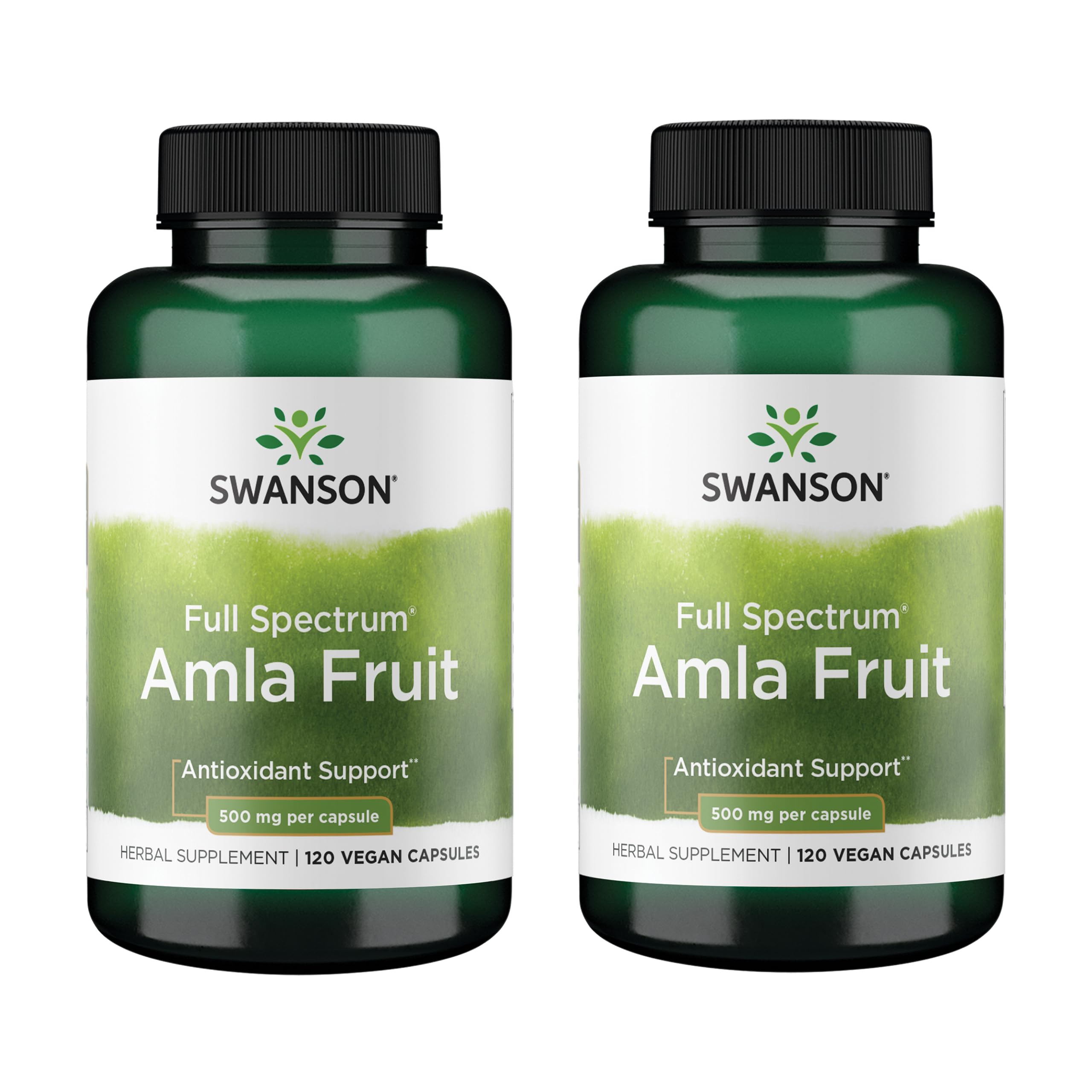
If you want the most amla for your money, start with the Swanson Full Spectrum Amla Fruit two-pack. It has a 4.5-star rating from over 600 owners, and most of them keep repeating two words: quality and effectiveness. That is what matters most here. Every other pick on this list is a different version of the same idea. The real differences come down to how much amla you actually swallow per capsule, whether the fruit is certified organic, and whether the brand adds anything you did not ask for.
This guide is built by comparing the manufacturers’ published specifications and the patterns across verified customer reviews, so you get each pick’s real strengths and trade-offs instead of marketing spin.
Most people shopping for amla get lost in the dosage numbers and the organic seals, so the picks below are ordered by what each one actually delivers per capsule. This breakdown of the best amla supplement covers the real differences so you can pick the right bottle the first time.
Top Picks
How To Choose The Best Amla Supplement
Amla is one of the few supplements where the label math actually tells you what you are getting. Two bottles can both say “amla” on the front and deliver very different amounts of fruit powder per serving. The three things worth checking before you buy are the milligrams per capsule, whether the fruit is certified organic, and how many capsules are in the bottle.
Milligrams per capsule is the first thing to check
An amla capsule can hold anywhere from 500 mg up to 1500 mg of fruit powder. That number is the whole point of the product, because it decides how many capsules you swallow to hit the dose you want. A 500 mg capsule means four capsules to reach 2000 mg. A 1500 mg capsule gets you there in under two. Higher milligrams per capsule means fewer pills per day, which matters if you already take a handful of supplements every morning.
Organic certification is not the same as “natural”
Any brand can print the word natural on a label. Only a USDA Organic seal means the fruit was grown and handled under a defined set of rules. Amla is a whole fruit ground into powder, so what is in the soil ends up in the capsule. If you want the cleanest version of the fruit, look for the seal rather than the marketing language around it.
Added herbs change the job the capsule does
A few amla products blend in other plants. Garlic and Arjuna are the two most common additions, and they come with their own taste and their own purpose. A pure amla capsule does one thing. A blend does three. Neither is better in the abstract, but you should know which one you are buying before you open the bottle.
Side-by-Side Comparison
All five picks side by side, sorted by what actually separates them: how much amla is in each capsule, how many capsules you get, and whether the fruit is certified organic.
| Model | Best For | Amla Per Capsule | Capsule Count | Organic Certified | Amazon |
|---|---|---|---|---|---|
| Swanson Full Spectrum Amla Fruit★ Best Overall | Everyday baseline dose | 500 mg | 120 (2-pack) | No | Amazon |
| Banyan Botanicals Organic Amla TabletsCertified Organic Pick | Certified-organic shoppers | — | 90 tablets | Yes — USDA | Amazon |
| Organic Amla Capsules with Arjuna & Garlic | Heart-and-cholesterol blend | 1500 mg amla powder | 120 | No | Amazon |
| Organic Veda Amla Capsules 1500mg | Fewest capsules per day | 1500 mg | 300 | No | Amazon |
| USDA Organic Amla Vitamin C Capsules by True Veda | Whole-food vitamin C | — | 60 | Yes — USDA | Amazon |
Detailed Reviews
1. Swanson Amla Fruit 500 mg 2 Pack
Our pick — 4.5★ from 650+ verified ratings; the strongest balance of quality and price.
The two-bottle stack that turns amla into a routine you stop thinking about
Two bottles of straight amla powder, 500 mg per capsule and 240 capsules in the box, with instructions that are as simple as it gets: two capsules once a day with water. That is a 1000 mg daily dose, and the two-pack stretches it past four months before you reorder. For anyone who has never taken amla and wants to find out how their body responds, this is the lowest-friction way in — no blends, no extra herbs, no guessing at the label.
Where this one separates itself from the rest of the list is that it is not trying to be clever. It is ground amalaki fruit in a capsule, capped at 500 mg, which is the lightest dose per pill here. The Organic Veda option at 1500 mg per serving is a completely different animal — you are swallowing the same fruit, but the Swanson bottle asks you to double or triple the capsule count to match that. If you dislike swallowing pills in volume, go higher on the label instead.
What people actually report is quality first and results second. Buyers who mention joint or inflammation relief say it takes about two weeks of daily use. The honest caveat is that some note side effects, and a few describe allergic reactions — so if you react badly to a first dose, stop rather than push through. Manufactured in GMP certified facilities with third-party lab testing, which is the baseline you want in any powder-based supplement.
What earns it the top spot
- 240 capsules total across the 2-pack, the most capsules per bottle count on this list
- Simple 1000 mg daily dose, two capsules once a day with water
- GMP certified manufacturing with independent third-party lab purity testing
- Unscented, unblended amla powder — no added garlic or herbs
Where it asks something of you
- 500 mg per capsule is the lowest per-pill dose here, so expect more pills per serving
- Not certified organic — the fruit is not USDA sealed
- A minority report sensitivity or allergic reaction, so start with one capsule
Go for this if: you want an uncomplicated amla capsule at a dose you can scale up or down, in a bottle that lasts the better part of half a year.
Rather check the others if: you specifically want the USDA Organic seal or you want your amla blended with garlic and Arjuna for a heart-and-cholesterol angle.
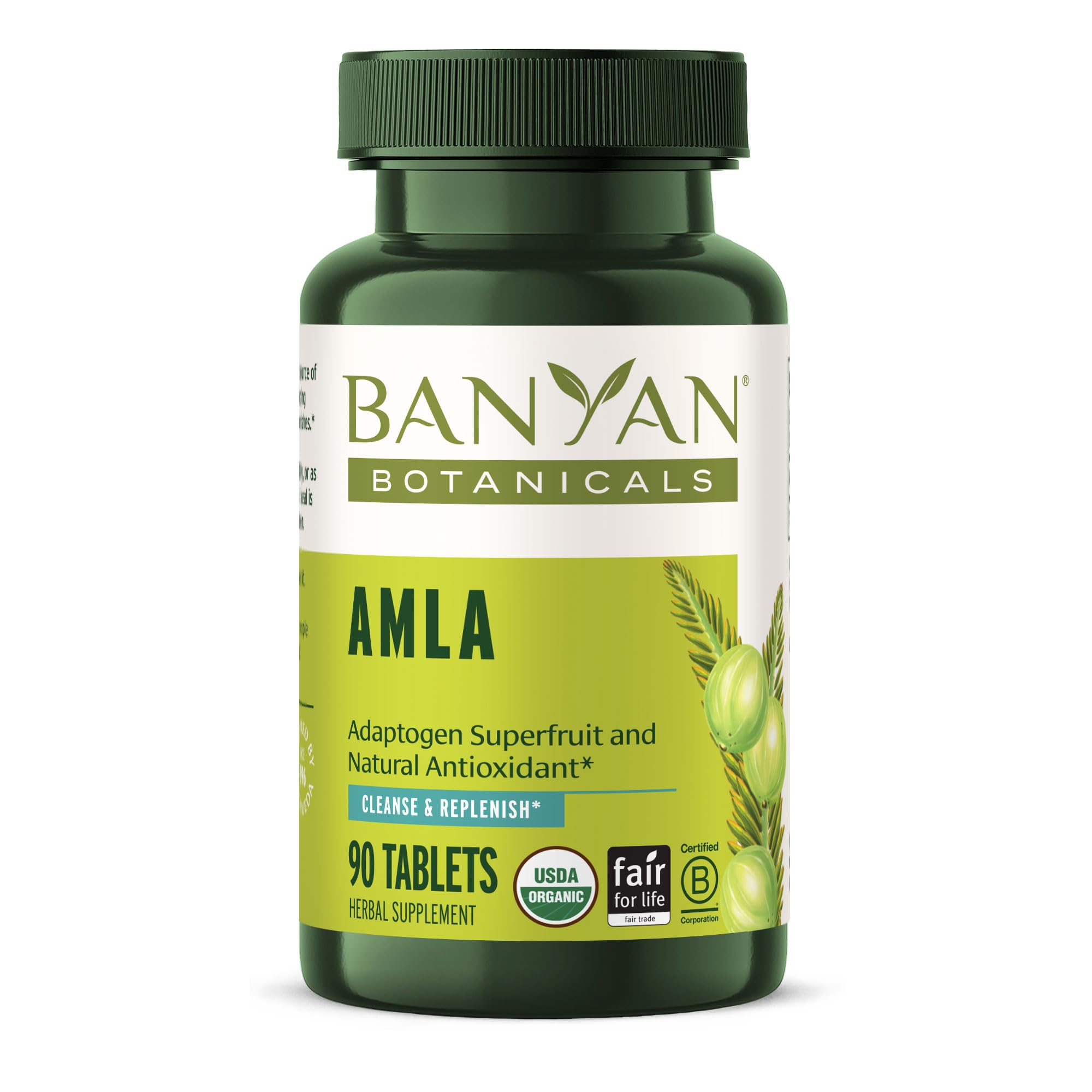
2. Banyan Botanicals Organic Amla Tablets — 90 Tablets
The tablet that weighs less than a bag of tea and never touches a garlic press
If you want the cleanest label on this page, this is it. Every tablet is made from 100% USDA Certified Organic amla fruit (a government-approved organic seal), third-party tested for heavy metals (checked by an outside lab for lead, mercury, and similar toxins), and free of magnesium stearate (a common flow agent), gluten, soy, and synthetic fillers. There is no garlic, no Arjuna (a tree bark used in Ayurveda), and no blend. Just the fruit, pressed into a tablet you take with water.
At 2.4 ounces for the bottle, this is also the lightest package of anything reviewed here. Put it in a carry-on or a gym bag and you will not notice it is there. The Organic Veda bottle ships at 7.23 ounces — over three times the weight — and the Swanson two-pack weighs in at 8.15 ounces. For someone who travels and takes their supplements along, that difference shows up on day one of a trip.
People who take this product know it for digestion. Amla is traditionally used in Ayurveda as a digestive tonic, and reviewers here report the same. Reviewers most often describe more regular digestion and a calmer gut, with no aftertaste. The brand backs it with a refund if you are not satisfied, and 25+ years of Ayurvedic work behind the label. The thing to know is that 90 tablets is a smaller bottle than most, so if you take it daily, reorder sooner than you would with a 120-count jar.
Why it holds second place: USDA Certified Organic fruit, third-party heavy-metal testing, and a filler list that reads as clean as it gets — vegan, non-GMO, free of gluten, soy, and magnesium stearate. On a value-per-tablet basis it is a mid-tier pick, not the cheapest bottle here, but it is the one that checks the most boxes for someone who reads the back label before the front.
The honest catch: the bottle only holds 90 tablets and the tablet form can be slower to swallow than a small capsule if you dislike the chalky texture some tablets have. Neither is a defect — it is simply a smaller supply in a firm format, so plan the reorder accordingly.
Reach for this if: an organic seal and a short ingredient list matter more to you than maximum amla per swallow. Look at the others if: you want the highest milligrams per capsule or a blend with garlic and Arjuna.
3. Organic Amla Capsules 2250mg

Three plants in one capsule for people with cholesterol on their mind
This is the only pick here that stacks three ingredients into one serving. Each capsule carries amla powder at 1500 mg, amla extract at 150 mg, garlic powder at 300 mg, and Arjuna powder at 300 mg. You only need one to three vegetarian capsules a day to hit that dose.
Made by Cona Nature in GMP and ISO-certified facilities with third-party lab testing, and covered by a refund if it does not work for you. The reasoning behind the blend is straightforward: amla plus garlic plus Arjuna is a combination aimed at the same territory — cholesterol, blood sugar, and general antioxidant load. If that is the reason you started looking at amla in the first place, this bottle saves you from stacking a separate garlic capsule on top.
Taste is the trade-off nobody warns you about. Buyers report the garlic flavor comes through, though reactions are split — some describe it as barely there, and others say it is noticeable. One long-term reviewer who swapped from plain amla powder said the combo delivered better results for them. The bigger honest point is that this bottle is not organic, so if the USDA seal is a hard requirement for you, this is not the pick.
The pitch: at 2250 mg total per serving, this is the most concentrated formula on the list — and the only one that folds garlic and Arjuna into the same capsule. Owners most often mention blood-sugar, cholesterol, and heart-health support, plus steadier energy within a couple of weeks. For someone already taking both amla and garlic, this is one bottle instead of two.
Best for: people whose main reason for buying amla is cholesterol or blood-sugar support and who do not mind a garlic note in the capsule.
Step past it if: you want plain amla with no added herbs, or you need a USDA Organic seal on the label.
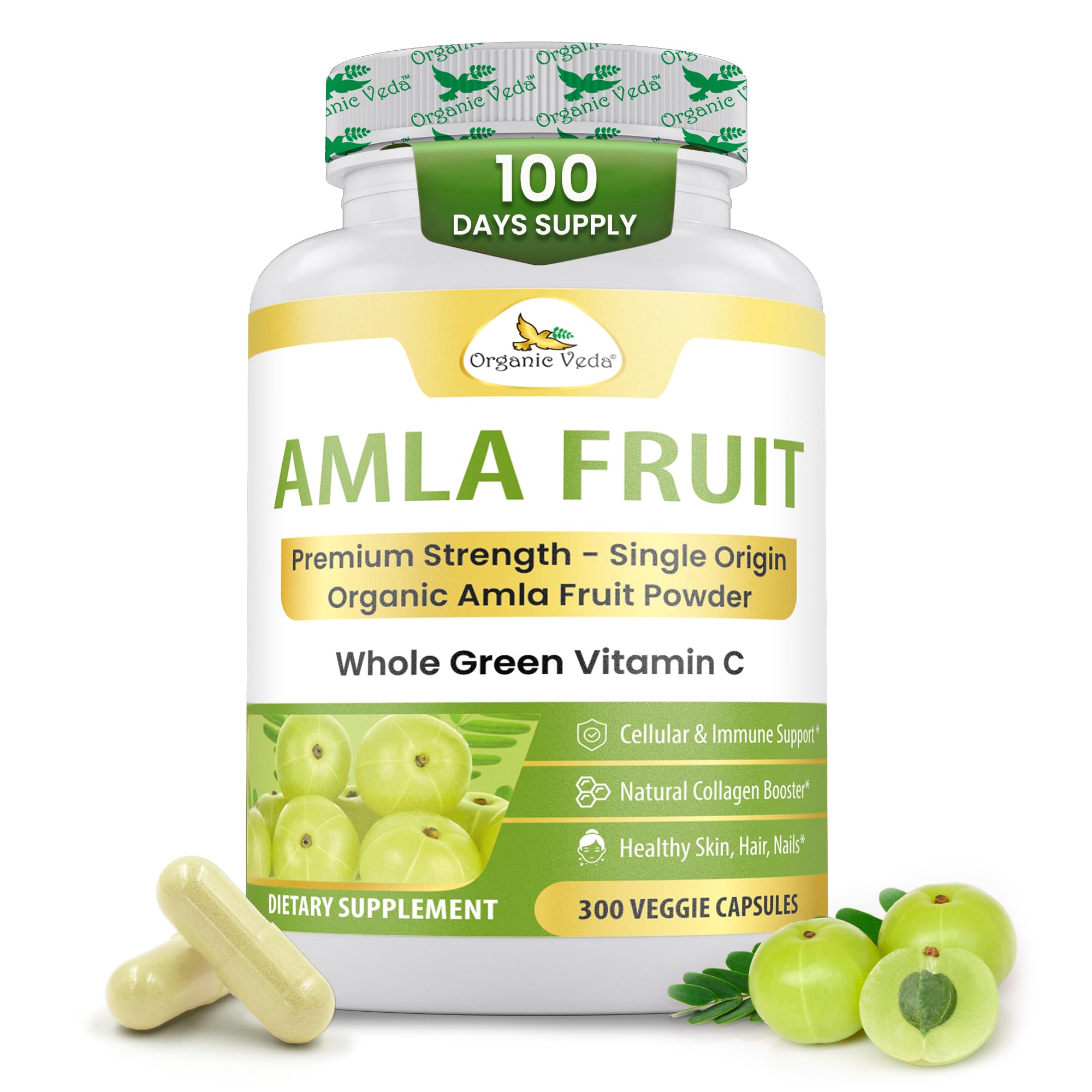
4. Organic Veda Amla Capsules — 1500mg, 300 Capsules
Three hundred capsules of high-dose amla for people who hate reordering
300 capsules in one bottle is the largest single supply on the page, and at 1500 mg of whole organic amla fruit powder per serving, it is also one of the two highest-dose products here. That combination is the reason this one exists on the list: fewer capsules per day, fewer bottles per year. If you take amla daily and want to stop thinking about inventory, this is where you land.
The fruit is single-origin — grown and harvested from one farm, then gently dried to protect the antioxidant content. Pure organic amla fruit powder in a vegetarian capsule, vegan, gluten-free, non-GMO, preservative-free, with no fillers and no synthetics. Compared with the Swanson 500 mg capsule, you are getting three times the milligrams per swallow. Compared with the Banyan 90-tablet bottle, you are getting more than three times the count.
What buyers focus on here is the skin-and-hair side plus the purity of the source. Amla is one of nature’s richest sources of vitamin C and polyphenols, and long-term users report visible skin and hair changes with consistent use. The recurrent complaint is scale: a small number of buyers find the capsules work for some things and not others, and one noted that their specific concern was not helped. That is the honest limit — this is a whole-fruit supplement, not a targeted treatment, and the results people describe take weeks to show up.
The size argument wins: 300 capsules at 1500 mg per serving is the cleanest math on the page — you swallow one capsule to get what takes three elsewhere. Single-origin, vegan, gluten-free, no fillers, no preservatives, and gentle-dried fruit that preserves the antioxidants.
One thing to weigh: it is not USDA Certified Organic, and the large bottle takes up cabinet space most single-bottle options do not. If you have a small supplement drawer, factor that in.
Pick this if: you want 1500 mg of whole-fruit amla in a single capsule and a bottle that lasts long enough to forget about. skip it if: you need the organic seal or you want a smaller bottle to trial before committing.
5. USDA Organic Amla Vitamin C Capsules

For people who want vitamin C from a fruit instead of from a lab
Most vitamin C on the shelf is ascorbic acid — a synthetic form the manufacturer documents as originally derived from GMO corn and processed with chemicals including acetone. True Veda took a different route: whole-food vitamin C from organic amla fruit and nothing else. No fillers, no binders, no additives, no preservatives. Just the fruit, in a plant-based capsule suitable for vegetarians and vegans.
The extraction method is worth understanding. The brand uses a patented Natural Fusion Extract process that relies on water and clean carbon dioxide gas to pull the active compounds out of the fruit, rather than chemical solvents. That matters because whole-fruit amla carries bioflavonoids alongside its vitamin C, and the point of the method is to keep that natural profile intact. Sustainability is part of the story too — the fruit is sourced from responsible growers in India and produced to GMP certified standards with independent testing at multiple stages.
Two things to know before you buy. First, this is a 60-capsule bottle — the smallest count on the list — so if you take it daily, plan to reorder more often than with a 300-capsule supply like the Organic Veda bottle. Second, one owner noted that the price moved up noticeably after they started buying it. The upside is that the small vegetarian capsules are described as easy to swallow with no bitter aftertaste, and long-term users report visible hair growth after several months of daily use. Give it time rather than judging it in a week.
what separates it: it is the only other USDA Certified Organic pick on the page, and the only one marketed specifically as a whole-food alternative to synthetic ascorbic acid (lab-made vitamin C). It is vegan, filler-free, and the extract is made with water and CO2 (carbon dioxide) — no chemical solvents in the process.
Best for: someone who wants their vitamin C to come from an organic fruit rather than a synthetic source and prefers a small, easy-to-swallow plant-based capsule.
Worth a second look at another pick if: you go through a bottle quickly, since 60 capsules is a short supply compared with the 300-capsule options here.
Know the Specs
Milligrams per capsule
This is how much amla fruit powder sits inside a single capsule. A 500 mg capsule delivers a small dose per pill, so you take more pills to reach your total. A 1500 mg capsule delivers three times as much per swallow, so the daily capsule count drops. When a label says 2250 mg, check whether that number includes other herbs like garlic and Arjuna — the total milligrams on the front may be the whole blend, not just the amla. Read the ingredient breakdown if you want to know exactly how much of the number is the fruit itself.
USDA Certified Organic vs “natural”
USDA Certified Organic means the fruit was grown and processed under a defined rule set, with documentation to prove it. The word “natural” on a supplement label has no legal definition, so any brand can print it. If you want a verifiable standard rather than a marketing word, look for the seal. A few products on this list carry it and others do not — that is a real difference between bottles, not a branding quirk.
Capsule count and how long a bottle lasts
60 capsules, 120 capsules, 300 capsules — the count decides how often you reorder, not how strong the product is. A 300-capsule bottle at one capsule a day lasts roughly ten months. A 60-capsule bottle at the same rate lasts about two months. Match the bottle size to how often you want to be back on Amazon. If you dislike reordering, go bigger. If you want to trial amla first, go smaller.
Added herbs: garlic and Arjuna
Garlic and Arjuna are the two most common additions to an amla capsule. Garlic is added for its own antioxidant content (substances that help protect cells from damage) and its long association with cardiovascular support. Arjuna is a tree bark used in Ayurveda, also traditionally paired with heart-health formulas. When you see both on an amla label, the product is built around a cholesterol-and-heart angle rather than around amla alone. Know if you want that combination or plain fruit before you buy, because the garlic taste does carry through in most blends.
Common Questions
How many milligrams of amla should I take per day?
Is amla the same as Indian gooseberry and amalaki?
Do amla capsules have to be taken with food?
What is the difference between amla capsules and amla tablets?
Why do some amla supplements add garlic and Arjuna?
Does amla need to be USDA Certified Organic to be worth buying?
How long before I notice anything from an amla supplement?
Can I take amla every day?
Are amla capsules vegan?
What does amla taste like in capsule form?
The Bottom Line
For almost everyone, the strongest amla supplement on this list is the Swanson Full Spectrum Amla Fruit — 500 mg of straight amalaki powder per capsule, 240 capsules across the two-pack, and a simple two-capsules-a-day routine that is easy to keep up with. It is the bottle that leaves the least to chance and gives you plenty of runway to find out how amla works for you.
If the USDA Organic seal is non-negotiable, go to the Banyan Botanicals Organic Amla Tablets — 100% certified organic fruit in a lightweight, travel-friendly bottle, or the True Veda USDA Organic Amla Vitamin C Capsules if you want whole-food vitamin C from a fruit rather than a synthetic source. And if you already take garlic and worry about cholesterol, the Organic Amla Capsules with Arjuna and Garlic folds all three into a single serving, which is one bottle instead of three.
Whichever you choose, give it at least a full bottle before you judge it — amla is a slow-acting whole-fruit supplement, and the buyers who report the best results are the ones who stayed with a daily routine.
How we choose
We do not accept paid placement. Every pick is matched to a real buyer and a real use-case; we do not hands-on test units.
Sources
Specifications: manufacturer listings and product documentation. Review insights: verified customer reviews, as of October 2026. Pricing: not shown on this page (it changes often); check the current price via the retailer link.
As an Amazon Associate, Aappliancez earns from qualifying purchases. This does not affect which products we feature.