Disclosure: Some links in this post are affiliate links. As an Amazon Associate I earn from qualifying purchases, at no extra cost to you. Learn more
Specs are compiled from manufacturer listings and verified buyer reviews and can change over time — please confirm the key details on the product page before buying.
Akkermansia muciniphila is a gut bacterium that lives in the mucus layer lining your intestines, and most people have little or none of it. When you shop for a supplement, check two numbers together: the AFU count (AFU means active fluorescent units, a measure of how much live bacteria a dose delivers) and the capsule count. Those two numbers tell you how strong each daily dose is and how long one bottle lasts. The picks below range from 500 million to 300 billion AFU, so the gap between the lightest and heaviest formula is enormous — which is why you want both numbers in front of you before you buy.
This guide is built by comparing the manufacturers’ published specifications and the patterns across verified customer reviews, so you get each pick’s real strengths and trade-offs instead of marketing spin.
Akkermansia is fussy — it only thrives in an oxygen-free environment, which is why delayed-release capsules and shelf-stable bottling matter as much as the dose. Read on for the akkermansia supplement that matches your gut goals and capsule budget.
Top Picks
How To Choose The Best Akkermansia Supplement
The mistake most first-time buyers make is treating every Akkermansia bottle as the same bacterium in a different wrapper. It is not. Dose strength, capsule count, and delivery technology change what you actually swallow each morning, so read the label in that order.
Start With The AFU Number, Not The Front Label
AFU stands for Active Fluorescent Units — a lab count of how many live bacteria cells a serving carries. The bottles here range from 500 million AFU to 300 billion AFU, so two products can look identical on the shelf while delivering wildly different amounts. Match the number to how much support you want, and remember that a bigger dose is not automatically better for every stomach.
Check How Many Capsules You Get
Capsule count tells you how long one bottle lasts, and that is the number that decides whether a formula fits your routine. A 90-capsule bottle taken one capsule daily runs three months, while a 60-capsule bottle at two capsules daily runs about a month. Two products with the same serving size can still have very different value once you divide by capsules.
Delayed-Release And Shelf Stability Matter
Akkermansia only thrives in an oxygen-free environment and has to survive your stomach acid to reach the intestine. Delayed-release capsules are built to hold the bacteria together through that acid bath. Shelf-stable, non-refrigerated bottling means you can keep the bottle in a cupboard instead of the fridge, which is a genuine convenience if you travel or keep supplements at work.
Side-by-Side Comparison
| Model | Best For | Potency (AFU) | Capsule Count | Extra Ingredients | Amazon |
|---|---|---|---|---|---|
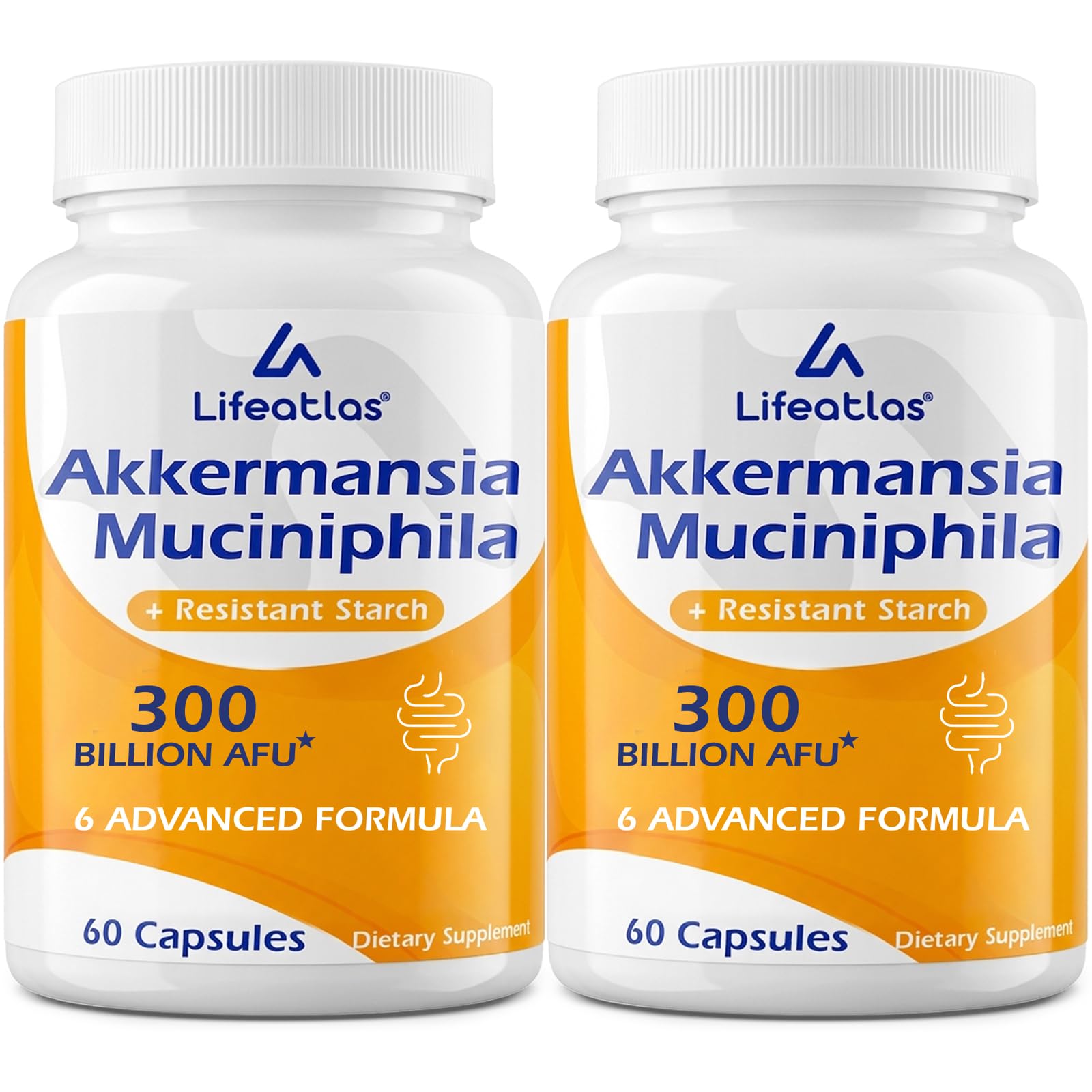
| Lifeatlas 300 Billion AFU 6-in-1★ Best Overall | All-round daily gut support | 300 Billion AFU | 60 capsules | 6-in-1 blend | Amazon |
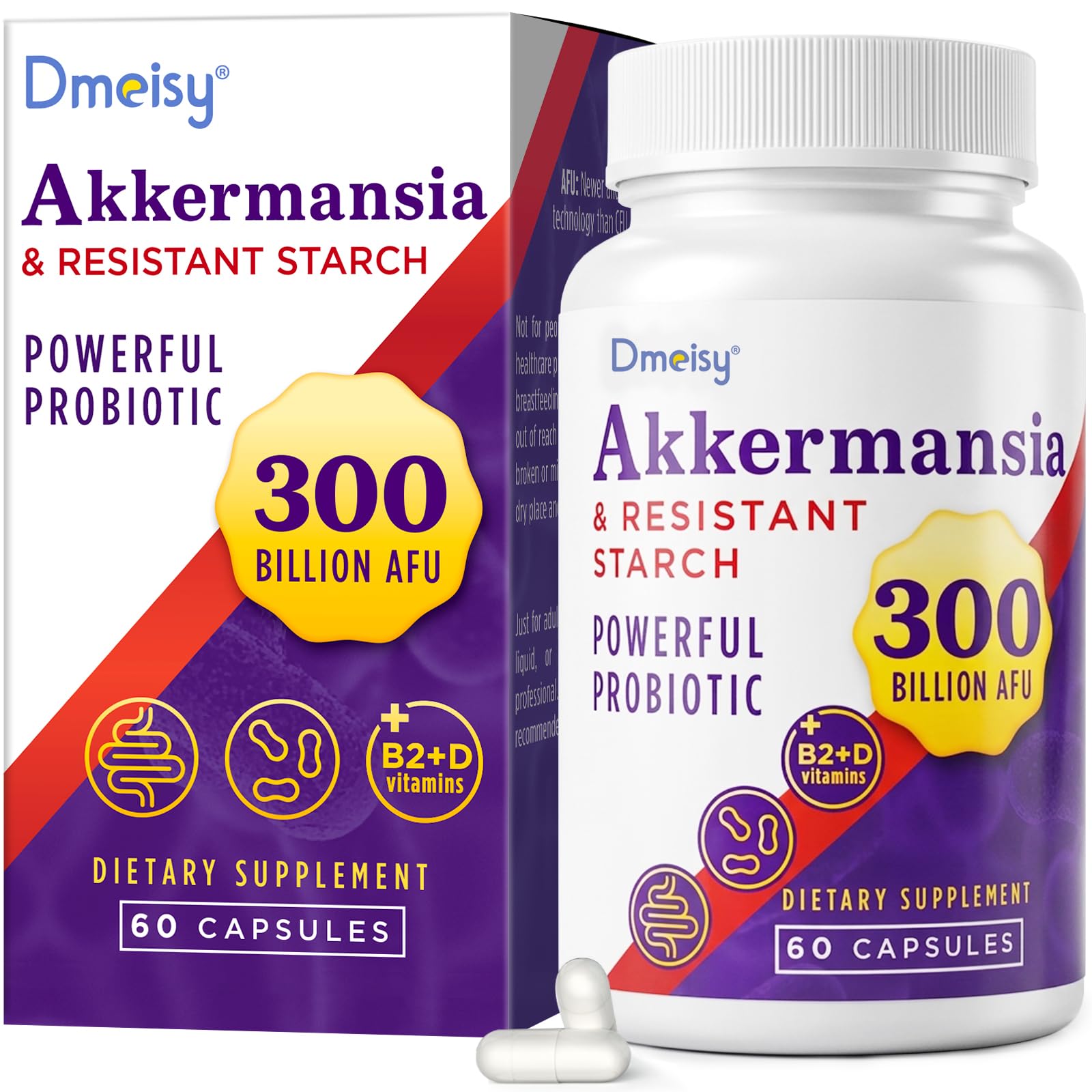
| Dmeisy 300 Billion AFU Akkermansia MuciniphilaBest Value | Simpler high-potency formula | 300 Billion AFU | 60 capsules | 6-in-1 blend | Amazon |
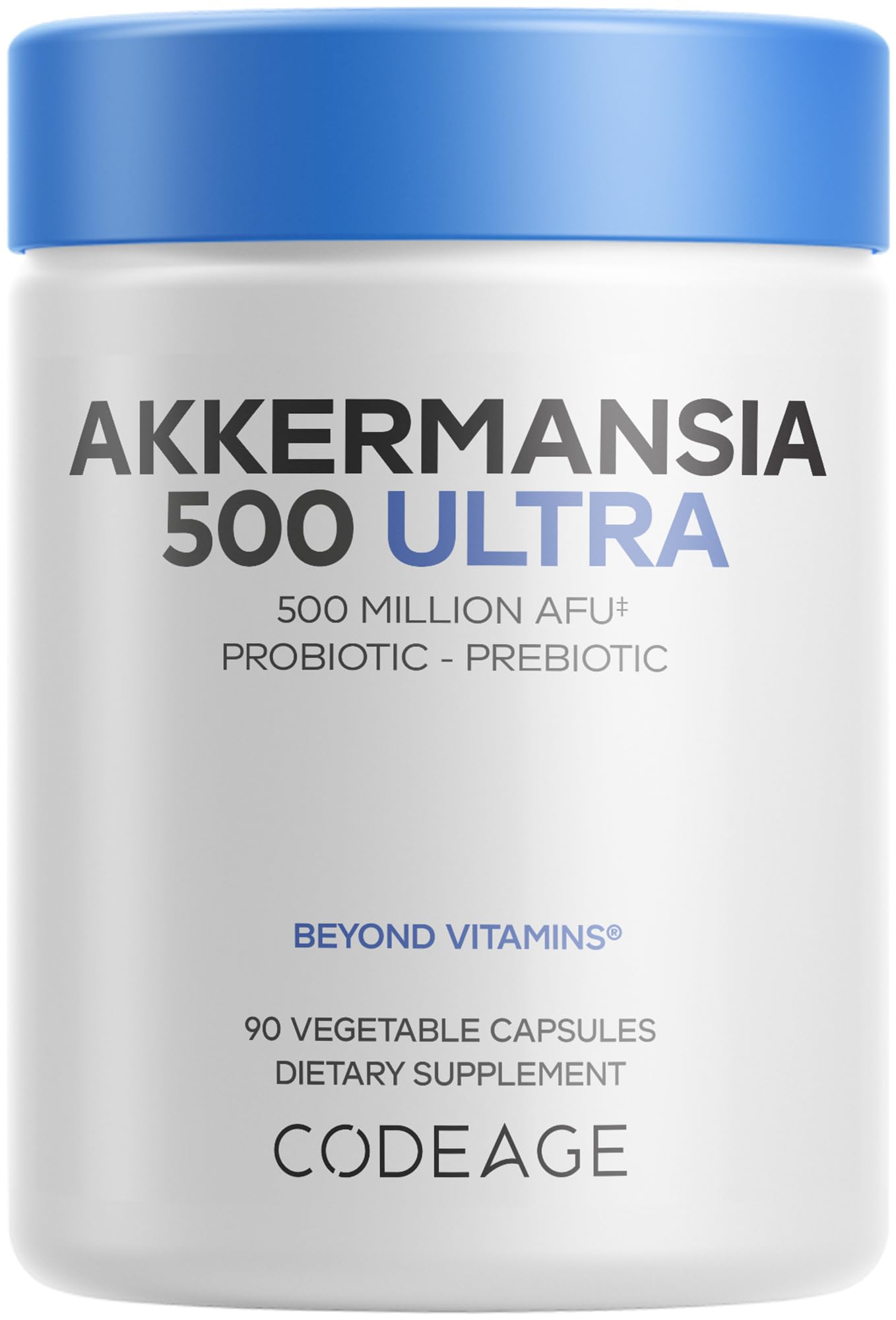
| Codeage Akkermansia 500 Ultra | Long-running supply | 500 Million AFU | 90 capsules | Chicory inulin | Amazon |
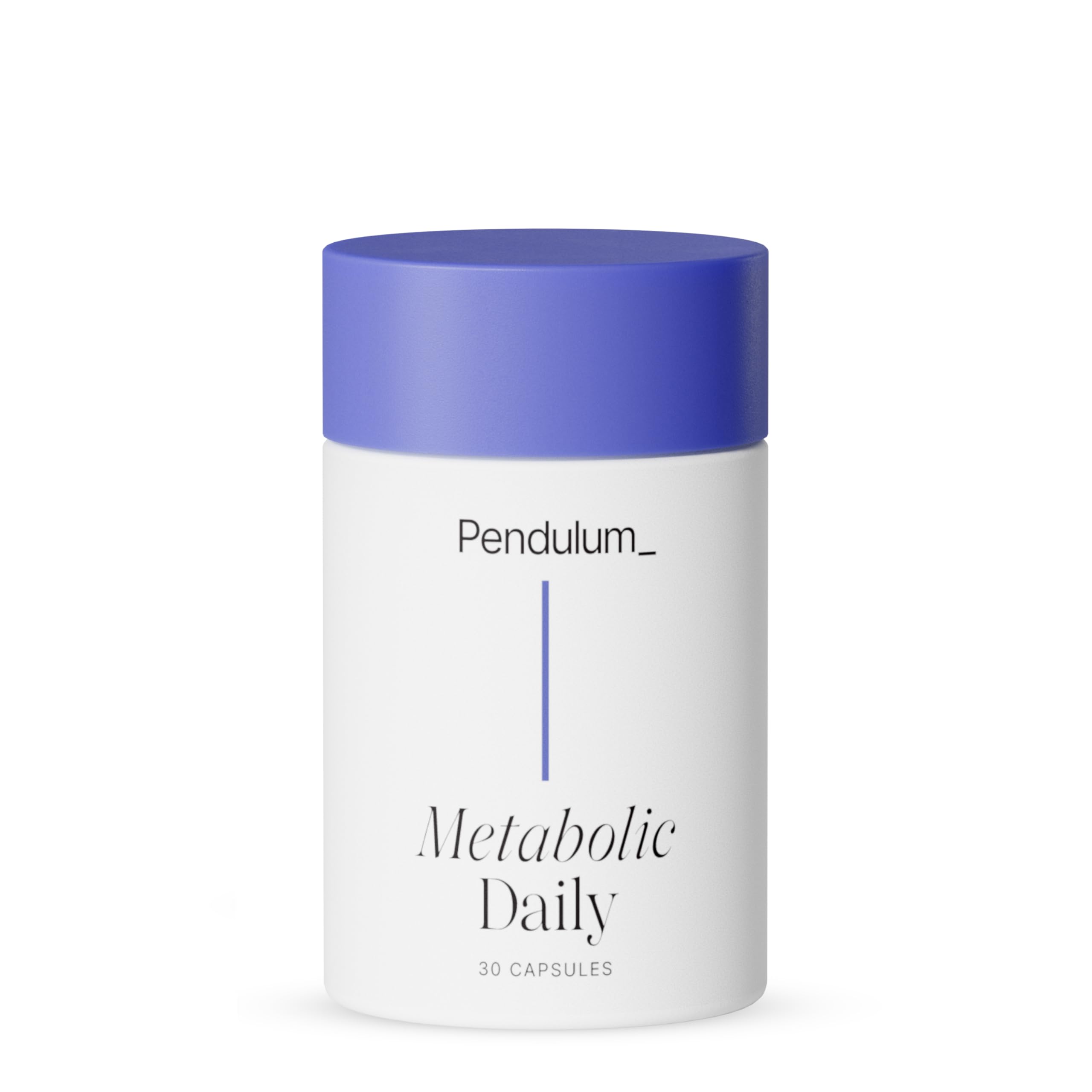
| Pendulum Metabolic Daily | Metabolic focus | — | 30 capsules | 5 strains | Amazon |
| AKKA Akkermansia Probiotic | Liver and digestion combo | — | 60 capsules | Resveratrol, Quercetin, Silymarin | Amazon |
Detailed Reviews
1. 300 Billion AFU 6-in-1 Akkermansia Probiotics 120 Capsules
Our pick — 4.5+★ from 700+ verified ratings; the strongest balance of quality and price.
The heavyweight of the lineup — the most AFU per serving and the longest shelf life in one bottle.
The defining number here is 300 Billion AFU per daily serving, a live-bacteria count that puts this bottle at the top of the potency scale. That figure matters because Akkermansia muciniphila is often low or completely absent in people, so a high-potency serving is aimed at genuinely topping up the gut rather than nudging it. Buyers report steadier energy through the day and less post-lunch sluggishness.
You get twice the supply from this Lifeatlas bottle than from the Dmeisy 300 Billion AFU pick, and the gap is all in the capsule count. This one ships 120 capsules against the Dmeisy’s 60 — a difference of 60 capsules, at the same stated potency. Both use a delayed-release design (a coating meant to carry the bacteria past stomach acid) and both are shelf-stable, so you can store them without a fridge. The real question is how long you want one bottle to last.
The 6-in-1 blend pads the dose with more than just the bacterium: resistant starch for gut support, green tea leaf extract, vitamin B2 to help convert food into energy, vitamin D for immune function, and chromium. If you want one capsule covering gut support plus daily vitamins and minerals, that blend is the draw. If you prefer a stripped-down single-strain formula, the extra ingredients will feel unnecessary.
Where It Earns Its Place
- 300 Billion AFU per serving is the highest potency in this lineup
- 120 capsules gives you real staying power from one bottle
- Delayed-release capsules are built to survive stomach acid and reach the gut
- 6-in-1 formula adds resistant starch, green tea leaf extract, vitamin B2, vitamin D and chromium
What To Weigh First
- The multi-ingredient blend is more than a plain single-strain probiotic
- At 300 billion AFU, a lighter dose may suit sensitive stomachs better
Go for it if: you want the strongest single-bottle dose with the longest supply and do not mind a broader ingredient list.
Think twice if: you are new to Akkermansia and would rather start with a smaller AFU count.
2. 300 Billion AFU Akkermansia Muciniphila Probiotics 60 Count
Same 300 Billion AFU punch as the top pick, packed into a single month’s bottle.
Here is the straightforward trade-off. The Dmeisy bottle matches the Lifeatlas at 300 Billion AFU per serving, but it arrives with 60 capsules instead of 120, and the serving direction says to take two capsules a day. That works out to roughly a one-month supply. If you like to test a formula before committing to a longer run, the shorter bottle is the sensible starting point — you get the full high-potency dose without a two-month commitment sitting in your cupboard.
What comes through in the owner feedback is how mild the experience feels for such a strong count. Owners mention meals sitting better and steadier energy after exercise. One widely echoed line: “I’ve been taking this akkermansia supplement for about a month. I feel lighter after meals and my skin looks clearer.”
The rest of the label is a 6-in-1 blend — resistant starch, green tea leaf extract, vitamin B2 and vitamin D — plus the same delayed-release capsule design that protects the bacteria on the way down. It is shelf-stable with no refrigeration needed, and the maker states the potency holds until the expiration date. Compared with the Codeage bottle below, this one carries a far larger AFU count but a shorter total supply.
Straight read: a high-potency, mild-feeling formula in a trial-friendly bottle, with the delayed-release capsule doing the heavy lifting on delivery.
Keep in mind: at two capsules a day, the 60 count runs about a month, so it is a taster rather than a long haul.
Right for: anyone who wants the full 300 Billion AFU dose but prefers to try one month before subscribing.
Less ideal for: buyers who want a bottle that lasts beyond a few weeks without reordering.
3. Codeage Akkermansia Muciniphila 90 Capsules
The gentle, three-month bottle that pairs Akkermansia with a prebiotic fiber.
Codeage goes the opposite direction on dosage and ends up with a different kind of appeal. Its serving is 500 million AFU — far below the 300 billion AFU of the two bottles above — but one capsule a day stretches 90 capsules into a full three months. For someone who wants a steady, low-dose routine rather than a heavy daily hit, that ratio is the whole point of this bottle.
What wins people over here is the pairing of the probiotic with chicory root inulin, a soluble fiber that acts as a prebiotic to feed the bacteria you are swallowing. Quality is the trait buyers focus on, and the formula backs it up on paper: vegan, non-GMO, dairy-free, soy-free and gluten-free, in vegetarian capsules, and manufactured in the USA in a cGMP-certified facility. That clean label list is a real consideration if you avoid dairy or animal-derived ingredients.
Buyers split on value. Plenty call it strong value for a three-month supply, while others feel the outlay is steep for a lower AFU count than the big bottles. That is a fair trade-off, not a flaw. If you want the most bacteria per serving, the higher-AFU picks beat it. If you want the smallest capsule habit stretched over the longest time, this is the one that leads.
Second opinion worth knowing: the clean dietary profile — vegan, non-GMO, dairy-free, soy-free, gluten-free — makes it one of the least fussy labels on this list.
Pick this one if: a once-a-day capsule over three months suits your routine and you like the prebiotic-inulin add-on.
Choose differently if: you are chasing the highest possible AFU dose per serving.
4. Pendulum Metabolic Daily Multi-Strain Probiotic 30 Capsules
Built around metabolism first and digestion second, with five strains in one daily capsule.
Pendulum takes a different angle from the single-bacterium bottles. This is a five-strain multi-strain probiotic, and the strains are chosen for metabolic signaling, digestion and gut ecosystem balance rather than gut barrier support alone. Akkermansia is one of the five. The maker is explicit that it is designed for metabolism, not just digestion, which is why it appeals to buyers who want energy balance and cravings handled alongside gut comfort.
What the owner feedback keeps circling back to is the science-forward framing and how easy the capsule goes down. The recurring practical win is appetite and bloating control: “So far very effective at reducing bloating and cravings.” That is a metabolic-flavored benefit the plain high-AFU bottles do not lead with. The formula is non-GMO and third-party tested, and the direction is one capsule daily with food — the easiest habit on this list to keep.
The honest catch is twofold. Cost is the loudest theme, to the point that a portion of buyers move to a cheaper brand after a run. And because it is a 30-capsule bottle at one a day, it is a one-month supply, shorter than the Codeage and Lifeatlas bottles. There is also the choice problem: the brand sells several formulas, so picking the right one for gut versus metabolic goals takes a minute of reading.
Reasons It Stands Out
- Five targeted strains, Akkermansia included, built around metabolic support
- One capsule daily with food — the simplest routine here
- Non-GMO and third-party tested
- Owner feedback highlights reduced bloating and cravings
Trade-Offs To Know
- Cost is the recurring gripe — some buyers switch brands for it
- 30 capsules at one a day is a one-month supply
- A multi-strain formula, not a pure Akkermansia dose
Best match for: metabolic and appetite-focused buyers who value a scientist-formulated multi-strain blend over pure potency.
Look elsewhere if: you want the most bacteria per serving or the longest bottle for the money.
5. AKKA Akkermansia Probiotic 60 Capsules
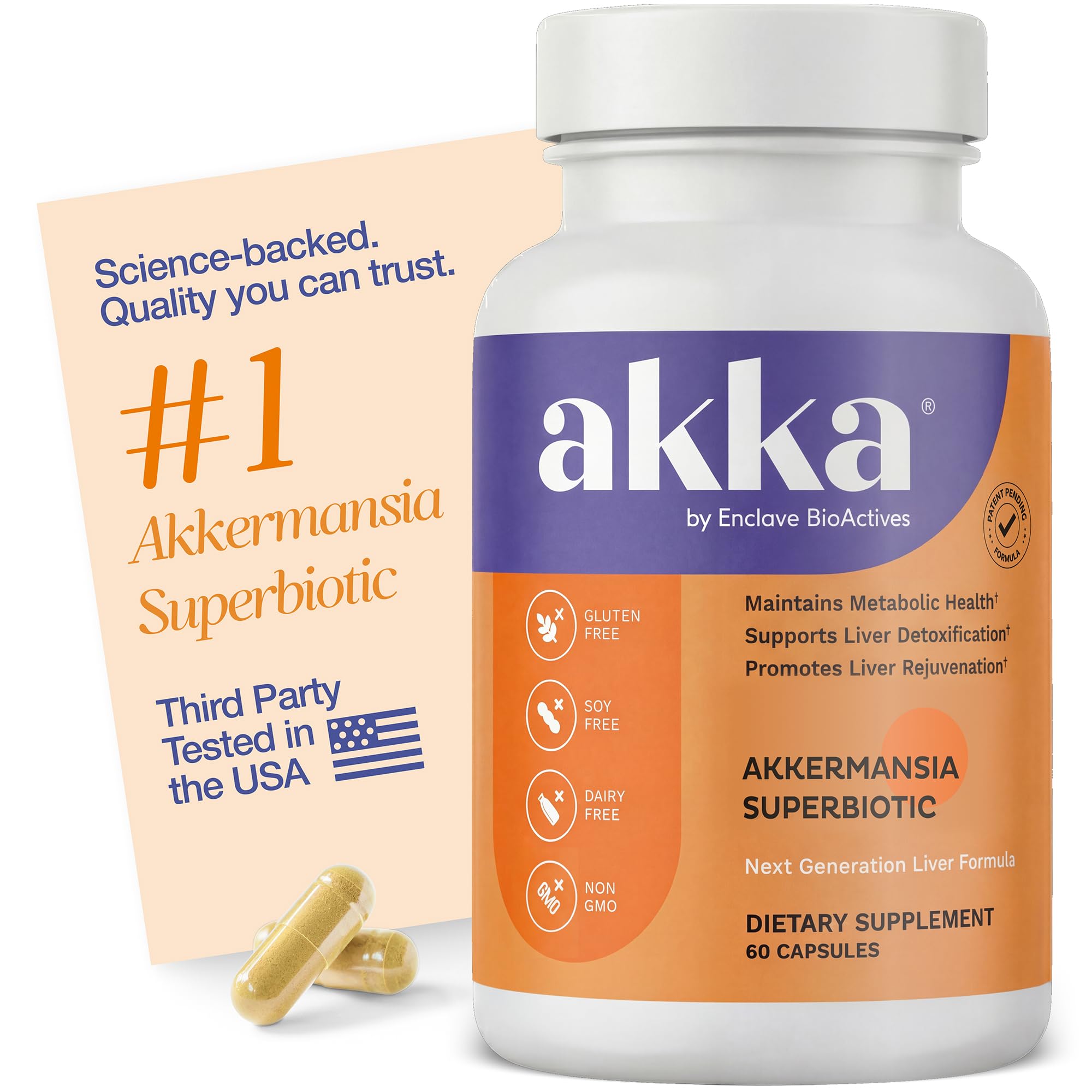
The one that folds liver support and gut bacteria into a single two-capsule daily routine.
AKKA is the widest brief on this list. It starts with bioavailable pasteurized Akkermansia and then layers in liver-support ingredients — resveratrol, quercetin and silymarin — plus artichoke leaf extract. The result is a 60-capsule bottle dosed at two capsules daily after meals, aimed at buyers who want digestion, metabolism and liver wellness addressed together rather than gut bacteria alone. If you already take a separate liver supplement, this consolidates two purchases into one bottle.
Buyers praise the ingredient quality, and their effectiveness feedback lines up: improved digestion, less bloating, and steadier energy through the day. Appetite comes up too — one reviewer writes, “My appetite has been more controlled, I’ve dealt with less stomach discomfort & have actually felt less fatigued during the day as well!” The formula is non-GMO (no genetically modified ingredients) and free from gluten, dairy and soy, so it suits people avoiding those. The capsules are easy to swallow with no strong taste.
The caveat is value. Opinion splits — some find the price fair for what it packs in, others see it as steep for a 60-capsule bottle that runs a month. It is also a two-capsule daily habit, not a single pill. Neither is a fault, but both mean the daily cost and the routine are heavier than the simpler bottles on this list.
The standout spec: pasteurized Akkermansia paired with resveratrol, quercetin, silymarin and artichoke leaf extract makes this the only liver-and-gut formula here.
The growing-pain note: a two-capsule daily dose and a split verdict on value mean the habit costs more than the single-pill picks.
Reach for this if: liver support is part of your goal and you want one bottle covering digestion and metabolism too.
Skip the combo if: you only want pure Akkermansia and would rather keep the routine to one capsule.
Know the Specs
AFU — The Live-Count Number
AFU stands for Active Fluorescent Units, a lab measure of live bacteria cells in a serving. It is the number that tells you how strong a dose really is. A 300 Billion AFU serving carries vastly more bacteria than a 500 Million AFU one, so read this figure before anything else on the label. Higher is not always better for a sensitive stomach — start where you are comfortable.
Capsule Count and Daily Serving
The capsule count only makes sense next to the serving direction. One capsule a day from a 90-capsule bottle runs three months, while two capsules a day from a 60-capsule bottle runs about one month. Check both before deciding a bottle is good value, because the same 60 count can mean very different things depending on how many you take daily.
Delayed Release
Akkermansia has to reach the intestine alive, and stomach acid is the obstacle. Delayed-release capsules are designed to hold together through the stomach and release the bacteria further down the tract, where they can flourish. When a label names this feature, it is telling you the bacteria are protected on the way down.
Shelf-Stable vs Refrigerated
Shelf-stable means the bottle can sit in a cupboard without refrigeration. That matters for travel and for anyone who keeps supplements at work. A shelf-stable formula that states its potency holds until the expiration date is easier to keep on routine than one that needs a fridge.
Prebiotics Like Chicory Inulin
A prebiotic is food for the probiotic bacteria. Chicory root inulin is a soluble fiber that acts this way, and when it sits in the same capsule as Akkermansia, the two are meant to work together. A prebiotic does not add bacteria — it feeds the ones you swallow.
Pasteurized Akkermansia
Some formulas use pasteurized Akkermansia rather than live cells. It appears in the AKKA bottle alongside liver-support ingredients. If you are comparing labels, note whether a product names live AFU counts or pasteurized bacteria, because they are described differently and serve different formula goals.
Common Questions
How much Akkermansia should I take per day?
What does AFU actually stand for on a probiotic label?
Do I need to refrigerate an Akkermansia supplement?
What is the difference between Akkermansia and a regular probiotic?
Will a high AFU dose upset my stomach?
How long does one bottle of Akkermansia last?
What is chicory inulin and why is it in a probiotic?
Can I take Akkermansia alongside a liver supplement?
Are these Akkermansia capsules gluten-free and dairy-free?
What is pasteurized Akkermansia versus live Akkermansia?
The Bottom Line
For most people, the akkermansia supplement worth buying is the Lifeatlas 300 Billion AFU 6-in-1. It pairs the highest potency in the lineup with 120 capsules and a delayed-release design — the most bacteria per serving and the longest supply in a single bottle. If you want that same 300 Billion AFU dose in a smaller trial bottle, grab the Dmeisy 300 Billion AFU formula. And for a gentle three-month routine with a prebiotic (a fiber that feeds good bacteria) built in, reach for the Codeage 500M AFU.
How we choose
We do not accept paid placement. Every pick is matched to a real buyer and a real use-case; we do not hands-on test units.
Sources
Specifications: manufacturer listings and product documentation. Review insights: verified customer reviews, as of October 2026. Pricing: not shown on this page (it changes often); check the current price via the retailer link.
As an Amazon Associate, Aappliancez earns from qualifying purchases. This does not affect which products we feature.