Disclosure: Some links in this post are affiliate links. As an Amazon Associate I earn from qualifying purchases, at no extra cost to you. Learn more
Specs are compiled from manufacturer listings and verified buyer reviews and can change over time — please confirm the key details on the product page before buying.
Most running shoes sold in America are built on a medium-width last, which is why so many 4E runners end up with cramped toes, hot spots, and black toenails by mile three. A true 4E running shoe gives your forefoot real room to spread, and that changes how your whole stride feels. Below you will find seven wide and extra-wide options that real buyers actually wear through treadmill sessions, trail loops, and long shifts on their feet.
This guide is built by comparing the manufacturers’ published specifications and the patterns across verified customer reviews, so you get each pick’s real strengths and trade-offs instead of marketing spin.
You do not need to memorize shoe anatomy to buy well here. What matters is matching the width label, the cushioning style, and the outsole to how you actually move. This breakdown of the 4e running shoes worth your money covers fit, cushioning, and durability pick by pick.
Top Picks
How To Choose The Best 4E Running Shoes
Buying a wide running shoe is mostly about three things: the width labeling, the cushioning under your foot, and the outsole underneath it. Get those right and the shoe stays comfortable for years. Get them wrong and your toes will feel it by the second mile.
Width labels, and why 4E is not the same as “wide”
Running shoe widths run on a letter scale. D is standard men’s width, 2E is wide, and 4E is extra-wide — roughly a finger’s width more room across the ball of your foot than a standard D. Many brands also call 4E “X-Wide” or “Extra Wide.” If your current shoes pinch across the widest part of your foot or leave red marks on the outside edge, you are probably a 2E or 4E.
Cushioning: soft foam, gel, or a high-stack platform
Cushioning is the foam or gel that sits between your foot and the ground. Soft foam midsoles feel plush and forgiving on long runs, while firmer foams give more stability but less bounce. Higher-stack midsoles (the “stack” is how much material sits under your heel) put more cushioning between you and the pavement, which helps on long mileage but takes some getting used to.
Outsole and tread for the surfaces you actually run on
The outsole is the bottom rubber layer. Look for deeper, lugged tread if you spend time on gravel or dirt trails, and smoother tread for pavement and treadmill work. A shoe with flex grooves near the toes bends naturally as you push off, which is easier on your toes than a stiff, flat slab of rubber.
Side-by-Side Comparison
| Model | Best For | Weight | Cushioning Style | Outsole Focus | Amazon |
|---|---|---|---|---|---|
| Under Armour Men’s Charged+ Assert 11 Running Shoes★ Best Overall | Treadmill rucking and wide-foot comfort | 10.2 oz | Charged+ midsole | Rubber with flex grooves | Amazon |
| New Balance Men’s Fresh Foam X Garoé V2 Trail Running ShoeTrail Ready | Trail running with a soft underfoot ride | — | Fresh Foam midsole | AT Tread traction | Amazon |
| NORTIV 8 Men’s Trail Running Shoes Wide Toe Box | Trail runners who need toe space | — | Standard cushioned midsole | Lugged trail tread | Amazon |
| ASICS Men’s Gel-Excite 11 Running Shoes | Multi-purpose running, walking, and work | 1.44 lb | FF BLAST PLUS with PureGEL | FLUIDRIDE outsole | Amazon |
| FitVille Extra Wide Walking Shoes | All-day standing on extra-wide feet | — | Dual-density high-rebound EVA | Rubber outsole | Amazon |
| Brooks Men’s Trace 4 Neutral Running Shoe | Casual, running, and gym use on narrow feet | 1.5 lb | Neutral midsole foam | Smooth pavement tread | Amazon |
| New Balance Men’s Fresh Foam X More V6 | Max-cushion comfort for long standing days | — | Fresh Foam max-cushion midsole | Extra-wide platform | Amazon |
Detailed Reviews
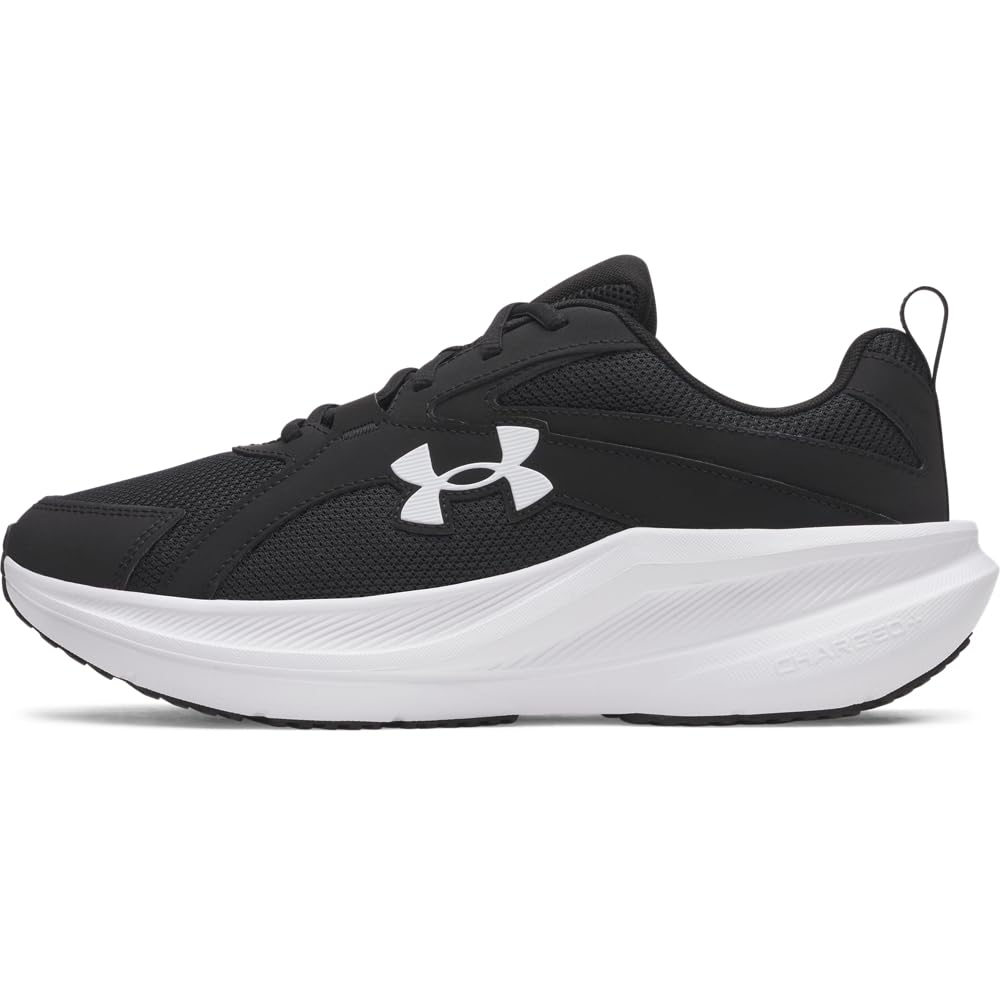
1. Under Armour Men’s Charged+ Assert 11 Running Shoes
Our pick — 4.5+★ from 2,000+ verified ratings; the strongest balance of quality and price.
The everyday trainer wide-footed runners wear straight through their treadmill rucking sessions.
What sets this one apart is the width-friendly mesh upper — an athletic mesh shell with leather overlays across the midfoot for structure. That combination lets your foot spread naturally without the shoe flopping sideways, and it is the reason this pick sits at the top of the list.
Underfoot, the Charged+ midsole (the foam layer that cushions your foot) is the plush part. Owners say the Charged+ foam stays soft enough to ease foot pain through long treadmill sessions. The shoe is neutral, meaning it is built for runners who want a balance of flex and cushioning rather than a stiff supportive chassis. The rubber outsole has flex grooves cut near the toes, so the shoe rolls with your stride instead of fighting it.
The weight also matters here — 10.2 ounces on the scale, which is noticeable but not dead underfoot. The package itself ships at 2.4 pounds, and the shoe is boxed at 12 x 6 x 5 inches. At least 30% of the upper content is recycled material, and the laces are a standard tie style.
What wins people over, more than anything else, is comfort — and quality scores right alongside it in the review pages. Fit follows close behind, with accurate sizing called out again and again. The recurring gripe is light: some buyers wish the outsole foam lasted longer on hard pavement, but that is a wear note, not a dealbreaker.
Where It Shines
- Charged+ midsole cushioning soft underfoot for treadmill and road running
- Neutral build with flex grooves for a natural toe-off
- 10.2 oz weight keeps it nimble for a cushioned trainer
- Upper contains at least 30% recycled content
- Accurate sizing reported across wide-foot buyers
Honest Trade-Offs
- Outsole foam tends to break down quicker than burlier trail shoes
- Neutral design may not suit runners who want heavy stability control
- Not a dedicated trail shoe — stick to pavement and treadmill
Reach for this if: you want one cushioned wide-fit trainer for treadmill rucking, easy road miles, and daily wear.
Think twice if: you need aggressive trail lugs or rigid stability posting for overpronation.
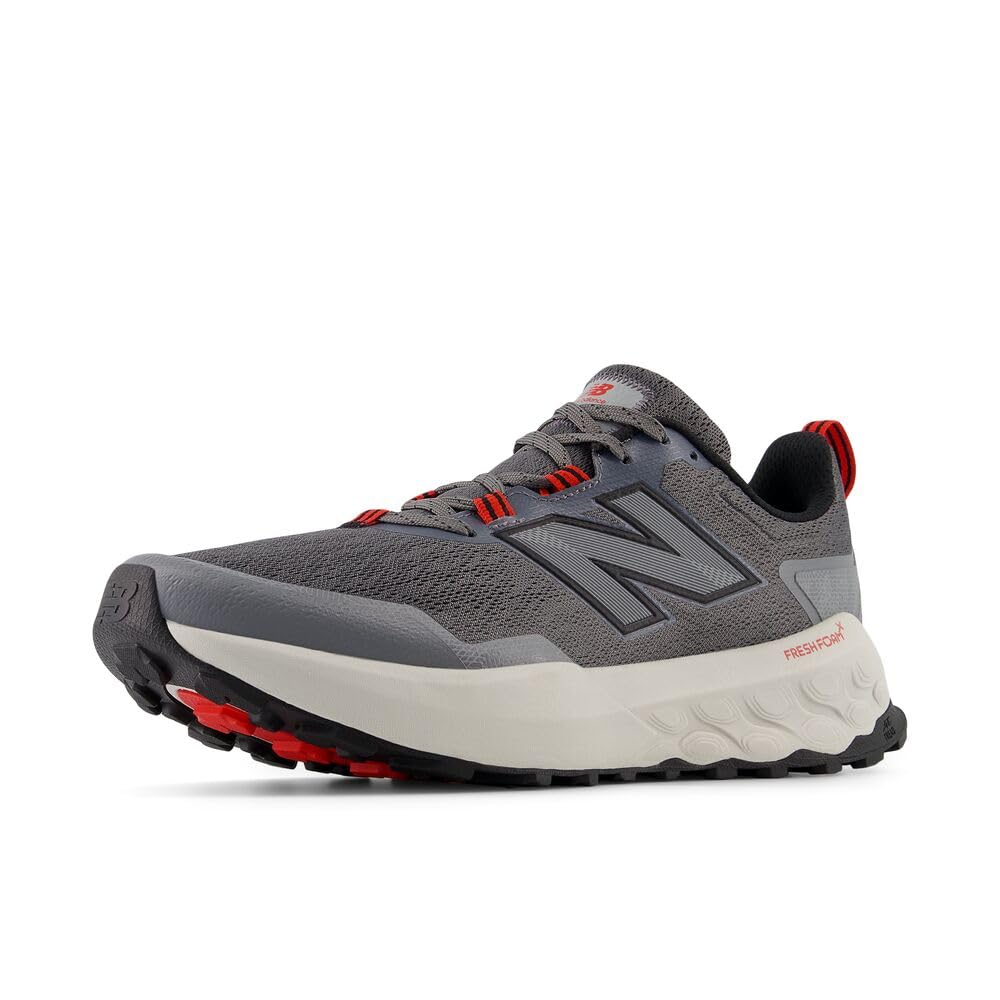
2. New Balance Men’s Fresh Foam X Garoé V2 Trail Running Shoe
A soft-cushioned trail shoe that goes from packed dirt to sidewalk without missing a step.
The headline here is the Fresh Foam midsole — a lightweight, ultra-soft foam New Balance built for the Garoé V2 with comfort as the priority. Pair that with the AT Tread outsole, which is designed to grip both on and off the road, and you get a shoe that covers gravel paths, packed dirt, and pavement on a single Saturday loop.
The upper uses smooth overlays (smooth patches that replace stitched seams) to cut down on friction points, which matters when you are wearing a wide fit and want zero hot spots. Owners describe the shoe as very light and durable enough to survive long walks and workouts. The honest caveat: cushioning reviews are mixed, with some loving the plush foam and others saying the soles feel too soft underfoot on hard surfaces.
There is one durability concern worth knowing about — buyers report “some report the lace loops breaking after two walks”. It is not universal, but it is a real pattern worth handling gently.
The case for it: a lightweight, ultra-soft foam trail trainer that handles road-to-trail transitions better than most wide-fit options. Quality is the aspect buyers praise most, with appearance and arch support right behind it.
The honest caveat: lace loop durability has been flagged by some buyers, and the soft sole is a love-it-or-leave-it trait. If you want a firmer, more planted ride, this is not the one.
Go for it if: your runs mix pavement and unpaved trails and you love a plush, soft-foam feel underfoot.
Look elsewhere if: you want a firm, stable platform or need a shoe that will take serious beating on technical terrain.
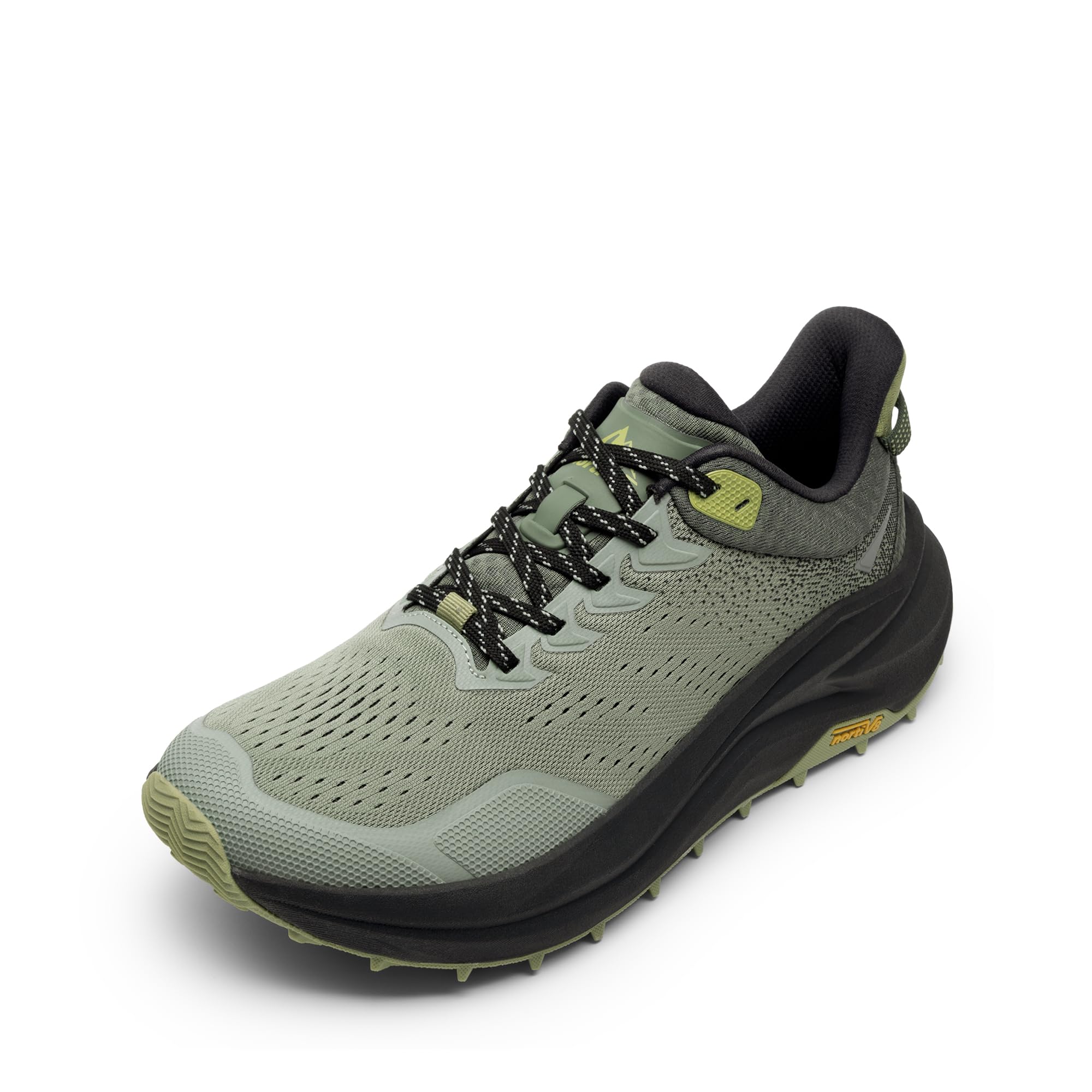
3. NORTIV 8 Men’s Trail Running Shoes Wide Toe Box
Purpose-built around a wide toe box for runners whose forefoot needs actual breathing room.
The single feature this shoe is designed around is exactly the one wide-footed runners care most about: the toe box. Owners describe even pressure distribution across the whole foot rather than pinching at the widest point, and the shoe is built to accommodate wider feet without feeling oversized through the heel and midfoot.
Traction is the other standout. The lugged tread bites into dry, dusty trails well, and reviewers consistently call out the aggressiveness of the pattern. Arch support gets solid marks too, and quality and fit both land among the top aspects in the review pile — comfort leads the pack overall.
Durability is the one area with mixed feedback rather than uniform praise, so treat this as a solid trail shoe for moderate use rather than an indestructible backcountry machine. For casual trail running, hiking-light days, and gravel paths, the combination of toe room and lugged grip is hard to argue with.
Why wide feet like it: the wide toe box and lugged trail tread are the two features reviewers bring up most, and the even pressure distribution is what keeps long trail runs comfortable.
What to know: durability reports are mixed — this is a moderate-use trail shoe, not a heavy-duty mountain runner. If you log hundreds of hard trail miles a year, expect to replace them sooner.
Best matched to: trail runners with wide forefeet who need toe room plus grippy lugs on dry, dusty surfaces.
Not the one if: you want maximum cushioning for long road miles — the trail focus means firmer, more grounded feel underfoot.
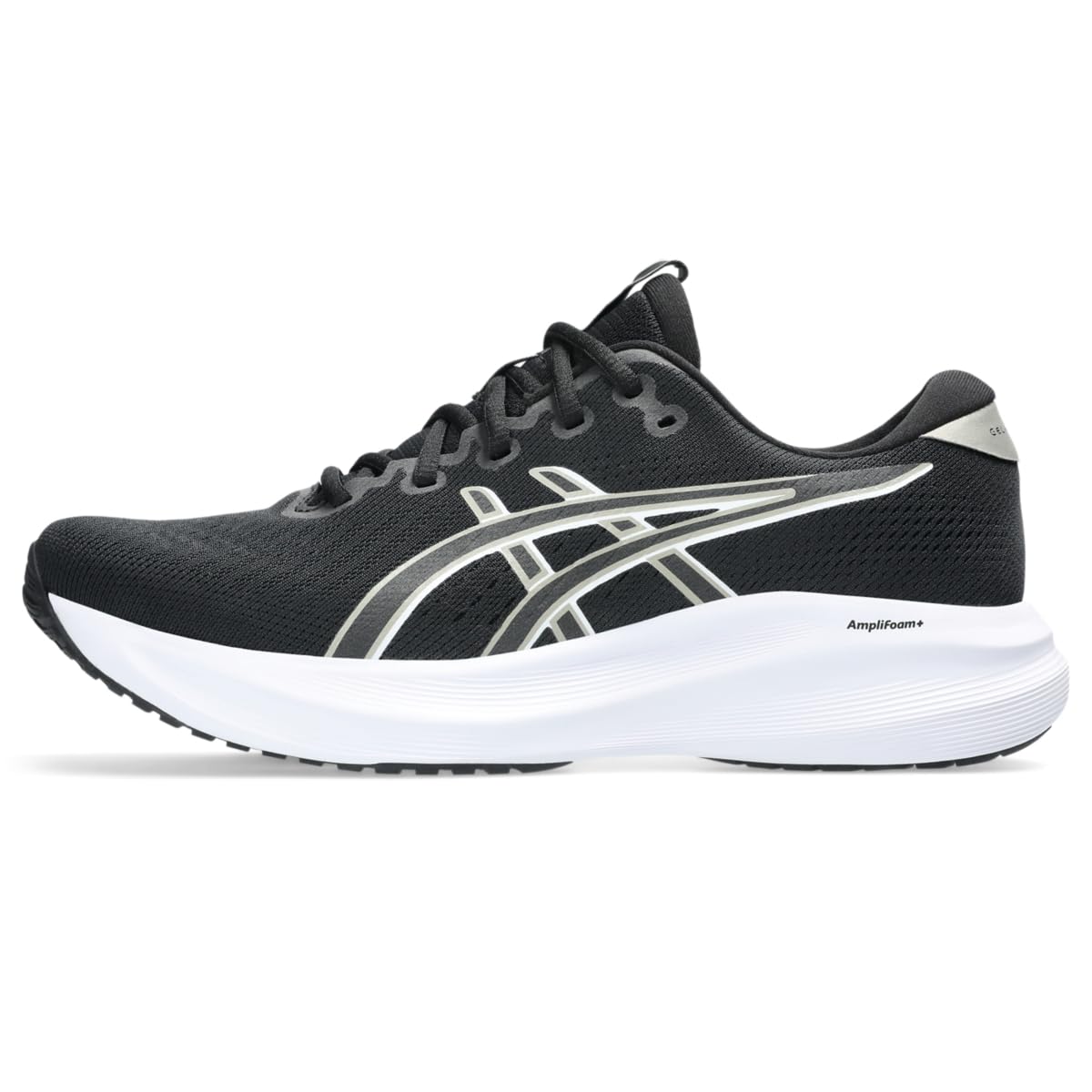
4. ASICS Men’s Gel-Excite 11 Running Shoes
The do-everything trainer that feels as good on a work shift as it does on a Saturday run.
Stacked cushioning is the story here. ASICS layers AMPLIFOAM PLUS in the midsole with FF BLAST PLUS foam and a higher stack height for a softer, more forgiving landing. Sitting inside that mix is PureGEL technology — the softer, updated version of ASICS gel, which the manufacturer states is approximately 65% softer than standard GEL technology.
The upper is an engineered mesh with a lace-up design and a polyester lining, plus an OrthoLite X-30 sockliner for a bit of extra step-in comfort. FLUIDRIDE in the outsole is ASICS’ approach to smoother heel-to-toe transitions, and a tongue pull tab makes it easy to get the shoe on and off, which is a small touch that gets noticed during long days.
Where this really earns its spot is versatility. Owners use it for running, walking, and work without complaint, and the style gets consistent praise. Quality leads the aspects reviewed, with comfort right behind it, and multiple buyers describe it as feeling as good as more expensive shoes. For someone who wants one pair to cover multiple jobs, that breadth is the whole point.
What Buyers Love
- Layered FF BLAST PLUS foam and PureGEL cushioning in the midsole
- OrthoLite X-30 sockliner and polyester lining for comfort
- Engineered mesh upper for breathability
- Handles running, walking, and work use
- Tongue pull tab for quick on-and-off
Worth Knowing
- Not marketed specifically as an extra-wide 4E model — check width availability before ordering
- Higher stack height takes a few runs to adjust to
- Pavement-focused outsole rather than a trail design
Perfect for: the runner who needs one pair of ASICS Gel-Excite 11s to cover running, walking, gym, and long work shifts.
Skip if: you spend most of your mileage on rough trails — the pavement-oriented outsole is not built for that.
5. FitVille Extra Wide Walking Shoes

Built from the ground up for genuinely extra-wide feet, not just labeled that way.
The width range is what makes this shoe different. FitVille offers it from Wide (2E) all the way up to X-Wide (4E), with a wide toe box and high instep design to match. That means anyone who has spent years squeezing into standard-width shoes gets a shoe that was actually designed around the extra-wide shape.
The midsole uses two densities of high-rebound EVA, which gives more cushioning under the forefoot and firmer support under the heel. The insoles are removable ArchCore inserts that can be swapped for custom orthotics — a meaningful option if you already wear prescription inserts. The rubber outsole provides the traction.
Owners mention getting through full work shifts without pain, and comfort and quality lead the review pile. Durability, cushioning, and weight all show mixed feedback rather than uniform praise — meaning the shoe works well for daily walking and standing, but it is not built to survive years of hard abuse.
The width win: a true 4E width option with a wide toe box and high instep, plus removable insoles you can swap for your own orthotics. The pressure relief for wide-footed buyers is the standout point.
Keep in mind: this is designed for walking and prolonged standing rather than fast running or trail use. Cushioning and durability reviews are mixed, so expect solid daily comfort without heavy-duty trail-tank build quality.
Made for you if: you have genuinely wide feet, wear orthotics, and need a shoe that gets you through an eight-hour shift on hard floors.
Not the one if: you want a shoe engineered for high-mileage running — this is a walking-first design.
6. Brooks Men’s Trace 4 Neutral Running Shoe

A lightweight neutral trainer that crosses over from running to gym to casual wear.
The one spec worth leading with is the shipping weight — 1.5 pounds in the package. Compare that to the Assert 11 above at 2.4 pounds, and you can feel the difference in hand before you even lace them up. The package also comes in at 13 x 9 x 6 inches.
What Brooks did well here is versatility. Owners wear this shoe for running, casual outings, and gym sessions, and it earns strong marks for comfort and arch support across all three. Quality leads the aspect breakdown, with comfort right behind it. That flexible personality is the main draw.
One thing to flag honestly: this shoe is built for narrow feet, which makes it a curious pick in a 4E guide unless you already know Brooks fits you well. If your feet spread wider than a standard D, look at the FitVille or garoé trail pick instead. Durability reports are also mixed, with some owners noting the bottoms can wear or tear faster than expected.
Why it lands here: Brooks quality, arch support, and a neutral versatile design that works for running, gym, and casual wear in one shoe. The 1.5-pound package weight keeps it light on the feet.
The catch: this is a narrow-fit shoe, so wide-footed runners should look elsewhere. Durability reports on the outsole are mixed rather than uniformly strong.
Right for: neutral runners with narrow-to-standard width feet who want one lightweight shoe for running, gym, and casual wear.
Wrong for: anyone who needs genuine 4E width — check the FitVille option above instead.
7. New Balance Men’s Fresh Foam X More V6

A max-cushion platform shoe for the runner who wants pillows under their feet all day long.
Take one look at the sole and you know what this shoe is about. The Fresh Foam X More V6 is built around an oversized, extra-wide midsole platform, and that extra material underfoot is what delivers the pillowy feel owners describe. Cushioning and comfort dominate the aspect breakdown, and the shoe is available in wide and extra-wide including 4E for wide-footed buyers.
What it does that few other shoes do is handle all-day standing. Owners credit the oversized Fresh Foam X midsole with easing knee, ankle, and hip strain across 20,000-step shifts. For treadmill work, walking, and any activity where standing time exceeds running time, that is a real advantage.
The catch is durability. Multiple owners note the soft foam wears down faster than a firmer shoe — that is the nature of an oversized soft midsole. Sizing also runs about half a size big for some wearers, so consider sizing down if you are between sizes. The huge platform collects dirt easily and looks distinctly platform-like, which some buyers like and others do not.
What’s Great
- Oversized Fresh Foam X midsole for maximum cushioning
- Available in wide and extra-wide including 4E
- Excellent for all-day standing and 8-hour shifts
- Impact isolation that helps with knee and foot comfort
- Breathable, smooth-riding design
What To Consider
- Soft midsole foam wears down faster than firmer shoes
- Runs about half a size large for some buyers
- Extra-wide platform collects dirt easily
- Not built for technical trail use
- Distinctive platform look is a love-it-or-hate-it style
The pick for you if: you log long shifts or high-step-count days and want a 4E-available shoe with maximum cushioning under your foot.
Not the pick for you if: you want a durable, planted trail shoe or if you dislike the sound of a foam sole that softens over time.
Know the Specs
Width Designations: D, 2E, and 4E
Width designations tell you how much room a shoe leaves across the ball of your foot. D is standard men’s width, 2E is wide, and 4E is extra-wide. Many brands call 4E “X-Wide” or “Extra Wide” instead. The FitVille option in this list goes from Wide (2E) up to X-Wide (4E), and the New Balance Fresh Foam X More V6 also offers 4E. If your current shoes pinch on the outside or leave a marked red line across the widest part of your foot, sizing up to a wider last is the fix.
Cushioning: Midsole Foam, Gel, and Stack Height
The midsole is the foam layer between your foot and the outsole, and it determines how soft or firm a run feels. Common examples here include the Under Armour Charged+ midsole, the New Balance Fresh Foam X used on both the garoé trail shoe and the More V6, the ASICS FF BLAST PLUS with PureGEL, and the FitVille dual-density high-rebound EVA. Stack height is simply how much material sits under your heel — a higher stack means a softer, more cushioned landing, and a lower stack gives a more grounded feel.
Common Questions
Is 4E wider than 2E?
Will a 4E running shoe fit my orthotic insoles?
Do 4E running shoes run true to size?
How long do wide running shoes typically last?
Can I run on trails in the NORTIV 8 wide toe box shoes?
Are wide running shoes good for standing all day?
Is a 4E width the same across every brand?
Which is better for wide feet, the Brooks Trace 4 or the FitVille Extra Wide?
Do wide running shoes work for treadmill and road running at the same time?
Can a max-cushion wide shoe help with foot or knee comfort during long shifts?
The Bottom Line
For most runners buying a 4e running shoes pick, the Under Armour Men’s Charged+ Assert 11 is the safe choice — the Charged+ midsole and neutral build cover treadmill rucking, easy road miles, and daily wear without needing a second pair. If you want a trail shoe with soft Fresh Foam underfoot, grab the New Balance Fresh Foam X Garoé V2. For genuinely wide feet that need a walking-first design with removable insoles, the FitVille Extra Wide is the one to reach for. And if maximum cushioning is what you chase, the New Balance Fresh Foam X More V6 puts more foam underfoot than anything else on the list.
How we choose
We do not accept paid placement. Every pick is matched to a real buyer and a real use-case; we do not hands-on test units.
Sources
Specifications: manufacturer listings and product documentation. Review insights: verified customer reviews, as of October 2026. Pricing: not shown on this page (it changes often); check the current price via the retailer link.
As an Amazon Associate, Aappliancez earns from qualifying purchases. This does not affect which products we feature.