Disclosure: Some links in this post are affiliate links. As an Amazon Associate I earn from qualifying purchases, at no extra cost to you. Learn more
Specs are compiled from manufacturer listings and verified buyer reviews and can change over time — please confirm the key details on the product page before buying.
If you want peaches you can slice without wrestling a pit out of the flesh, buy a freestone variety and check its chill hours against your winter before anything else. That one number — the hours of cold below roughly 45°F your tree needs to break dormancy and set fruit — is what separates a backyard harvest from a leafy stick that never blooms. The picks below are all freestone types that ship as live trees; the difference between them is how much cold they demand, how big they get, and how well they travel through the mail.
This guide is built by comparing the manufacturers’ published specifications and the patterns across verified customer reviews, so you get each pick’s real strengths and trade-offs instead of marketing spin.
A peach tree is a fifteen-year commitment, so pick the one whose chill hours and zone match your yard. Below you’ll find the seven live trees worth planting, ranked by what actually matters when you’re choosing the best freestone peach tree.
Top Picks
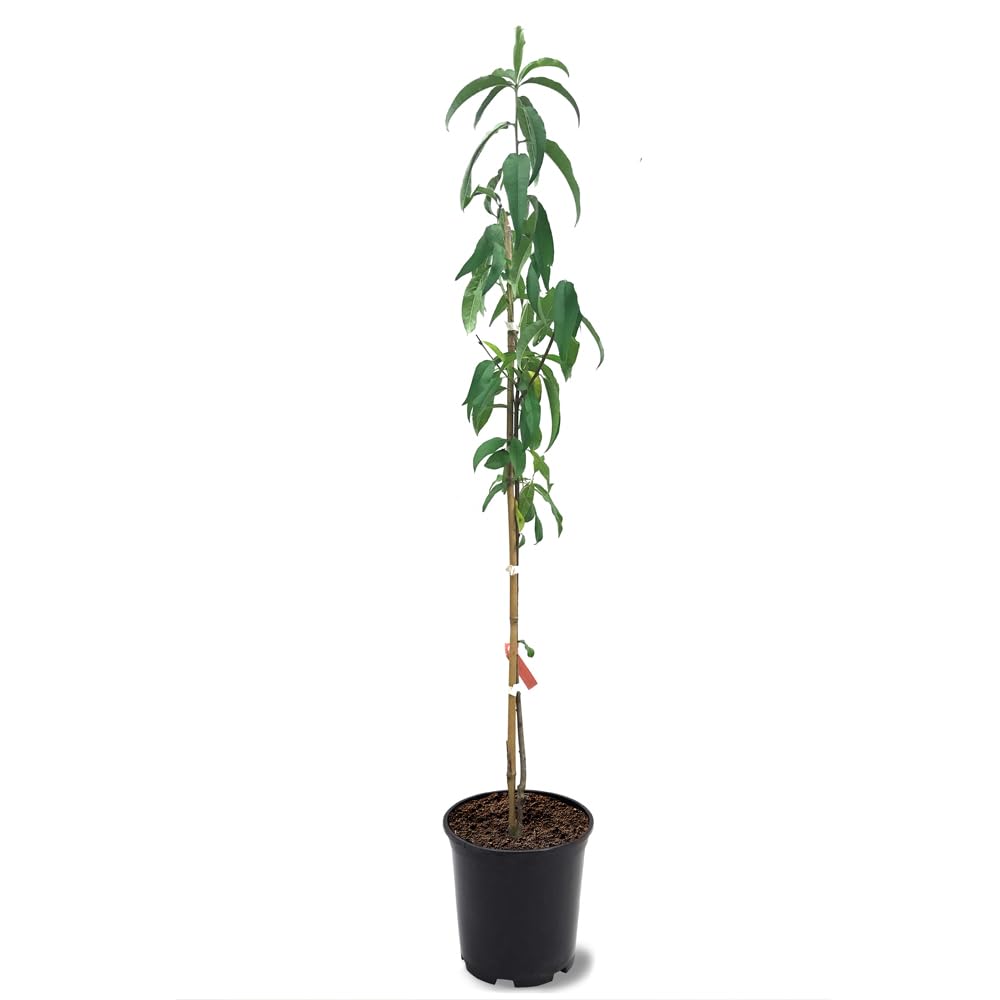

How To Choose The Best Freestone Peach Tree
The mistake almost every first-time buyer makes is shopping by photo. A nursery listing shows a mature, fruit-laden tree; what arrives is a 1-2 foot whip in a box. What you should shop by instead is your climate and your soil, because those two things decide whether that whip ever fruits.
Start with chill hours, not with the picture
Chill hours are the total hours your tree spends at cold-but-not-freezing temperatures each winter. A tree bred for 850 chill hours planted in a mild coastal yard will leaf out raggedly and set little fruit. A low-chill variety planted in a deep-cold state is usually fine — it just blooms early and risks a late frost. Match the number to your region and you have solved the single biggest reason backyard peach trees fail.
Know your USDA zone before you click buy
USDA growing zones are a rough map of your coldest winter temperatures. Most peach trees sold online list zones 5 through 8, which covers a broad band of the country. If you sit outside that band, the tree may survive but struggle. One pick here stretches down to zone 4, which matters if you garden in a short-season climate.
Freestone is about the kitchen, not the garden
Freestone means the flesh releases cleanly from the pit when the fruit is ripe. That is the difference between halving a peach for canning and gouging one out for a smoothie. Clingstone peaches hold tight to the stone and are better for eating fresh over the sink. If you plan to freeze, bake, or preserve, freestone is what you want, and every tree on this list qualifies.
Decide if you want one tree or two
A self-pollinating tree sets fruit on its own, no partner required. Several picks here are self-pollinators, which is a real convenience in a small yard. Others benefit from a second tree nearby for heavier set. Check that detail before you plan the planting hole.
Side-by-Side Comparison
| Model | Best For | Chill Hours | Growing Zones | Mature Height | Amazon |
|---|---|---|---|---|---|
| Belle of Georgia (1 gal)★ Best Overall | White-flesh peaches in a temperate yard | 850 | 5-8 | 15-20 ft | Amazon |
| Belle of Georgia by DAS FarmsBest Bare-Root Value | Fast establishment in the ground | — | 5-8 | 10 ft | Amazon |
| Contender by DAS Farms | Cold winters and late frosts | — | 5-8 | 10 ft | Amazon |
| Florida Glo by DAS Farms | Warmer zones down to 4 | — | 4-8 | 10 ft | Amazon |
| Perfect Plants June Gold | Mild winters, low chill requirement | 450 | 5-8 | 10-15 ft | Amazon |
| Red Haven (5 gal) | Arriving already fruiting-sized | — | 5-8 | 25 ft | Amazon |
| Pixies Gardens Contender (5 gal) | Beginner-friendly backyard orchard | — | — | 4.5 ft (shipped) | Amazon |
Detailed Reviews
1. Belle of Georgia Peach Tree, 1 gal Nursery Pot
Our pick — 4.0+★ from 60+ verified ratings; the strongest balance of quality and price.
The white-flesh self-pollinator that thrives in a temperate yard without a partner tree.
You get one tree in a 1 gallon nursery pot, standing 1-2 feet tall when it ships. That pot size matters: a gallon-grown tree already has roots wrapped around soil, so it transplants with less shock than a bare-root whip. It is rated for USDA growing zones 5-8, the broad temperate band where most backyard gardeners sit.
The headline spec here is 850 chill hours — the cold your tree needs each winter to break dormancy and set fruit. That is a fairly heavy cold requirement, so it belongs in a yard with a real winter rather than a mild coastal climate. In exchange, Belle of Georgia is a self-pollinator: one tree fruits without a second variety nearby. The peaches are medium-sized with white flesh and ripen in late summer. At full growth it reaches 15-20 feet, so plan a planting spot with headroom and full sun.
What wins people over is how hard this tree fights back from a rough shipping week. Buyers report “She had a 2 month adjustment period,and was attacked grass hoppers,however, she has survived all of that.” Others describe a tree that arrived early, packaged well, and settled into the ground without drama. The risk is real: a tree that arrives with leaves barely holding on can drop them within days, and one owner ended up with a plant that never recovered. That is the honest risk of buying any live tree by mail — the shipping week is the fragile week for a 1-2 foot whip. Plant in full sun in clay or well-draining soil, water regularly, and give it a season before you judge it.
What earns the top spot
- Self-pollinating, so a single tree still sets fruit.
- 850 chill hours suits zones 5-8 with a genuine winter.
- White flesh with a medium-sized freestone peach.
- Ships in a 1 gallon pot at 1-2 feet tall, already rooted.
Where you should hesitate
- At 15-20 feet mature, it needs real yard space and full sun.
- The first weeks after shipping are the make-or-break window.
- Its 850 chill hours rule out mild-winter gardens.
Plant this one if: You garden in zones 5-8, want one tree that fruits alone, and have room for a 15-20 foot canopy.
Look elsewhere if: Your winters are short or mild — the 850 chill hours will leave you with leaves but no peaches.
2. Belle of Georgia Peach
Ships dormant and bare, then gets its roots down fast once you follow the included planting sheet.
This one arrives at 1 to 2 feet tall in a gallon container, boxed for transport, rated for zones 5 through 8 in full sun. The seller is unusually specific about what to do: put it straight in the ground, do not transplant it into another pot, and follow the included instructions on location and water. Do that and they back the transplant for 30 days.
The reviewers who have the best luck are the ones who plant immediately. Owners mention trees that arrived healthy and grew fast right from the start, with a few seeing fruit inside the first year. One long-term account describes dozens of peaches. That said, this is a dormant deciduous plant — if it ships in winter it will look like a bare stick, and that is normal, not a death sentence. The failure mode is a tree that arrives with a weak root system already failing; one buyer got exactly that and lost it within a week. The bigger takeaway: plant it the day it lands, water it deep, and give it a full growing season before you judge it.
What the reviews keep circling: Speed to fruit. This is the pick for growers who want a fast-establishing tree and don’t mind a dormant stick in a box as the starting point.
Set your expectations: Dormant trees leaf out in spring, so a bare trunk in December is not a problem — it is the plan.
The right buyer: Someone planting in early spring who will get the tree into soil the day it lands.
The wrong buyer: A gardener who wants a leafy, fruiting tree on arrival — dormant shipping is the whole model here.
3. Contender Peach Tree

Bred to sit out a hard freeze and still bloom late enough to dodge a spring frost.
Contender is the variety a northern grower reaches for. It ships 1-2 feet tall in a gallon pot, rated for zones 5 through 8 in full sun, and is built for cold winters with a later bloom than most peaches. That late bloom is the whole point: it holds its flowers back until the worst frost risk has passed. You still plant it straight in the ground, not into another pot, and the seller covers the transplant for 30 days.
What people rave about is the plant that shows up. Customers note trees arriving over 2 feet tall, well boxed, with green sprouting and a pink flower bud inside a week. The long game is where this cold-hardy tree earns its keep — one grower’s tree hit 13-14 feet with a full harvest of large, juicy peaches by its third season and kept improving after that. On the growth side, reviews split: some trees take off fast, others sulk. A few report a plant that never leafed out, and the seller’s store policy has covered replacements in those cases. Give it a proper hole — about 24 inches wide and 12 inches deep — plus mulch, a support stake for the young trunk, and wire mesh around the base if rabbits work your yard.
Cold-weather edge: Late blooming plus cold hardiness means your crop has a better shot in a short-season climate than an early-blooming variety would.
One caution worth taking seriously: Young trees are fragile and rabbits will chew the base — the wire mesh is not optional in rural yards.
Choose it when: Your winters bite and late frosts have stolen a peach crop from you before.
Pass when: You want a tree you can leave in a container — this one wants the ground.
4. Florida Glo Peach
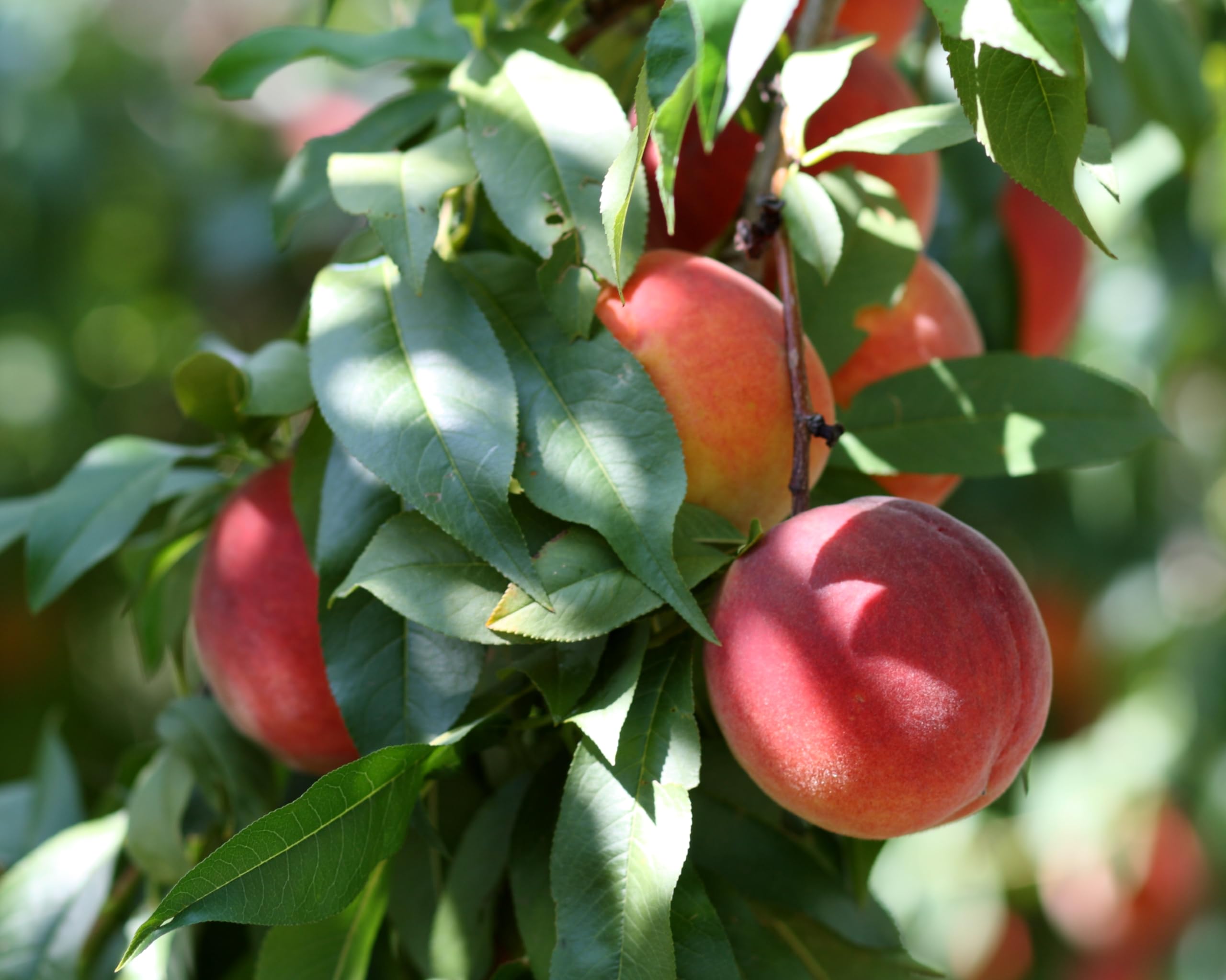
The widest zone reach on this list, rated all the way down to zone 4.
Here is the number that separates this tree from its DAS Farms siblings: zones 4 through 8, versus the 5-through-8 rating the Belle of Georgia and Contender both carry. If you garden in a colder pocket, that extra zone is the difference between a tree that survives and one that doesn’t. It ships 1 to 2 feet tall, boxed for transport, and wants the same treatment — straight into the ground in full sun, per the included sheet, with a 30-day transplant guarantee behind it. Loam soil suits it.
The early verdict from buyers is warm. Trees arrive tall with leaves already pushing, packaged carefully, and drink up water the moment they’re unwrapped. One described it as the healthiest plant they’d ever ordered online; another called it worth the money and notable to grow. It is a newer listing, so the track record is short, and a single unhappy buyer reported being stuck without a refund or replacement. That is a reminder to read the seller’s terms before you order rather than after.
Where this pick fits best is the gardener on the cold edge of peach country who still wants a freestone tree. The shorter review history means you’re taking a small leap on a young listing — read the guarantee, plant promptly, and the odds tilt your way.
Plant here: Your zone sits at 4 or 5 and other peaches feel risky in your winter.
Keep looking if: You want a long proven track record — this listing is young and its reviews are thin.
5. Perfect Plants June Gold Peach Tree, 4-5 ft, Live Plant

A low-chill yellow-flesh peach for growers whose winters are short and mild.
June Gold needs 450 chill hours, versus 850 for the Belle of Georgia up top. That is the deciding number for a mild winter. Fewer cold hours means the tree can break dormancy in a region that never really freezes, and still set a crop. It ships taller than most here at 4-5 feet, is self-pollinating, and ripens its yellow-flesh peaches in late May. Rated for zones 5-8, it reaches 10-15 feet both tall and wide, so give it a wide berth.
The blooms are the other draw. This tree puts on delicate pink flowers in spring and then foliates through summer, so it earns a spot in the front yard, not just the back orchard. It likes full sun and consistent water, and the harder the winter the more you should expect it to test that 450-hour figure.
What wins people over is the spring bloom and the yellow-flesh fruit. Growers describe foliage in year one and a dozen peaches by year two, and one flatly calls them the best peaches they’d ever eaten. The catch is that this is a live plant with a variable start — growth reviews run mixed, with some trees dying after planting or arriving short of expectation. Give it a deep soak at planting and don’t skip watering in the first season while those roots settle.
The reason to pick it: 450 chill hours opens up mild-winter gardens that other peach trees can’t handle.
One honest constraint: It’s a 10-15 foot tree that wants full sun and steady water — not a set-and-forget ornamental.
This suits: A southern or coastal grower with mild winters who values a June ripening date and yellow flesh.
Think twice if: You want a tree you can neglect — June Gold still wants full sun and a consistent watering routine.
6. Red Haven Peach Tree
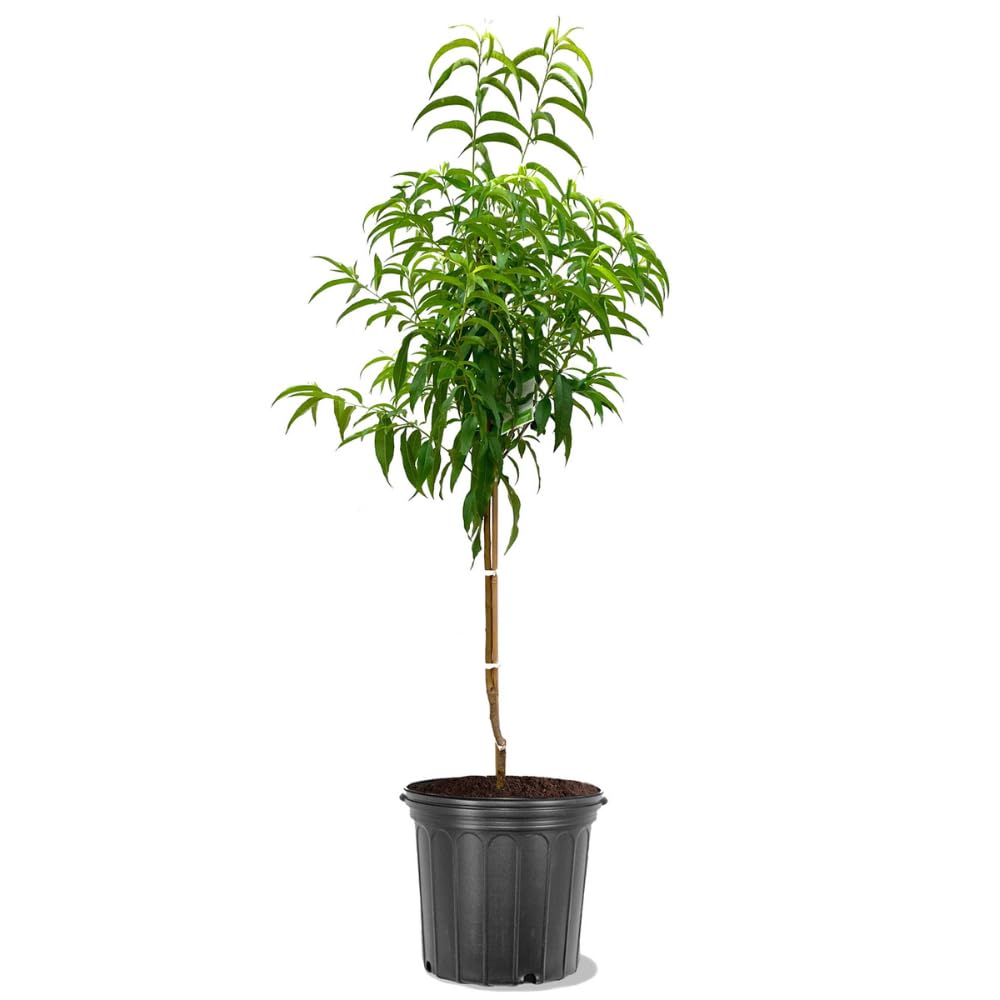
The most-established tree on the list, arriving in a 5 gallon pot ready for the ground.
Red Haven’s container size is the story here. A 5 gallon nursery pot carries a much bigger root mass than the gallon trees, so you skip a year of establishing and get closer to a fruiting canopy. It rates for zones 5-8, prefers well-drained, sandy-loam soil with a slightly acidic to neutral pH, and is self-pollinating. The fruit is freestone with juicy flesh and red-blushed pink skin. Full growth reaches 25 feet — the biggest on this list — so be honest about your space before you plant.
Reviewers point out this tree arriving larger than expected, sometimes with small peaches already on it, and surviving conditions that worried them. That includes a dry Colorado winter that a grower thought would finish the tree; it lived and grew. Across the board the language is about condition on arrival — branches, leaves, and a sturdy trunk. Shipment is prompt and the quality reads high across the board.
There is a real shipping restriction to know about. Agricultural law bars this seller from sending the tree to CA, AZ, AK, or HI, and orders to those states are refunded. If you’re outside those four, prune in late winter, mulch, and water deeply, and you’re set up for a serious producer.
Why it stands out
- A 5 gallon pot means a bigger, more established tree from day one.
- Self-pollinating, so one tree bears on its own.
- Freestone peaches with red-blushed skin.
- Hardy in zones 5-8 with well-drained soil.
Constraints to plan around
- Cannot ship to CA, AZ, AK, or HI under agricultural law.
- 25 feet at maturity is a real footprint.
- The larger tree is heavier on arrival and needs a sturdy planting spot.
Pick it for: The quickest jump to a fruiting tree, if you have the yard and live outside the four restricted states.
Don’t pick it for: A small patio garden — a 25 foot Red Haven needs open ground.
7. Contender Peach Tree 5 Gallon
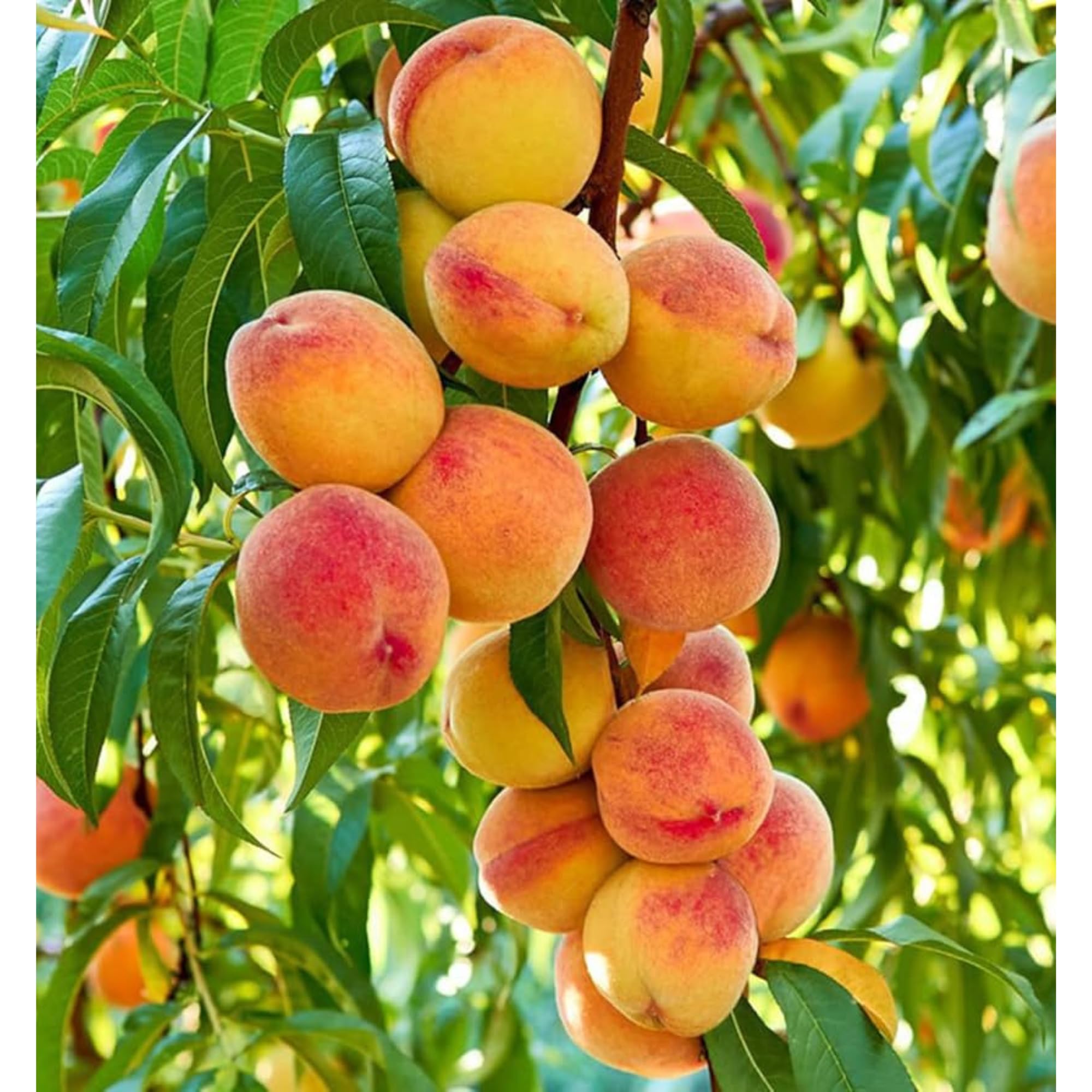
A late-blooming Contender in a biodegradable 5 gallon pot, built for a beginner’s first orchard.
This is the second Contender on the list, and the pot is updated: a biodegradable nursery pot at 5 gallons, versus the gallon container on the DAS Farms version. It ships at roughly 4.5 feet tall, self-pollinating, cold hardy, and late blooming — the same frost-dodging trait, in a fuller tree. The fruit is large, sweet, freestone, and good for canning, baking, jams, and pies. It prefers full sun and well-drained soil, and the seller markets it as low maintenance for a first-time grower.
The arrival experience is the whole story here: trees show up hydrated with new growth and buds. Trees show up packaged carefully, hydrated, with new growth and buds, and push new leaves within days of going in the ground. The breakdowns happen in transit — one tree showed small holes in the leaves and shed them after a day, and another arrived looking like it had once been healthy without clearly making the turn. The leaves drying out in the box is a real risk with any live plant, and the fix is to unpotted and in-the-ground within a day or two of arrival.
Because this is a short-listed listing with a modest review base, weigh the tree’s guaranteed traits — cold hardiness, late bloom, self-pollination, a 5 gallon pot — more heavily than the small-sample sizing on arrival. Unpack it the day it lands and you’ve done the one thing that matters most.
The match: A first-time orchard grower in a cold-winter zone who wants freestone peaches for the kitchen.
The mismatch: A gardener who wants a sure thing on arrival — this listing’s track record is thin and shipping stress is real.
Know the Specs
Chill Hours
The total hours a tree spends cold-but-not-freezing each winter, which is the signal it uses to break dormancy. Match this number to your climate and you’ve handled the top reason backyard peaches fail. A tree needing 850 chill hours will struggle in a warm zone; one needing 450 will be fine almost anywhere. When in doubt, favor the lower number.
USDA Zones
A rough map of your region’s coldest winter temperatures. Peaches sold online mostly fall into zones 5-8, which covers a wide band of the country. Look for the tree rated for your zone or one zone colder than yours; that flexibility is what keeps a young tree alive through a bad winter.
Freestone vs Clingstone
Freestone means the flesh releases cleanly from the pit at ripeness, so halving and canning are easy. Clingstone holds tight and is better for eating fresh. Every tree here is freestone, so you’re buying for kitchen work rather than for eating over the sink.
Container Size & Shipped Height
A gallon pot holds a small rooted tree; 5 gallons holds a larger one with more soil and more established roots. The bigger the pot, the faster you get to a fruiting canopy, but also the heavier and pricier the shipment. Shipped height of 1-2 feet or 4-5 feet tells you what to expect on the porch, not what the tree will become.
Common Questions
Does a freestone peach tree need a second tree to pollinate?
What happens if my tree arrives as a bare stick with no leaves?
How do I know which zone my yard is in before buying?
Can I keep a peach tree in a pot on a patio?
How long before a young shipped tree produces peaches?
Why isn’t the Red Haven peach tree shippable to every state?
What soil do I plant a freestone peach tree in?
Is a 5 gallon pot worth it over a 1 gallon bare-root tree?
What’s the difference between the two Contender trees on this list?
Will rabbits and deer damage a new peach tree?
The Bottom Line
Most gardeners should buy the Belle of Georgia Peach Tree. It needs 850 chill hours (hours of winter cold below about 45°F that the tree needs to set fruit) and pollinates itself, so it fits the widest range of temperate yards. Buyers back it too: 4.0+ stars across 60+ ratings. Want a bigger head start? If you live outside the four restricted states, the Red Haven in the 5 gallon pot gets you closest to a fruiting canopy in year one. Gardening in a mild winter? Reach for the Perfect Plants June Gold. Its 450 chill hours open up gardens that the heavier-cold trees can’t handle. Pick by zone first, pot size second, and you’ll be eating freestone peaches within a couple of seasons.
How we choose
We do not accept paid placement. Every pick is matched to a real buyer and a real use-case; we do not hands-on test units.
Sources
Specifications: manufacturer listings and product documentation. Review insights: verified customer reviews, as of October 2026. Pricing: not shown on this page (it changes often); check the current price via the retailer link.
As an Amazon Associate, Aappliancez earns from qualifying purchases. This does not affect which products we feature.