Disclosure: Some links in this post are affiliate links. As an Amazon Associate I earn from qualifying purchases, at no extra cost to you. Learn more
Specs are compiled from manufacturer listings and verified buyer reviews and can change over time — please confirm the key details on the product page before buying.
If your sandwich tastes flat, the spread is usually the culprit — not the bread, not the fillings. Japanese mayo fixes that with egg yolks instead of whole eggs, which is why it lands creamier and tangier than the jar in your fridge door. The Kewpie squeeze bottle is the safest starting point: 4.6 stars across 5,000+ ratings, and a taste that most people describe as richer than American mayo within one bite. If you want a cleaner ingredient list or a wasabi kick, there are two Cabi options below worth the splurge.
This guide is built by comparing the manufacturers’ published specifications and the patterns across verified customer reviews, so you get each pick’s real strengths and trade-offs instead of marketing spin.
Every pick here was judged on the same three things: what oil it uses, what kind of egg goes in, and how the bottle handles. If you want the short answer without the deep dive, the japanese mayo picks below cover creamy, clean, and spicy.
Top Picks

How To Choose The Best Japanese Mayo
The label tells you more than the brand name does. Two jars can both say “Japanese mayonnaise” and still taste completely different, because the oil and the egg are what actually set the flavor.
Check the oil first
Every mayo is mostly oil, so this single line on the ingredient panel shapes the whole taste. Rice bran oil gives a lighter, cleaner finish that some people find easier on the palate than soybean oil. If a bottle lists soybean oil, expect a heavier body closer to the American mayo you already know.
Egg yolk versus whole egg
Classic Japanese mayo is built on egg yolks alone. That is what delivers the deep yellow color and the silky, almost custard-like thickness. If you crack open a jar that tastes thin or vinegary, it is likely a whole-egg recipe wearing a Japanese label.
Bottle versus jar
A squeeze bottle lets you lay a thin ribbon across a sandwich or dot a poke bowl with zero utensils. A narrow nozzle is even better for anything spicy, because you can dial the line of sauce up or down. Jars are fine for big mixing jobs but messy for anything precise.
How many bottles you actually need
Mayo does go bad, and the clock starts when you open it. Buying one bottle for a first taste is the safest move. Two-packs make sense only if you already know you’ll finish them — otherwise the second bottle sits past its date while you shop for the first.
Side-by-Side Comparison
| Model | Best For | Pack Size | Base Oil | Bottle Type | Amazon |
|---|---|---|---|---|---|
| Kewpie Mayonnaise 12 Ounces★ Best Overall | Everyday sandwiches and classic Kewpie taste | 2 bottles, 24 oz total | — | Squeeze bottle | Amazon |
| Kewpie Japanese Mayonnaise, 12 Ounce (2 Pack) (2 Pack) | Sushi sauces and heavier umami depth | 2 bottles, 24 oz total | — | Squeeze bottle | Amazon |
| Cabi Original Japanese Mayo 16.2 oz | Clean-label cooking with rice bran oil | 2 bottles, 7.5 fl oz each | Rice bran oil | Squeeze bottle | Amazon |
| Cabi Authentic Spicy Wasabi Mayo 16.2 oz | Burgers, sushi, and dip with controlled heat | 2 bottles, 7.5 fl oz each | Rice bran oil | Squeeze bottle | Amazon |
Detailed Reviews
1. Kewpie Mayonnaise 12 Ounces
Our pick — over 4.5★ from 5,000+ verified ratings; the strongest balance of quality and price.
The squeeze-bottle Kewpie that turned a whole generation onto Japanese mayo
If you’ve ever eaten a squeeze-bottle mayo at a sushi bar and wondered why it tasted different from the jar at home, this is that bottle. Kewpie — Japan’s number one mayo brand — is built on egg yolks rather than whole eggs, which is what gives it the tangy, extra-creamy body and that faint sweetness you can’t quite place. It’s the version most cooks picture when they picture Japanese mayo.
The two-bottle pack totals 24 ounces and ships as a product of Japan. Each 12-ounce bottle is squeezable, so you can lay a clean line across a sandwich or squeeze directly into a bowl with no knife in sight. It’s the same shape and format you’ll find in Japanese home kitchens, and it stores upright in a fridge door shelf without much fuss. Taste is the thing that wins people over most — this is the flavor that gets described as superior to standard American mayo, though the tang lands differently depending on what you’re making. One bottle covers sandwiches, dips, and dressings.
Here’s where the honesty kicks in. Some parts of what reviewers report are less flattering: the value question gets mixed reads, with some buyers seeing a good deal in the two-pack and others feeling the price tag runs high compared with a grocery-store jar. There’s also a recurring question about whether every bottle is a true Japanese import — a small but real point of friction. And it’s worth knowing some bottles ship with a fairly short use-by window, so check the date when yours arrives and store it in the fridge. The taste is unaffected, which is why it still takes the top slot.
Where it earns its spot
- Egg-yolk base gives that signature creamy, tangy body no whole-egg mayo matches
- Two squeeze bottles, 24 ounces total, shipped as a product of Japan
- Works across sandwiches, potato salad, sushi bakes, cucumber salads, and dressings
- Widely described as superior to standard American mayo in taste
What to know before you buy
- Some bottles arrive with a short use-by date, so check it on arrival
- Origin questions come up — not every buyer is convinced of authenticity
- Price is a mixed read versus a standard grocery-store jar
Grab it if: you want the classic Japanese mayo experience with no substitutions, and you already use mayo most days.
Think twice if: you’d rather have a year-plus of shelf life in the bottle before opening.
2. Kewpie Japanese Mayonnaise, 12 Ounce (2 Pack) (2 Pack)

Deeper egg flavor and umami for anyone who finds the standard bottles a touch mild
Kewpie is made entirely from egg yolks and a unique blend of vinegars, and this two-pack is the version to grab if you want more of that savory, egg-forward punch in every bite. It lands richer and more savory than the grocery-aisle mayo you grew up with, and the depth shows up most clearly on sandwiches, in tuna salad, or whisked into a homemade sushi sauce. If you’ve been on the fence about whether Japanese mayo actually tastes different, this bottle settles the question in the first spoonful.
Where it gets tricky is on the parts of the label that don’t match expectations. This mayo leans savory and umami-driven, so it lacks the tart sweetness American mayo brings — swap this in for a coleslaw recipe and the result will taste noticeably different from what you remember. Two bottle variations float around, one with MSG and one with yeast extract, and the two are nearly indistinguishable on the tongue. The bottles themselves are on the thin side, so when they get down to half empty they tend to tip over in a crowded fridge door. None of that changes the flavor, which is what buyers keep coming back for.
The thin bottle problem is easy to work around — just stand it in a shelf caddy so it can’t roll — and once you’ve used the mayo a few times, you’ll know exactly which version you want next time. Worth knowing: the squeeze tube is the form factor most people here keep going back to, because it dispenses without a spoon, doesn’t separate in the bottle, and seals up clean between uses. Its egg-forward umami and shelf stability make it the pick for cooks who want a bottle on hand at all times.
Where the value sits: the two-pack stretches further than it first looks because a squeeze bottle lets you use exactly what a recipe calls for — no scraping a jar clean, no waste. Buyers report “tastes great and looks creamier than normal mayo,” and for anyone cooking Japanese food regularly, this is the everyday bottle rather than the special-occasion one.
The trade-off to know: if your go-to mayo is Hellmann’s or Duke’s, the tartness you’re used to is missing here. This is a different flavor, not a stronger one — great on sandwiches, less of a match for sweet-slaw recipes.
Reach for this if: you want maximum egg-forward umami in a squeeze bottle and cook Japanese dishes most weeks.
skip it if: your recipes lean on the sweet-tart balance of classic American mayo — this won’t taste like a substitute.
3. Cabi Original Japanese Mayo 16.2 oz
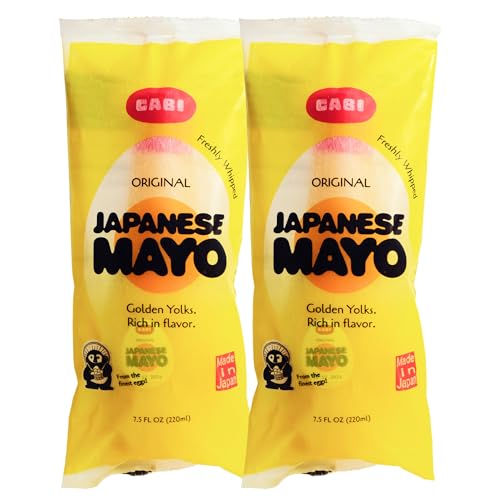
The clean-ingredient pick — rice bran oil, golden egg yolks, no soybean oil anywhere
If the label matters as much to you as the taste, this is the Cabi original that skips soybean oil entirely. It’s built on rice bran oil and golden egg yolks, and the ingredient list is short: rice bran oil, egg yolk, rice vinegar, sugar, salt, natural flavor, rosemary extract. That’s a leaner panel than most grocery-store mayo, and if you’re trying to avoid soybean oil for any reason, this is the bottle that lets you do it without giving up mayonnaise.
The texture is silky and thick with no greasy aftertaste — that’s the profile that makes it sit well on a tamago sando, okonomiyaki, sushi rolls, or roasted vegetables. The squeeze bottles have a safety seal and a smooth plastic interior that lets the mayo slide out cleanly so you actually get the last squeeze, not a scraped-out film. Flavor-wise it runs slightly sweet with layered umami, and compared with Kewpie there’s a small tart note that regular Kewpie doesn’t have. When it’s mixed into a dish that tartness fades into the background, though you’ll notice it straight off the spoon.
One thing to flag: the front label says 0g added sugar, but sugar does appear on the ingredient list, so if you’re watching added sugar strictly, know that going in. And this two-pack runs noticeably more expensive than the Kewpie options above — you’re paying for the rice bran oil base and the short ingredient list, not volume. Worth knowing the bottle isn’t the biggest one on the list, so regular heavy users may go through both bottles faster than expected.
The clean-panel angle: no soybean oil, no long list of stabilizers, and a squeeze bottle that empties cleanly — this is the pick for anyone who reads ingredient panels before buying.
The honest caveat: the price lands up in the premium tier for mayo. If clean ingredients aren’t a priority, the Kewpie pairs above give you more ounces per bottle for less.
The clean-label pick: for anyone avoiding soybean oil or building a short-ingredient pantry, this earns its price.
Not the one for: cooks who just want a bulk bottle of classic-tasting mayo on a tight budget.
4. Cabi Authentic Spicy Wasabi Mayo 16.2 oz
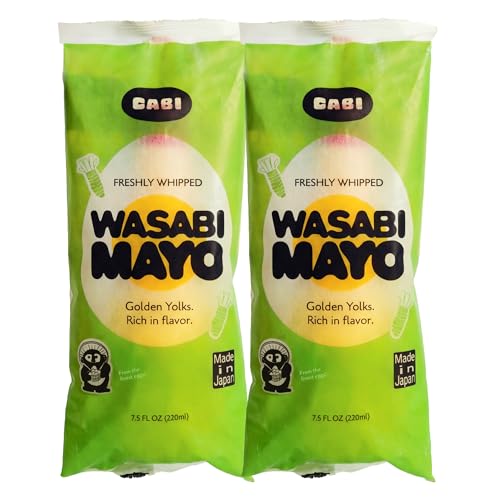
Same clean Cabi base, dialed up with a bright wasabi kick and a precision nozzle
This is the Cabi original with wasabi stirred in — same golden egg yolks, same rice bran oil base, different finish. The wasabi lands bright rather than punishing: a clean, sharp bite that doesn’t steamroll the underlying mayo. That’s what makes it the right bottle for burgers, sushi, poke bowls, fried-food dips, and tuna bowls, where you want a little heat backing up the fish flavor rather than hiding it.
The bottle shape matters more here than on any other pick on this list. The narrow nozzle lets you draw a thin line of wasabi mayo across a sandwich or lay it over a rice bowl in precise dots — you decide how much heat goes on, bite by bite. Owners mention the same thing: the squeeze bottle gives fine control over heat, the texture stays creamy rather than runny, and the ingredient panel is short with cage-free eggs and no artificial aftertaste. The current label carries a use-by date of 2/25/2027, so a stocked-up two-pack won’t expire before you finish it. Refrigerate after opening.
One caveat worth stating plainly: this is best treated as an enhancer, not a base. Mixed into a tuna or crab salad it will take over, and buyers describe it as a flavoring drizzle rather than the main mayo in a big batch recipe. The price also lands in the premium tier, which is a fair knock for a flavored mayo — there’s a real premium over the Kewpie pairs above. But if you make poke bowls or burger night regularly, both bottles will move fast enough that the spend makes sense.
The heat-control advantage: narrow-nozzle squeeze bottle lets you portion heat exactly, so you can spike a burger without turning a bowl of rice into a wasabi punch.
The catch: this is a finisher, not a base — swap it into a tuna salad and the wasabi will run the whole recipe.
For the flavor chaser: buy this if your week involves poke bowls, sushi nights, burgers, or anything that benefits from a clean wasabi kick.
For the mayo purist: if you want straight Japanese mayo for baking or salad bases, stick with the original Cabi or either Kewpie above.
Know the Specs
Egg Yolk vs Whole Egg
Japanese mayo is traditionally built on egg yolks alone, while American mayo typically uses whole eggs. Yolks alone give the deeper yellow color, a silkier body, and a richer, sweeter tang that whole-egg recipes can’t quite match. If the ingredient list says “egg yolk,” you’re getting the Japanese style. If it says “eggs” — plural, whole — that’s a standard mayo label with Japanese branding.
Rice Bran Oil vs Soybean Oil
Most of what’s in your mayo bottle is oil, so this line drives the flavor. Rice bran oil is lighter and cleaner on the finish and is the base for the Cabi bottles above. Soybean oil is the standard base in most grocery-store brands, and it brings a heavier, more neutral body. Neither is good or bad — but they taste different, and the panel tells you which one you’re getting.
Squeeze Bottle vs Jar
A squeeze bottle changes how you use mayo day to day. It lays a clean ribbon on a sandwich, dots sauce onto a poke bowl, and skips the spoon entirely. A narrow nozzle goes one step further, letting you control exactly how much wasabi heat lands on each bite. Jars work fine for large mixing jobs but get messy fast for precision work.
Ingredient Panel Length
A short ingredient list usually means fewer stabilizers, preservatives, and fillers between you and the egg. The Cabi bottles list rice bran oil, egg yolk, rice vinegar, sugar, salt, natural flavor, and rosemary extract. Longer panels aren’t automatically worse, but if reading what’s in your food matters to you, the shorter list is the easier choice.
Common Questions
What makes Japanese mayo different from regular American mayo?
Is Kewpie mayo the same as Japanese mayo?
Does Japanese mayo need to be refrigerated after opening?
How long does an opened bottle of Japanese mayo last?
Is Japanese mayo good for sushi and poke bowls?
Can I cook with Japanese mayo like regular mayo?
Why is Japanese mayo more expensive than regular mayo?
Is the wasabi mayo too spicy for everyday use?
What size bottle do I actually need if I cook for one person?
Can I freeze Japanese mayo if I buy a big pack?
The Bottom Line
For most kitchens, the japanese mayo to buy is the Kewpie Mayonnaise – Japanese Mayo Sandwich Spread Squeeze Bottle – 12 Ounces (Pack of 2) — it holds the crowd-favorite spot with 4.6 stars across 5,000+ ratings, delivers the egg-yolk flavor that made the category famous, and the two squeeze bottles cover sandwiches, salads, and dressings without much thought. If you want deeper umami and don’t mind a savory rather than sweet profile, grab the Kewpie Japanese Mayonnaise, 12 Ounce (2 Pack) — it’s the one that keeps people hooked on the umami. And for clean ingredients plus a wasabi zing on burgers and poke bowls, the Cabi Authentic Spicy Wasabi Mayo – 2-Pack, 16.2 oz is the one to reach for, with the original Cabi Original Japanese Mayo as the no-heat clean-label alternative. Whichever bottle you pick, buy the pack size you’ll finish before the use-by date.
How we choose
We do not accept paid placement. Every pick is matched to a real buyer and a real use-case; we do not hands-on test units.
Sources
Specifications: manufacturer listings and product documentation. Review insights: verified customer reviews, as of October 2026. Pricing: not shown on this page (it changes often); check the current price via the retailer link.
As an Amazon Associate, Aappliancez earns from qualifying purchases. This does not affect which products we feature.