Disclosure: Some links in this post are affiliate links. As an Amazon Associate I earn from qualifying purchases, at no extra cost to you. Learn more
Specs are compiled from manufacturer listings and verified buyer reviews and can change over time — please confirm the key details on the product page before buying.
You have a bed that gets a few hours of morning light and then goes soft and dappled by noon. That is partial sun, and it is exactly the spot where most seed packets quietly fail. The fix is not more watering or richer soil. That single combination decides whether you get a carpet of color or a patch of weeds, and it is what separates the five picks below.
This guide is built by comparing the manufacturers’ published specifications and the patterns across verified customer reviews, so you get each pick’s real strengths and trade-offs instead of marketing spin.
Seed counts, sun percentages, and mature plant height matter more than pretty packaging here, so each pick below is broken down by what it actually delivers in a half-shade bed. Read on for the flowers for partial sun that suit your light, your soil, and how much fuss you want.
Top Picks

How To Choose The Best Flowers for Partial Sun
Partial sun is not one condition — it is a range. A bed that gets four hours of direct morning light behaves very differently from one that gets six hours of hot afternoon sun. Before you buy any packet, spend a day watching that spot. Note how many hours the leaves actually catch direct light and whether that light arrives early or late.
Read the sunlight percentage, not just the word “shade”
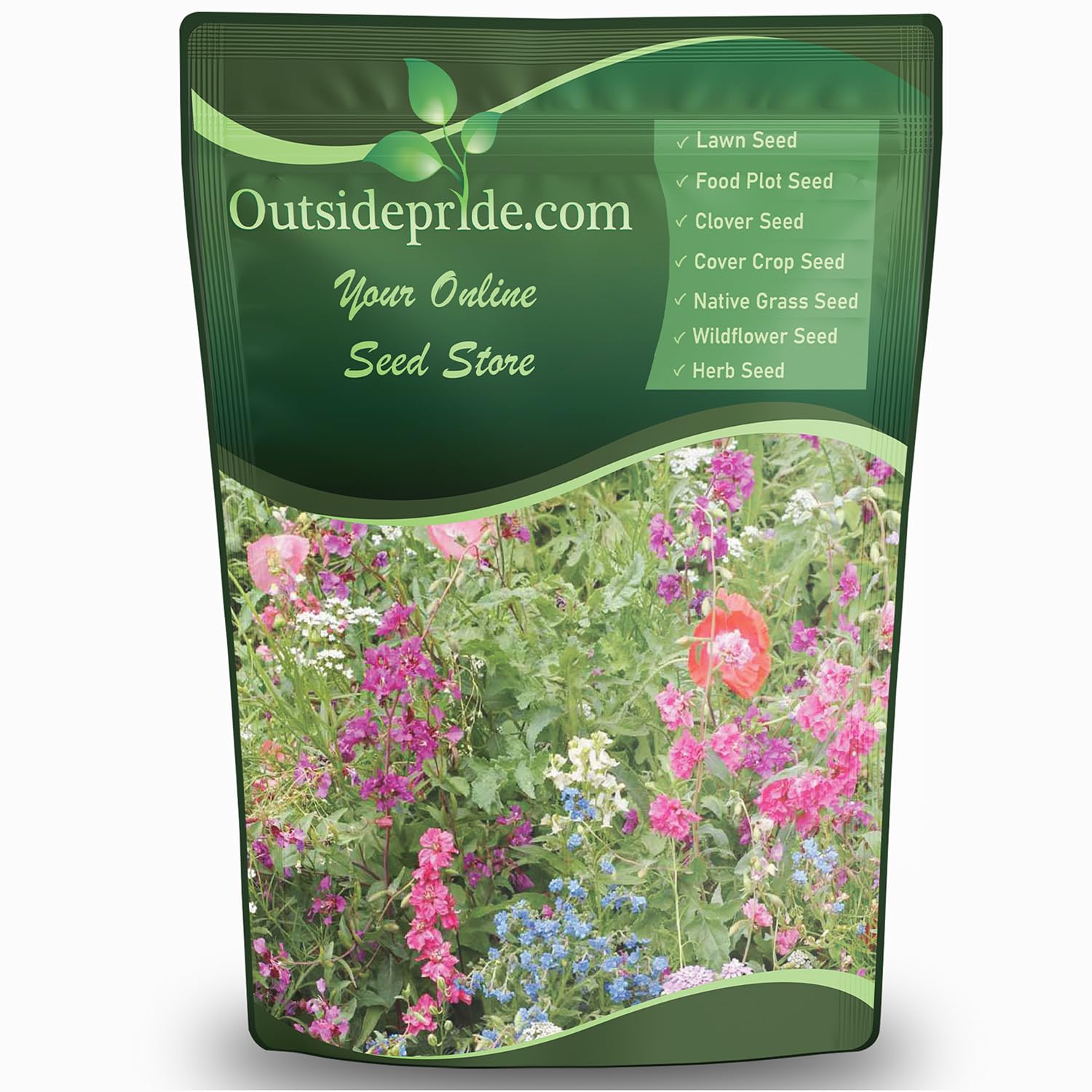
Some mixes spell out their light requirement in numbers. The Outsidepride blend here is formulated for areas with around 40% sunlight, for example. That is a genuinely useful figure, because it tells you the mix was built for a bed that is shaded most of the day rather than one that merely catches a passing shadow. When a listing gives you a percentage, trust it over the vague word “shade” on the front of the bag. And if a packet only says “partial shade,” assume it still wants a solid block of direct sun, not deep gloom under a dense canopy.
Decide how much color you want this year versus next
Annuals bloom hard in their first season and then die off. Perennials come back year after year but often spend their first summer building roots instead of flowers. A mix that leans annual gives you quick payoff while the perennials establish. A mix that leans perennial is the patient choice for a bed you plan to leave alone. Look for a stated split — the Outsidepride blend lists 55% annuals and 45% perennials — because that ratio tells you how fast the bed will fill in and how much of it will return on its own.
Match seed weight to the ground you actually have
Seed packets are sold by weight, and weight drives coverage. A 1/4 lb bag is a generous amount that covers a real patch of ground; a 1 oz packet is smaller and covers less. Check the stated square footage where a listing gives it. Buying one packet too few is the most common reason a wildflower bed looks sparse in its first year, so measure your bed first and size up if you are between quantities.
Side-by-Side Comparison
| Model | Best For | Seed Weight | Stated Light Need | Mature Height | Amazon |
|---|---|---|---|---|---|
| Eden Brothers Crazy for Cosmos★ Best Overall | Fast color and pollinators | 4 ounces | Full sun | — | Amazon |
| Outsidepride Partial Shade Wild Flower MixTrue Shade Specialist | True half-shade beds | 1/4 lb | Around 40% sunlight | 2 feet | Amazon |
| Cut Flower Garden Seeds | Big coverage on a small packet | 1.2 ounces | Full sun | 4 feet | Amazon |
| Eden Brothers Partial Shade Wildflower Mix | Wide species variety | 4 ounces | Partial shade | — | Amazon |
| Organo Republic 16 Perennial Mix | Perennials that return | 4 ounces | — | 15 inches | Amazon |
Detailed Reviews
1. Eden Brothers Crazy for Cosmos Seeds 1/4 lb
Our pick — 4.0+★ from 250+ verified ratings; the strongest balance of quality and price.
Ten cosmos varieties in one quarter-pound bag, built to sprout fast and feed pollinators.
If your partial-sun spot gets a solid stretch of direct light, cosmos is the fastest route from bare dirt to a wall of color. This bag is 4 ounces of pure seed — no filler — split across ten named varieties, from Cosmos Purity to Cosmos Seashells to the orange Sulphur Cosmos. At that weight it covers 250 to 500 square feet of ground, which is a genuine garden bed rather than a token sprinkle.
Germination is clearly the engine of this bag. What wins people over is how quickly and densely it comes up — reviewers describe a dense carpet of blooms, and the mix keeps working all summer into fall as a pollinator draw for bees, butterflies, and hummingbirds. The plants are also drought tolerant, so once they are up, an occasional miss on watering will not wipe them out.
The honest catch is color predictability. Cosmos in this mix is sold as a rainbow, but a fair number of beds come up overwhelmingly yellow and orange instead of a broad mix. Expect a narrower color range than the rainbow label suggests. The other thing to know is that every variety here prefers full sun, so this is the pick for the brighter end of your partial-sun range — a bed with real direct light, not deep all-day shade.
What earns its place
- 4 ounces of pure seed covers 250 to 500 square feet
- Ten distinct cosmos varieties in a single bag
- Germinates fast and fills a bed in one season
- Drought tolerant once established
- Pulls in bees, butterflies, and hummingbirds
Where it asks patience
- Color mix can lean heavily yellow and orange rather than varied
- Wants full sun, so it suits the brighter side of partial shade
- Annuals only, so the bed needs reseeding or self-sowing
Reach for this if: you want fast, dense color in a sunny-to-half-sunny bed and you are happy to let the cosmos pick its own palette.
Look elsewhere if: your spot sits in genuine half-day shade — the Outsidepride mix is built for that light level.
2. Outsidepride Partial Shade Wild Flower Seed Mix 1/4 lb
The one blend here actually engineered for a bed that gets roughly 40% sun.
Most “shade” mixes are full-sun mixes with a friendlier label. This one states its number plainly: it is formulated for partial areas with around 40% sunlight. That is the language of a blend built for a shaded bed, and it is why this earns its own slot in the list rather than being a variation on the others.
The mix is 55% annuals for quick spring color and 45% perennials for staying power, with forget-me-not, cornflower, and columbine in the blend. Plants are expected to reach 2 feet, which is half the height of the Cut Flower Garden packet above — a tidier, lower planting for the front of a shaded border. It covers zones 3 through 9 and asks for little to no watering once going, on loam soil. Buyers report the timing works: “One buyer planted in late March and had blooms by early July.”
Here is the fair warning. Germination is the mixed bag on this blend, and several beds have come up as weeds with no flowers at all, so the seed is only as good as the prep. Clear debris, press the seed into contact with the soil, and water through the first stretch — planting conditions carry more weight here than the label. One more honest note: the mix qualifies its shade claim, so expect it to still want real sunlight, not deep shadow.
Why it belongs here: of the five, only this one names a sunlight percentage and sets its annual-to-perennial split at 55% and 45%, so you know both the light it wants and how fast it fills in.
The trade-off to plan around: results hinge on ground prep and early watering, and a shaded bed that never gets that direct sun can stay stubbornly bare.
Best suited to: a genuinely shaded bed with a few hours of direct light that you are willing to prep properly before seeding.
Think twice if: you want to scatter and forget — this one rewards the gardener who clears and presses first.
3. Cut Flower Garden Seeds 1 Ounce Packet
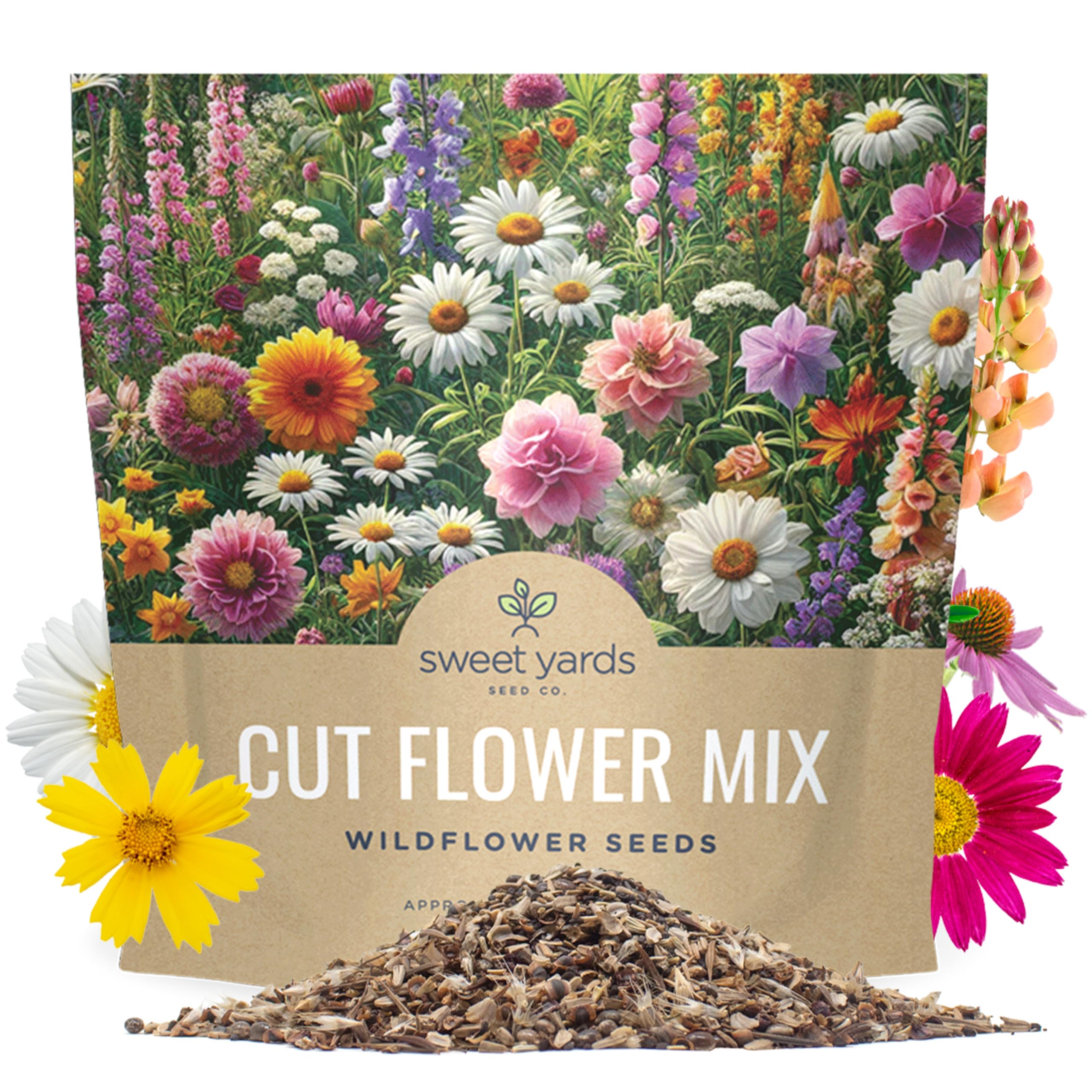
One small packet, more than 7,500 seeds, and 150 square feet of ground covered.
Count the seeds before you count the ounces. This packet weighs just 1.2 ounces, yet it holds over 7,500 seeds and covers 150 square feet. That makes it the most seed-dense pick here by a wide margin — compared with the Eden Brothers cosmos bag at 4 ounces, this delivers more individual seeds in a fraction of the weight, which is what open-pollinated wildflower seed looks like when it is packed tight.
What it grows into is tall. These plants are expected to reach 4 feet, twice the height of the Outsidepride mix at 2 feet, and the blend is built from 18 named species including cosmos, purple coneflower, shasta daisy, and blanket flower. It is non-GMO and open pollinated, and the reusable zipper packet keeps the leftover seed dry for another season.
The realistic read: germination is genuinely variable in this packet. Plenty of beds come up thick and butterfly-heavy, and reviewers report the perennials return reliably. Other beds come up nearly bare, and those tall plants take their time — blooms do not arrive until late summer in many gardens. If you want a fast spring show, this is the slow lane; if you want a tall, varied summer-to-fall bed and can be patient with germination, it earns the space.
The standout figure: over 7,500 seeds in a 1.2 ounce packet, enough to cover 150 square feet.
The honest limit: blooms arrive late in the season and germination is inconsistent from bed to bed, so give it room and time before judging it.
Pick this if: you want maximum seed count for minimum weight and you have the patience for a late-summer bloom.
skip it if: you need flowers by early summer — the Outsidepride blend blooms sooner.
4. Eden Brothers Partial Shade Wildflower Seeds 1/4 lb
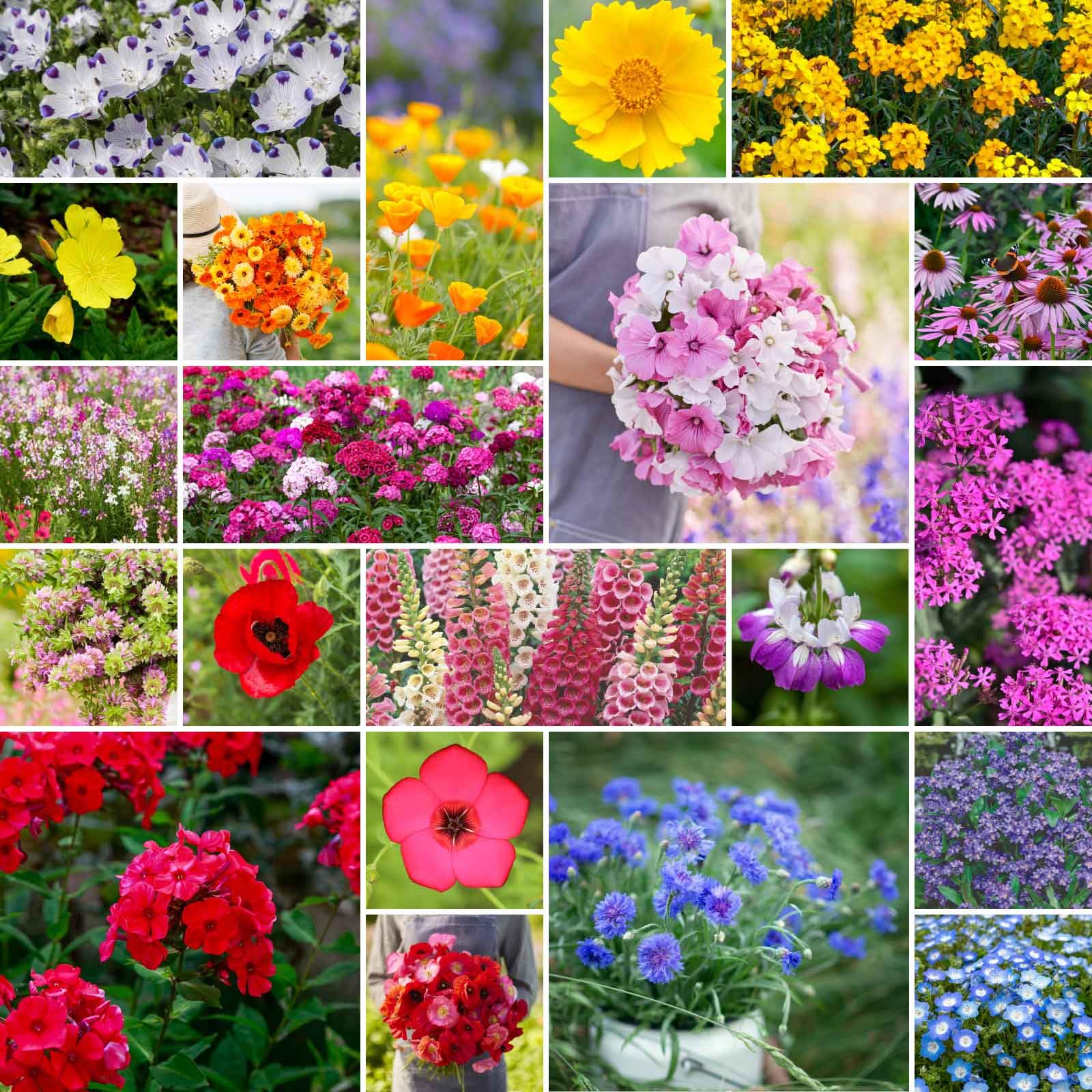
Twenty-seven species built for partial shade — the broadest variety on this list.
Variety is the whole pitch here. Twenty-seven species go into this 4 ounce bag, from cornflower and foxglove to purple coneflower and rose mallow, and the listing labels it a partial shade mix with annuals and perennials blended together. It covers 250 to 500 square feet, matches zones 3 through 10, and is listed as non-GMO, heirloom, and organic — the only pick here that names all three.
When it works, the color range is wide and the return rate on the perennials is real. The beds that succeed tend to be the ones where the ground was cleared and the seed given steady water at the start. On a shaded border, that variety is what gives you a shifting palette through spring, summer, and fall rather than one flat burst.
Set your expectations honestly, though. Germination in this mix swings sharply, and a share of beds end up with clover, weeds, and little of the flowers on the label. Some beds come up with mostly yellow blooms that read more like weeds than a garden. This is the pick for a gardener who wants a wide species list and accepts that a wildflower mix is a gamble on any given plot — not for someone who needs a guaranteed carpet in the first season.
Worth it for: the gardener who wants the longest species list available and treats a wildflower bed as a multi-year experiment.
Less suited to: anyone who needs an even, predictable bloom — the germination here is too uneven to promise that.
5. Organo Republic 16 Perennial Wildflower Seeds Mix 4oz

Sixteen perennials in a 4 ounce bag, built to come back rather than start over.
If your goal is a bed that fills in once and then holds, this is the pick built for that. The Organo Republic mix is perennial-led, with blanketflower, New England aster, shasta daisy, purple coneflower, and columbine among the species. Plants are expected to reach 15 inches, so it stays low and compact — noticeably shorter than the 4 foot Cut Flower packet. It is listed as GMO free, heirloom, and non-hybrid, and it takes moderate to regular watering.
Appearance is what carries this blend. The colors come through vivid and the flowers look genuinely garden-worthy rather than meadow-weedy, and it runs spring through fall with a planting window across all four seasons. The perennials mean a bed that should hold its shape year after year instead of vanishing each winter.
The part to plan for is seeding density. The bag is smaller in person than the description suggests, so the fix is buying an extra packet and spreading generously — one buyer who sowed extra on a steep west slope got a spectacular stand. Germination and bloom rate swing with conditions, and some beds sprout barely at all while others bloom fast. Treat the first year as establishment, not the final look.
What it is good at: 16 perennial species that come back season after season in a compact 15 inch planting, with color that reads as a real garden.
Budget the seed: the bag runs small, so order one more than you think you need and sow generously for a full first-year effect.
Go with this if: you want a perennial-led bed that returns each year and you are willing to seed a little heavier than the bag implies.
Pass on it if: you want guaranteed first-season bloom — the perennial focus means some beds spend the first summer establishing roots.
Know the Specs
Sunlight Percentage vs. the Word “Shade”
A percentage is the honest figure. When a blend says around 40% sunlight, it means the bed is shaded most of the day and the mix was selected for that level — that is a genuine partial-shade product. When a packet only says “partial shade” with no number, assume the mix still wants a solid block of direct sun and put it in the brighter half of your bed. Cosmos and most wildflower blends labeled full sun belong in that brighter half too. Match the light first, then the seed.
Seed Weight and Coverage
Seed packets are sold by weight, not by area, so weight is what tells you how far a bag goes. A 1/4 lb bag covers a real bed; a 1 oz or 1.2 oz packet covers less ground even when the seed count is high. Where a listing gives a square-foot figure, use it. If your bed measures more than one bag will cover, size up — under-seeding is the most common cause of a patchy first year, and no amount of watering fixes seed that was never spread thick enough to begin with.
Annual and Perennial Ratios
This is your timeline in a single number. A blend leaning annual — like one split 55% annual and 45% perennial — gives you fast color the first season while the perennials establish. A perennial-led blend, like the Organo Republic mix, comes back year after year but can spend the first summer building roots. Pick annual-heavy for fast color, perennial-heavy for a bed that returns. Pick annual-heavy for a fast show, perennial-heavy for a bed you plan to leave alone.
Mature Plant Height
Height determines where the planting sits in your bed and how far apart you sow it. A 2 foot mix makes a tidy front border. A 4 foot mix needs to go at the back, or it will swallow shorter neighbors. A 15 inch perennial blend fills the middle. Check the stated height before you broadcast, because reseeding a tall mix on a tight border means pulling plants later to make room.
Common Questions
How many hours of sun counts as partial sun for wildflowers?
Will a partial shade wildflower mix still flower under a dense tree?
How much ground does a 1/4 lb bag of wildflower seed cover?
Do I need to clear the ground before sowing wildflower seed?
How long do annual wildflowers bloom compared with perennials?
Why did my wildflower seeds only grow weeds?
Do wildflower mixes attract bees and butterflies?
Can I plant wildflower seed in fall instead of spring?
How tall do these wildflower mixes grow?
Do perennial wildflower seeds come back every year?
The Bottom Line
For most partial-sun beds, the winner is the Eden Brothers Crazy for Cosmos because it fills a bed fast with 4 ounces of pure seed and pulls in pollinators while it does it — just plant it in the brighter half of your light. If your bed is genuinely shaded, reach for the Outsidepride Partial Shade Wild Flower Mix, which is the only blend here stated for around 40% sunlight. And for a perennial-led bed that comes back rather than restarts, the Organo Republic 16 Perennial Mix is the one to seed generously.
How we choose
We do not accept paid placement. Every pick is matched to a real buyer and a real use-case; we do not hands-on test units.
Sources
Specifications: manufacturer listings and product documentation. Review insights: verified customer reviews, as of October 2026. Pricing: not shown on this page (it changes often); check the current price via the retailer link.
As an Amazon Associate, Aappliancez earns from qualifying purchases. This does not affect which products we feature.