Disclosure: Some links in this post are affiliate links. As an Amazon Associate I earn from qualifying purchases, at no extra cost to you. Learn more
Specs are compiled from manufacturer listings and verified buyer reviews and can change over time — please confirm the key details on the product page before buying.
That awkward strip along your house — bright until noon, dim by two — kills most flower plans. The fix is picking plants that take the split shift in stride: sun-lovers for the morning bake, shade-tolerators for the afternoon lull. This shortlist gives you five real options for exactly that spot, plus the plain-English detail on germination, height, and bloom timing you need before you sow a single seed.
This guide is built by comparing the manufacturers’ published specifications and the patterns across verified customer reviews, so you get each pick’s real strengths and trade-offs instead of marketing spin.
You don’t need a botany degree to fill a half-day bed — just the germination rate, the height, and the bloom window for each plant. Below you’ll find the flowers, the specs that matter, and plain answers to the questions buyers ask most, all aimed squarely at the best flowers for morning sun and afternoon shade.
Top Picks
How To Choose The Best Flowers for Morning Sun and Afternoon Shade
A morning-sun, afternoon-shade bed is a half-shift life. Your plants get strong light until noon, then soft filtered glow for the rest of the day. That suits a wider range than most people expect, but only if you match the plant’s habit to the hours it gets.
Read the sun label on the packet, not the picture
A packet that says “full sun” wants six-plus hours of direct light. A packet that says “partial shade” wants a stretch of direct morning light and then relief from the afternoon glare — which is exactly your spot. Buy for the light label on the back, not the bloom photo on the front.
Germination rate is the number that decides your garden
Every seed packet has a burst of blooms on the front. The number that matters is how many of those seeds actually come up. A pack advertised at 3000 seeds only matters if a healthy share sprout. Sellers who cold-store their seed and publish a real germination rate give you a fuller bed for the same sowing effort.
Match planting depth and timing to the species
Small seed like hollyhock goes shallow — around a quarter inch — while bigger rugosa-style seed gets pushed in further. Sow too deep and the sprout spends all its energy reaching light. Timing matters too: spring-to-early-summer planting suits most of these, and a fall planting works in milder zones.
Side-by-Side Comparison
| Model | Best For | Light Needs | Expected Height | Seed / Plant Count | Amazon |
|---|---|---|---|---|---|
| Hollyhock Seeds 3000+ Bulk Pack★ Best Overall | Big cottage borders on a budget | Sunny or partial shade | 12 inches | 3000+ seeds | Amazon |
| Bee Balm (2 Pack) Purple BloomsGrow Now | Planting live, pollinator-friendly color now | Full sunlight | 4 feet | 2 live plants | Amazon |
| Mixed Zinnia Seeds (300) | Cut-and-come-again color all season | Full sun | 2 feet | 300 seeds | Amazon |
| Four O’Clock Seeds (80) | Evening fragrance and late-day bloom | Outdoor, sun to partial | 36 inches | 80 seeds | Amazon |
| Eden Brothers Partial Shade Wildflower Mix | Filling a whole shaded meadow area | Partial shade | — | 1/4 lb mix, 27 species | Amazon |
Detailed Reviews
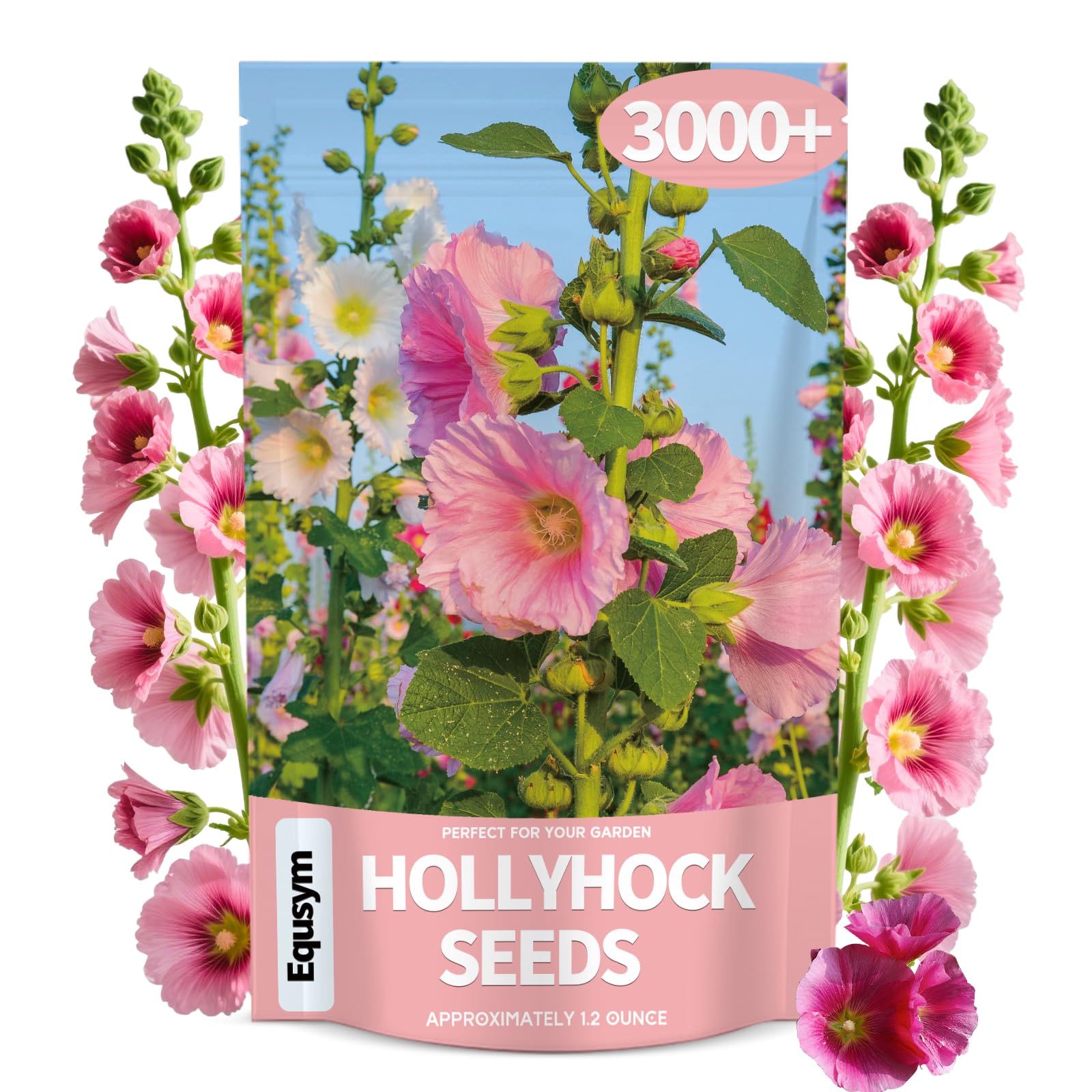
1. Hollyhock Seeds 3000+ Bulk Pack
Our pick — 4.0+★ from 300+ verified ratings; the strongest balance of quality and price.
Sheer volume for a full border, and it handles afternoon shade without complaint.
Hollyhock earns the top spot on one number alone: 3000+ seeds in a single pack. That’s roughly a 300x jump over the 1-item count you’d see on a single live-plant listing, so you can line an entire fence run and still have seed to spare. For a morning-sun, afternoon-shade spot the plant range matters just as much, and the listing notes it tolerates any outdoor sunny or partial shade garden.
The germination side is what the review pages return to again and again. One grower who sowed into rocky, clay-heavy, dry ground where nothing had sprouted before reported “almost every seed germinated.” Amazon’s summary of the collective feedback backs that up: buyers are pleasantly surprised by seed quality, with a 60-90 day blooming window and summer-to-early-fall flowers in a mix of red, yellow, pink, and white.
The catch worth naming is that hollyhocks are biennial in reputation — one buyer who started seeds indoors noted the plants “are now 6 inches tall” and expects “beautiful blooms next year.” Growth speed divides opinion too, and a notably dry-weather sprout can run slow. Buy this expecting the first show to be a little patient, and treat the second season as the payoff.
What fills the bed first
- 3000+ seeds covers large beds and backyard borders
- Sow just ¼ inch deep and water regularly — beginner-friendly
- Self-seeds, so you can collect seed and plant again next season
- Attracts butterflies and bees and handles partial shade
Where patience is required
- 60-90 day bloom window means the color show is not instant
- Plant size and growth speed split opinion — some runs are slow
- Deep tap root wants moist but not waterlogged soil
The big-border pick: This is for you if you’re filling a long fence line or a wide cottage bed and want volume without hunting for plants.
Have a slow bed: If your soil is dry, rocky, or slow to warm, hold off and wait for a spring-to-early-summer window before planting.
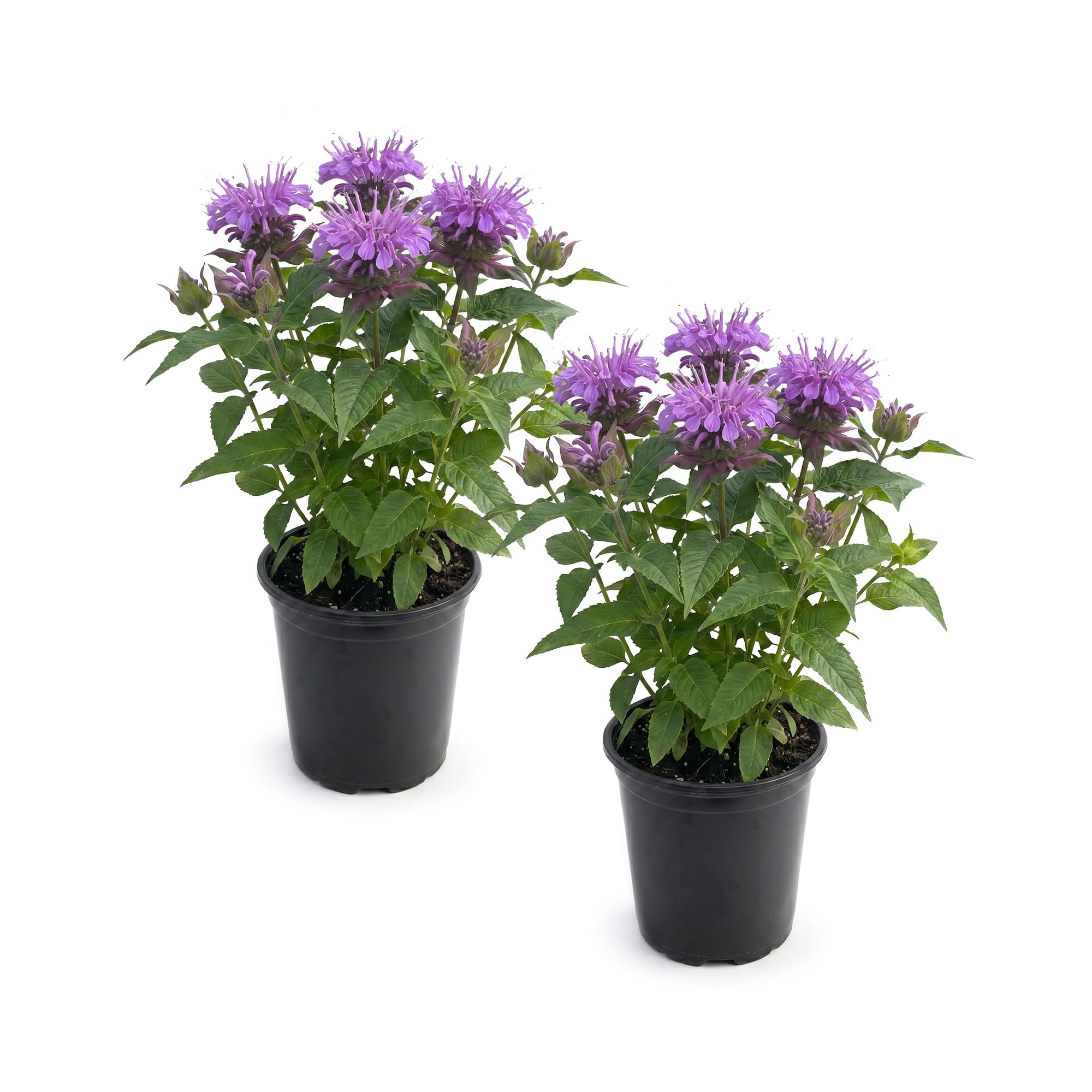
2. Bee Balm (2 Pack)
Skip the seed stage and get blooms this season from a live, pollinator-ready perennial.
If spring is already half gone and you want color rather than a germination gamble, this pair of potted plants is the shortcut. Two live plants arrive in 1-quart pots, and the grower says they’ll reach about 4 feet tall with a 3-4 foot spread — that’s double the 2-foot height the zinnia seeds above are listed at, so it’s a far bigger statement plant in the border.
The plant you’ll actually see in the worst light: buyers report the two arrived alive and “grew rapidly, bursting out of pots within 3 months with lots of flowers.” That said, the shipment side is where experience splits. Some arrive tiny and ruffled but rally quickly with a few weeks of TLC, and the flowering is genuinely mixed — a couple of plants sulk and take until next year.
The care card asks for full sunlight and a deep soak at the base every one to two weeks in moist, well-draining soil. That makes it a fit for gardens with a sunbaked morning, less so for a spot that gets almost no direct light at all. If you order this, consider it an early-season purchase so the roots can establish before the heat of summer.
What it delivers: A live perennial that carries summer color and earns its mint-family reputation with a scented bloom that suits a pollinator garden, with a spread wide enough to screen a border.
The fair expectation: Potted plants can show up modest-sized or battered from transit, so a little recovery time indoors goes a long way.
Reach for this if: You want a living plant this season and have a full-sun front border that needs height.
Look on to the next pick if: Your bed is deep shade or you want guaranteed blooms in the first few weeks.
3. Mixed Zinnia Seeds 300 Fresh Seeds

The seed-to-bouquet workhorse, offering about 300 seeds at roughly 4.5 grams.
Zinnias are the ones you pick for a bed that gets sun and light afternoon cover, then wonder why you didn’t plant them sooner. The pack holds around 300 seeds, the plants are listed at 2 feet tall, and the blooms are dahlia-style in warm colors. Sprout speed is the headline: 5-10 days, with a buyer reporting germination in “6-8 days” and roughly 2 feet of growth by 8 weeks.
The bloom period is a full-season push, with continuous flowering on a cut-and-come-again habit. One season-long grower planted around May 1 and had flowers until the first frost, tolerating a week above 100°F along the way. Expect the growth to stay dense and full rather than scraggly, and the plants handle moderate watering with well-drained soil without fuss.
Germination is the fair gripe here — a portion of the pack always skips, and the review pages show quick sprouts alongside a few duds. That’s the normal trade with a 300-seed pack. Plant a little thicker than you need, and thin to the strongest seedlings once they’re up.
Why it earns a slot
- About 300 seeds at roughly 4.5 grams for a full-season supply
- Germinates in 5-10 days in well-drained, full-sun soil
- Cut-and-come-again blooms that keep producing
- Suitable for zones 3-10 and stored cold for freshness
Where it can disappoint
- Germination splits opinion — some seeds simply don’t take
- Wants full sun, so a deep-shade bed is not the fit
- Cutting blooms means you’ll be deadheading regularly
Best for cutting gardens: Home growers who want a bouquet-from-the-yard habit and a steady supply of fresh flowers through the summer.
Step away if: Your planned spot gets more afternoon shadow than morning sun — that’s the one thing that clips zinnia bloom power.
4. 80 Broken Colors Four O’Clock Seeds

A vanilla-scented night bloomer that waits until around 4pm to open — perfect for a shaded afternoon bed.
Four O’Clocks keep a schedule that’s genuinely different from most garden flower — the trumpets open at roughly 4pm and stay open all night, throwing vanilla fragrance into the evening. It’s the same trick the shade-tolerant hollyhock does in reverse: this plant’s best show starts exactly when the afternoon sun has faded, which is the hour your shaded bed needs a lift.
At 36 inches it’s the tallest seed option here, well above the 24-36-inch zinnia listing and a full foot past the zinnia’s 2-foot height, so it can hold the back of a bed. The seed is GMO-free and easy to grow — sow directly on soil, water at a moderate rate, and the plant reseeds itself eagerly once established. The list of experienced growers note the chubby seeds drop in fall and can be scooped into a tray for replanting next season.
Germination is honestly the honest weak point. Some packets come up fine; others see a fraction of the seed sprout, so treating the 80-seed count as your reserve bank makes sense. Start it at the front of a bed you watch daily to get the most from it and sow more than one location.
The scent side: The flowers come in yellow, white, pink, or red and open into trumpets through the summer into autumn, which is why buyers love the colors and find them beautiful.
The honest caution: Germination is the fair question to weigh — a careful grower who sowed later than expected still only counted 21 of the seeds up, so set realistic expectations on the first flush.
Best for evening-scent seekers: Anyone who wants the garden to still smell good after dark and has a partial-shade edge to fill with a taller planting.
Consider twice if: You need dependable sprouting rates or your region runs cold — this is a tender perennial that leans into warm zones.
5. Eden Brothers Partial Shade Wildflower Mixed Seeds
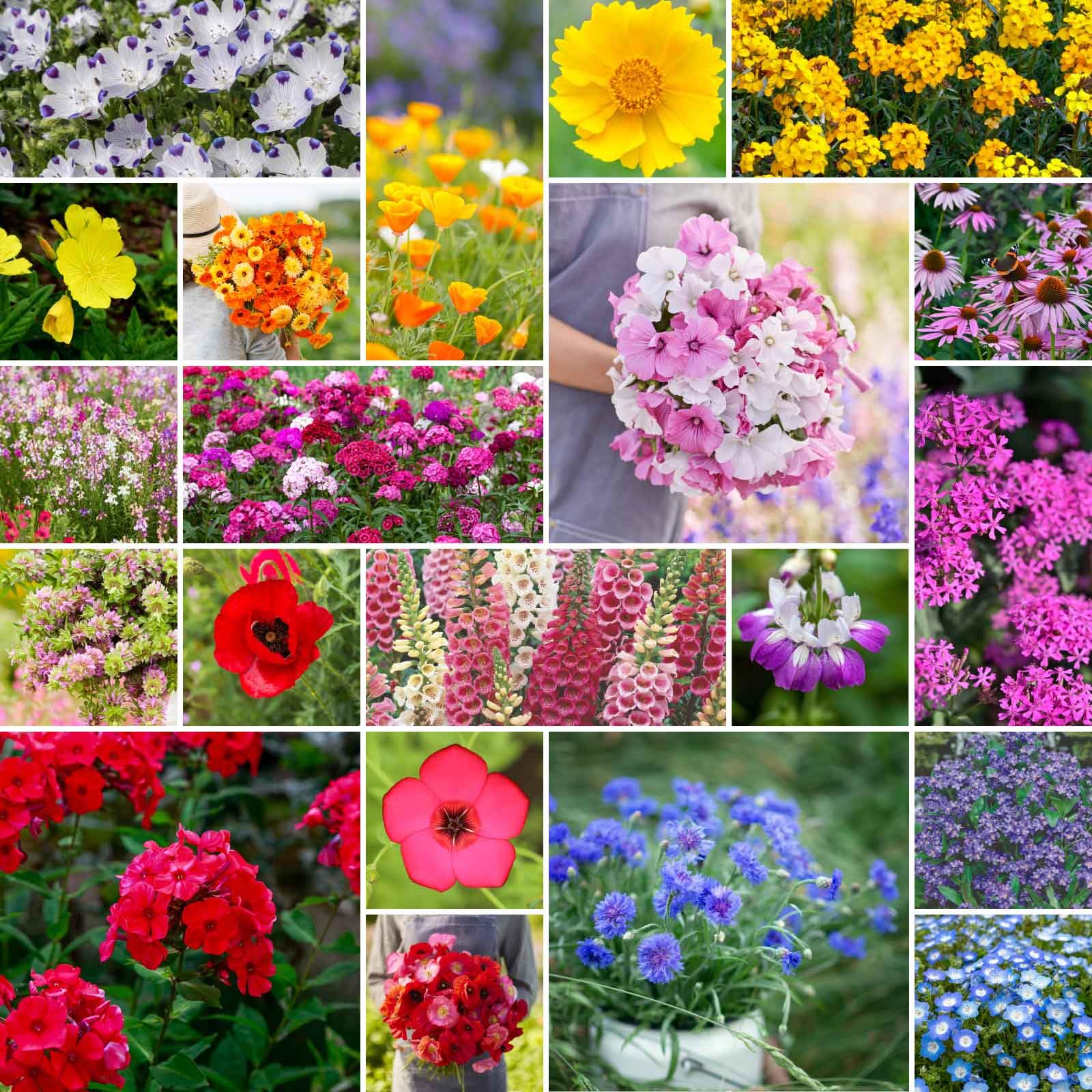
One bag that plants a whole shaded meadow — 27 species, 1/4 lb, no filler.
This is the pick for a big awkward area — the strip behind a shed, a long shaded verge — where you’d rather scatter seed than place individual plants. The certified 1/4 lb bag holds 27 species including Purple Coneflower, Foxglove, Siberian Wallflower, Scarlet Flax, and Evening Primrose, and the label advertises coverage for 250-500 square feet. Nothing is a single-flower showcase.
The mix is built for partial shade and lists hardy zones 3-10, so it survives both mild and cold overwintering. Because the seed carries annuals and perennials together, the labeling promises blooms across spring through fall.
Germination is the number to keep watch on. Some sowings come up thick and fast within about 7 days, while other beds report a sparse first flush. Realistic expectation: the first season is a rough sort of garden and the perennials in the mix carry it forward in year two. Sow thick, keep the soil lightly moist, and let the mix sort itself out.
Good reasons to reach for it
- 1/4 lb of seed covers 250-500 square feet of ground
- 27 non-GMO species, no fillers, mixed annual and perennial
- Suits USDA zones 3-10 with partial-shade preference
- Brings bees, butterflies, and hummingbirds to a shaded yard
What to keep in mind
- Germination is mixed — some beds come up heavy, others sparse
- Full species mix rarely comes true to the bag’s label
- First-year color can lean yellow and thin while perennials settle in
Reach for this if: You’ve got a large, part-shaded area to cover and want a start-to-finish wildflower patch rather than a row-by-row planting plan.
Pass if: You need every bloom planned and predictable, or you’re planting a small tidy bed where 250 square feet of coverage is overkill.
Know the Specs
Germination rate
This is the share of seeds in the packet that actually sprout into seedlings. It’s the single most useful number for a half-shade garden because seed that never comes up wastes weeks you can’t recover. A packet with a modest germination rate still fills a bed if you sow thicker than your target spacing and thin the survivors. Sellers who cold-store their seed and publish a real germination rate give you a fuller bed for the same sowing effort.
Expected plant height
Height tells you where the plant belongs in the border — tall at the back, short at the front — and how much it will screen. A 36-inch four o’clock holds the rear wall; a 12-inch hollyhock listing keeps it low and neat. Buy with the eventual spread in mind too, since a 4-foot plant needs room around it.
Blooming period
The bloom window is the stretch of the season when you’ll actually see flowers, measured here in days and season names like summer or early fall. A 60-90 day window means color isn’t instant, so plan a second-season payoff. A plant that blooms from spring through fall keeps color in the bed for months instead of a few weeks.
Light and moisture needs
Match the light label to your bed’s real hours: a “partial shade” plant wants morning light and afternoon relief, while “full sun” needs six-plus direct hours. Moisture is the second half — most of these want moderate watering in well-drained soil, and a deep soak at the base beats a daily sprinkle.
Common Questions
Will hollyhocks actually bloom if they only get morning sun?
Can I plant bee balm in a spot that loses the sun after lunch?
How fast do zinnia seeds sprout after planting?
Do four o’clock flowers really only open in the late afternoon?
What does a quarter pound of wildflower seed actually cover?
Is a live plant better than seed for a shaded bed?
What kind of soil do these half-shade flowers need?
How long before a seed pack shows a garden?
Will these flowers bring pollinators to a shaded yard?
Do any of these flowers return next year without replanting?
The Bottom Line
For most beds, the flowers for morning sun and afternoon shade winner is the Hollyhock Seeds 3000+ Bulk Pack because 3000+ seeds cover a full border and the plants tolerate partial shade — the best volume-to-effort balance on this list. If you want color in the same season, grab the Bee Balm 2 Pack of live plants and let the roots settle while the seed sprouts. And for an evening-scented back-of-bed feature, the Four O’Clock Seeds open right when your afternoon shade arrives. Start with the pick that matches your timeline, sow slightly thicker than your target spacing, and thin the seedlings once they’re up.
How we choose
We do not accept paid placement. Every pick is matched to a real buyer and a real use-case; we do not hands-on test units.
Sources
Specifications: manufacturer listings and product documentation. Review insights: verified customer reviews, as of October 2026. Pricing: not shown on this page (it changes often); check the current price via the retailer link.
As an Amazon Associate, Aappliancez earns from qualifying purchases. This does not affect which products we feature.