Disclosure: Some links in this post are affiliate links. As an Amazon Associate I earn from qualifying purchases, at no extra cost to you. Learn more
Specs are compiled from manufacturer listings and verified buyer reviews and can change over time — please confirm the key details on the product page before buying.
If under-eye bags are the thing you notice first in every photo, the fix is rarely a cream — it is the frame. Glasses hide eye bags by putting a thick or dark rim right where the puffiness sits, and the wider the lens, the more shadow it throws over the whole under-eye area. This guide covers seven pairs that do that job, plus the lens technology that decides whether they feel good after hour three.
This guide is built by comparing the manufacturers’ published specifications and the patterns across verified customer reviews, so you get each pick’s real strengths and trade-offs instead of marketing spin.
The picks below split into two jobs: frames that physically cover the puffiness, and blue-light lenses that calm the tired, watery look that makes bags read worse. For everyday screen work, the ANRRI pair is the safe starting point glasses to hide eye bags.
Top Picks

How To Choose The Best Glasses to Hide Eye Bags
Start with the shape of the frame rather than the color of the lens. A rim that sits low and wide covers the puffiness; a narrow rectangle leaves it exposed no matter how dark the tint is. The other half of the decision is long-wear comfort, because glasses that slide down your nose draw attention straight back to the very thing you are trying to hide.
Frame width and the width of your face
Frame width is the single number that decides whether a pair looks deliberate or borrowed. A 143mm width (the measurement across the front from hinge to hinge) suits medium-width faces, while a 152mm front runs wide enough for fuller faces that normally bow cheaper frames outward. Measure your current pair and match that number rather than guessing.
Lens size and how much under-eye it actually covers
A taller lens, measured from the top rim to the bottom rim, throws more shade over the under-eye area. Oversized round shapes and square frames both work here, but the rounder the lens the softer the shadow looks on camera. If you wear makeup, a larger lens also keeps the bottom rim from sitting on your cheek.
The blue-light number that changes how tired you look
Blue light is the short, high-energy part of the visible spectrum that screens push out most. Clear lenses reduce some of it; amber and orange lenses filter far more, and that shift is what calms the watery, strained look after a long screen day. Filtering is quoted as a wavelength range in nanometers (nm), where 400 to 550 nm is the band most associated with evening disruption.
Side-by-Side Comparison
| Model | Best For | Frame Width | Lens Type | Weight | Amazon |
|---|---|---|---|---|---|
| ANRRI Blue Light Glasses★ Best Overall | Everyday screen work | 143mm | Clear blue-light filter | 0.63 oz | Amazon |
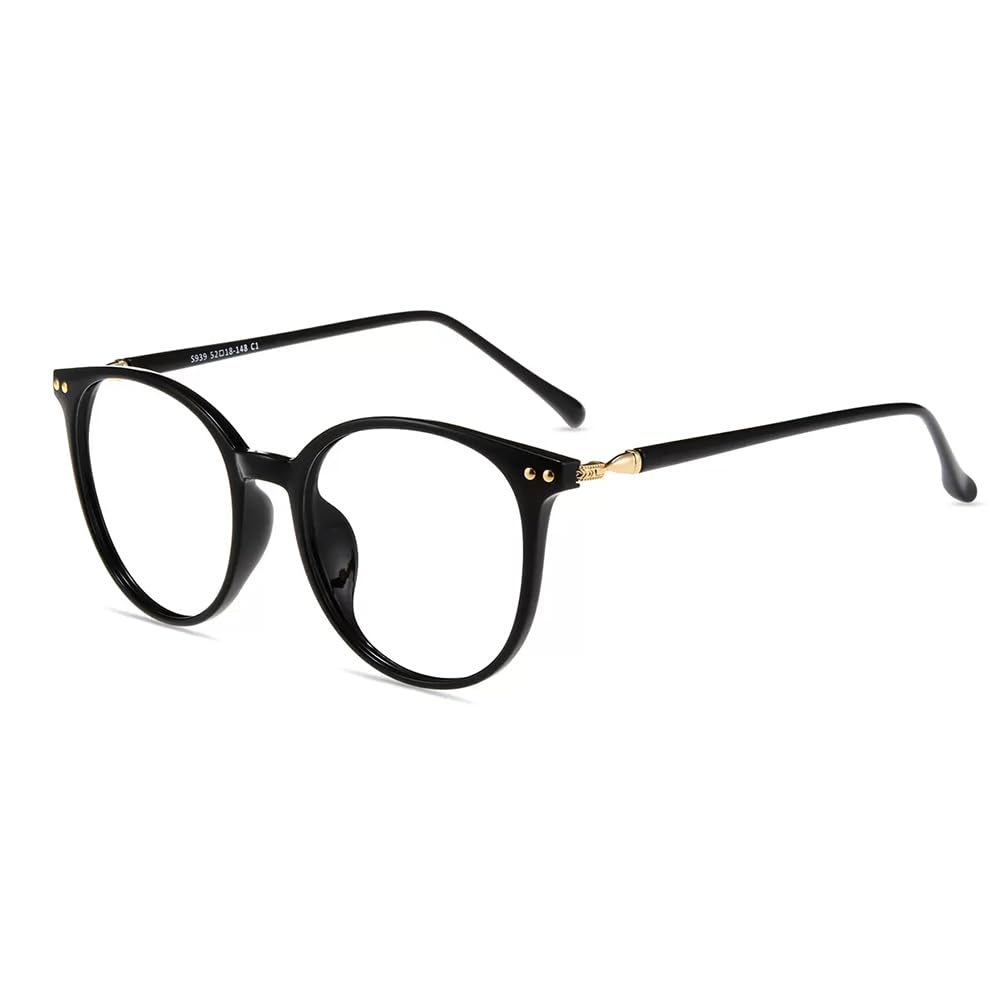
| Firmoo Oversized RoundBest Coverage | Max coverage under the eye | 52mm lens | Clear blue-light filter | 13g | Amazon |
| Horus X Gaming Glasses | Late-night gaming and coding | — | Amber blue-light lens | 0.95 oz | Amazon |
| THL Sleep Orange Amber | Evening wind-down | — | Orange amber, 400-550nm | — | Amazon |
| XXL Extra Large Polarized | Big and wide faces | 152mm | Polarized | 0.9 oz | Amazon |
| EMR-TEK Freya | Day and night lens switching | — | Daytime and nighttime lenses | — | Amazon |
| IZIPIZI READING #C | Readers that flatter the face | — | Reading magnification | — | Amazon |
Detailed Reviews
1. ANRRI Blue Light Glasses
Our pick — 4.5★ from 34,000+ verified ratings; the strongest balance of quality and price.
The square frame people stop noticing after a week, which is exactly the point.
For a first pair, this is the one to buy. The ANRRI is a classic square frame just 143mm wide across the front, so it sits squarely on a medium-width face without stretching outward at the hinges. At 0.63 ounces it is light enough that the under-eye area never gets a red pressure line, and a red line is what usually gives away that you are wearing glasses to cover something.
What wins people over is the combination of function and comfort rather than any one showpiece. The lenses filter blue light and cut screen glare without the yellow tint that makes clear-lens pairs look like safety glasses, so your eyes still read normal in photos. Durability is the one place the picture gets mixed — the soft plastic coating on the frame can start to peel after a few years of sun and constant wear, though on a black pair that is far less visible than it would be on a clear one.
Lexan-style flexibility is the reason this pair survives being tossed in a bag, and the included case is a genuinely heavy-duty one rather than a pouch. A lifetime warranty backs the whole thing, which is unusual at this tier.
Where it wins
- Clear lenses cut blue light and glare without the yellow cast that flags a filter
- At 0.63 ounces it is light enough to forget, which stops it sliding down and drawing eyes to the cheeks
- The 143mm front suits medium faces without bowing at the hinge
- Flexible Areolite frame plus a hard case and a lifetime warranty cover the rough handling
Where it asks for care
- The plastic layer on the frame can peel after years of sun exposure and constant wear
- One width only, so very wide or very narrow faces will want the XXL or the round Firmoo instead
Buy it for: daily desk work on a medium-width face, especially if you want the filter to stay invisible in photos.
Pass if: your face runs wide across the temples — the 152mm XXL frame below will sit better than this 143mm front.
2. Firmoo Blue Light Blocking Glasses
Big round lenses that cast shade across the whole under-eye, not just the eyelid.
Coverage is the whole job here. Each lens measures 47mm tall and 52mm wide, and that extra height is what puts the frame line low enough to throw shadow over the puffiness instead of sitting above it. Thin gold detailing circles each lens, which keeps the oversized shape looking deliberate rather than heavy. It is a style call as much as a shielding one, and at 5.51 inches across the front it dwarfs most everyday frames.
The catch is honest and worth stating plainly: the blue-light blocking on this pair divides opinion. Plenty of wearers say the lenses do the job on screen strain, but a real portion found the filtration weaker than expected, so treat the oversized shape as the main reason to buy rather than the filter. What the frame does deliver is the cosmetic effect — the wide rim reads as a fashion choice, and the under-eye area disappears behind it.
Faces that usually can’t wear round frames often can wear these, because the oversized sizing stops the lens sitting tight on the cheek. If your daily look already leans bold, this oversized round frame hides the under-eye area rather than hinting at it.
What actually sells it: the 47mm lens height. That is a tall lens, and tall lenses are what cover under-eye bags on camera — a narrow rectangle simply cannot.
The honest trade-off: the blue-light filtering gets a divided reception from long-term wearers, so if filtration is your priority, the ANRRI above or the THL Sleep orange lens is the safer pick.
Choose this when: you want the coverage to look intentional and you like a bold frame on a bold face.
Think twice when: you need proven filtration numbers rather than a stylish shield.
3. Horus X Blue Light Blocking Glasses
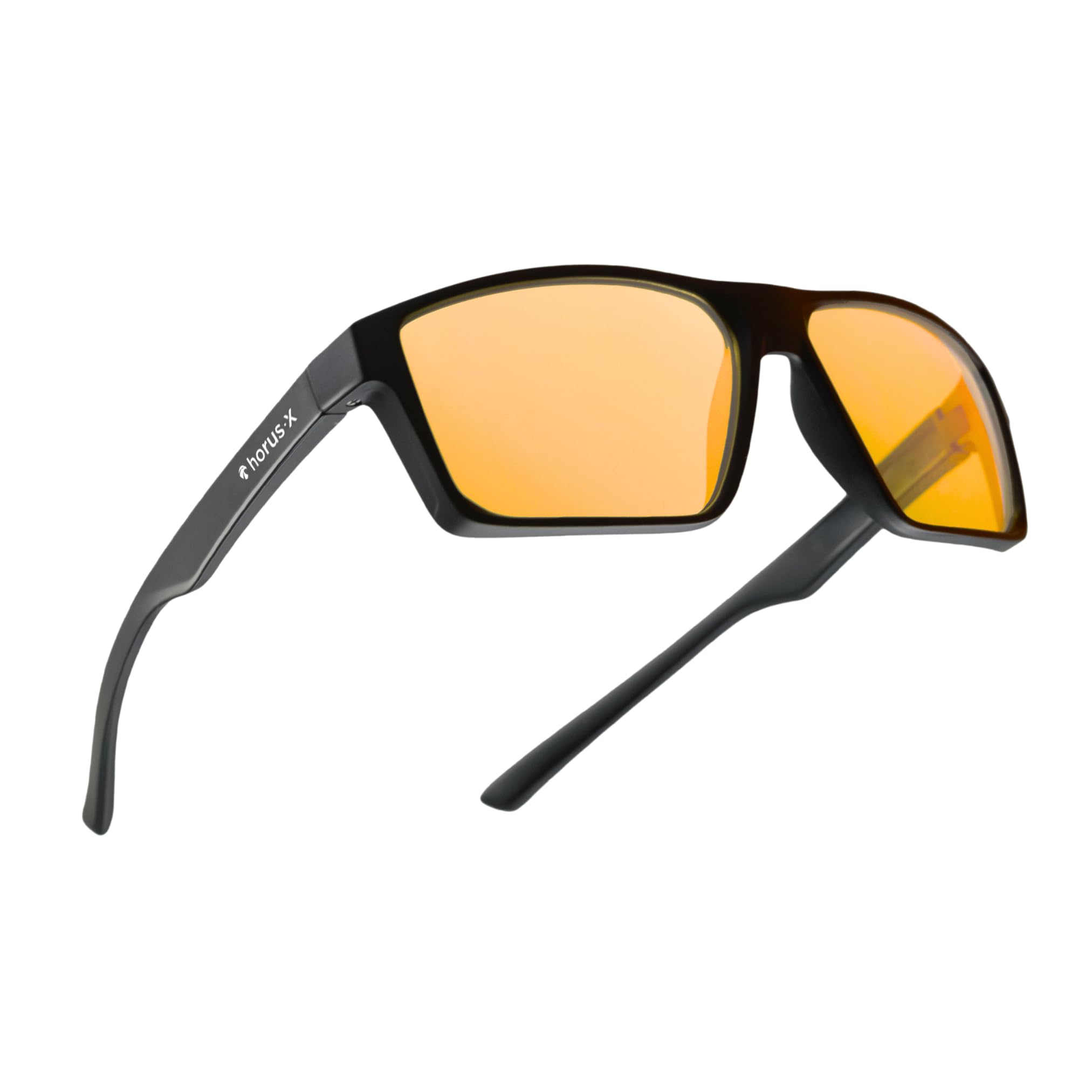
Warm amber lenses that calm the screen and soften the shadow over tired eyes at once.
This is the heavy-filter option, and it behaves accordingly. The amber lens is built to enhance contrast and sharpness, and because the tint is warm rather than clear, it also happens to throw a soft wash over the eye area that makes the under-eye read less stark. The maker claims 100 percent blue light and UV blocking, though no independent test result backs that figure.
Weight is where it splits comfortably from its closest rival. At 0.95 ounces the Horus X is noticeably heavier than the ANRRI’s 0.63 ounces, but the extra mass buys a sturdier frame, and for long gaming or coding sessions the trade reads fine. The quality of the build is the thing wearers root for most, followed by how well the lens actually performs at cutting strain during hours of screen time.
Where it asks patience is the frame itself, which several long-term wearers describe as the cheapest part of the package — the lens holds up, the arms less so, and pressure builds on the ears before the afternoon is out. The amber cast also distorts color for the first few minutes, which most people adapt to quickly.
The number that decides it: that 0.95-ounce weight, pitched against the ANRRI at 0.63 ounces. A heavier frame means more lens to hold and more filter in the glass, but it is also the pair you feel after a four-hour session.
One thing to weigh: the amber tint is the filter. If you need glasses that read as ordinary eyewear for a client call, the clear-lens ANRRI hides better; the Horus X works and looks a little more like gear.
Best for: gamers and coders who want the strongest per-lens tint and will trade a little weight for it.
Be ready for: amber color-shift for the first few minutes and a frame that will not outlast the lens.
4. XXL Mens Polarized Sunglasses

For the faces that bow every other frame outward — this one runs 152mm across and stays wide.
If standard-width glasses pinch at the temples, the width is the whole story. This frame spans 152mm across the front, which is wide by any measure and is the reason it has built a following among wearers with fuller, rounder faces who have spent years watching frames widen or crack at the hinge. Polarization kills glare and reflections too, which flatters tired eyes in daylight.
It is an ordinary-strength build, and wearers say so plainly — the plastic quality is fine, not special. An update added a flexible hinge that improved the earlier design, but the arms remain short and can dig in on long wear. Reports of early breakage exist, so treat this as a light-use pair rather than one to stuff into a tight pocket.
Where it earns its place is fit. A wide nose bridge on this frame keeps the pads from pinching or leaving marks, which matters if the area you are trying to hide already sits close to the frame line. For a tall wearer or someone with a long face, this is often the only width that looks right.
What earns its keep
- 152mm across the front, wide enough for faces that bow narrower frames
- Polarized lenses cut glare and reflections that make tired eyes look worse
- At 0.9 ounces it stays light despite the extra width
- The wide nose bridge stops the pads pinching or marking the cheek
Where it needs caution
- The short arms tend to dig into the ears on long wear
- The build is ordinary — treat these gently rather than tossing them loose in a bag
Worth it if: you have a wide or long face that pinches or cracks ordinary frames, in which case the 152mm width is the whole reason.
Not the one if: you have a small face — the extra span will read as oversized on a small head rather than proportioned.
5. Orange Blue Light Blocking Glasses
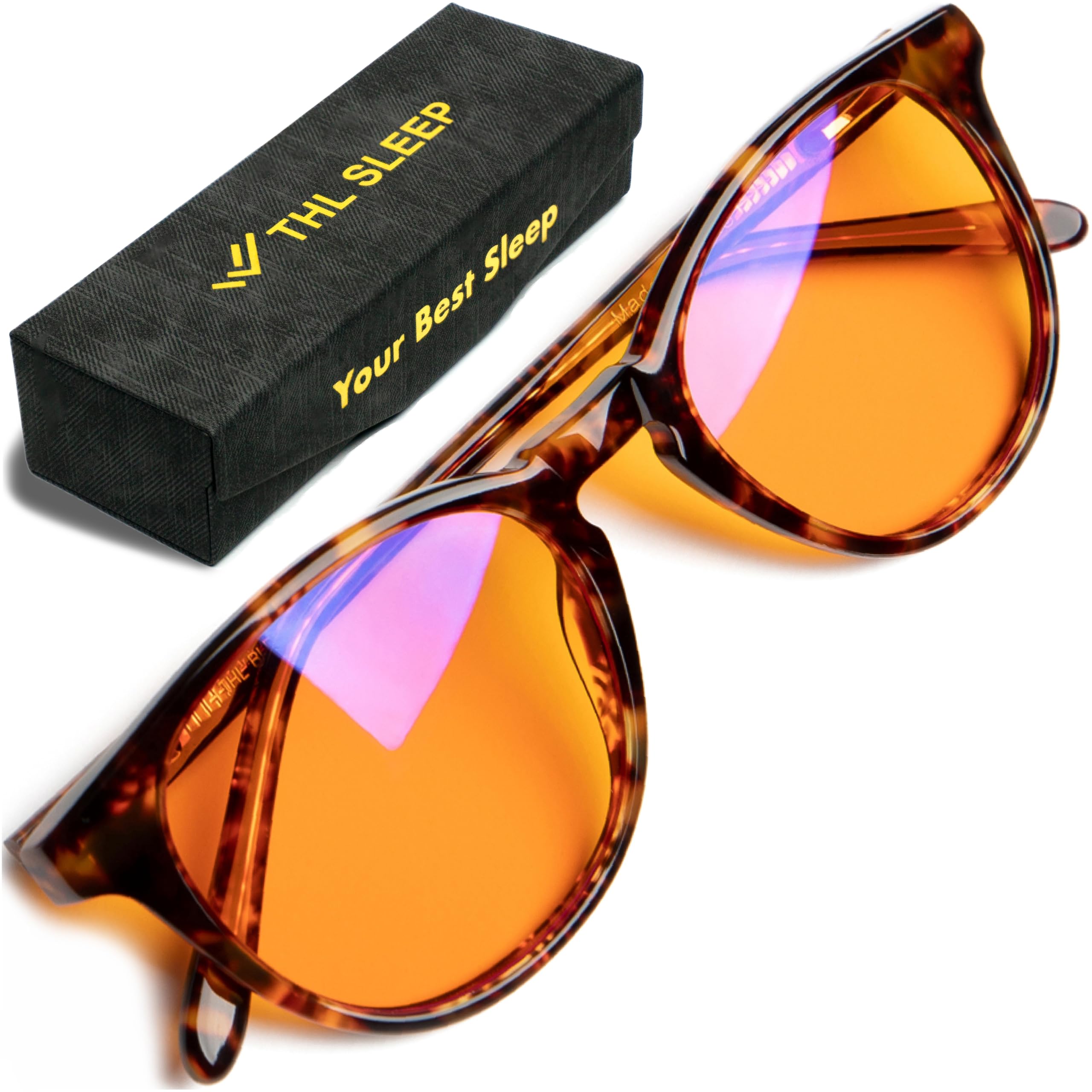
A deep orange lens that filters the 400-550nm band and darkens the whole eye area after dark.
The strongest filter here is also the one that hides the most, because the deeper the tint, the more the lens line sits behind a wash of color. This lens filters the 400 to 550nm range and carries 100 percent UV protection by the maker’s description. For evening screen work, that heavier filtration is the point — a clear lens simply does not cut as much of the light that keeps you wired at midnight.
The brand is upfront that the tint is dark and meant for indoor evening use, which is a refreshingly honest framing rather than a mark against it. That darkness is also the trade: you may need magnification to read through it, and one wearer returned to try the magnified version for exactly that reason.
What buyers seem to value most is the filtration itself, with quality and appearance not far behind. The acetate build feels sturdier than its price bracket suggests, and the tinted lens does a fair amount of cosmetic work by simply throwing shade over a tired gaze.
Why the tint matters twice: this lens filters the 400-550nm band, which is a heavier cut than a clear filter, and the deep amber also does the visual work — that wash of color is what softens the under-eye area in evening light.
Be realistic about the shade: the orange tint is dark enough that reading through it is uncomfortable for some people, so if you want a lens you can wear to read in bed, that is the moment to look at the magnified option instead.
Reach for these if: you want the deepest evening filter and you like the way a strong tint sits over your eye area.
Look elsewhere if: you need a lens you can read through easily — the tint is deliberately dark, and that is its whole design.
6. IZIPIZI READING #C Reading Glasses for Women & Men
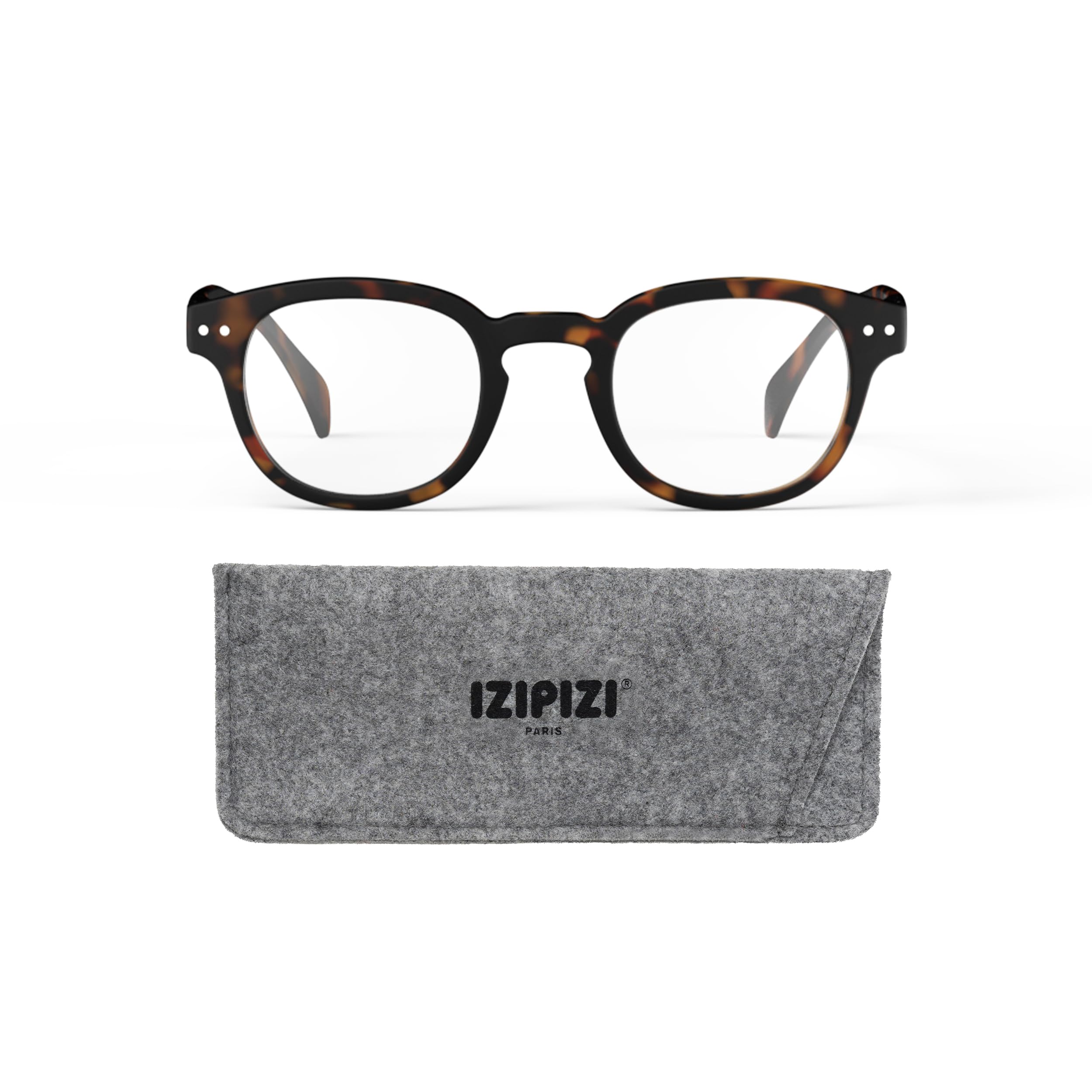
The reader people reach for because it looks like a frame, not a lens on a stick.
If you already wear readers, the cosmetic question changes: you want magnification that also covers the eye area, rather than a second pair just for show. The IZIPIZI #C leans on proportions and frame options more than features — springy arms and a nonslip frame are what hold it steady on your face, which keeps it from sliding low and exposing the under-eye you sat down to hide.
The frame is a real point of view. Longtime regulars describe it as comfortable, durable and light, and the range of colors and frame options is a genuine part of the appeal. They also say the reason they keep buying is that the lens quality makes reading comfortable without the squinting that adds to the tired look before you even open the laptop.
Fit consistency is the honest caveat. Regular buyers have noticed the frame feeling looser on newer pairs than on their first ones, and one long-time wearer found the frame running wide and stretched. Worth a careful first try rather than a blind repeat order.
The look factor: the whole reason this reader gets worn daily. Springy arms and a nonslip bridge keep it up on the face, and the color range gives you room to make the frame a deliberate part of the look rather than an afterthought.
What to test in the mirror: fit consistency between pairs is the recurring note — try the exact pair you are keeping, and check the arms grip rather than assuming they will feel like a previous order.
It suits you if: you need magnification and you want your readers to look like glasses someone actually chose.
Only if the fit holds: try before you rely on it — if the frame feels loose from the start, the #C in a different colorway may sit differently.
7. EMR-TEK Freya Blue Light Glasses For Men & Women
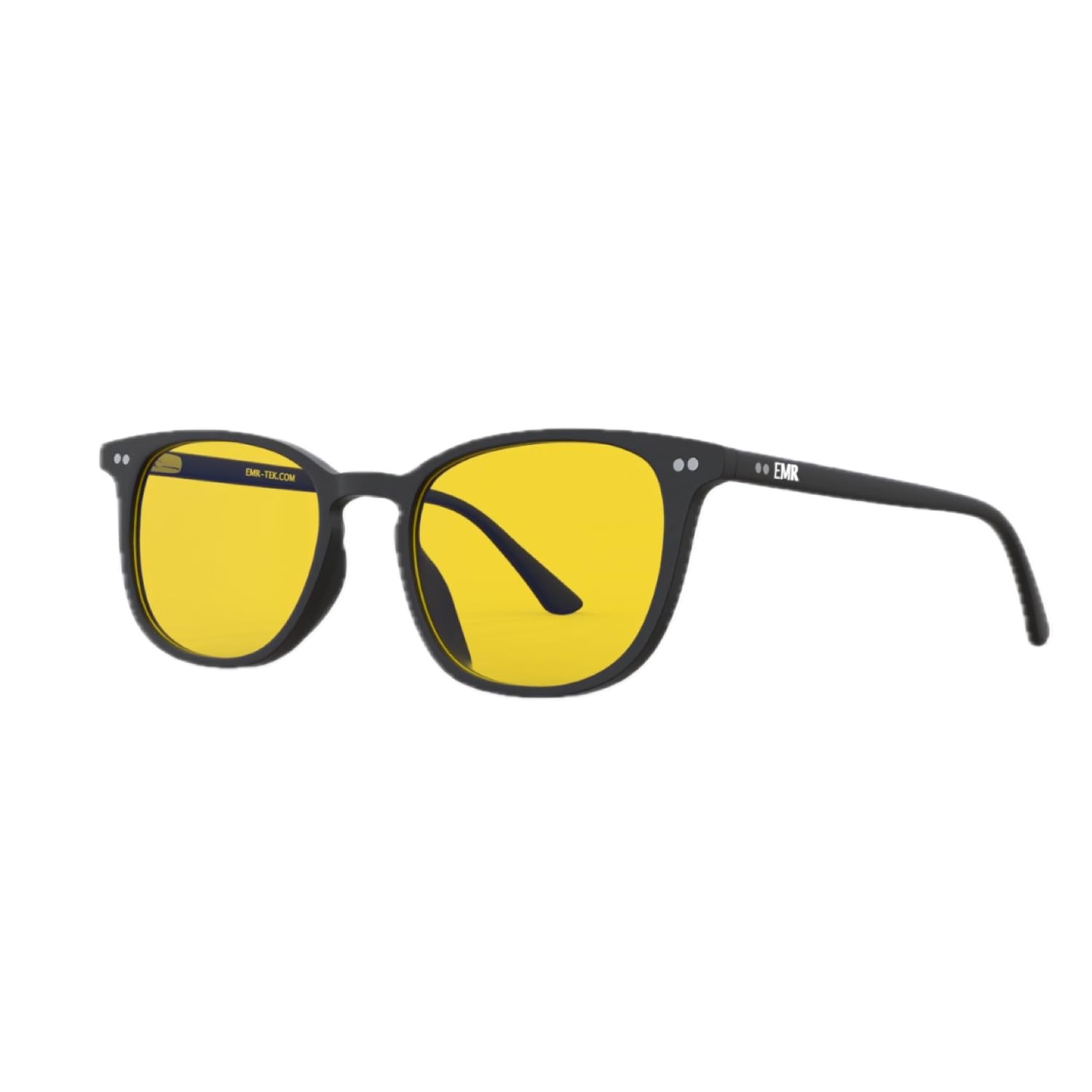
A two-lens set: a lighter pair for daytime and a deeper one for the evening wind-down.
Most frames make you pick one job and live with it. The Freya is built around two: a daytime lens for screen work and a nighttime lens for evening use, so you are not swapping between a clear pair and a tinted pair throughout the day. If you want one frame that covers both daytime and evening light, this is the only pick here that does it.
It is the top of the range here, and it reads that way — a dedicated lens for each end of the day rather than a single compromise tint. At this price you pay for specification, and the Freya is the only pick here that includes both lenses in one purchase.
What it lacks is any depth of real-world wear feedback. There is no meaningful track record yet, so the frame and the lens coating have not been stress-tested by a large number of owners. If you want certainty, that is the reason to wait; if you want the two-lens setup, it is the only place to get it here.
The point of the two lenses: daytime and nighttime coverage from a single frame. That is the specialisation you pay for at the top of the range, and it is the one thing the cheaper single-lens picks above genuinely cannot match.
Where it needs a track record first: the specification is clear but the hands-on experience is thin. If you want a pair with a well-established feel, the ANRRI or Horus X above will be the safer bet.
For the two-lens shopper: anyone who wants daytime and evening goggles from one purchase and is willing to pay the top bracket for it.
Not yet for you if: a long history of wearer feedback is part of how you decide — this one is still early days.
Know the Specs
Frame width in millimetres
Frame width is the measurement across the front of the frame, hinge to hinge, quoted in millimetres (mm). It is the number that decides whether a pair sits cleanly on your face or bows outward at the temples, and it is also what keeps the frame from creeping down your nose — and a frame that creeps down exposes the very under-eye area you are covering. Match this number to your current pair rather than to a size label.
Lens filtration in nanometres
Blue-light filtration can be sold either as a percentage of blue light blocked or as a wavelength range in nanometres (nm). A range such as 400 to 550nm describes which slice of the spectrum the lens is designed to cut, and deeper amber or orange tints usually mean a heavier cut than a clear filter. This is the spec that separates a lens that calms your eyes from one that simply changes the color you see.
Frame material and weight in ounces
Frame material decides two things: how the frame flexes, and how much it weighs. Flexible materials such as the Areolite used on the ANRRI bend without cracking, while more rigid plastics keep their shape but are more brittle. Weight is quoted in ounces or grams, and lighter frames are less likely to press a line into your cheeks over a long day.
Temple length and nose bridge
The temple length is the measurement from the hinge to the tip of the arm, and the nose bridge is the gap between the lenses. Both affect where the frame sits on your face. A long temple with a wide bridge usually keeps the lenses higher up and away from the cheek, while a short temple will draw the frame down onto the area you are trying to hide.
Common Questions
Do glasses really hide under-eye bags?
Will clear lenses hide eye bags as well as tinted ones?
What frame width should I choose for a wide face?
How do I know if a blue light lens is actually working?
Is an orange lens better than an amber one for evening use?
How long should a pair of these glasses last?
Can I wear these over my prescription glasses?
Why do some frames slip down my nose?
Should I pick a bigger lens if I want more coverage under the eye?
Do these glasses replace an eye cream or a dermatologist visit?
The Bottom Line
For a first pair, the glasses to hide eye bags pick is the ANRRI Blue Light Glasses: a square 143mm frame with clear lenses, which covers the under-eye area without the filter showing in photos. If you want stronger tint for long screen sessions, the THL Sleep Orange lens runs a deeper 400 to 550nm filter for the evening, and the IZIPIZI #C gives you magnification and a flattering frame in the same purchase. Every frame above is a genuine pick, so choose by face shape rather than by the biggest claim on the box — and the ANRRI is the safest place to start.
How we choose
We do not accept paid placement. Every pick is matched to a real buyer and a real use-case; we do not hands-on test units.
Sources
Specifications: manufacturer listings and product documentation. Review insights: verified customer reviews, as of October 2026. Pricing: not shown on this page (it changes often); check the current price via the retailer link.
As an Amazon Associate, Aappliancez earns from qualifying purchases. This does not affect which products we feature.