Disclosure: Some links in this post are affiliate links. As an Amazon Associate I earn from qualifying purchases, at no extra cost to you. Learn more
Specs are compiled from manufacturer listings and verified buyer reviews and can change over time — please confirm the key details on the product page before buying.
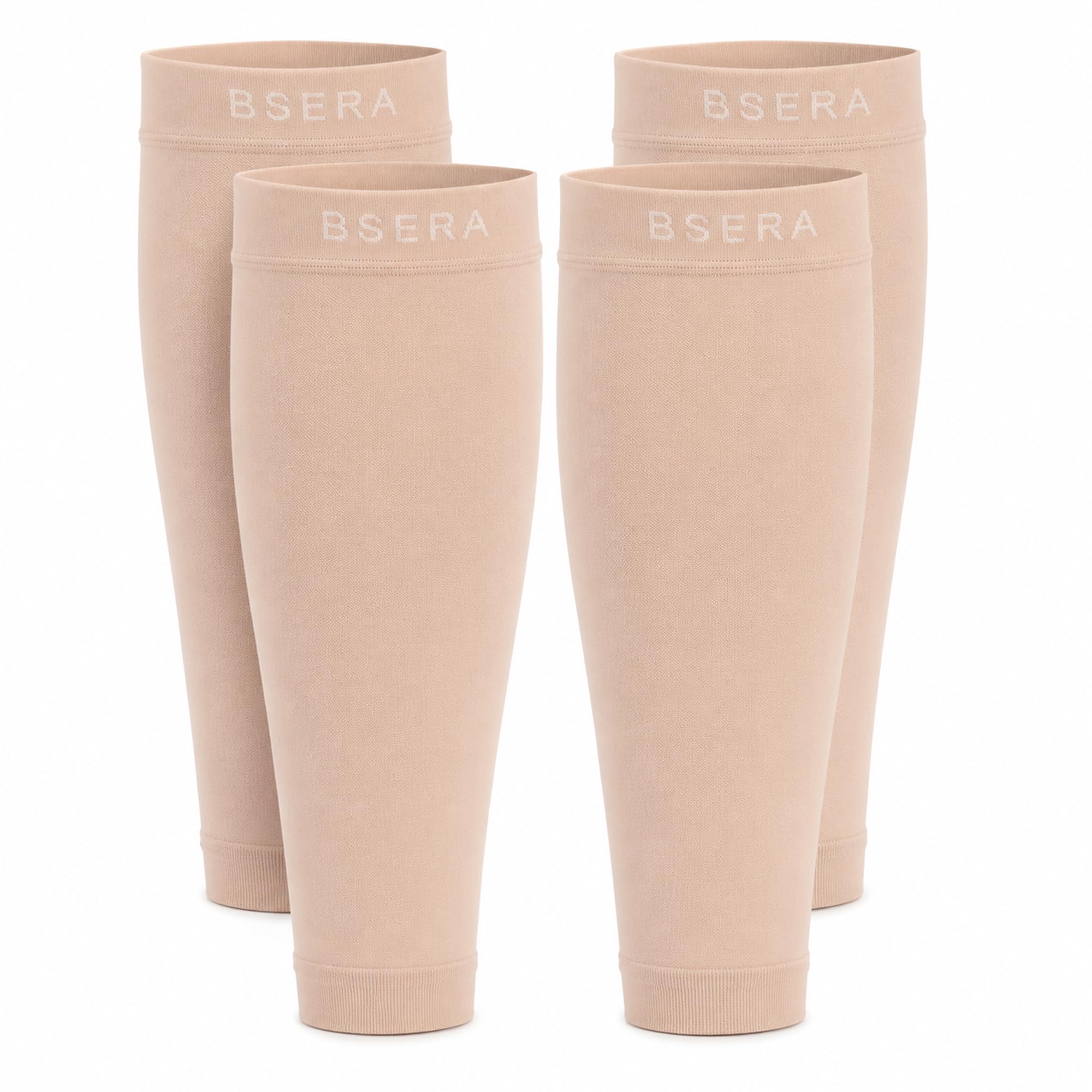
For most people the pick is the BSERA Calf Compression Sleeve, two pairs of 15-20 mmHg sleeves (mmHg is the pressure unit used on compression charts) in a nude tone that disappears under clothing. Here is the short version of how these five differ: the BSERA sleeve, the Copper Calf Compression Sleeve and the NEWZILL open-toe sock all leave your feet bare, while the KTINNEAD and Wegitcs pantyhose styles extend up your leg and over your thigh. Your real decision is not brand, it is pressure level and how much leg you want covered.
This guide is built by comparing the manufacturers’ published specifications and the patterns across verified customer reviews, so you get each pick’s real strengths and trade-offs instead of marketing spin.
Footless styles leave your toes bare and your heel uncovered, so nothing bunches inside a shoe. This guide sorts five of them by pressure level and length so you can match one to your own leg. Choosing among the best footless compression socks starts with if you need calf-only pressure or full-leg coverage.
Top Picks
How To Choose The Best Footless Compression Socks
Footless compression comes in three shapes — calf sleeve, open-toe sock, and footless pantyhose — and the wrong shape is the reason a pair ends up in a drawer. A calf sleeve wraps only your lower leg. An open-toe sock covers your calf and your foot but leaves the toes exposed. A footless pantyhose style runs from your ankle all the way up to your waist. Decide which of those three shapes you need before you look at any pressure number.
Choose the pressure level before the price
Compression is measured in mmHg — millimetres of mercury, a unit that tells you how firmly the fabric squeezes your leg. A 15-20 mmHg sleeve is the lighter end, and most people describe it as a gentle, all-day hug. A 20-30 mmHg garment is noticeably firmer and is aimed at people who want serious support during long standing shifts or recovery. Buy too light and you will not feel much; buy too firm and the top band can dig in. Both the BSERA sleeve and the Wegitcs pantyhose sit at 15-20 mmHg, while the NEWZILL sock and the KTINNEAD pantyhose run at 20-30 mmHg.
Measure your calf in the morning
Legs swell through the day, so a calf measured at 4 p.m. can be a size larger than the same calf at 8 a.m. Measure first thing, wrap the tape around the widest part of your calf, and check that number against the brand’s own chart instead of your usual clothing size. Sizing runs differently in every one of these five, and the fit feedback on the BSERA sleeves shows how much that matters — a Medium proved generous for a 5’4″, 117 lb wearer who would have done better sizing down.
Think about what goes over them
Footless construction buys you two things: cool, free toes and a normal shoe. A nude or skin-toned sleeve slips under capris and sandals, while a black pair works under trousers and at the gym. If your days mix a desk and a workout, a sleeve that transitions from sneakers to loafers without changing your socks is the practical choice.
Side-by-Side Comparison
| Model | Best For | Compression | Style | Pairs Included | Amazon |
|---|---|---|---|---|---|
| BSERA Calf Compression Sleeve Women, 2 Pairs 15-20mmHg★ Best Overall | Everyday all-day calf support | 15-20 mmHg | Calf sleeve | 2 pairs | Amazon |
| NEWZILL Open Toe Compression SocksFirmest Fit | Firmer support with open toes | 20-30 mmHg | Open-toe sock | — | Amazon |
| Copper Calf Compression Sleeves for Men Women | Sweaty workouts and shin splint support | Graduated, no-slip | Calf sleeve | 2 items | Amazon |
| KTINNEAD 20-30mmHg Comfortable Medical Compression Pantyhose | Full-leg and thigh coverage | 20-30 mmHg | Pantyhose, waist high | — | Amazon |
| Wegitcs 15-20 mmHg Compression Pantyhose for Women | Lighter full-leg support and travel | 15-20 mmHg | Pantyhose, footless | — | Amazon |
Detailed Reviews
1. BSERA Calf Compression Sleeve Women
Our pick — over 4★ from 300+ verified ratings; the strongest balance of quality and price.
Two pairs of feather-light calf sleeves that vanish under a pair of capris.
The reason this pair takes the top slot is simple arithmetic: you get two sleeves in one pack, so you can wear one and wash the other, and at 3.53 ounces for the whole package you will forget they are on. The fabric is 77% nylon and 23% spandex — nylon for durability, spandex for the stretch — woven into graduated 15-20 mmHg compression (gentle pressure that eases as it moves up the calf). That figure means gentle, steady pressure rather than a firm grip, which is why most people describe them as an all-day garment instead of a medical device. The nude shade is the quiet win here: it reads as skin, not garment, so it works with sandals and capris without announcing itself.
What wins people over is the pressure feel — the compression is described as the right amount, snug without ever feeling like it is cutting off circulation. Quality runs a very close second in owner feedback, and the recurring theme is the wide top band: it holds without pinching at the upper calf. Breathability shows up too, with wearers noting these stay comfortable through hot weather and leave no marks on the skin.
Fit is the honest trade-off, and it cuts both ways. A Medium proved too generous on a 5’4″, 117 lb buyer who should have gone down a size — so measure your calf first, not your dress size. The other thing to know is that nylon-spandex does relax over time: the same wearer found the elastic loosening and the sleeve sliding after about three months of steady use. Treat the size chart as the real specification and the initial tightness as normal.
What Owners Single Out
- Two sleeves per pack — one on, one in the wash
- 15-20 mmHg graduated pressure that owners call snug but never restrictive
- Nude tone hides under capris and works with flip flops
- 77% nylon / 23% spandex blend washes clean and leaves no skin marks
Where It Falls Short
- Fit runs generous — the Medium was too big for a 5’4″, 117 lb wearer
- Elastic can relax and slide after roughly three months of daily wear
- Lighter 15-20 mmHg pressure will feel too mild if you want firm support
Reach for this if: you want gentle, all-day calf pressure you can hide under normal clothes and you would rather buy two sleeves than one.
Look elsewhere if: you need firm 20-30 mmHg support — the NEWZILL sock below is your pick.
2. NEWZILL Open Toe Compression Socks
The firmer end of the scale, with your toes left completely free.
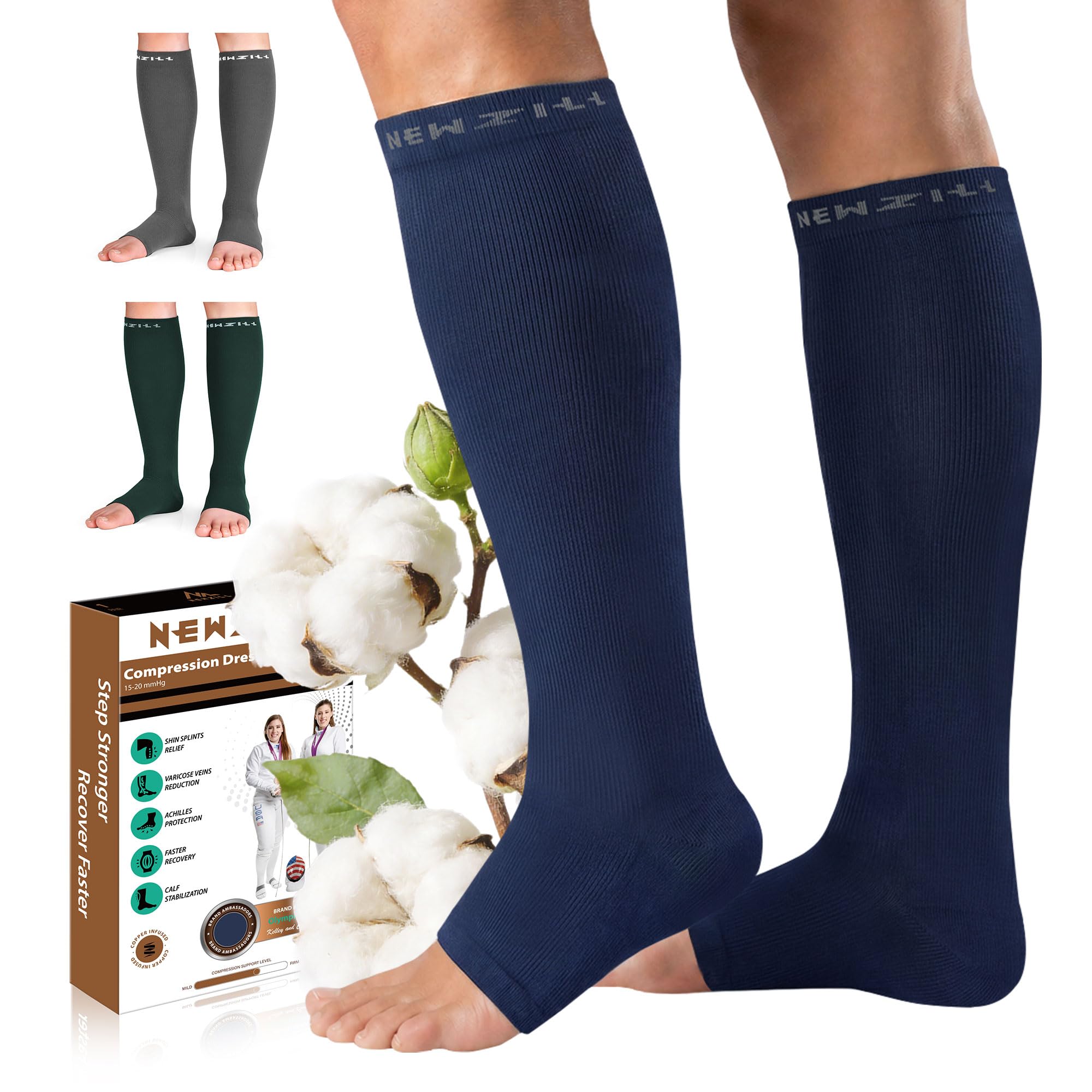
Where the BSERA sleeve is a light daily hug, this one steps up to 20-30 mmHg — noticeably more pressure, aimed at anyone who wants real support across a long shift or through recovery. The 20-30 mmHg range sits a full step above the BSERA’s 15-20 mmHg, so the squeeze is firmer by design rather than by accident. The open-toe cut keeps your toes uncovered, which means no bunching inside a shoe and no pressure on the nails. At 10 x 6 x 0.6 inches and 3 ounces for the pack, it folds flat enough to live in a gym bag or a carry-on pocket.
The everyday detail that owners lean on is the fit at the arch and calf — the sock gives support in both places without a wrestling match getting it on. Slipping them off is reported to be just as painless, which matters if you wear compression for hours at a time. Pair that with the 20-30 mmHg pressure and you have a sock that behaves more like a support garment than a piece of hosiery.
Get the size wrong on a 20-30 mmHg garment and you will feel it immediately, so work from the brand’s size chart and measure your calf rather than your shoe size. If you want a gentle all-day feel instead, drop down to a 15-20 mmHg sleeve.
The pressure upgrade: 20-30 mmHg is a full step firmer than the BSERA sleeve’s 15-20 mmHg, so choose this when light pressure has stopped feeling like enough.
Toe freedom, arch support: the open toe leaves your toes bare while the sock still supports the arch and calf — the combination owners say makes it easy to put on and take off without a fight.
Suits you if: you want genuinely firm 20-30 mmHg compression but refuse to give up bare toes.
Think twice if: you dislike feeling pressure on your arch — this one supports there, not just at the calf.
3. Copper Calf Compression Sleeves
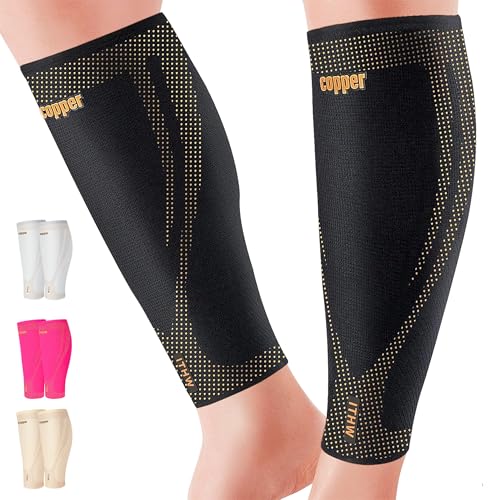
Built for the sweaty stuff — a sleeve that refuses to slide mid-run.
Two things set this pair apart from the other sleeves here. First, the fabric is nylon woven with copper ions, which the maker says keeps the sleeve from holding onto sweat and turning sticky between wears. Second, the graduated compression is shaped rather than flat: firmer at the lower calf, gentler up top, so it pushes rather than pinches. The elastic band at the top is the anti-slip piece — it locks the sleeve down so nothing rolls or bunches during a run, a jump set, or a HIIT circuit.
Support is what buyers rate highest here, and the through-line is that the sleeve holds up over repeated use without looking tired. Durability and material quality also come up often, with the fabric described as thick and soft, and the stitching clean enough that owners expect these to last. It is a pull-on design in black, sized Medium, with two items in the pack — one pair, so you rotate rather than swap.
One sizing note deserves your attention before you buy: a few wearers found the sleeve runs snug enough that ordering one size up is the smarter move. A small, for instance, fit tight on the calf but looser at the ankle, which actually makes the sleeve easier to pull off. If you are between sizes, the larger one is generally the safer bet.
Why Runners Like It
- Copper-ion nylon fabric wicks sweat and resists that sticky end-of-workout feel
- Graduated compression — firmer low, gentler high — for a push rather than a pinch
- Non-slip elastic band that owners say stays put through runs and jumps
- Thick, soft, well-stitched material though to last through repeat uses
What to Watch For
- Runs snug — a handful of wearers suggest ordering one size up
- One pair per pack, so there is no second sleeve while this one dries
Best match: anyone who trains in these daily and wants a sleeve that holds firm through sweat instead of creeping down.
Less ideal for: buyers who want two sleeves in one order — you only get the one pair here.
4. KTINNEAD 20-30mmHg Compression Pantyhose
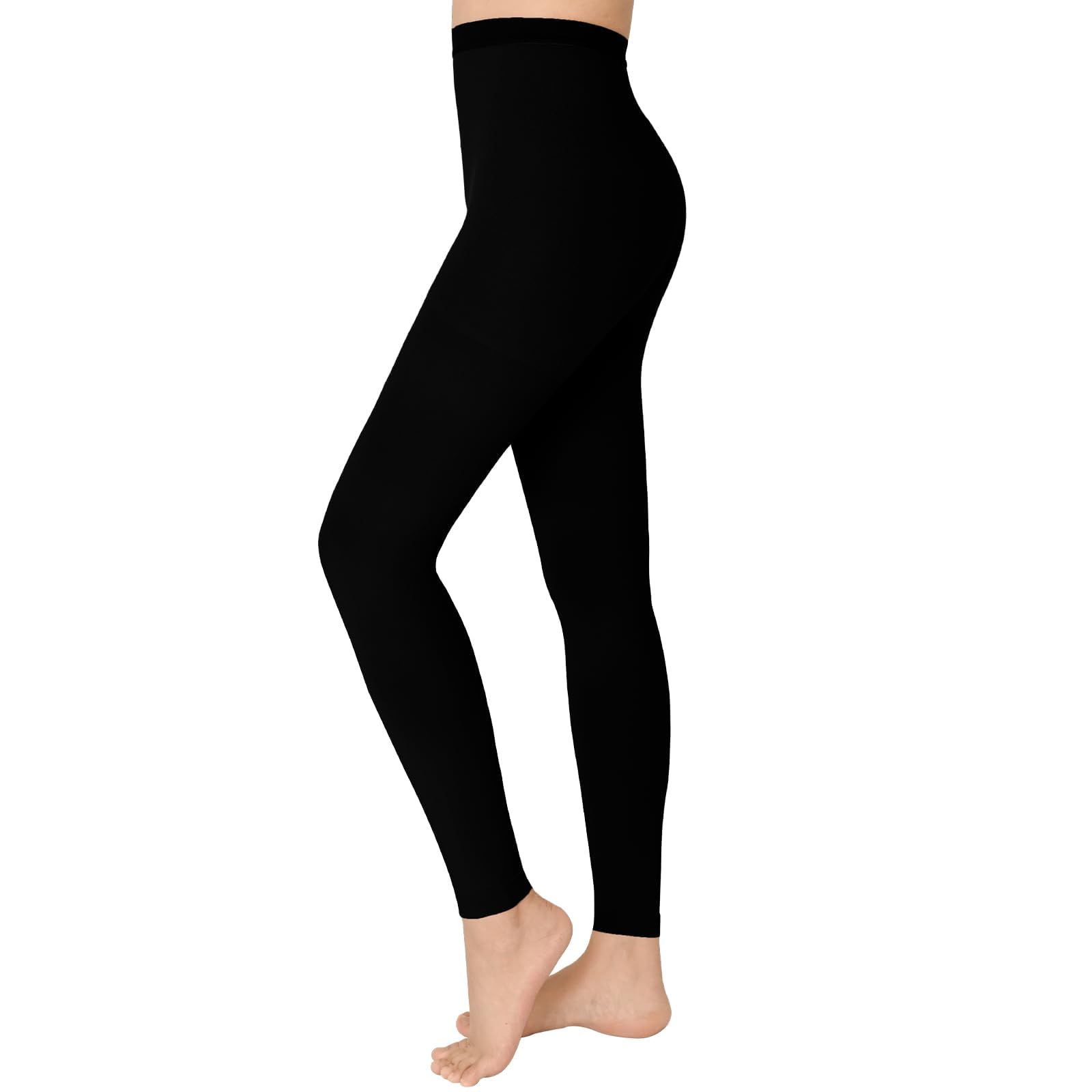
Thigh-high pressure in one piece, for days when your calf alone is not the problem.
This is a pantyhose, not a sleeve, and that changes everything about who it suits. The compression runs at 20-30 mmHg and graduates upward — tightest at the ankle, gradually easing as it climbs to the thigh, per the maker’s description. That build is made for someone whose whole leg needs support, like a long day on your feet in a job that never lets you sit. At 4.66 ounces for the pack, it carries a bit more heft than the calf sleeves, which is what you would expect from a garment that reaches your waist.
The material is 80% nylon and 20% spandex, and one thing buyers consistently flag is how surprisingly easy it goes on — scrunch the fabric down, pull it up the leg in 6-8 inch stages, and it slides into place. Removing it is a different story: pulling it off inside out is the method that works. Owners also note it holds its compression well after repeated washes and that the color matches skin closely.
Compression strength is the mixed part here. Some buyers find the support solid without feeling restrictive, while others feel it runs lighter than a true 20-30 mmHg should. The other real-world note is warmth — worn under trousers in hot weather, this garment traps heat. If you plan to wear it through a summer commute, that is worth knowing in advance.
Put-on ease beats expectations: despite being a full 20-30 mmHg pantyhose, the fabric scrunches down and pulls up in 6-8 inch sections, which owners describe as far easier than they expected.
The heat is real: under trousers in warm weather, this one holds warmth — and because it is a waist-high cut, removing it means peeling it off inside out.
Go for this: when your ankles, calves and thighs all need graduated pressure and a sleeve alone would leave half your leg uncovered.
Not your pair: if you want a cool, bare-feeling wear for hot days — that is the trade for full-leg coverage.
5. Wegitcs 15-20 mmHg Compression Pantyhose
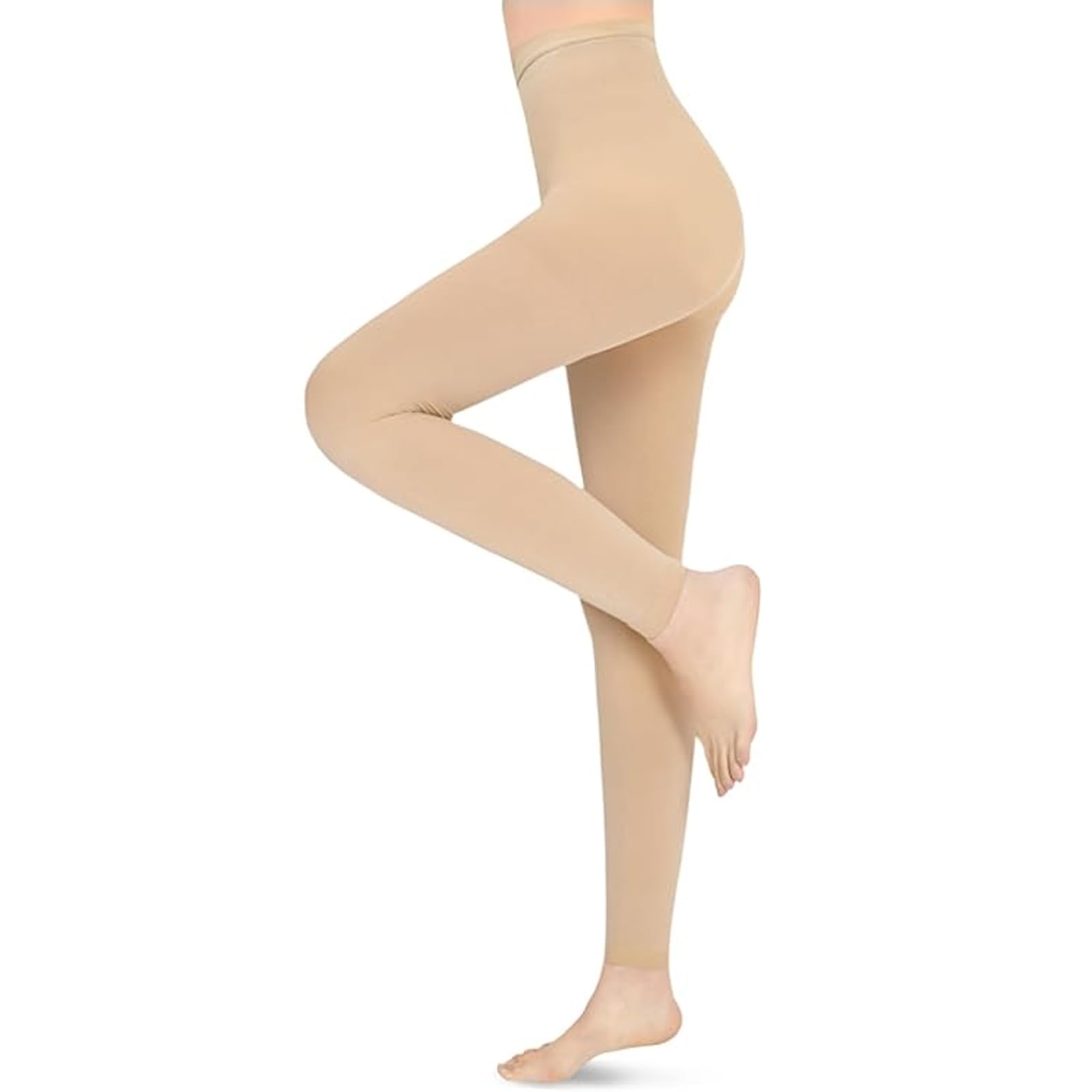
Waist-high coverage at a lighter squeeze — full-leg support without the tightness.
The Wegitcs takes the other route from the KTINNEAD: same waist-high, footless shape, but at a gentler 15-20 mmHg. That makes it the fuller-coverage answer for anyone who wants support up the whole leg yet does not want the firm pinch of a 20-30 mmHg garment. The footless cut keeps your toes and the sole of your foot free, so it goes under normal shoes without a sock fight. It targets the same ground as the calf sleeves — muscle fatigue, stiffness, and shin splints — but covers more leg while pressing less hard.
The strongest point owners raise is that it does its job: steady, effective compression that holds through wear. A frequent traveler wore a pair on round-trip flights during pregnancy and reported no leg swelling and comfortable compression throughout. Others wore it for long standing shifts, where the support was the whole reason for buying.
The flip side is pressure consistency. Some wearers who bought straight from the size table found the compression felt light — one buyer specifically wished the squeeze ran higher up toward the abdomen for even pressure. Sizing also earned a mixed read, so measure in the morning and check the brand chart rather than relying on habit. If you want firm, all-leg pressure, this is not the one; if you want light, all-leg comfort, it is.
Full leg, lighter touch: this is the footless pantyhose for someone who wants their whole leg supported at 15-20 mmHg rather than only the calf at a firm 20-30 mmHg.
One buyer’s honest gripe: the compression can feel lighter than expected, with pressure toward the upper leg and abdomen noted as wanting — a fair heads-up if you want a firm feel.
Pick this one: for travel days and long standing shifts where you want mild, whole-leg support and cool, uncovered toes.
Pass if: you want firm compression — the 20-30 mmHg options above will serve you better.
Know the Specs
mmHg — what the number actually means
mmHg stands for millimetres of mercury, and on a compression garment it is the unit that tells you how firmly the fabric presses on your leg. The lower the range, the lighter the squeeze. A 15-20 mmHg pair, like the BSERA sleeve or the Wegitcs pantyhose, sits at the gentle end and suits all-day, everyday wear. A 20-30 mmHg pair, like the NEWZILL sock or the KTINNEAD pantyhose, presses noticeably harder and is built for people who want firmer support across long shifts or recovery. Choose by how firm a squeeze you want, not by which number looks bigger on the listing. The wrong one is either so light you forget it or so tight the top band digs in.
Nylon and spandex — why the blend matters
Nearly every sleeve and sock here is a nylon and spandex blend, and each part does a different job. Nylon is the tough, durable fibre that holds up to washing and daily wear. Spandex is the stretch fibre — it is what lets the garment compress and then spring back to its shape. The BSERA sleeve is 77% nylon and 23% spandex, while the KTINNEAD pantyhose is 80% nylon and 20% spandex. More spandex means a stretchier, more forgiving feel. Over months of wear, any spandex fabric relaxes to some degree, which is why the size chart and gentle washing matter more than the grams of fibre.
Common Questions
What does 15-20 mmHg feel like compared to 20-30 mmHg?
Is a calf sleeve or a pantyhose better for swollen legs?
How do I measure my calf for the right size?
Do footless compression socks leave your toes free?
Will the compression loosen after a few months of wear?
Can I wear compression sleeves under normal clothes and shoes?
How long can I wear footless compression socks each day?
Are compression pantyhose harder to put on than a sleeve?
Do copper-infused sleeves work differently from plain nylon sleeves?
Should I size up or down if I am between two sizes?
The Bottom Line
Match the shape and pressure level to your leg, and the shortlist sorts itself. The overall pick is the BSERA Calf Compression Sleeve, because you get two sleeves in the pack, a discreet nude tone that hides under capris, and gentle 15-20 mmHg pressure that owners wear all day without a second thought. If you want a firmer squeeze and bare toes, reach for the NEWZILL Open Toe Compression Socks at 20-30 mmHg. For sweaty training days, the non-slip Copper Calf Compression Sleeves hold their place. And when the whole leg needs coverage, choose between the firmer KTINNEAD pantyhose and the lighter Wegitcs footless hose.
How we choose
We do not accept paid placement. Every pick is matched to a real buyer and a real use-case; we do not hands-on test units.
Sources
Specifications: manufacturer listings and product documentation. Review insights: verified customer reviews, as of October 2026. Pricing: not shown on this page (it changes often); check the current price via the retailer link.
As an Amazon Associate, Aappliancez earns from qualifying purchases. This does not affect which products we feature.