Disclosure: Some links in this post are affiliate links. As an Amazon Associate I earn from qualifying purchases, at no extra cost to you. Learn more
Specs are compiled from manufacturer listings and verified buyer reviews and can change over time — please confirm the key details on the product page before buying.
The moment a bee gets you, the swelling starts before you even get back inside. Two things decide how the next few hours go: how fast you can get a topical antihistamine onto the spot, and whether that product is in your bag when it happens. That is the whole decision. Everything else — tube size, pack count, gel versus cream — is secondary.
This guide is built by comparing the manufacturers’ published specifications and the patterns across verified customer reviews, so you get each pick’s real strengths and trade-offs instead of marketing spin.
The picks below cover fast-acting diphenhydramine gels, hydrocortisone creams, and a kid-safe option, each suited to a different kind of sting. Our rundown of the best cream for bee sting relief weighs what is actually in the tube against how quickly it stops the itch.
Top Picks
How To Choose The Best Cream For Bee Sting
A bee sting is not just an itch. The venom triggers your body to release histamine, the chemical that turns a small red puncture into a hot, spreading welt. That is why the ingredient list on the tube matters more than the word “soothing” on the front of it. Here is what to weigh before you buy.
Read the active ingredient first
Topical antihistamines such as diphenhydramine and tripelennamine block the histamine that drives the itch — that is why they act on a fresh sting so quickly. Hydrocortisone 1% works differently: it is a mild steroid that calms the skin’s reaction over hours, so it tends to suit lingering itch and rashes better than a brand-new sting. Both are legitimate choices. You just want to know which job you are buying for.
Gel, cream, or lotion
A gel dries down quickly and does not run, which is why the outdoor-focused products here come in gel format. A cream stays put on a raised welt and feels richer on dry, stripped skin. A lotion is the thinnest of the three and spreads over large areas — useful when a sting reaction covers more than a small patch. On broken or freshly scratched skin, creams and lotions tend to feel gentler than alcohol-heavy gels.
Carry size and pack count
A sting happens away from your bathroom cabinet, so the product you actually reach for is usually the travel-size tube already in a bag, car, or first aid kit. Multi-packs matter more than they look: one tube in the house and one in the daypack beats a single large bottle every time. If kids spend the summer outside, a formula labeled safe for children deserves a hard look, since it is the whole family using it.
Who should not treat this at home
Ordinary stings are a skin problem. A sting inside the mouth or throat, swelling that spreads well beyond the sting site, trouble breathing, or a known allergy is a medical emergency — call for help and use an epinephrine auto-injector if one is prescribed. No over-the-counter cream is a substitute for that. If you are unsure, get medical advice first.
Side-by-Side Comparison
| Model | Best For | Active Ingredient | Format | Size Per Pack | Amazon |
|---|---|---|---|---|---|
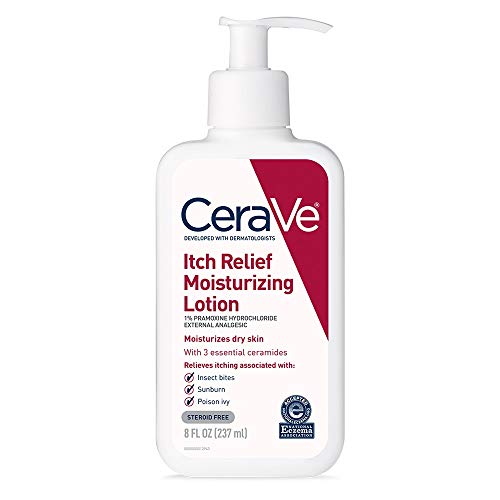
| CeraVe Anti Itch Moisturizing Lotion★ Best Overall | Large-area itch and dry skin | 1% Pramoxine Hydrochloride | Lotion | 8 ounces | Amazon |
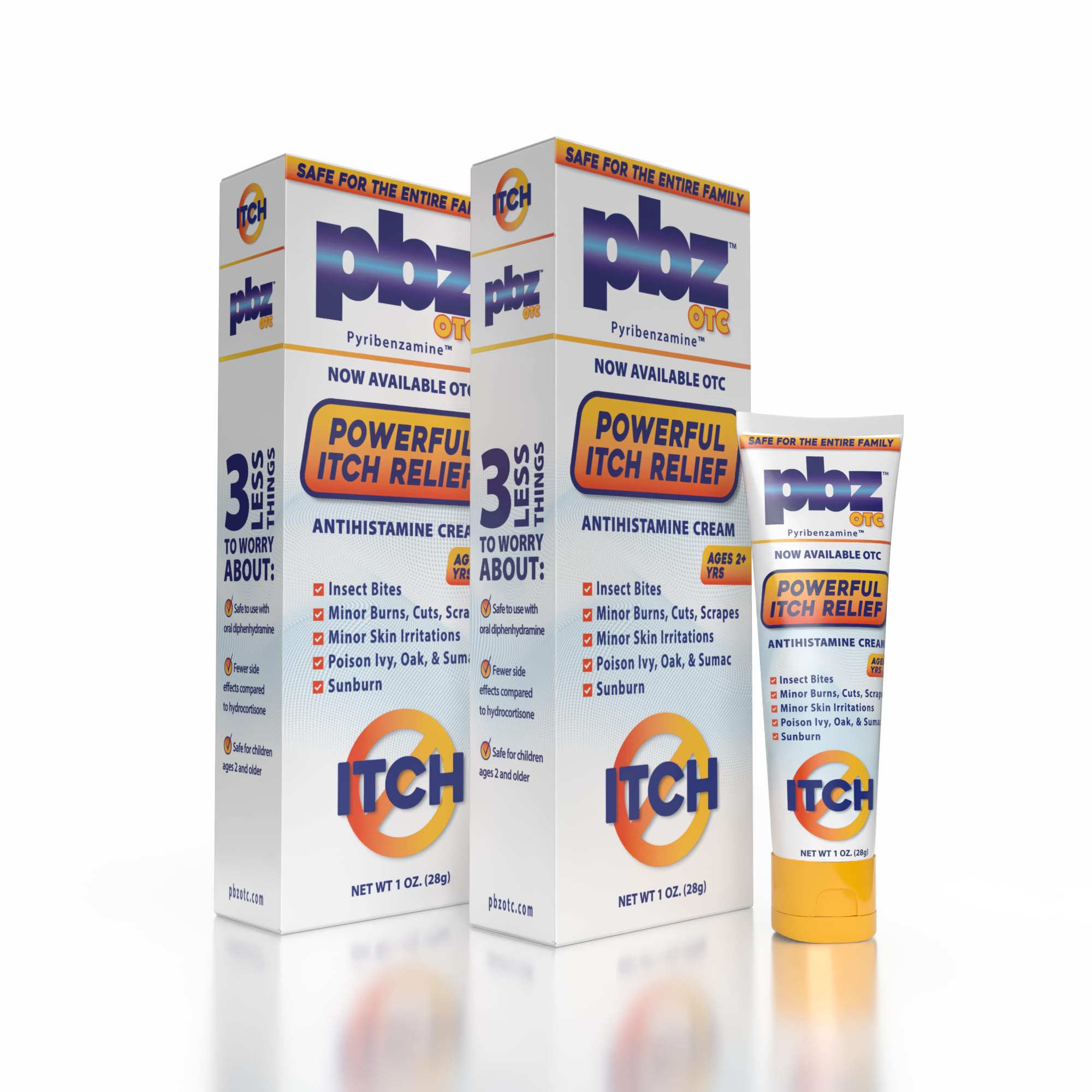
| PBZ OTC Itch Relief CreamKid Safe Pick | Kid-safe sting relief | 1% Tripelennamine | Cream | 1 ounce (2 pack) | Amazon |
| Benadryl Itch Stopping Cream | Pocket and first-aid-kit carry | 1% Diphenhydramine HCl | Cream | 1 ounce (3 pack) | Amazon |
| Cortizone-10 Plus Maximum Strength | Lingering itch and rashes | 1% Hydrocortisone | Cream | 2 ounces (2 pack) | Amazon |
| After Bite Outdoor Itch Relief Gel | On-the-go outdoor use | 2% Diphenhydramine HCl | Gel | 0.18 fl oz (4 pack) | Amazon |
Detailed Reviews
1. CeraVe Anti Itch Moisturizing Lotion
Our pick — 4.5+★ from 17,500+ verified ratings; the strongest balance of quality and price.
The big-tube pick that treats the whole hot, angry patch, not just the puncture mark.
Most sting products come in thimble-sized tubes built for one bite. This one holds 8.01 ounces of lotion — the largest container on this list — and that size changes how you use it. A bee sting that swells across your forearm, or a cluster of bites on a calf, gets covered in one pass instead of three careful dabs from a tiny tube. Pramoxine hydrochloride at 1% is the active numbing agent here, and CeraVe says relief starts within two minutes and holds for up to 8 hours. That long window is the reason this is the pick for a sting you have to live with through a workday.
What the ingredient list adds beyond the itch blocker is what makes it the everyday favorite. The formula pairs pramoxine with niacinamide, included to help calm skin, and hyaluronic acid, included to help retain the skin’s natural moisture. Three essential ceramides round it out — the same ceramides CeraVe puts in its face and body products — since ceramides make up 50% of the lipids in the skin barrier. It is fragrance-free, steroid-free, and non-comedogenic, and it carries the National Eczema Association Seal of Acceptance, so it wears well on sensitive skin and on skin that is already dry and cracked from scratching. The manufacturer also lists it as FSA and HSA eligible.
You get a lot of coverage, but you give up portability. This is a lotion, not a gel or cream, so it goes on thin and spreadable instead of thick and stay-put, and the 8.01-ounce bottle lives on a bathroom shelf — you are not dropping it in a hip pocket next to your phone. Want something the size of a lip balm for a picnic? Look further down this list. Buyers report it absorbs fast, hydrates heavily, and leaves little greasy film — the profile of a big-bottle lotion used at home after a day outside.
Where it earns its keep
- An 8.01-ounce bottle covers a spreading welt or a cluster of bites in one application
- Relief within two minutes, lasting up to 8 hours per the manufacturer
- Fragrance-free and steroid-free, with ceramides and hyaluronic acid for dry, scratched skin
- Holds the National Eczema Association Seal of Acceptance and is FSA and HSA eligible
What to expect instead
- Lotion texture is thin — it spreads wide but does not sit on a single raised welt the way a cream does
- Too bulky to keep in a pocket or small first aid pouch, so it lives at home
Made for the medicine shelf: the household that wants one large, gentle lotion for stings, sunburn, and general dry-skin itch, and keeps it where everyone can reach it.
Not the travel answer: if the plan is a tube that rides in a daypack, the smaller creams and that 0.18-fluid-ounce gel below do that job far better.
2. PBZ OTC Itch Relief Cream
A tripelennamine cream built for the whole family, kids included.
If the bee sting belongs to a six-year-old who is now screaming on the back step, the deciding question is not which cream works hardest. It is which one you are allowed to put on a child. This one answers that directly: it is labeled safe for use on kids and adults alike, and the directions allow application up to 4 times daily for what the maker describes as round-the-clock relief. That repeat-dosing ceiling is the practical number to hold onto, because a sting can flare again hours later and you want to know how often you can reapply.
Tripelennamine HCl at 1% is the antihistamine doing the work, and the formula is infused with aloe to soothe the skin while it calms the itch. The maker lists it as suitable for insect bites, minor cuts, minor burns, minor scrapes, skin irritations, poison plants, and sunburn — a wide brief for one small tube. It is also formulated to be safe alongside oral diphenhydramine, which matters if you are already taking an antihistamine pill and want to know whether a topical layer on top is allowed. Size-wise, the two tubes measure 2.24 x 2.25 x 5.75 inches overall, and the box weighs 3.2 ounces — compact enough for a glovebox, a diaper bag, or a kitchen drawer. For context on layout, that footprint runs noticeably smaller than the Benadryl three-pack’s 6 x 6 x 10 inches.
Where this one asks a little patience is the value conversation. The feedback on effectiveness is strongly positive, and the aloe-plus-antihistamine combination is reported to calm skin quickly without the burn some creams leave on a freshly stung spot. But the size-for-the-money question is genuinely split: some buyers are content, others feel the tubes run small for what they pay. That is not a defect, it is a fit note — if you want the biggest container for the least fuss, the 8.01-ounce CeraVe above wins that comparison outright. Owners mention quick results, with one noting the itch was gone after two applications. It is simply not the cheapest way to cover a whole summer of stings.
The dosing math: four applications a day, for a formula cleared for children as well as adults, means one tube can carry a family through a stretch of outdoor season without a pharmacy run.
Sound familiar: the pattern in the reviews is that it silences the itch fast, the aloe keeps it from stinging on contact, and the only real debate is how far a small tube stretches.
Reach for this if: you need one cream that is cleared for kids and adults and you want to reapply up to four times a day without thinking about it.
Look elsewhere if: you would rather buy by volume — the larger containers on this list simply give you more product per tube.
3. Benadryl Itch Stopping Cream

Three tubes, three places — the sting cream that is never in the wrong room.
The sting almost never happens where your medicine is. That is the problem this three-pack solves, and it solves it more cheaply than any single tube here on a per-tube basis. One goes in the kitchen drawer, one in the car, one in the camping kit. The tube itself is built for that life: 1 ounce of cream in a shape the maker describes as fitting a purse, backpack, or first-aid kit. At 0.63 ounces total for the pack, the whole bundle is light enough that you will not notice it in a daypack — compare that with the 8.01-ounce CeraVe lotion, which stays home on a shelf.
It stops the itch by blocking the chemical your body releases when a sting happens. That blocker is diphenhydramine hydrochloride at 1%, a topical antihistamine (an itch blocker you rub on the skin) — the same class used in the gel further down this list. The maker explains it simply: it blocks histamine, the natural substance your body releases that causes the itching. The formula also includes zinc acetate, a skin protectant added to calm and soothe the irritated area, and it helps dry the oozing and weeping that can come with a sting or a scratched-over bite. It is fragrance-free and non-greasy, and the label clears it for ages 2 and up, so it works for most households, not just adults.
What this one does not do is deliver the highest concentration of diphenhydramine in the lineup. The After Bite gel runs its diphenhydramine at 2%, double the strength of this cream, and a gel also dries faster on a raised welt than a cream does. If raw potency on a single fresh sting is your priority, that is the one to take. Choose this three-pack instead when convenience beats concentration — when you want a tube within arm’s reach in three different places and a format that has been the default first-aid answer in most homes for decades. Fragrance-free and non-greasy also mean it layers under a bandage without sliding.
The coverage play: with three separate 1-ounce tubes, you can stock a car, a house, and a bag without ever moving the product again.
Worth knowing: the cream format and the 1% concentration make this the all-rounder, not the specialist — it is the one you own in triplicate, not the one you buy for maximum punch.
Reach for this if: you want to be prepared in three locations at once and you value a fragrance-free cream that works under a bandage.
Look elsewhere if: you want the strongest single hit on one fresh sting — the 2% gel below delivers more diphenhydramine per application.
4. Cortizone-10 Plus Anti-Itch Creme

The hydrocortisone answer for the itch that outlasts the sting itself.
Here is the distinction most people miss. A bee sting is a sharp, immediate problem. The itch that arrives two days later, when the welt has faded to a dry pink patch you keep scratching, is a different problem — and it is the one this cream is built for. Hydrocortisone 1% is the active ingredient, a mild topical steroid that calms the skin’s reaction rather than numbing it, which is why it suits lingering itch and irritated rashes better than a fresh puncture. If your bee sting has already gone from sharp to maddening, this is the tube to reach for.
It also gives you the most moisturizing formula in the lineup. The inactive list reads like a skincare product: water, glycerin, petrolatum, mineral oil, isopropyl palmitate, cetyl alcohol, and aloe barbadensis leaf juice, rounded out with vitamin E as tocopheryl acetate and a cholecalciferol and retinyl palmitate blend. That petrolatum-and-mineral-oil base is why it feels richer on dry, flaky, scratched-over skin than a gel ever will. Two 2-ounce tubes mean a steady supply — the larger per-tube size here is what makes it the everyday standby for anyone whose itch is a recurring seasonal battle rather than a single afternoon’s sting.
The thing to understand before you buy is that a steroid cream works on a different clock. It is not the fast-acting histamine blocker the diphenhydramine products are, so it will not knock down a fresh sting the way the gel below does. It is also not for use on broken skin, and hydrocortisone has its own usage guidance worth reading on the label. Buy it for the follow-on itch, the sunburn that keeps nagging, the patch of eczema that flares next to a bite — the recurring stuff, not the emergency. Feedback on this cream clusters around three things: itch calming, moisture restoration, and how soothing it feels on dry, tight, scratched skin.
Why it earns a spot: hydrocortisone 1% plus a petrolatum and mineral oil base covers the dry, lingering, scratched-over stage of a sting that antihistamine creams do not really address.
Be honest with yourself: this is the slower, richer cream, not the emergency quick-hit — keeping a 2% diphenhydramine gel alongside it is the smarter kit than choosing between them.
Made for: the household dealing with ongoing itchy skin — post-sting patches, rashes, sunburn — that wants a large, rich, moisturizing cream on standby.
skip it if: you are buying for immediate sting response only, because the faster relief lives in the antihistamine gels and creams on this list.
5. After Bite Outdoor Bug Bite Itch Relief

The strongest diphenhydramine hit here, in tubes small enough to forget you packed them.
If the sting happens on a trail, a job site, or a boat, the only product that counts is the one already in your pocket. This one is built exactly for that: a 0.18-fluid-ounce travel tube in a four-pack, small enough to keep one in a jacket, one in a tackle box, one in the glove compartment, and one in the porch drawer. It is unscented, it comes as a gel rather than a cream, and gel dries down faster on a raised red welt without the greasy film a cream can leave on a hot day.
The formulation is also the most concentrated diphenhydramine on this list at 2% — twice the active strength of the Benadryl cream, which sits at 1%. The maker describes it as offering gentle, fast-acting relief from bug bites, fire ant stings, and bee stings, and lists it as safe for adventurers of every age. Since it comes as a four-pack, you get four separate 0.18-fluid-ounce tubes rather than one shared tube, so each location gets its own and nothing ever has to be carried back and forth. It is the same practical rule that makes the Benadryl three-pack useful, just executed in a more pocket-friendly format.
The recurring honest note on this gel is the reapplication question. Feedback on it is emphatic about itch relief — customers note the itch stopping immediately and the swelling subsiding — and one buyer’s note that it “stops the itch immediately and reduces the swelling” explains why the four-pack outsells the single tube. The trade-off owners raise is durability and cost. Some find the gel needs more frequent reapplication than a cream, and the value question splits, with some buyers glad for the price and others feeling a small tube empties quickly. That is a real consideration for the 0.18-fluid-ounce size: it is a first-response tool, not a supply. What it undeniably is, though, is the one most likely to be within reach at the moment of the sting.
Why the pocket tube wins
- 2% diphenhydramine gel — double the concentration of the 1% Benadryl cream
- Four 0.18-fluid-ounce tubes so every bag, car, and room stays stocked
- Unscented gel dries fast on a welt without a greasy residue
- Labeled safe for all ages and marketed as a pharmacist-recommended brand
What you are trading
- The team here overlaps with the Benadryl three-pack on the same itch-blocking job
- Small tubes run out fast if you use it daily; some owners find it needs frequent reapplication
Best for: hikers, gardeners, and anyone whose stings happen outdoors, where a 2% gel tube in your pocket beats a better product left at home.
Plan around it: the tubes are small, so buy the four-pack as a stock-up, not as a single season’s supply for one person.
Know the Specs
Active ingredient and strength
Read the percentage on the label and you know which job the product does. Diphenhydramine HCl (a topical antihistamine that blocks histamine, the substance your body releases that causes the itch) shows up at 1% in the Benadryl cream and at 2% in the After Bite gel, so it works fast on a fresh sting. Tripelennamine HCl at 1% in the PBZ cream does the same job for the family. Pramoxine hydrochloride at 1% in the CeraVe lotion numbs the itch instead of blocking histamine. Hydrocortisone 1% in the Cortizone-10 is a mild steroid that calms the skin’s reaction over a longer stretch, which is why it suits lingering itch rather than a brand-new sting. Match the ingredient to the stage of the sting you are dealing with.
Format and where you keep it
Format decides whether the product is with you when the sting lands. A gel such as the After Bite tube dries down fast on a raised welt and suits a pocket or a pack. A cream such as the Benadryl or PBZ stays put on a welt and works well under a bandage. A lotion such as the CeraVe spreads across a large area but comes in a bottle too big to carry daily. Pack count matters just as much: a three- or four-pack means a tube can live in the car, the kitchen, and the daypack at the same time, so you never have to remember to move it. A sting did not check where your medicine cabinet is.
Common Questions
How fast does a cream for bee stings start working?
Can I use these creams on a child?
Should I use an antihistamine cream or a hydrocortisone cream on a bee sting?
Can I apply a topical cream while taking an oral antihistamine?
Is a gel or a cream better for a bee sting?
How often can I reapply these creams?
Will these creams help with the swelling as well as the itch?
Is a fragrance-free cream better for a sting near sensitive skin?
Can I use a sting cream on my face?
Do multi-packs like three or four tubes stay good over time?
The Bottom Line
For most households, the best cream for bee sting is the CeraVe Anti Itch Moisturizing Lotion. Its 8.01-ounce bottle covers a spreading welt, its 1% pramoxine starts working in about two minutes, and the ceramide- and hyaluronic-acid formula stays gentle on skin you have already scratched raw. If your stings tend to happen outdoors, grab the After Bite Outdoor Gel — its 2% diphenhydramine is the strongest antihistamine concentration on this list, and the four travel tubes mean one lives in every bag. For the family that needs a cream cleared for kids and adults, reach for the PBZ OTC Itch Relief Cream. Whichever you choose, the pattern in the customer feedback is consistent: the products that actually stop the itch are the antihistamine ones, and the ones that get used most are the ones small enough to carry.
How we choose
We do not accept paid placement. Every pick is matched to a real buyer and a real use-case; we do not hands-on test units.
Sources
Specifications: manufacturer listings and product documentation. Review insights: verified customer reviews, as of October 2026. Pricing: not shown on this page (it changes often); check the current price via the retailer link.
As an Amazon Associate, Aappliancez earns from qualifying purchases. This does not affect which products we feature.