Disclosure: Some links in this post are affiliate links. As an Amazon Associate I earn from qualifying purchases, at no extra cost to you. Learn more
Specs are compiled from manufacturer listings and verified buyer reviews and can change over time — please confirm the key details on the product page before buying.
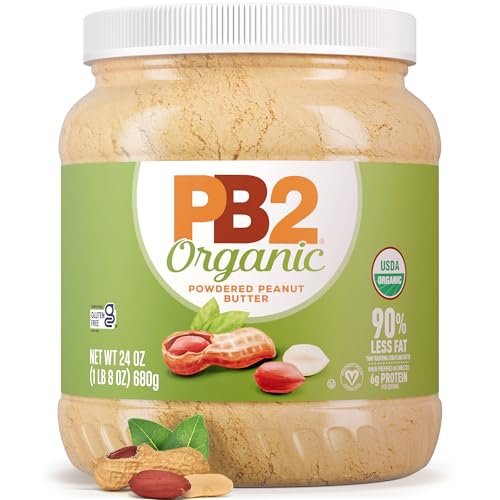
If you want the peanut butter flavor without the heavy oil and sugar, the answer is powdered peanut butter — and one jar stands above the rest. The PB2 Organic Powdered Peanut Butter wins because it keeps USDA Organic certification, Non-GMO Project verification, and a gluten-free recipe inside one resealable jar, while still mixing into a smooth, creamy spread or shake. Everything below is a five-pick shortlist built for anyone cutting fat and calories, watching added sugar, or simply tired of stirring a separated jar.
This guide is built by comparing the manufacturers’ published specifications and the patterns across verified customer reviews, so you get each pick’s real strengths and trade-offs instead of marketing spin.
Powdered peanut butter works by pressing most of the oil out of roasted peanuts, leaving a fine powder you rehydrate with water, milk, or yogurt. Pressing out that oil is why a 12g scoop lands near 50 calories while a 2 tbsp serving of jarred spread runs about 190. If you want the shortest route to the right jar, this breakdown of the best healthy peanut butter focuses on ingredients, protein, and how each powder actually blends.
Top Picks
How To Choose The Best Healthy Peanut Butter
Powdered peanut butter is not a diluted jar spread — it is a dry ingredient with its own rules for fat, protein, and serving size. Most of the oil is pressed out of the roasted peanuts, so what is left is a dry powder you bring back to life with liquid. Removing that oil is why fat drops to roughly 1.5g per serving and calories fall to about 50, against 16g fat and 190 calories in a 2 tbsp serving of jarred spread.
Read the ingredient line before anything else
A one-line ingredient list — roasted peanuts and nothing else — means no added sugar and no added salt. Some powders list only roasted peanuts, which means no added sugar and no added salt. Others add a little sugar or salt to round out the flavor. Neither is wrong, but you should know which one you are buying, because a “healthy” label on the front does not tell you what is on the back.
Match the powder to how you actually eat it
If you mainly stir it into yogurt, oatmeal, or a protein shake, blendability is the spec that decides whether you enjoy the product. A powder that clumps leaves dry pockets in your breakfast. If you rehydrate it into a spread instead, you care more about how creamy it turns out and whether it needs a pinch of salt to taste right.
Check the serving math, not just the jar size
A bigger bag is not automatically a better deal, because scoop weight decides how many servings you actually get. What matters is how many grams a single serving is and how much protein that serving delivers. A jar with a small serving scoop can stretch further than a heavier bag with a heftier scoop, so compare the serving counts before you commit.
Side-by-Side Comparison
| Model | Best For | Ingredients | Protein | Jar Size | Amazon |
|---|---|---|---|---|---|
| PB2 Organic Powdered Peanut Butter★ Best Overall | Best overall organic pick | Organic peanuts, salt, sugar | 6g per serving | 24 Ounce | Amazon |
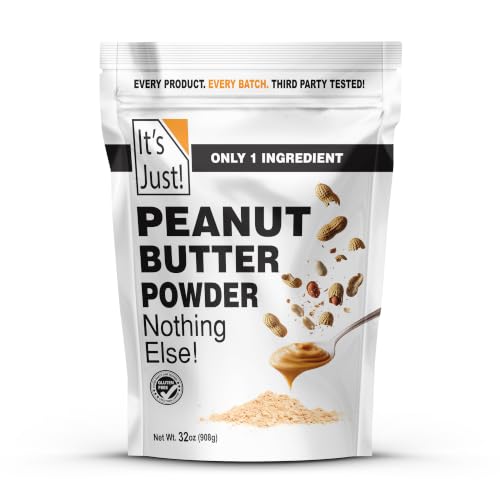
| It’s Just – Peanut Butter PowderBest Value | One-ingredient purity on a budget | Roasted peanuts only | 6g per 12g serving | 32 Ounce | Amazon |
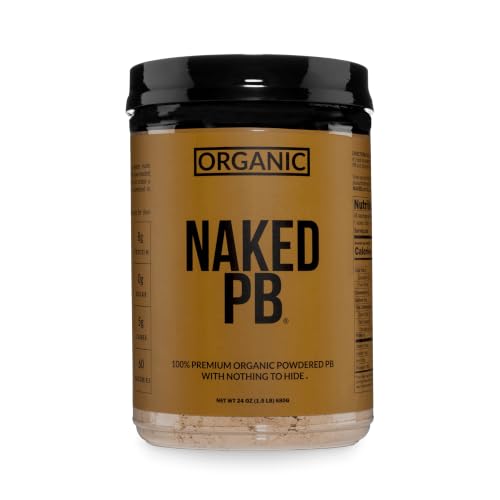
| Organic Powdered Peanut Butter from US Farms | Bulk buyers who want organic | Organic roasted peanuts only | 8g per serving | 24 Ounce | Amazon |
| Crazy Richard’s All-Natural Peanut Butter Powder | Big-bag value with pure peanut taste | 100% US peanuts | 5g per 2 tbsp | 32 Ounce | Amazon |
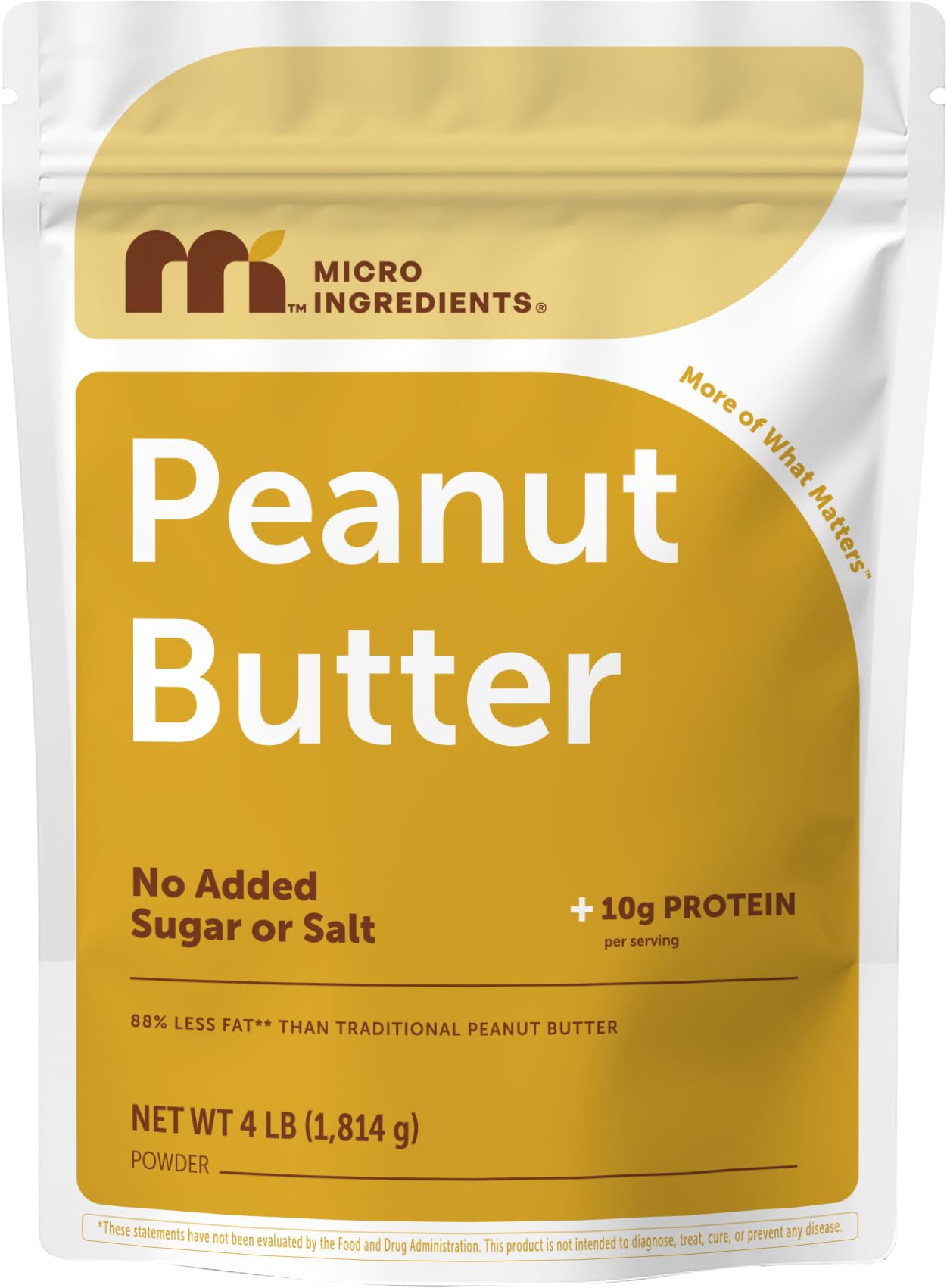
| Micro Ingredients Pure Peanut Butter Powder | High-protein bulk for daily shakes | Fresh roasted peanuts only | 10g plant-based protein per serving | 4 Pound | Amazon |
Detailed Reviews
1. PB2 Organic Powdered Peanut Butter
Our pick — 4.5+★ from 600+ verified ratings; the strongest balance of quality and price.
The organic jar that skips the oil, not the peanut flavor you came for.
This is the one to grab if you want a genuinely recognizable peanut butter taste without the oil-heavy spread. PB2 presses the fat out and leaves a fine powder that comes back to life with water, milk, or yogurt. The ingredients stay short — organic peanuts, salt, and sugar — and the label carries USDA Organic certification, Non-GMO Project verification, and a gluten-free recipe, all in one 24-ounce resealable jar. At 6g of protein per serving it holds its own against any peanut butter powder on this list.
What wins people over is the flavor balance. Buyers repeatedly describe it as smooth and rich rather than thin or bitter, and it dissolves cleanly into a morning yogurt or a post-gym shake. The strongest praise lands on overall quality, with taste close behind — a sign that people are judging it on how it actually eats, not just what the label promises. As owners put it: “I bought this to make 2 ingredient peanut butter balls, it was great, taste just like peanut butter. 2yr old picky granddaughter loved the peanut butter balls!” That is the real test for a powder — whether the flavor survives being mixed into something else.
The honest catch is the fat number. This formula is explicitly low-fat and lower-calorie, and some buyers treat that as a downside because they want the fuller mouthfeel of the real thing. A few also notice the added sugar and wish for a sugar-free version. If you want a powder with absolutely nothing but peanuts, the one-ingredient picks further down this list suit you better. For everyone else who wants the flavor without the heaviness, this is the cleanest all-rounder here.
Where It Pulls Ahead
- USDA Organic, Non-GMO Project verified, and gluten-free in one jar
- 6g of protein per serving with a smooth, creamy finish
- Blends cleanly into yogurt, oat milk smoothies, and baked goods
- Pure ingredient list: organic peanuts, salt, and sugar only
What To Weigh First
- Contains added sugar, which rules it out if you want sugar-free
- Low fat by design, so it will not match a full-fat spread’s richness
- Shorter on overall capacity than the larger bulk bags below
Buy this if: you want an organic, gluten-free powder that tastes like the real thing and mixes into anything.
Think twice if: your ingredient rule is “peanuts and nothing else” — the added sugar will bother you.
2. It’s Just – Peanut Butter Powder, 32oz
One ingredient, thirty-two ounces, and no sugar hiding in the scoop.
The label lists one ingredient: roasted peanuts, ground into a powder. No added sugar, no salt, no artificial sweeteners — which is exactly why this shows up in baking and shake recipes where an extra sweetener would throw off the result. Each 12g serving delivers 6g of plant-based protein with just 1g of net carbs, so it fits keto, paleo, and vegan eating without a compromise. Every batch is third-party tested for heavy metals, gluten, and microbiology, with results posted online.
The measuring mistake most people make here is expecting it to taste like a jar straight off the spoon. It will not — it is unsweetened roasted peanut, full stop. That is the point for the crowd that buys it, and it rehydrates into a creamy spread once you add water or a little oil. Compared with the PB2 Organic above, this one skips the sugar entirely and the peanuts stay as the only thing on the label.
Taste is what owners talk about most, and it holds up: no funky aftertaste, good peanut flavor, nothing that tastes chemically. A few find the taste plain if they eat it straight, since there is no sugar to soften it. That is the trade for a one-ingredient label — flavor you season yourself. Add a pinch of salt, a drizzle of honey, or a spoon of oil and it behaves like any spread.
The purity trade: A single-ingredient formula means you control the sweetness and salt, but you have to actually do it — this is not a spoon-straight-from-the-jar product.
The real value: Two pounds of third-party-tested peanut powder that works in bread, muffins, smoothies, and protein shakes, with nothing added that you did not put there.
Worth it for: bakers and shake drinkers who want an unsweetened blank canvas and the bigger bag to go with it.
Pass if: you want a sweet, ready-to-eat spread without doctoring it yourself.
3. Organic Powdered Peanut Butter
The highest protein on this list, from peanuts grown and ground on US soil.
If protein per scoop is your deciding number, this is the jar that wins. It delivers 8g of protein, 5g of carbs, and 60 calories per serving — more protein than the PB2 Organic’s 6g and the Crazy Richard’s 5g per 2 tbsp. The ingredient list is a single line: 100% Non-GMO roasted organic peanut powder, with no added sugar, no salt, and no preservatives. The peanuts come exclusively from US farms, and the powder is processed and packaged in the US too.
The third-party impurity testing, including metals, is a genuine selling point for a daily shake ingredient. This one is independently third-party tested for impurities, including metals, and carries the NAKED nutrition name behind it. That matters if you are choosing a peanut powder because you want a clean input into a daily shake rather than a treat. Compared with the It’s Just above, this pick gives you the organic certification in exchange for a little more acid on the ingredient list — peanuts and nothing else, both of them.
What people rave about is the taste, and quality runs a very close second. It is described as unsweetened and a better alternative to other powders, mixing cleanly into smoothies and sauces without clumping. The mixability praise is consistent enough to trust — this is not a powder that floats on top of your oat milk. The one honest note is the flavor itself: unsweetened means exactly that, so if you are used to a sweetened spread, plan on adding a little something to your first spoon.
Why It Leads The List
- 8g of protein per serving — the highest of the five here
- Genuinely one ingredient: organic roasted peanuts only
- US-grown and US-processed, with third-party impurity testing
- 45 servings in the jar for people who use it daily
Before You Commit
- No added sugar means it tastes plain to anyone expecting a sweet spread
- No added salt, so it needs a pinch if you want it to taste like traditional peanut butter
Choose this pick: when you want the most protein and the cleanest organic label in the same tub.
Look elsewhere: if you refuse to season your own food and want it sweet from the first scoop.
4. Crazy Richard’s Peanut Butter Powder

A two-pound bag of pure pressed peanuts for people who go through it fast.
Crazy Richard’s makes its powder by pressing most of the oil out of roasted peanuts, and that is the entire recipe — 100% US peanuts, no salt, no sugar, no preservatives. It arrives as a 2-pound bag, which is a lot of powder for anyone spooning it into yogurt or blending it into a shake every morning. The 32-ounce size also beats the PB2 Organic’s 24 ounces, a 33% capacity advantage that matters when you are buying in bulk. Per 2 tbsp it lands at 1.5g of fat, 50 calories, and 5g of protein.
The flavor profile is the standout detail. Owners describe it as having a mild, subtly sweet, honey-like taste rather than the raw, slightly bitter edge some powders carry. That makes it the easiest one to put in front of someone who is skeptical about powdered peanut butter. It works in smoothies, dessert recipes, frostings, and protein yogurt without needing much coaxing. The bag holds up over time too, which is exactly what you want from a larger-format buy.
The honest caveat is texture preference. A mild, light peanut taste is not the same as a roasted, punchy one, so if you want that deep roasted flavor, this is not it. The other point worth knowing before you buy: the bag itself is the packaging, and it is worth transferring the powder to a tub you can close reliably once you open it. That is a small inconvenience, not a problem with the powder inside. If you want a clean 100% peanut powder and you go through it quickly, this is a solid big-bag buy.
The everyday use case: Yogurt, cereal, milk, and protein blends — this is the jar you reach for when the powder has become part of the daily routine, not an occasional recipe ingredient.
The plain-language math: Compared with traditional prepared peanut butter, this powder is built to be a lower-fat, lower-calorie option, so it fits a low-sodium or lighter-diet pattern better than a jar of spread.
Go here for: a mild, easy-drinking powder in a big bag, especially if you eat it daily and want something you barely have to think about.
Skip if: you specifically want a bold roasted flavor or you prefer a resealable tub over a bag.
5. Micro Ingredients Pure Peanut Butter Powder
Four pounds of roasted peanut powder — the jug that outlasts your smoothie habit.
This is the pick for volume. Micro Ingredients packages a 4-pound supply made from freshly roasted peanuts, with no added sugar and no added salt. Each serving delivers 10g of plant-based protein and is made to carry 88% less fat than traditional peanut butter. The 107 servings per bag put it well past anything else on this list for sheer staying power, so it makes sense if you are blending a shake every single day. It is Non-GMO, made in a cGMP-compliant facility, and third-party lab tested.
What people love most is how it mixes — it disappears into shakes and smoothies without leaving a gritty film or dry clumps behind. That matters more than taste for anyone drinking it daily rather than eating it off a spoon. Compared with the Crazy Richard’s above, this one gives you more protein per serving and a much bigger bag in exchange for the same pure-peanut ingredient approach. If your goal is to keep one tub on the counter and never run out mid-week, this is the format to buy.
The one real variable is texture. Some find it smooth; others describe it as somewhat chalky, which is a personal sensitivity rather than a flaw in the powder. If you are using it in a thick shake, that difference shows up less than if you rehydrate it into a thin spread. Also worth knowing: this bag has a tapered scoop that helps prevent sticking, so you are not fighting the measuring spoon every morning. Every pick on this list is honest about what it is — this one is the daily-driver bulk option.
What Makes It Stand Out
- 10g of plant-based protein per serving, with 107 servings in the bag
- No added sugar or salt, made from fresh roasted peanuts
- Positions itself as an 88% less fat alternative to traditional peanut butter
- Tapered scoop design helps keep the powder from sticking to the spoon
The Honest Limits
- Texture reads as chalky to some, especially in a thin spread
- The bag closure can loosen over time, so a transfer to a tub helps
- No added sweetness or salt, so it needs seasoning if you eat it alone
The daily-driver pick: reach for this if you make a shake every morning and want the largest, highest-protein bag here.
Not the one for you: if you rehydrate it into a thin spread and texture is your priority — look at the smoother picks instead.
Know the Specs
Ingredients: One-Item vs. Multi-Item Formulas
Reading the ingredient list tells you how much control you get over sweetness and salt. A one-ingredient formula lists only roasted peanuts, so you decide any sugar or salt you add later. A multi-item formula — like PB2’s organic peanuts, salt, and sugar — comes pre-seasoned for you. Neither is wrong, but they act differently in a recipe, so pick based on if you want to season the powder yourself.
Fat and Calories: The Powder Advantage
Powdered peanut butter earns its “healthy” tag by pressing the oil out of roasted peanuts before grinding them. That is why you see claims like 88% less fat or 90% less fat on these labels — those figures describe the comparison to traditional prepared peanut butter, not to other powders. A powder with no added sugar or salt gives you the cleanest base, and you can always add a little oil back if you want the richness of a traditional spread.
Protein per Serving: Protein Isn’t Just a Number
Protein per serving is only meaningful once you know the serving weight. One powder may deliver 6g per 12g scoop, another 8g in a different scoop size, and a third 10g in a slightly larger serving. Higher protein per serving is a plus, but it only helps you if the powder still tastes good enough to actually use. Pair the protein figure with taste and mixability before you let it decide for you.
Blendability: What You Get When It Dissolves
A powder that clumps is a powder that quietly gets abandoned at the back of the pantry. Blendability is really a measure of how fine and how evenly the powder dissolves into milk, water, or yogurt. Powders built for smoothies and sauces mix cleanly and leave no gritty film behind. If you are adding it to a drink, weight this spec heavier than the brand name on the bag.
Common Questions
Is powdered peanut butter actually healthier than regular peanut butter?
How do you turn peanut butter powder back into an actual spread?
Does peanut butter powder need to be refrigerated after opening?
Can you use peanut butter powder in baking instead of a jar of peanut butter?
How many grams of protein are in a serving of peanut butter powder?
Is peanut butter powder keto friendly or vegan friendly?
Is the jar size or the serving count the better way to compare value?
Why does my peanut butter powder taste bland compared with a jar of peanut butter?
Can you eat peanut butter powder straight from the jar without mixing it?
Does peanut butter powder have added sugar or salt in most brands?
The Bottom Line
For most people looking for the best healthy peanut butter, the PB2 Organic Powdered Peanut Butter is the one to start with — it balances USDA Organic certification (a USDA label for organic farming), Non-GMO verification (a third-party check for no genetically modified ingredients), and a creamy 6g-protein scoop in one resealable jar. If you want the most protein and the cleanest organic label, the Organic Powdered Peanut Butter from US Farms leads at 8g per serving. And for anyone blending a daily shake who wants the largest, highest-protein supply on the shelf, the Micro Ingredients Pure Peanut Butter Powder is the one that lasts.
How we choose
We do not accept paid placement. Every pick is matched to a real buyer and a real use-case; we do not hands-on test units.
Sources
Specifications: manufacturer listings and product documentation. Review insights: verified customer reviews, as of October 2026. Pricing: not shown on this page (it changes often); check the current price via the retailer link.
As an Amazon Associate, Aappliancez earns from qualifying purchases. This does not affect which products we feature.